
Goshuin
Ritual objects御朱印 ・ Reading: ごしゅいん
Definition
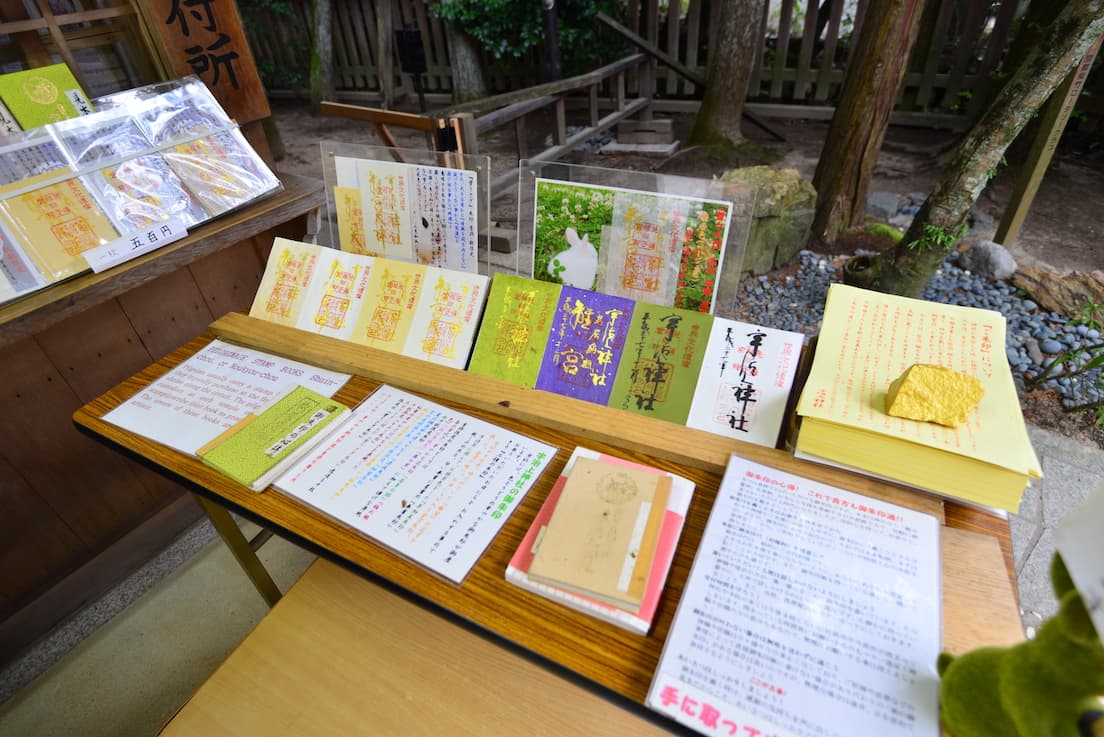
御朱印是在日本寺院和神社参拜后获赠的一种手写印章,将红色印章与毛笔书法融为一体,通常记载该场所的名称与参拜日期,以作到访凭证。
您将获得什么
御朱印由寺院或神社的御朱印所工作人员在您等候期间当场手写完成。书写者以流畅的墨汁写下场所名称和日期,再于其上盖一枚或多枚红色印章。每一枚御朱印都独一无二,这也是人们热衷收集的原因之一。
如何获取
请先完成参拜,再将您的御朱印帐带至御朱印所,翻开空白页递给工作人员。通常需要支付300至500日元的少量费用,请提前备好零钱,也请勿催促工作人员。
参拜记录,而非纪念品
御朱印是真实参拜的证明,而非普通的观光印章。请务必在实际参拜之后再索取,妥善保管御朱印帐,切勿就费用讨价还价。
常见问题
- 御朱印需要多少钱?
御朱印通常收费300至500日元。由于许多寺院和神社希望收取整数金额,建议提前备好零钱。
- 获取御朱印一定需要御朱印帐吗?
通常情况下,御朱印会直接写入专为此用途制作的折叠式印章册,即御朱印帐。不过,部分场所也提供预先书写在散页纸上的版本,可供日后粘贴入册。
- 御朱印与观光纪念章有什么区别?
御朱印是在完成参拜后获赠的手写参拜记录,承载着虔诚的意义;而车站和景点免费提供的自助盖章则仅是纪念品,不具有同等的神圣性。
Related articles
- 日本朝圣史:从神圣山脉到公共路线僧侣式的风景、机构、路书、江户旅行、交通以及当地的好客之道塑造了日本的朝圣。
- 京都最佳御朱印:实用分区路线利用御朱印地图的地点记录、交通规划和明确的临时变更提示,按区域安排尊重寺社的京都御朱印行程。
- 东京最佳御朱印:十个寺庙和神社景点通过官方验证指南,规划经过浅草、原宿、世田谷、芝、神田和文京的尊重礼仪的东京御朱印路线。
- 日本神社和寺庙的现金、银行卡和支付方式在一次参观中,供品、入场、御朱印、御守物品柜台、停车和无现金受理有何不同。
- Digital Goshuincho, Visit Photos and Richer MapsOur first update letter brought together Digital Goshuincho, visit photos, collection milestones, and more useful maps on goshuin.com.
- 2026年黄金周神社寺庙指南使用官方2026年假期日历来规划在黄金周人潮期间的神社、寺庙、交通、无障碍设施和御朱印参拜。
- Goshuin Atlas 2.2: Audio Guides and Daily OmikujiThe June release introduced audio guides, Daily Omikuji, blessing-based discovery, bulk photo import, and a clearer Explore map.
- Goshuin Atlas 2.3: Private Notes, Glossary and GuidesThe July release added private notes, explanations you can open while reading, curated travel guides, and improvements to everyday use.
- Goshuin Atlas in ChatGPT: Explore the CatalogueSearch the public Goshuin Atlas catalogue in ChatGPT, discover nearby temples and shrines, and explore documented goshuin designs.
- Goshuin Atlas: iPad, Atlas Points and TransportationOur September update brings iPad and Mac support, Atlas Points, train and bus information, Safety Alerts, and more ways to record your visits.
- 御朱印帐指南:在日本哪里买、如何使用了解如何挑选御朱印帐、在日本哪里购买,以及在寺庙和神社如何递交本子。还可查看散页御朱印的携带方法,以及保护未干墨迹的注意事项。
- 御朱印:收集日本寺庙和神社的印章什么是御朱印(goshuin),它们的价格、如何礼貌地索要,以及在哪里开始收集日本手写的寺庙和神社印章。
- # 如何阅读神道神社建筑通过建筑角色、屋顶结构、文献记载的风格以及来自伊势神宫和住吉大社的官方案例研究,学习阅读神社建筑。
- 如何参观日本佛教寺院遵循佛教寺庙礼仪,从山门到上香、祈祷、进入大殿、摄影和领取御朱印。
- 如何在日本参观神道神社一份实用的神社礼仪指南,涵盖鸟居、手水舍、供奉、祈祷、御朱印、摄影、无障碍设施和当地例外情况。
- Introducing the Goshuin Database: Records That LastA public catalogue built around individual goshuin designs, with permanent IDs, verification, citations, and room for deeper research.
- 日本祭典礼仪:如何以尊重参加如何在不妨碍游行、仪式、居民或受邀参与者的情况下参加神社和寺庙节庆活动。
- 日本神圣遗址的行李、洗手间和游客设施如何在不假设每个神圣场所都提供储物、厕所、办公时间、食物、连接性和家庭设施的情况下进行规划。
- 日本神社和寺庙的摄影:一份恭敬的指南如何以尊重的方式拍摄神圣地点:从不拍照区域和仪式隐私到三脚架、无人机以及神圣物品。
- 在日本规划一次无障碍神社或寺庙参观基于路线的方法,涵盖出行、无障碍厕所、地面与表面、由工作人员协助的通行、感官负荷,以及有尊严的行程规划。
- 日本神社的神圣物品了解御札、御守、绘马和御签的区别,访客如何使用每一种,以及为什么并非每件神圣物品都是供品。
- 季节性御朱印和柿落:变化的内容区分季节性御朱印、直笔书写、单独纸张书写和装饰格式,同时检查当前官方可用性。
- 日本七福神巡礼选择当地的七福神巡礼,确认其季节和停靠点,在混合的神社和寺院进行参拜,并记录路线印章。
- 写经和写佛:佛教描摹修行了解抄经和描佛像,选择一个寺庙项目,恭敬地做好准备,并遵守其当地规则。
- 神佛习合:为何神社和寺庙共享日本的圣地景观kami与佛之间长期关系的历史,明治分离,以及游客至今仍能遇到的层叠神圣景观。
- 日本的鞋子、门槛与神圣室内空间一份实用指南,教你如何脱鞋、跨越抬高的门槛、使用拖鞋、进入榻榻米房间,并保护历史悠久的室内空间。
- 日本的神社和寺庙:如何区分它们不依赖误导性的视觉捷径,通过名称、建筑、礼拜方式和当地指导来识别神道神社和佛教寺院。
- 宿坊:如何规划日本寺庙住宿体验在日本规划一次尊重的寺院住宿体验,从选择宿坊和了解餐饮到参加法事和查看当前的寺院规则。
- 手水舍:礼拜前的净水仪式在日本神社中恭敬地使用手水,包括勺子、流水、悬挂和花盆等装置,同时遵循当地现行指示。
- 为什么日本重建神圣遗址:更新、重建与活态遗产仪式更新、灾后重建、保护以及工艺传承,创造出不同层次的真实性。