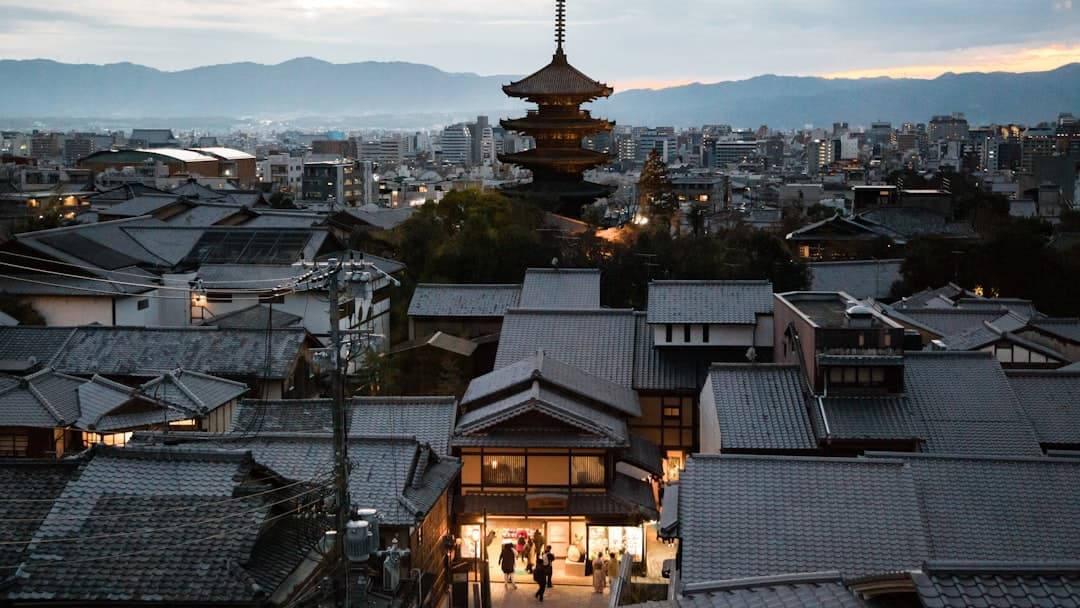
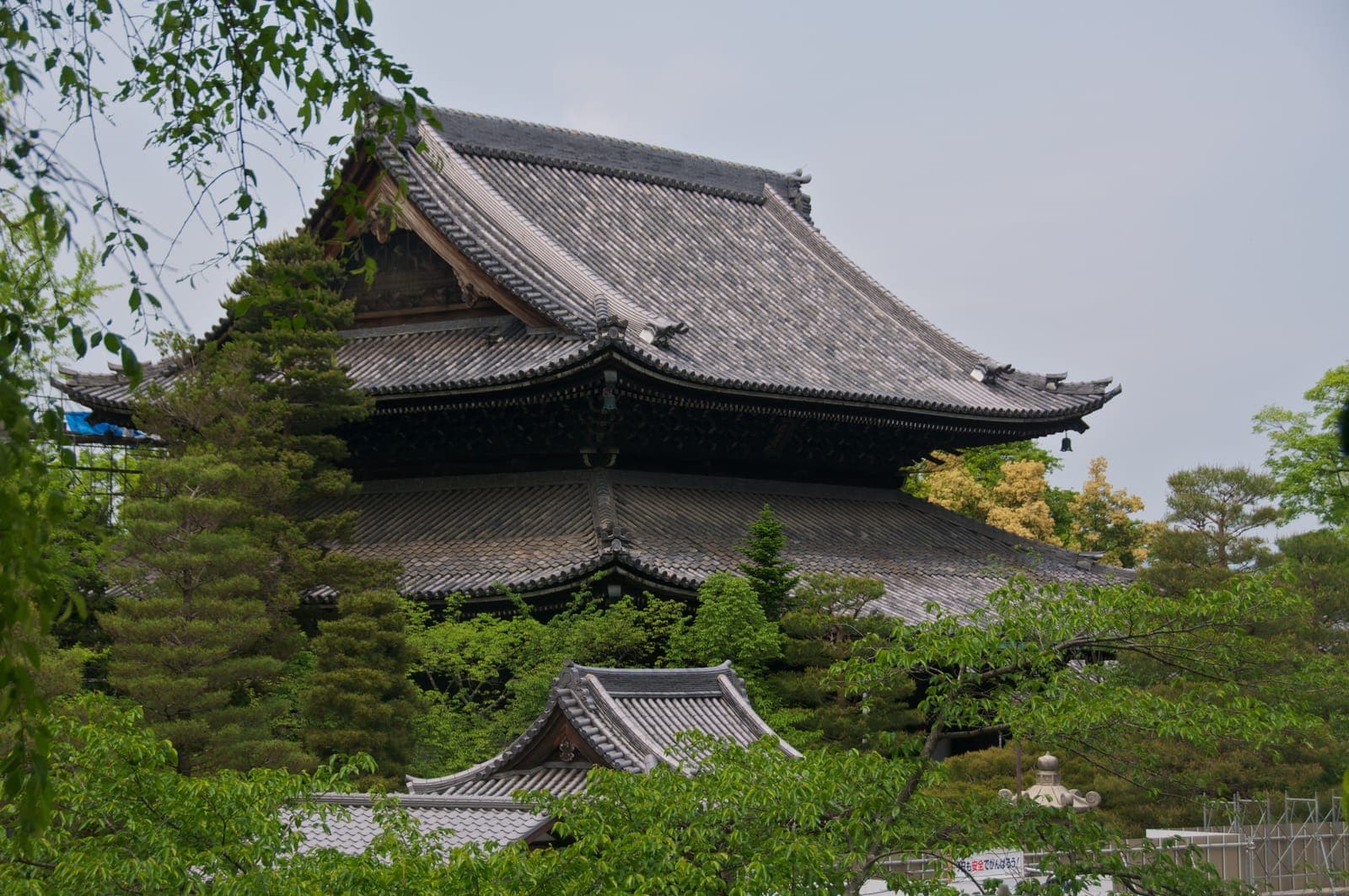
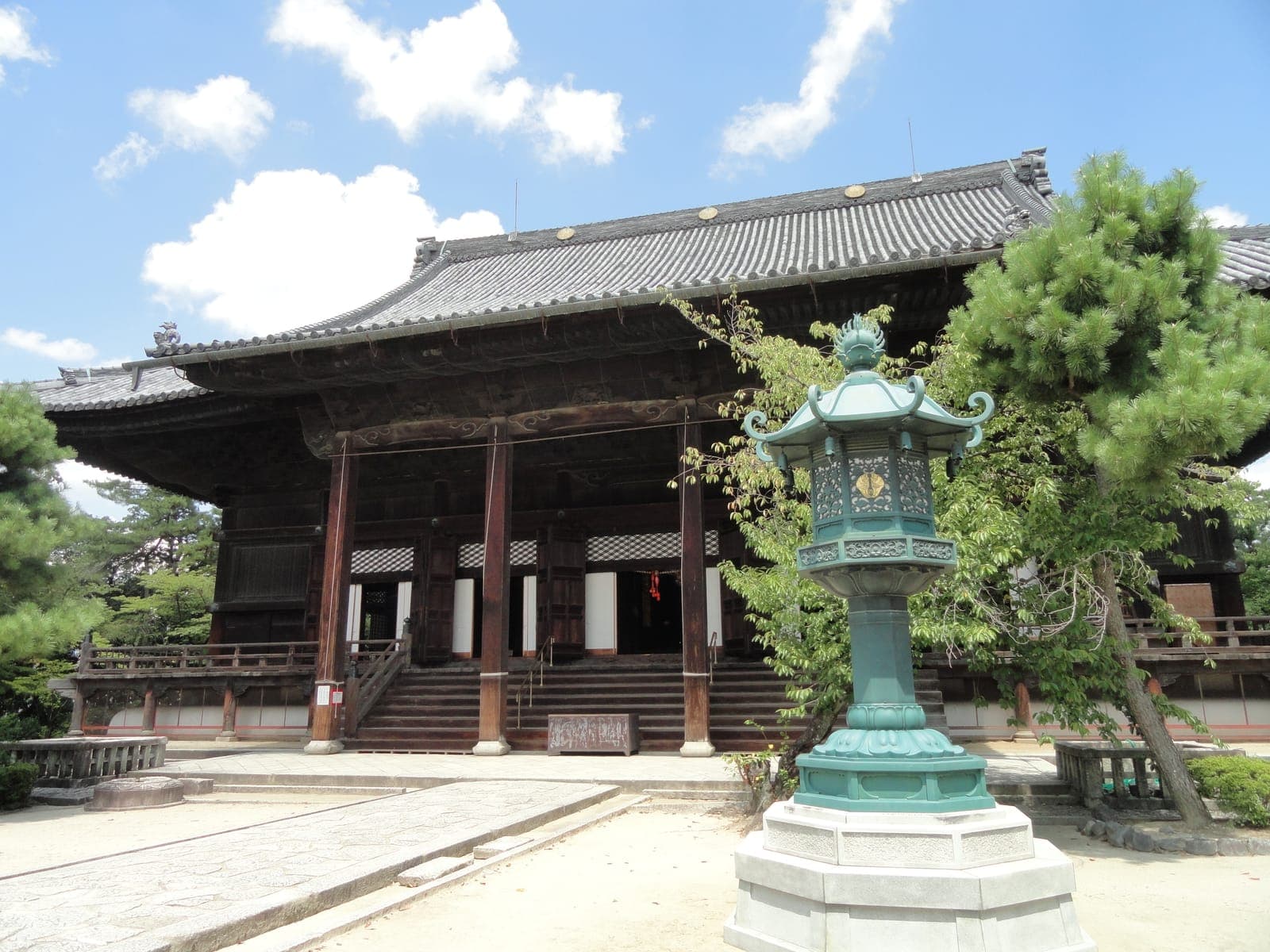
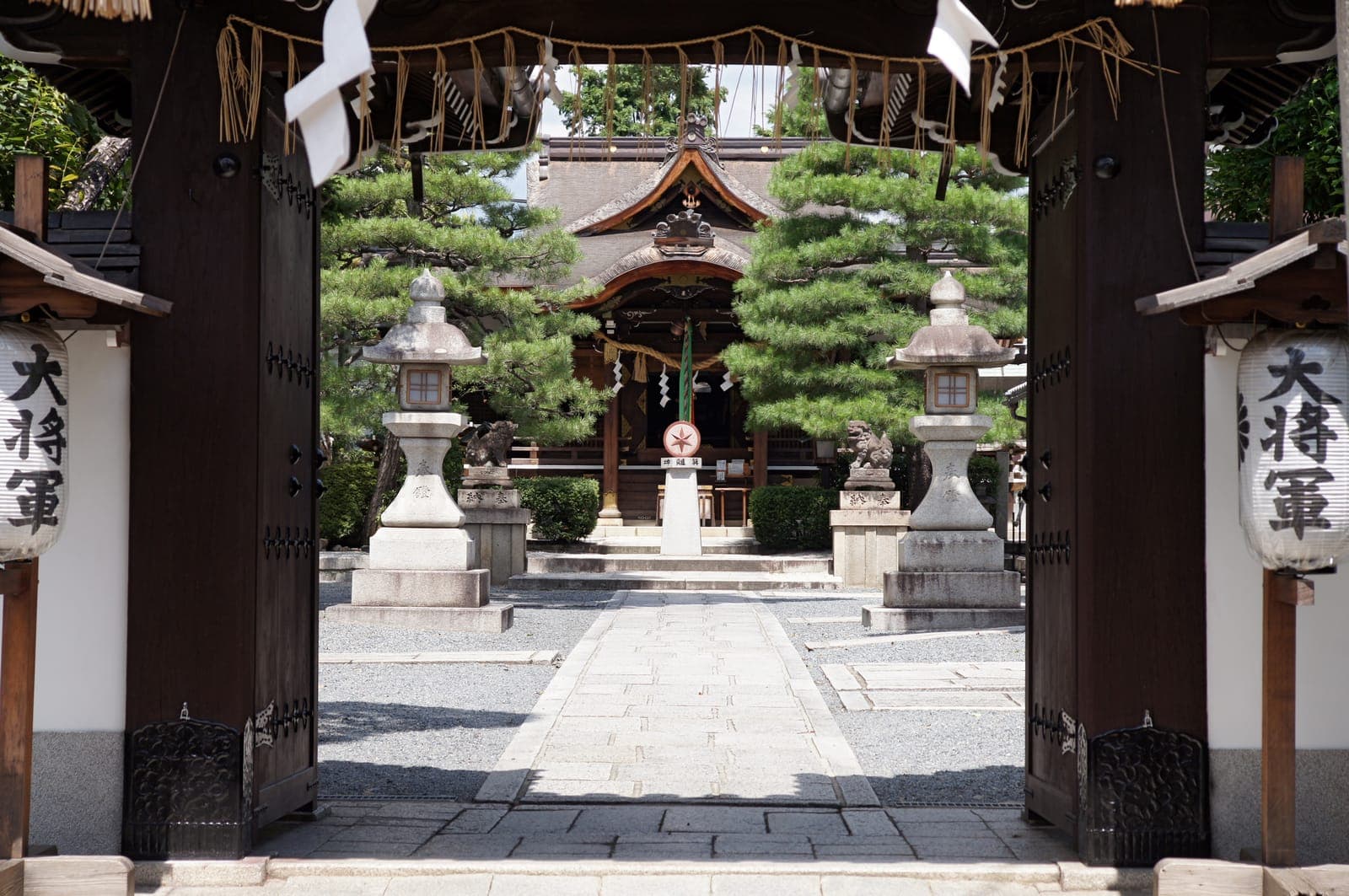
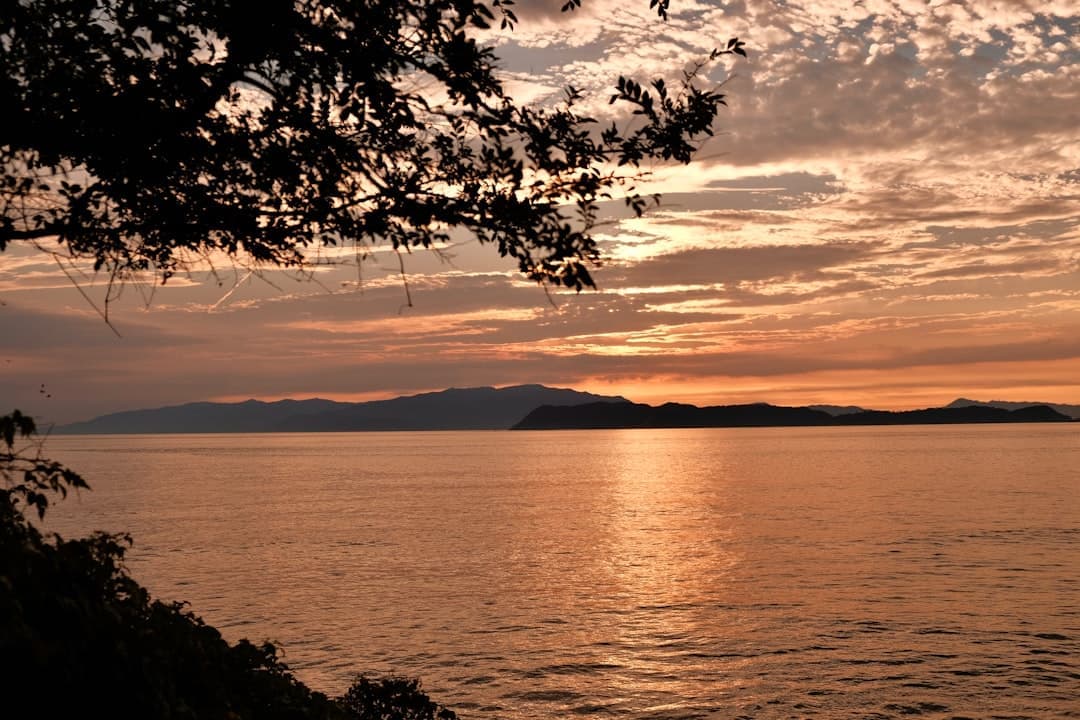
Kyoto Prefecture is in the Kansai region of western Japan and is known for its long history as a center of Japanese culture. It includes Kyoto City, former imperial sites, many temples and shrines, and scenic areas such as the Tango coast and the rural mountains of the north.
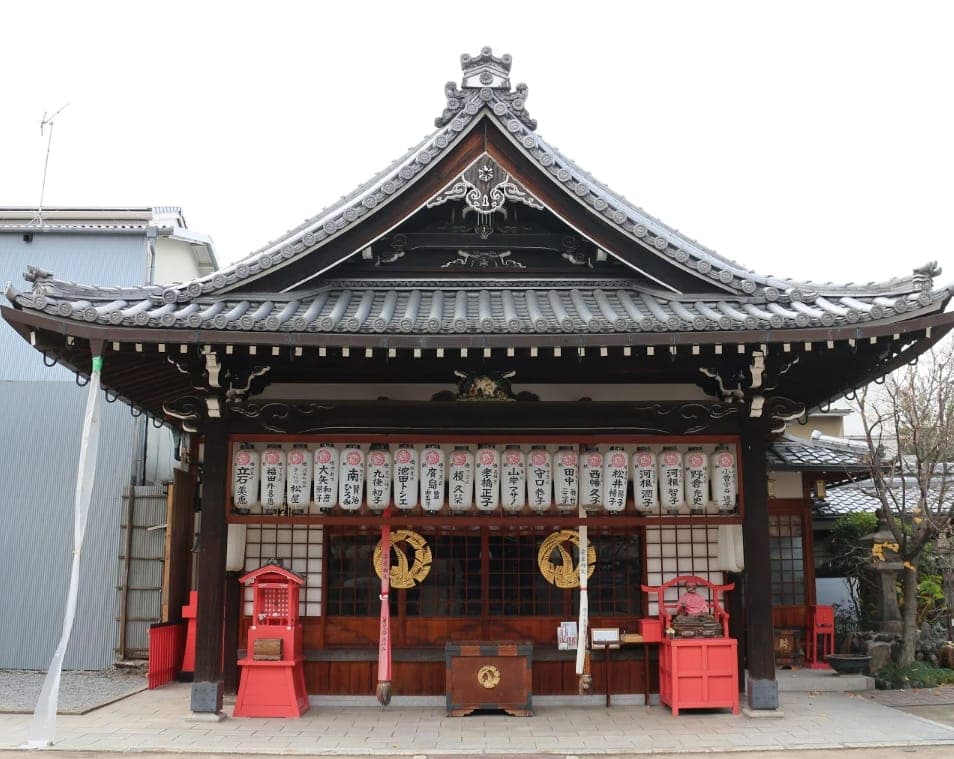
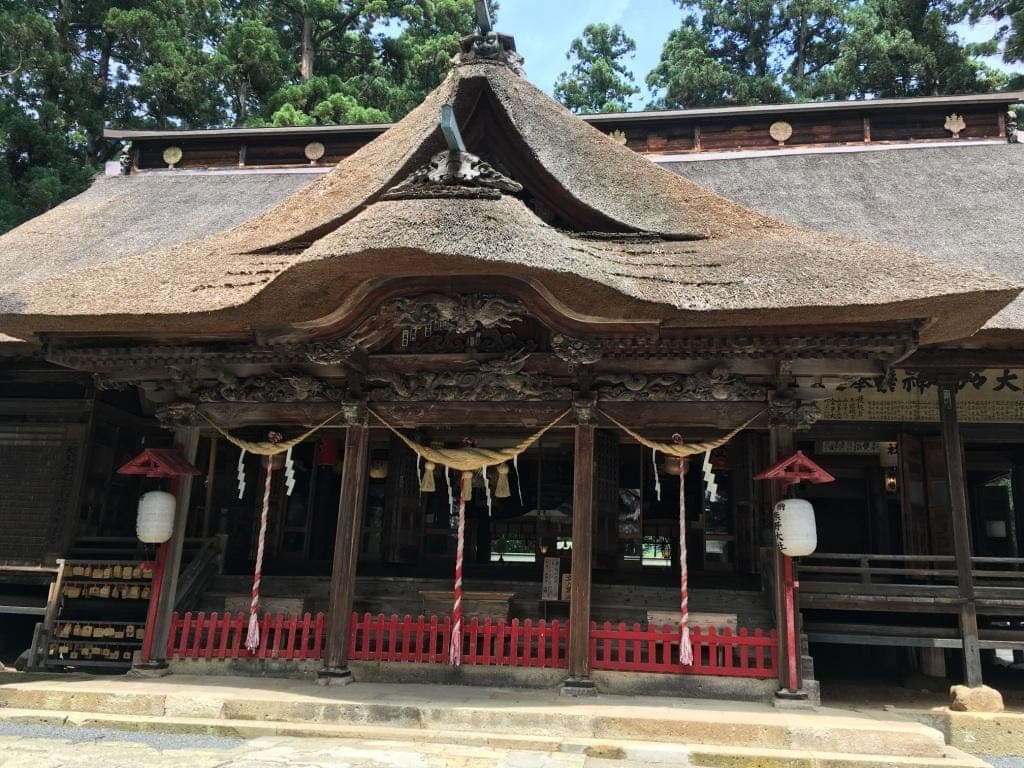
One of Japan's three great Ebisu shrines, dedicated to Ebisu, the patron of fishermen and merchants. Located near Kenninji in Higashiyama, it hosts the famous Tōka Ebisu festival each January, drawing visitors seeking lucky bamboo for business fortune.
为什么值得去
Visit during weekdays outside the January 8-12 Tōka Ebisu festival window if you want a quieter experience, as thousands of business owners and luck-seekers converge on the shrine during this five-day period to purchase blessed lucky bamboo and charms. If you do come during Tōka Ebisu, arrive early in the morning to beat the crowds and have a better chance of interacting with the shrine maidens and geisha apprentices distributing the fukuzasa.
If you visit during Tōka Ebisu in January, plan to purchase a fukuzasa (lucky bamboo branch) and customize it with charms that match your intentions, such as treasure boats for wealth, red sea bream for business success, or shrine maiden bells to call luck to you. Each charm carries its own lucky meaning in Japanese culture, so take time to select ones that align with what you're hoping to attract.
Look around the shrine grounds for stone carvings and statues of Ebisu holding his fishing rod and red sea bream, as these images appear throughout the sanctuary and help you understand why he's the patron deity of fishermen and merchants.
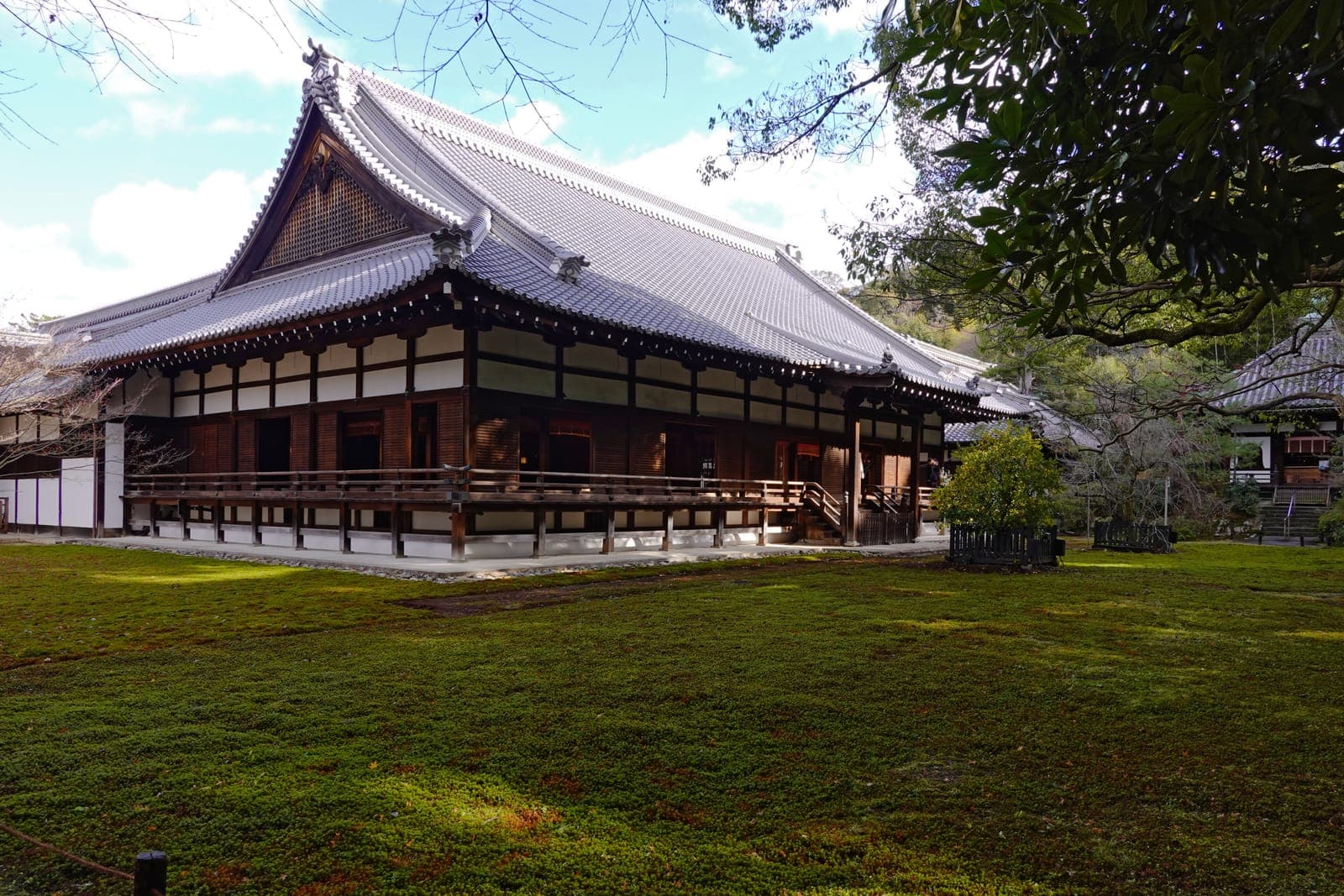
UNESCO World Heritage temple in Uji, famous for its Phoenix Hall (Hōōdō) depicted on the 10yen coin. Built in 1052 during the Heian period, it exemplifies Pure Land Buddhist architecture with its stunning Amida Buddha statue and elegant reflection in the pond.
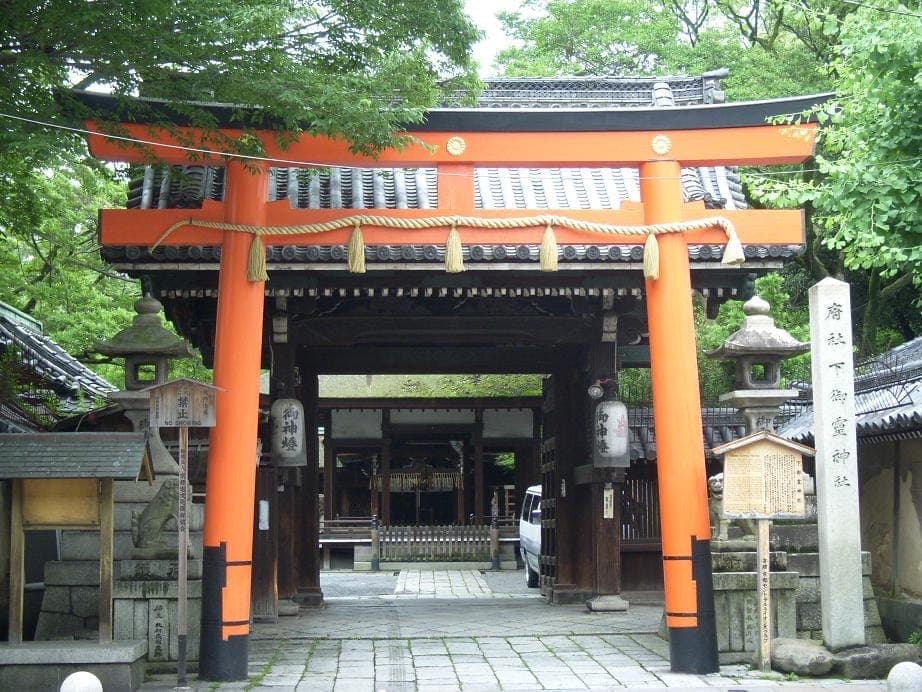
Kumano Shrine in Kyoto's Sakyo Ward is one of over 3,000 Kumanotype shrines in Japan. It enshrines the three Kumano deities of the Kii Peninsula and is part of the widespread Kumano faith rooted in ancient nature worship and shinbutsushugo, the fusion of...
为什么值得去
If you're visiting one of the three main Kumano Sanzan shrines in Wakayama (Hongu, Nachi, or Hayatama), plan for 20 to 40 kilometers between each location, so budget a full day or multi-day trip rather than trying to see all three in one outing.
The Nachi Fire Festival on July 14 features torches carried down a path to Nachi Falls in an ancient purification ritual that mimics the cascade of water itself.
Wear sturdy hiking boots with good ankle support if you plan to walk any section of the Kumano Kodo, as the stone staircases and mountain paths are steep and uneven.