除常设展览外,还会季节性举办特别主题展览,以及与当代艺术家合作的艺术展
概览
Daigo-ji is a major Shingon Buddhist temple in Fushimi-ku, Kyoto, and the head temple of the Shingon Daigo-ha branch. It is part of the UNESCO World Heritage Site “Historic Monuments of Ancient Kyoto,” recognized in 1994 for its wooden architecture and garden traditions. The temple is famed for vast precincts on Mount Daigo and as the site of Toyotomi Hideyoshi’s celebrated cherry blossom viewing in 1598.
Founded in 874 by the monk Shōbō (Rigen Daishi), Daigo-ji developed through the Heian and medieval periods as an important esoteric center. Fires and warfare led to losses, but key structures were rebuilt, and patronage in the Azuchi–Momoyama era revived the complex. The five-story pagoda from 951 is the oldest surviving building in Kyoto, and many halls date from the 16th–17th centuries.
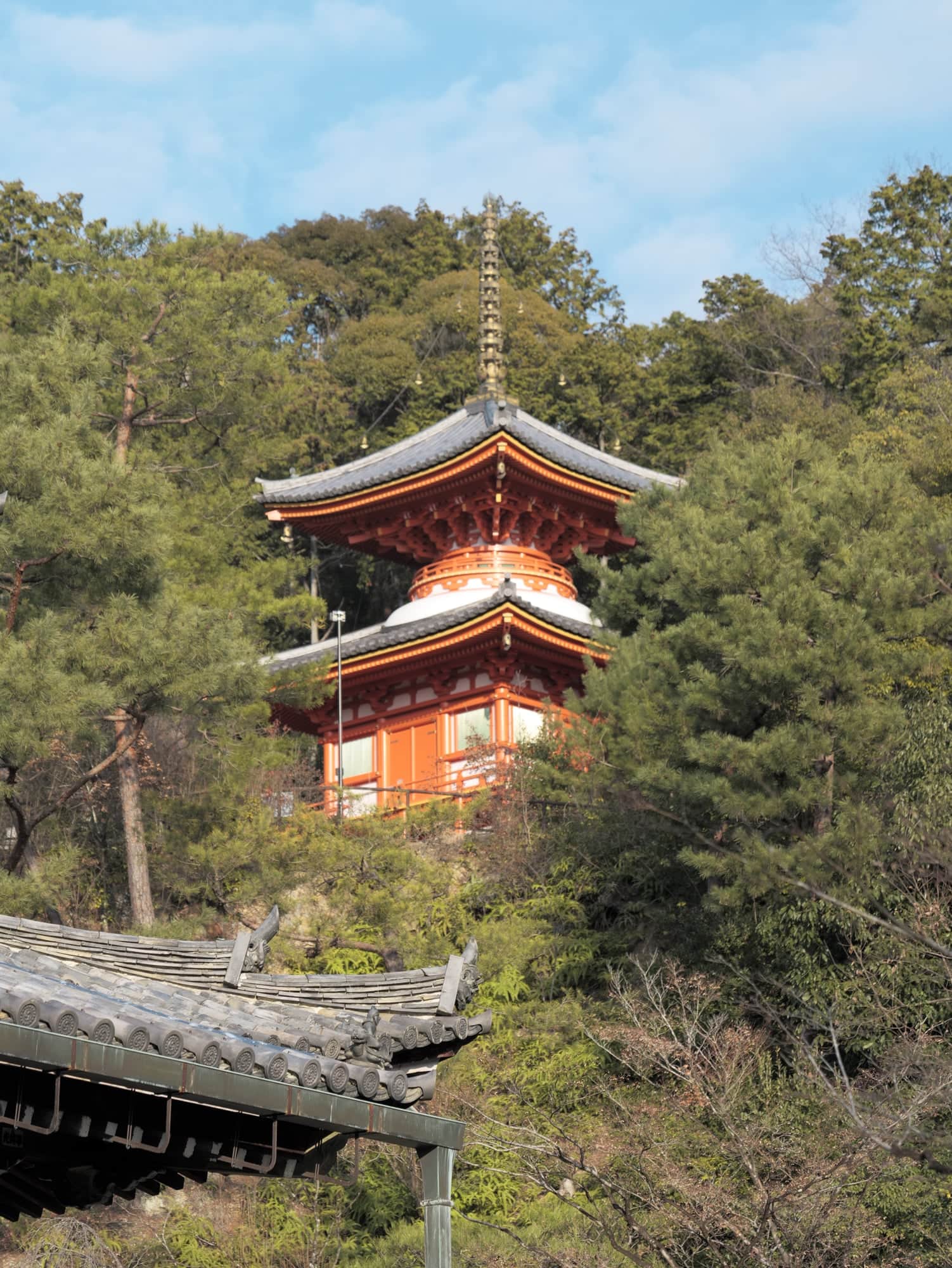
The complex spans lower, middle, and upper precincts on the mountain. Visitors encounter the grand Sanbō-in sub-temple with Momoyama-era architecture and gardens, the Kondō (Main Hall), the five-story pagoda, and the vermilion Bentendō by a pond. A steep trail leads to the Kami-Daigo upper precinct with early halls and mountain worship sites. The temple museum preserves an extensive collection of sculptures, mandalas, and documents, including National Treasures and Important Cultural Properties.
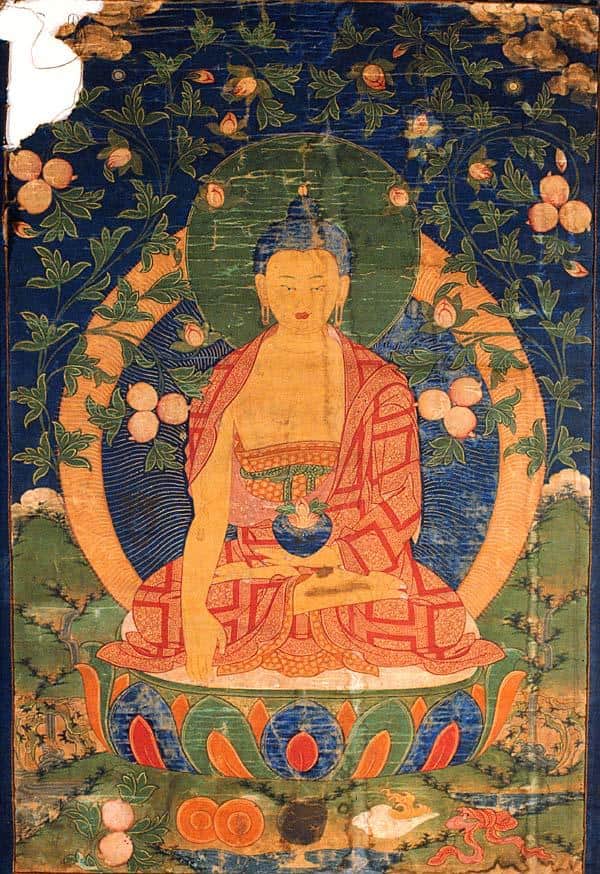
Daigo-ji’s principal image is Yakushi Nyorai, enshrined as a hibutsu (hidden Buddha), reflecting Shingon esoteric worship. The temple is the 11th stop on the Saigoku Kannon Pilgrimage, linking it to a wider devotional route across western Japan. Seasonal rituals, Buddhist ceremonies, and historical associations position Daigo-ji as a key locus of religious practice and cultural heritage in Kyoto.
丰臣秀吉在这里种植了700多棵樱花树,随后在1598年举办了他传奇的赏花宴会,使其成为历史上最奢华的庆典之一。
该寺的泉水据说味道如甘露,启发了其名称:醍醐寺在日语中意为"精妙之味",将寺庙的起源与流自醍醐山的泉水联系在一起。
此 寺院 提供 1 款不同的御朱印设计
与开放时间相同
通常
Main grounds and museum are wheelchair accessible. Some temple areas have steps. Accessible toilets available.
除常设展览外,还会季节性举办特别主题展览,以及与当代艺术家合作的艺术展
请穿着舒适的步行鞋,因为寺庙范围广阔且有许多台阶。
寺庙建筑群横跨醍醐山三个不同区域,需要沿陡峭山路攀登才能到达上部的上醍醐区域,因此请预留至少3-4小时进行完整游览,如果您计划探索下层区域之外的地方,请穿着结实的登山鞋。
如果你想要的不仅仅是观光,到达时可以询问Daigo-ji的冥想课程和季节性仪式。这座寺庙邀请游客加入或观看僧侣的修行,其修行方式解释了它如何能够延续超过1150年的历史。
如果您想体验寺庙的建筑和花园之美,而不受春季樱花到来时的拥挤人群困扰,请在二月或初冬时访问。
如果在春季樱花季节(3月下旬至4月初)访问,请在上午8:30之前到达或在工作日访问,以避免为著名的垂枝樱花树聚集的大量人群。
樱花季期间来访,在丰臣秀吉1598年举办传奇赏樱会(hanami)的场地感受历史氛围,但请预计在四月初的高峰期会遇到明显更多的游客。
神圣的灵魂在这个神圣的地方受到崇敬
5 个境内建筑
参观时间
90+ 分钟
与此地点相关的更多页面。
据信此地能赐予的福佑
300米以内 600米以内
4 条最新帖子
5.0
2 条评价
如果想看完整个建筑群,需要预留至少3到4小时。建筑群分布在醍醐山的三个区域。下层区域比较容易到达,但要到达上层的上醍醐区域需要走陡峭的山路,所以要穿结实的鞋子。4月初樱花季节会吸引大量游客,此时的景色与丰臣秀吉在1598年举办的著名赏花宴会时选择的景色相同。
除了季节性的景观外,该遗址还举办轮流展出的主题展览,偶尔还与当代艺术家合作,所以根据你的访问时间,可能会有额外的展览可以看。
 MM
MMMarcus Mok 签到了
Daigo-ji
Fushimi, Kyoto
 AP
APAlessia Petringa 分享了御朱印