参观费用
尚未确认
概览
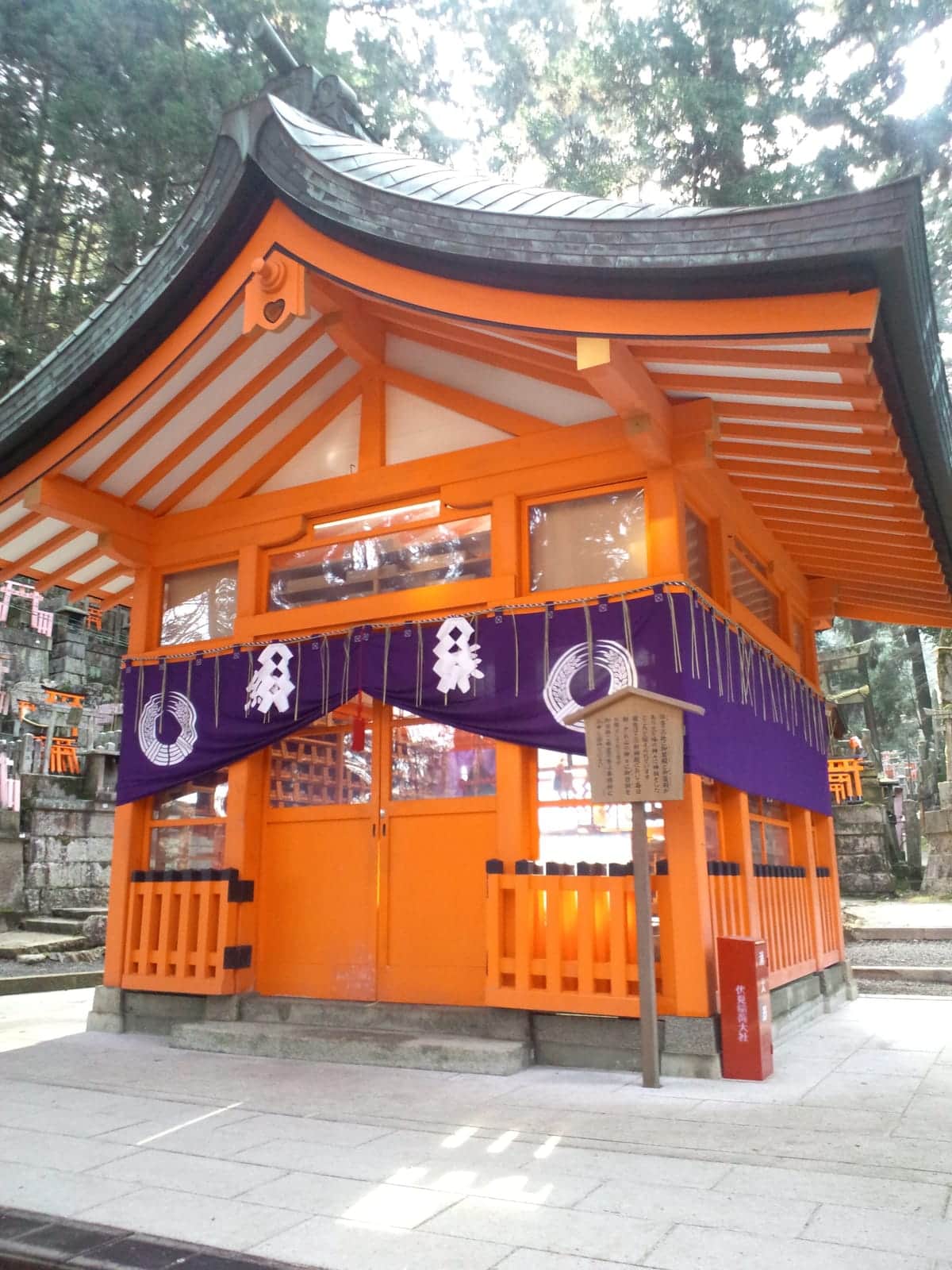
During the Edo period, this worship hall was also called Kumotsujo, meaning 'offering place,' reflecting its role as a destination for pilgrims completing their journey through the famous Senbon Torii gates.
From Okusha Hohaisho, all three peaks of Mount Inari are visible directly behind the prayer hall, making it the perfect vantage point to worship the sacred mountain itself rather than a specific deity.
此 神社 提供 1 款不同的御朱印设计
通常
¥300
尚未确认
设施与服务
Set aside 2 to 3 hours minimum for your entire visit to Fushimi Inari Taisha if you want to reach Okuyashiro Hohaisho, as it sits at the end of the Senbon Torii tunnel and requires a substantial walk up the mountain.
Plan to arrive at Okuyashiro Hohaisho in the late morning or early afternoon after you've walked through the Senbon Torii, as the altitude and cooler air make this a refreshing destination midway through your shrine visit rather than a starting point.
Approach the Hohaisho with a quiet demeanor and take time to face the three peaks of Mount Inari in prayer or reflection, as this is fundamentally a place of worship rather than a photo checkpoint, and the cooler, more isolated setting invites genuine spiritual engagement.
Wear layers and bring a light jacket even on warm days, since the altitude of this worship hall combined with the valley setting creates noticeably cooler temperatures than the main shrine area below.
Position yourself to photograph Mount Inari's three peaks directly behind the Hohaisho building, as this is the intended focal point of the worship hall and creates the most spiritually resonant composition for your images.

300米以内 600米以内
5 条最新帖子
4.0
1 条评价
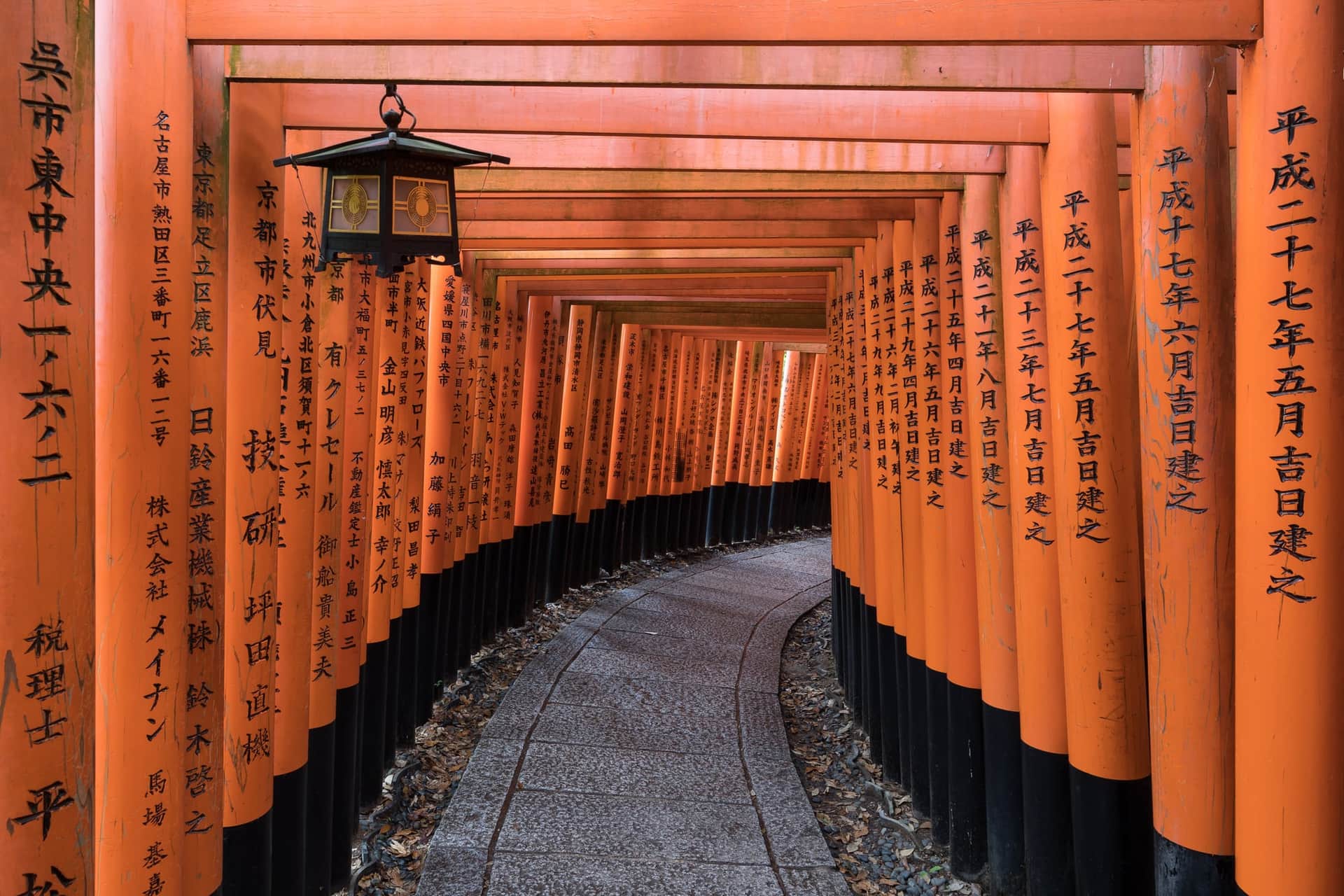
您在通过千本鸟居后到达这座礼拜堂,它位于稻荷山入口的主神社区域之外。这是在开始登山前一个较为安静的停留点,身后是稲荷山的三座山峰。
在场地的右侧,您会发现御母衣石,在许愿后可以抬起灯笼的顶部石头。如果感觉比预期的要轻,据说愿望就会实现。这里也可以获取御朱印,这是开始登山步道前一个很好的休息点。
Okuyashiro Hohaisho
Fushimi, Kyoto