拝観料
未確認
概要
Natural spring water rises from over 30 meters underground at a constant 17-18°C, certified safe to drink and tested yearly. Locals regularly bottle this famous Nishiki no Mizu to take home.
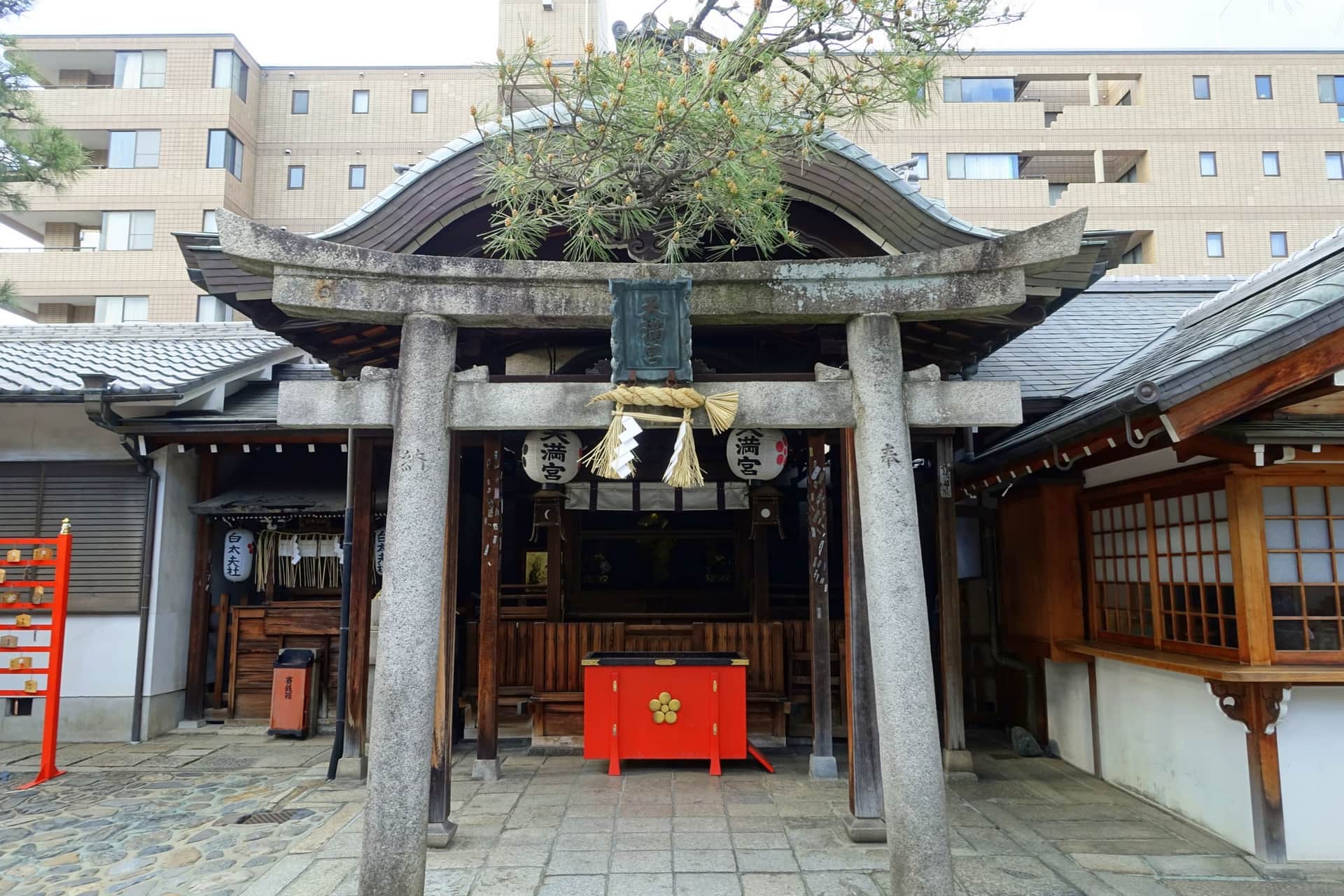
The shrine's torii gate is embedded into the surrounding buildings' walls because it was too sacred to alter when the street was constructed, creating a bizarre architectural feature visible in upper-floor windows.
こちらの神社では2種類の御朱印があります
拝観時間と同じ
通常
¥300
通常
未確認
お賽銭やおみくじ、ロボット式おみくじを利用したいなら、小銭を持って行くと便利です。
Bring a bottle if you want to collect some of the natural spring water called Nishiki no Mizu, which flows from over 30 meters underground at 17-18 degrees Celsius and is certified safe to drink with yearly testing.
Combine your visit with exploring Nishiki Market since the shrine is located at the eastern end of this popular food market, making it easy to experience both the bustling market atmosphere and the tranquil shrine grounds in one trip.
Try the mechanical karakuri omikuji fortune-telling by feeding coins into the glass cases, which activates robotic shishi lions that dance to traditional gagaku court music before delivering your fortune.
この聖地で祀られている神仏
この場所から続けて探せる関連ページです。
この場所がもたらすと信じられているもの
中京区, 京都府 県
300m以内 600m以内

KT400-グランジット 京都河原町
docomo bike share
KT378-皇都ビル(南側)
docomo bike share
KT004-GOOD NATURE STATION
docomo bike share
利用には各事業者のアプリと日本の電話番号が必要です。ドコモ・バイクシェアの1日パスはコンビニで購入できます。 データ出典
最近の投稿 10件
4.0
レビュー1件
Plan to arrive with small coins: you'll want them for offerings, standard omikuji, and especially the karakuri fortune-telling machines. Feed coins into the glass cases and mechanical shishi lions dance to gagaku court music before dispensing your fortune. It's one of those things that sounds gimmicky but lands differently in person.
Also bring an empty bottle. A natural spring called Nishiki no Mizu rises from over 30 meters underground at a steady 17-18 degrees Celsius, and the water is tested yearly and certified safe to drink. It's free to collect and easy to miss if you're not looking for it.
The shrine sits at the eastern end of Nishiki Market, so pairing the two is natural.
 MDPro member
Marie DelaneyPro レビューを投稿しました
Visite incontournable lors d’une cession shopping !
MDPro memberMarie DelaneyPro が御朱印を投稿しました
MDPro memberMarie DelaneyPro がチェックインしました
Nishiki Tenmangu
Nakagyo, Kyoto