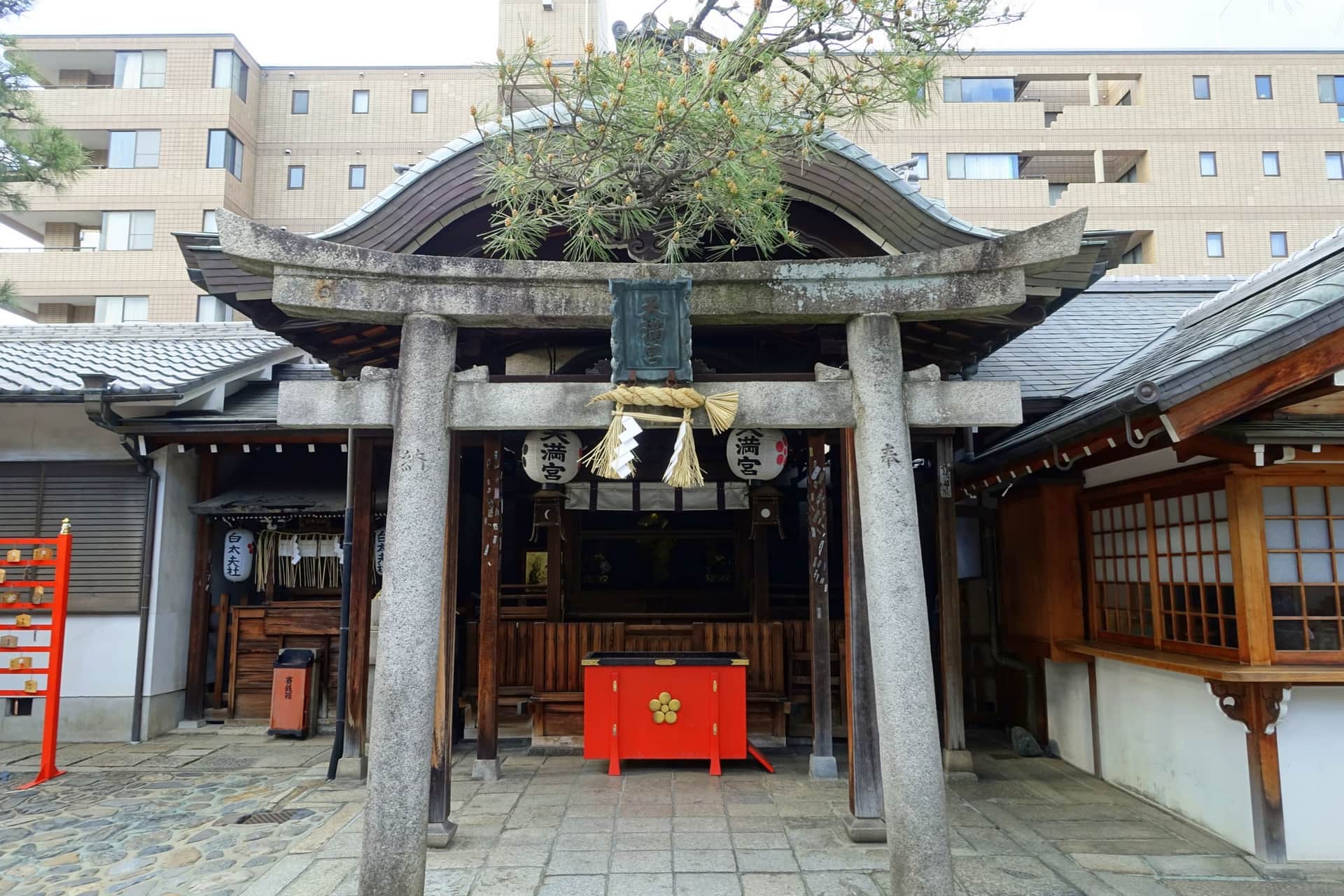
拝観料
未確認
概要
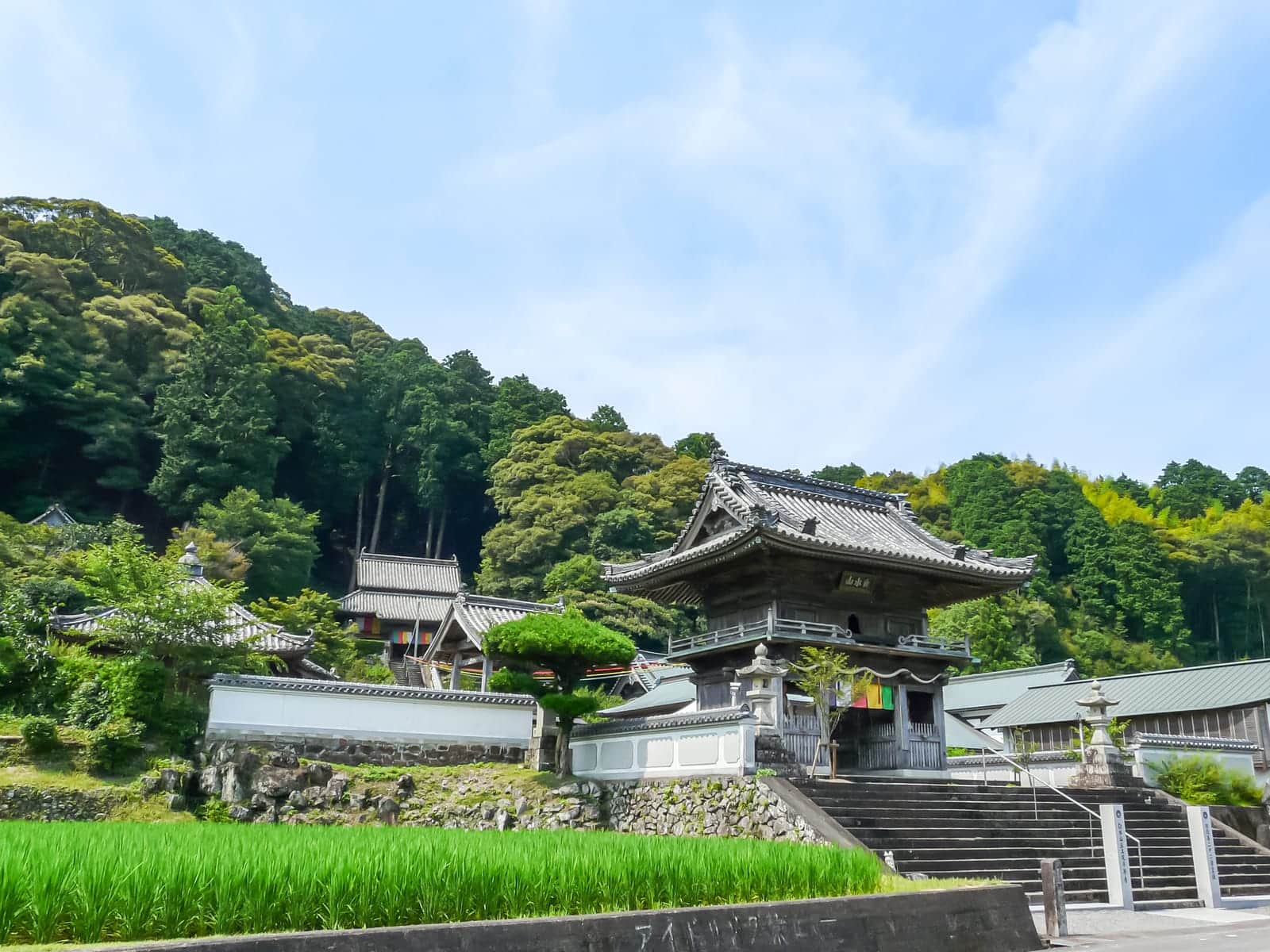
By the 15th century, Bukkō-ji had grown so successful it rivaled Hongan-ji itself, with branch temples spreading across western Japan before being forced into subordination in 1481.
Bukkō-ji was renamed in 1329 specifically to distance itself from its rival Hongan-ji, a deliberate act of institutional separation that shaped Kyoto's Buddhist landscape for centuries.
こちらの寺院では御朱印を頂けますが、まだ写真がありません。あなたの御朱印を最初に共有しませんか?
未確認
Arrive by 10 am if you want to visit the D&Department Kyoto Cafe and shop, since both close at 4 pm and tend to get busier in the afternoon.
The temple is a 10 to 15 minute walk from Shijo Kawaramachi Station on the Hankyu line or Shijo Karasuma Station on the Kyoto subway, making it more convenient than relying on buses if you're coming from central Kyoto.
Plan your visit for late March or early April to see the weeping cherry blossoms on the temple grounds, which create a distinctly different atmosphere than other seasons.
Combine your visit with nearby temples like Kenninji, Kodaiji, or Kiyomizudera since Bukkoji is within walking distance of all three. This lets you experience multiple important temples in one afternoon without backtracking through Kyoto.
最近の投稿 0件
参拝の感想を共有して、他の旅行者を助けましょう。
公開されている投稿はまだありません。
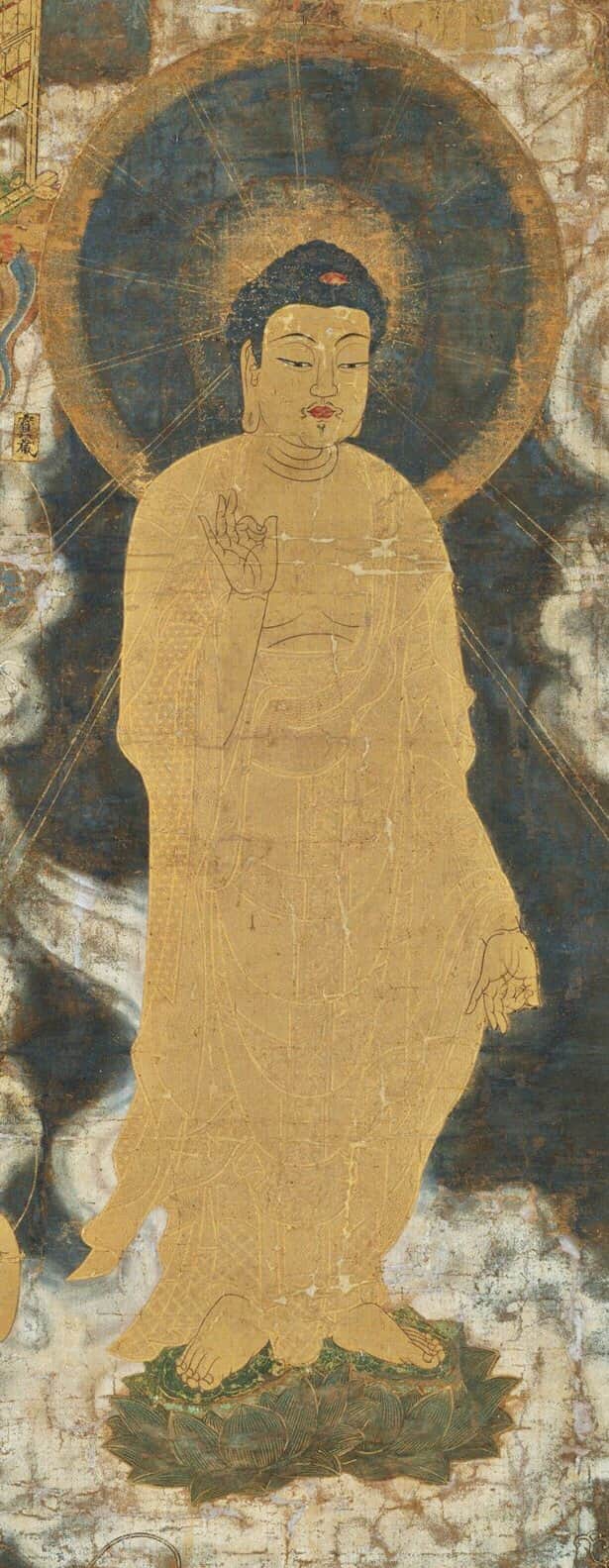
この聖地で祀られている神仏
この場所がもたらすと信じられているもの
下京区, 京都府 県
この場所から続けて探せる関連ページです。
300m以内 600m以内
KT341-minato hotel
docomo bike share

レタンドゥラメールCKⅥ
HELLO CYCLING
KT245-コワーキング∞ラボ京創舎
docomo bike share
利用には各事業者のアプリと日本の電話番号が必要です。ドコモ・バイクシェアの1日パスはコンビニで購入できます。 データ出典