Régulier
¥300
En bref
The first thing that grips you at Sensō-ji is the sense that this place has never been merely a monument. It is a living center of devotion, crowded with pilgrims, day-trippers, and local worshippers, yet still anchored by a single hidden image of Kannon, the bodhisattva of compassion. Founded in 628, and known formally as Kinryū-zan Sensō-ji, this is Tokyo’s oldest temple and one of Japan’s most visited sacred sites, drawing more than 30 million visitors a year. The temple’s heart is famously unseen, because the principal image has been kept out of public view for centuries. That mixture of revelation and concealment, ritual and street life, gives the whole precinct its unforgettable character.
The temple’s origin story is one of the best-known in Japan. According to tradition, on the morning of March 18, 628, two fishermen, Hinokuma Hamanari and his brother Takenari, were fishing in the Sumida River when they found a small statue in their net. Their village headman, Haji no Nakatomo, recognized the figure as Avalokitesvara Bodhisattva, called in Japan Kannon or Sho Kanzeon Bosatsu, and devoted himself to Buddhist practice. He converted his home into a temple and spent the rest of his life in worship and memorial services. In 645, the priest Shokai arrived in the area and built a hall for the image. After receiving a revelation in a dream, he decided to conceal the statue from view. Since then, the sacred image has remained hibutsu, never publicly unveiled.
That hidden status is one of the great defining features of Sensō-ji. In the mid-ninth century, the renowned Tendai priest Ennin visited and created a replica image, also associated with the temple’s devotional life, so that something could be shown occasionally to the public. Through the Kamakura period (1185 to 1333), the temple attracted the devotion of shoguns, military leaders, and literati. Its status rose again in 1590, when Tokugawa Ieyasu, the first Tokugawa shogun, designated it as the temple for shogunal prayers. During the Edo period (1603 to 1867), successive shoguns visited, and devotion to Kannon spread widely among common people. As Edo grew into one of the world’s largest cities, Asakusa developed into a major cultural center, later associated with theater, film, music, and vaudeville in the modern era.
The temple was devastated in the 10 March 1945 firebombing of Tokyo during World War II. The main hall was rebuilt in the 1950s, specifically 1958, using donations from supporters across Japan. After the war, in 1950, Sensō-ji became independent, having previously been associated with the Tendai school. That sequence, destruction followed by rebuilding, is central to the way people understand the temple today, as both an old sanctuary and a place that was restored by collective faith.
Sensō-ji’s precinct is defined by a procession of gates and halls that shape the visitor’s experience from the first step. The best-known entrance is Kaminarimon Gate, often translated as the Thunder Gate, whose massive red lantern has become one of Tokyo’s most recognizable images. Passing through it, visitors enter Nakamise-dōri, the approach street lined with shops selling traditional snacks, souvenirs, and crafts. The street is not an incidental extra. It is part of the temple’s ritual atmosphere, extending the transition from ordinary city life into sacred space.
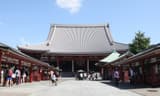
Beyond Nakamise lies Hōzōmon Gate, commonly called the Nio-mon Gate, and also Niten-mon Gate, both important architectural markers within the grounds. The complex also includes the striking five-story pagoda, one of the temple’s best-known landmarks. Nearby are Bentendo Hall, Awashimado Hall, Yogodo Hall, and the Main Hall, or Kannon-do. The main hall’s roof is especially notable: it rises in a dramatic slope, taller and more emphatic than what many visitors expect of a temple building. The structure is divided into the naijin or inner sanctuary and the gejin or outer sanctuary, and the principal image rests in a miniature temple inside the inner space. That small inner shrine, locked and protected, reinforces the paradox at the center of the site, public worship around an image that remains unseen.
One of the temple’s most important surviving treasures is Denboin and its garden, designated a National Scenic Beauty Site. The grounds are not only built space but carefully composed landscape, where the architecture and garden together guide movement, pause, and contemplation. In the Main Hall, there are also two calligraphic masterpieces by Noguchi Sekko, one of the Three Best Calligraphers of the Edo Period, with texts quoting Hanjusan by Shan-tao of the Pure Land tradition. Even in calligraphy, the temple’s message is one of compassion and equal regard for all beings.
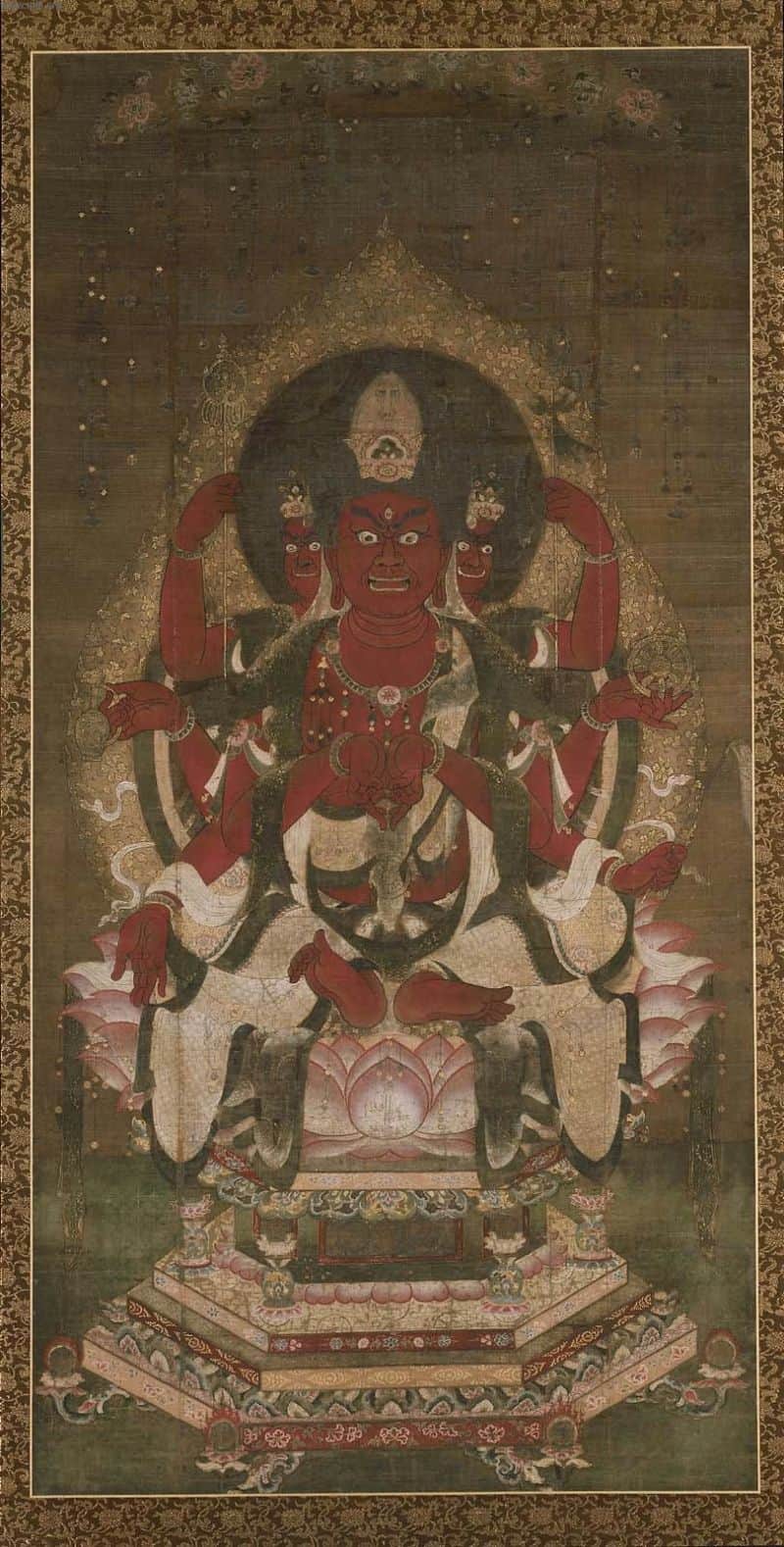
The temple is dedicated to Kannon, the bodhisattva of mercy and compassion, who responds to suffering with boundless benevolence. In Japanese Buddhism, Kannon appears in multiple forms, including Juichimen with 11 faces, Senju with 1,000 hands, and Nyoirin, associated with the wish-granting jewel and the Dharma wheel. Sensō-ji’s principal image embodies the basic form, one face and two hands, but the theology around it extends far beyond a single icon.
This is also an active pilgrimage site. Sensō-ji is the 13th stop on the Bandō Sanjūsankasho pilgrimage route, and it receives worshippers from across Japan and beyond. The temple’s own materials state that it draws around 30 million visitors each year, making it one of the most frequented religious sites in the world. Devotion here is visible in simple gestures, especially the prayer taught to visitors at the main hall: place your hands together and chant “Namu Kanzeon Bosatsu”, meaning “I place my trust in Bodhisattva Kannon.”
Several auxiliary halls deepen the temple’s devotional life. Yogodo Hall houses eight Buddhas connected with the Yogoshu, protectors associated with the Chinese zodiac, each thought to watch over those born in certain years. Awashimado Hall and Bentendo Hall add further layers of worship and local practice. The presence of these subsidiary cults makes Sensō-ji feel less like a single shrine to a single deity and more like a whole religious landscape.
Sensō-ji was first established in what was once a fishing village at the edge of the Sumida River, in the wild landscape of Musashino near the estuary of Tokyo Bay. That origin matters, because the temple’s present urban intensity hides the fact that it began at a watery frontier. Even now, the temple’s setting reflects that relationship between the sacred and the changing city. Asakusa is dense and energetic, yet the temple precinct creates intervals of quiet, especially in early morning or after dark.
The garden of Denboin offers a more deliberate encounter with nature. Its designation as a scenic site points to the care with which this environment has been shaped. Seasonal changes, the view of the pagoda, and the contrasts between open courtyards, wooden halls, and planted spaces all contribute to the atmosphere. The temple’s tall rooflines and pagoda are visible markers above the district, but the interior experience is more intimate, with incense smoke, bells, and the movement of people slowing as they pass from gate to gate.
For today’s visitor, Sensō-ji is both a major religious site and a place where the texture of Tokyo’s older culture is still easy to feel. The route itself is part of the experience, from Kaminarimon through Nakamise-dōri to the main hall. You can obtain scarlet seal stamps at the temple, visit the halls one by one, or simply stand for a moment in front of the incense burner and watch the flow of people around you. The temple’s modern popularity never fully overwhelms its devotional core, because the route, the hidden image, and the prayer practice all keep reminding you that this is a functioning Buddhist sanctuary.
Sensō-ji’s fame comes from more than age alone. It has survived political transformation, wartime destruction, postwar rebuilding, and the relentless expansion of the city around it. Yet the essential story has remained stable for nearly fourteen centuries, a fisherman’s net, a hidden statue, a community turned toward compassion. That is why the temple continues to matter so widely, not only as an icon of Asakusa or Tokyo, but as a place where Japanese Buddhist devotion, urban history, and popular culture still meet in one remarkably alive space.
Fondée en 628 apr. J.-C., lorsque deux frères pêcheurs ont retiré une statue de Kannon de la rivière Sumida, les frères eux-mêmes ont été consacrés comme divinités au sanctuaire d’Asakusa voisin.
À Kaminarimon, le gigantesque lanternon emblématique du temple sous lequel passent la plupart des visiteurs cache, sur sa face inférieure, une sculpture de dragon détaillée. Levez les yeux en dessous pour repérer ce détail secret.
Ce temple offre 5 designs de goshuin différents
Régulier
¥300
Régulier
Régulier
¥500
Édition limitée
¥2 000
Régulier
Équipements
Boutique et souvenirs
Ne manquez pas de regarder le dessous de la grande lanterne rouge à la porte de Kaminarimon : vous y trouverez des sculptures de dragons complexes que la plupart des visiteurs ignorent en photographiant l’avant.
Visitez tôt le matin (vers 6-7 h) ou après le coucher du soleil pour profiter du temple avec moins de monde et admirer l’éclairage nocturne, qui offre une ambiance totalement différente de celle des heures de pointe.
Prévoyez du temps pour explorer la rue commerçante Nakamise-dori menant au temple. Vous pourrez goûter des snacks traditionnels faits sur place, comme le ningyo-yaki (petits gâteaux) et le korokke chaud, en parcourant des boutiques de souvenirs traditionnelles et modernes.
Le temple est facile d’accès : la gare d’Asakusa dessert quatre lignes (Ginza, Toei Asakusa, Tobu Skytree et Tsukuba Express) et se trouve à 5 minutes à pied. Vous pouvez aussi l’associer à d’autres arrêts à Tokyo.
Les esprits divins vénérés en ce lieu sacré
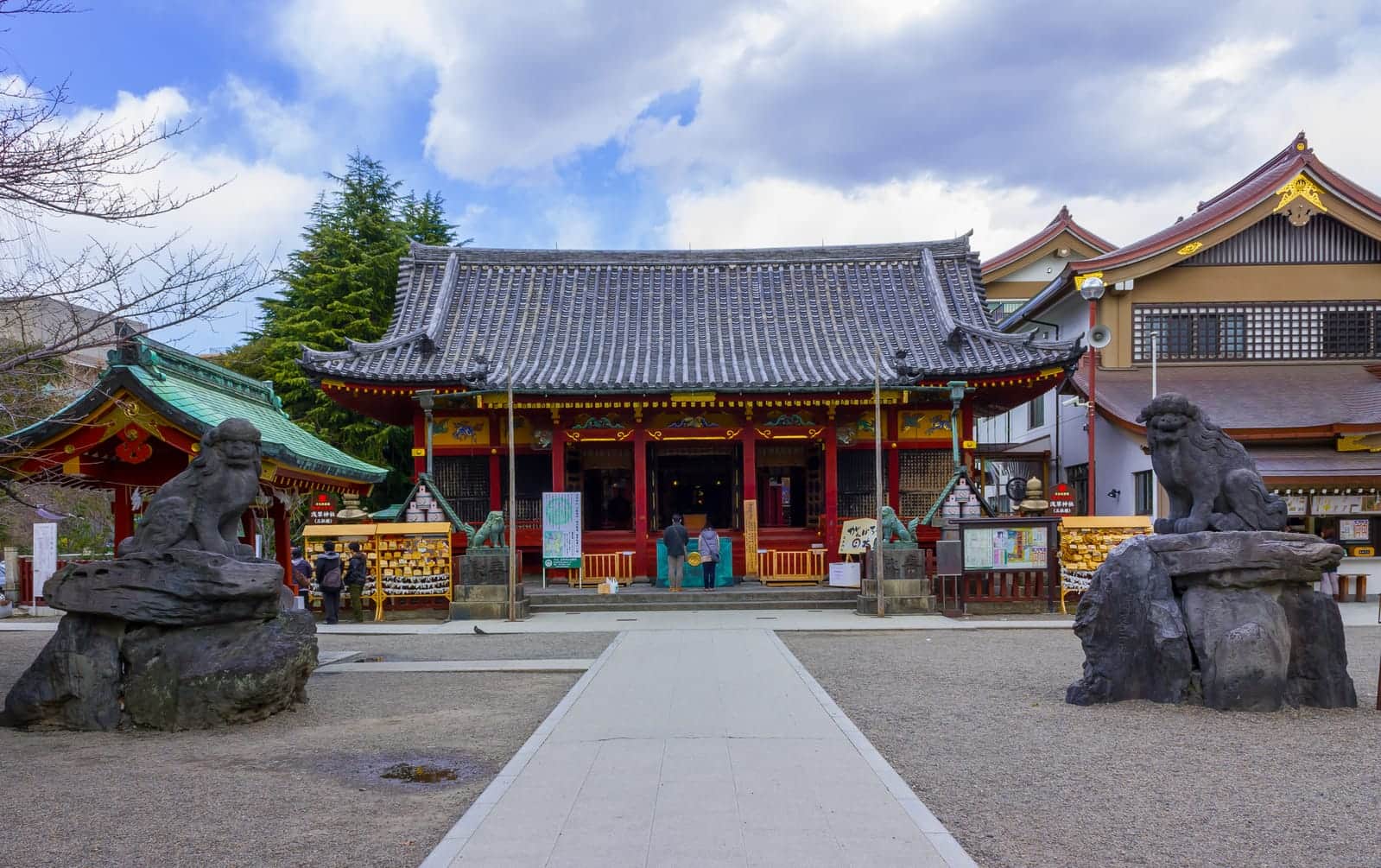
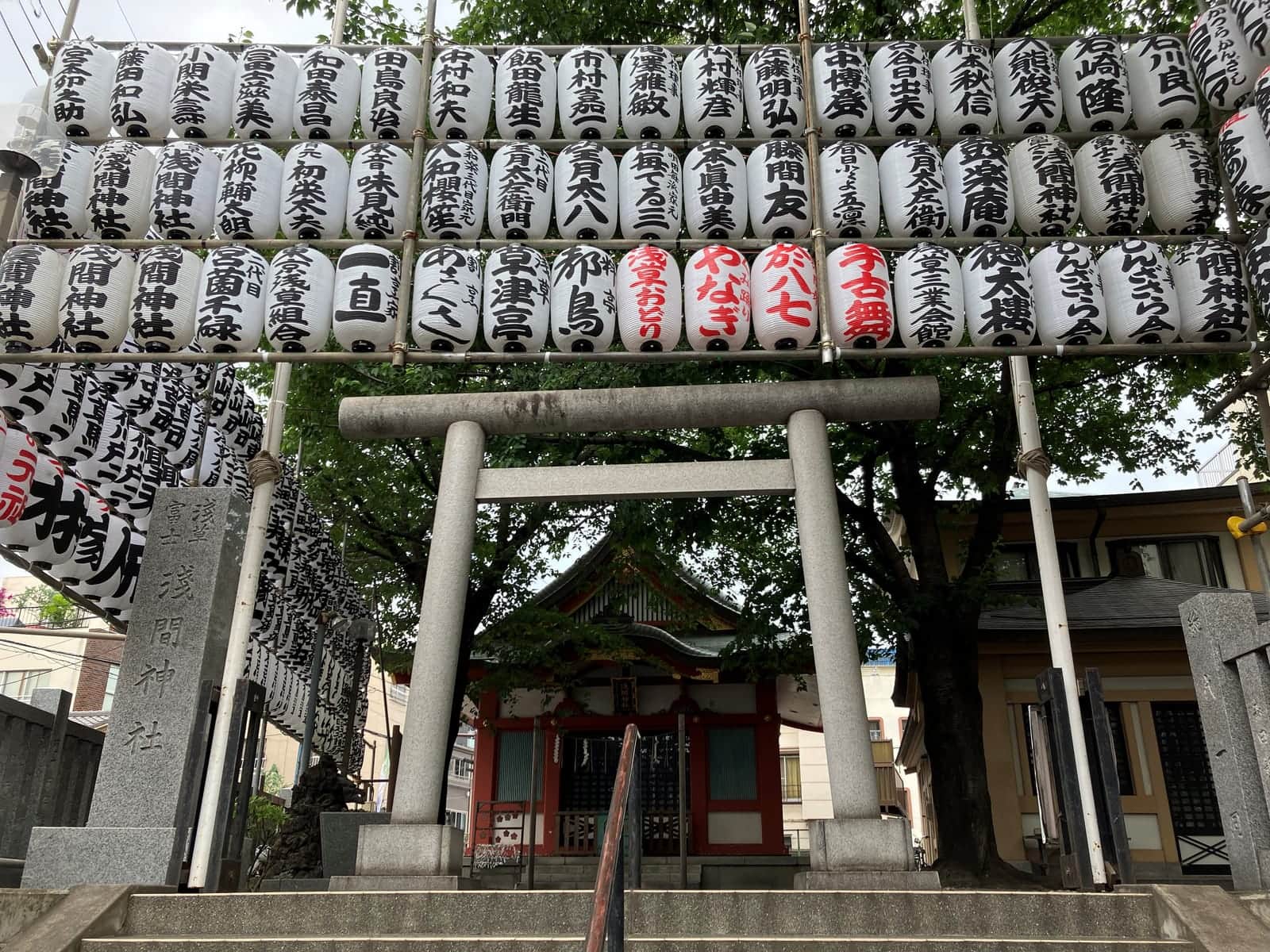
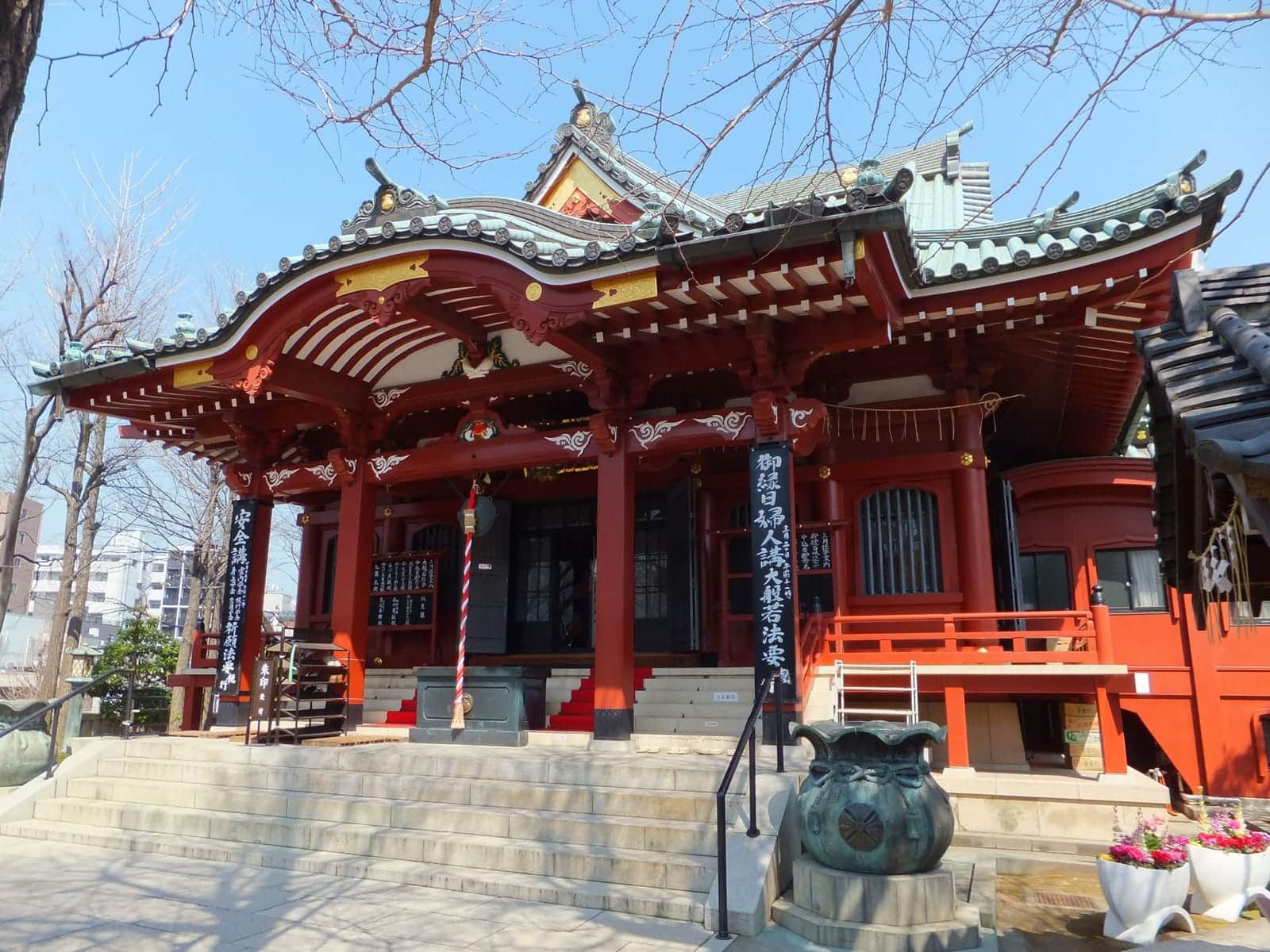
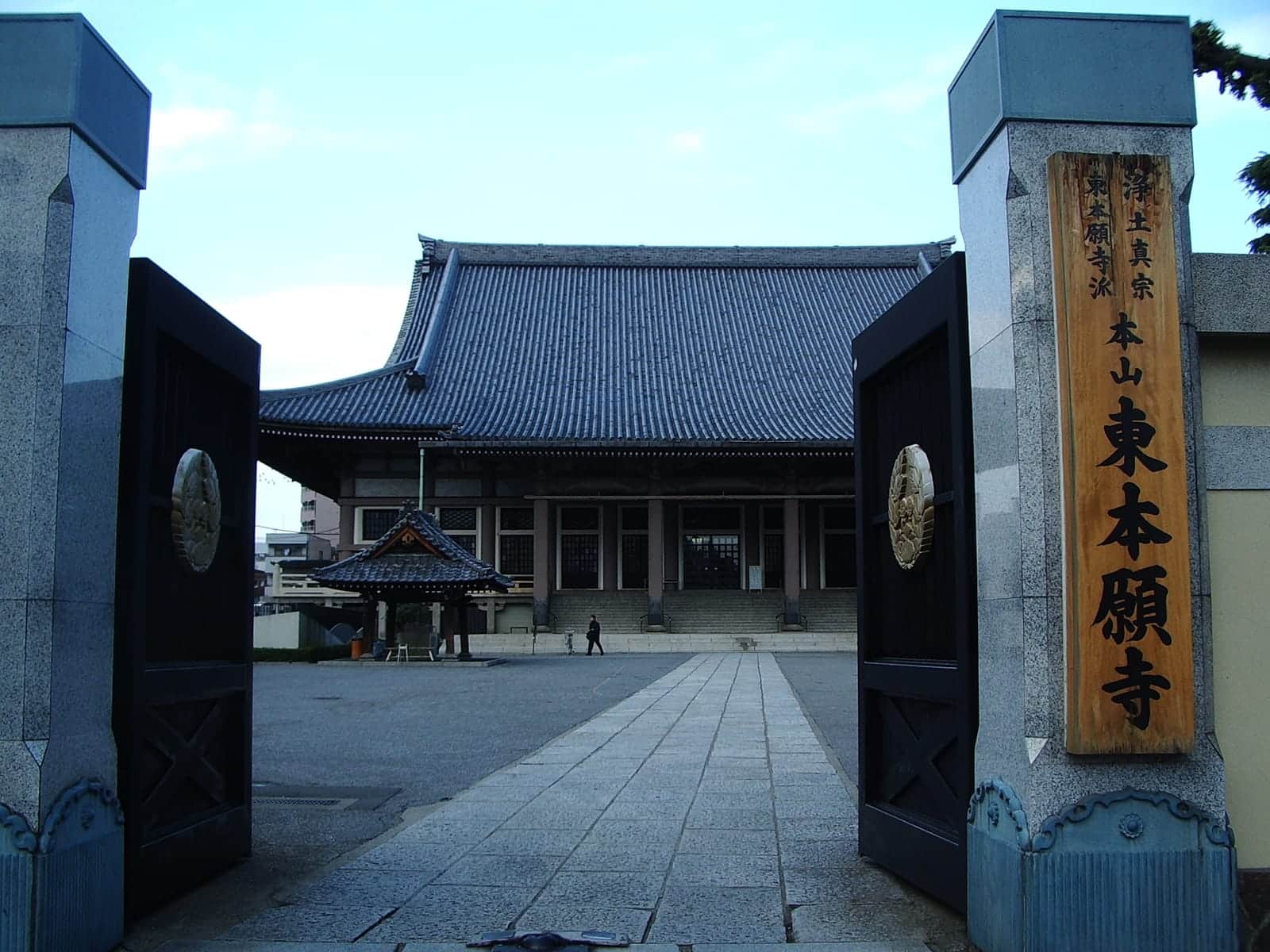
5 structures sur le site
Célébrations saisonnières et occasions spéciales
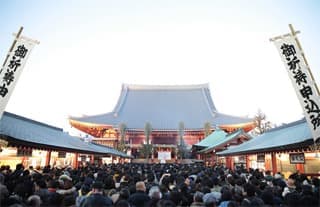
Hatsumode
First Temple Visit of the Year. To pray for safety, good health and good harvest throughout the coming year.
Setsubun
Spring Celebration. To celebrate the coming of spring, dried beans are thrown to drive out evil and bring in good luck.
Honzon Jigen-e
Celebration of the Appearance of the Bodhisattva Kannon, the principal image of Senso-ji.
Affluence typique
Animé
Durée de visite
90+ minutes
Aussi connu sous le nom de Kinryuzan
Taito, Tokyo Préfecture
Ce que ce lieu est censé accorder
Autres pages utiles liées à ce lieu.
Moins de 300 m Moins de 600 m
Données horaires : Public Transportation Open Data Center

OTHER SPACE Asakusa
HELLO CYCLING

F2-07.台東区民会館・東京都立産業貿易センター台東館
docomo bike share
野乃 浅草
HELLO CYCLING
La location nécessite l'application de l'opérateur et un numéro de téléphone japonais. Les pass journée docomo sont vendus dans les supérettes. Sources de données
87 publications récentes
4.7
17 avis
La station Asakusa vous place à cinq minutes de la porte, avec quatre lignes qui la desservent (Ginza, Toei Asakusa, Tobu Skytree et Tsukuba Express), ce qui permet de l'intégrer facilement dans une journée plus large à Tokyo. Visez 6h à 7h du matin si vous voulez avoir les lieux pour vous seul, ou revenez après le coucher du soleil lorsque les lanternes s'illuminent et que l'ensemble du lieu semble plus calme et plus étrange qu'à midi.
Avant de franchir la porte Kaminarimon, levez les yeux vers le dessous de la lanterne rouge géante, où des sculptures de dragons se cachent à la vue de tous pendant que tout le monde photographie la façade.
Alexandre Feutren s’est enregistré
Senso-ji
Taito, Tokyo
 HR
HRHuub Rietmann s’est enregistré
Senso-ji
Taito, Tokyo
 WP
WPWilliam Perez s’est enregistré
A little full today :/
Senso-ji
Taito, Tokyo