
Templo
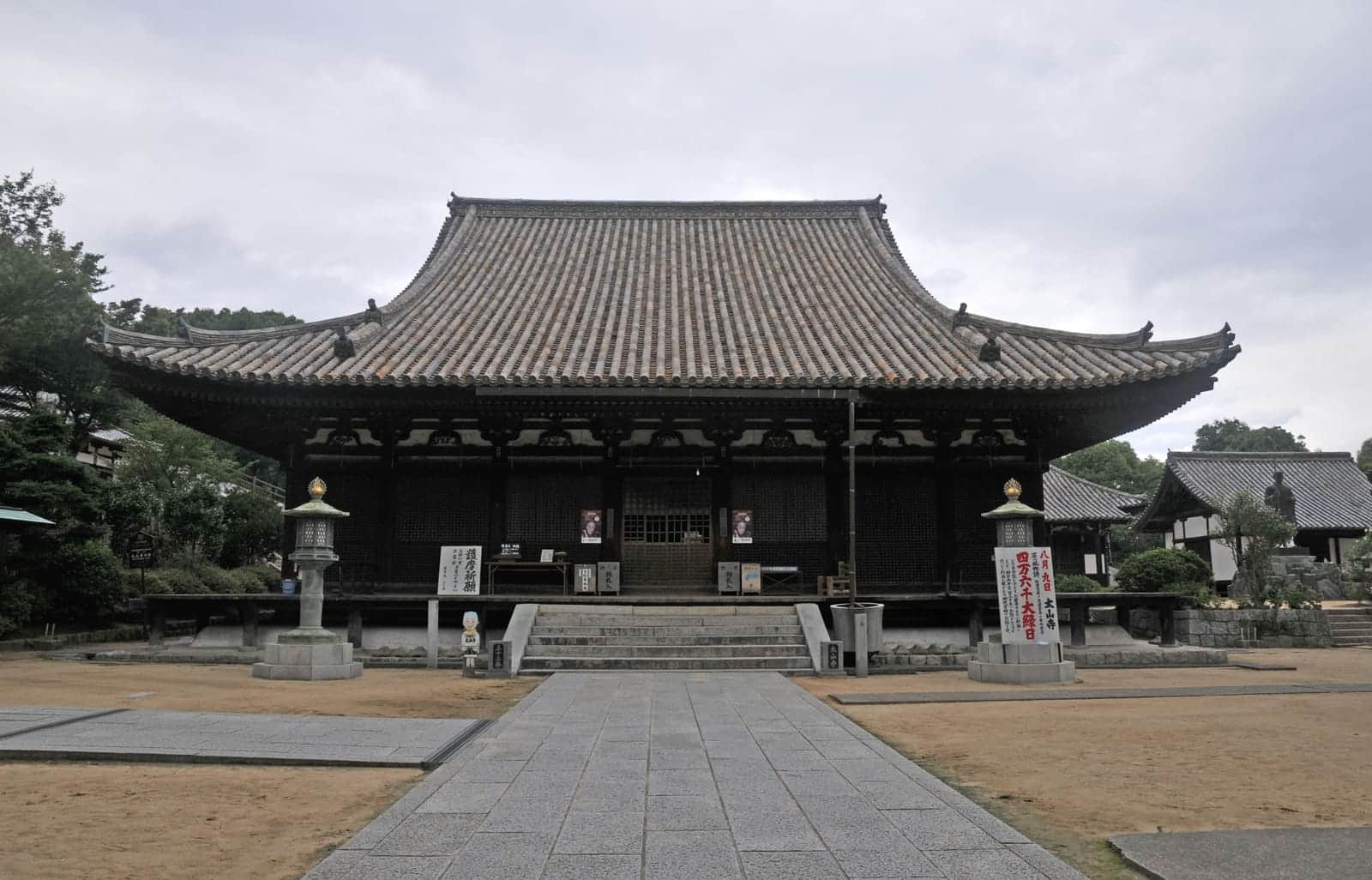
Taisan-ji
Matsuyama•2.4km(30 minutos a pie)
De un vistazo
The daishi-do hall bristles with elaborate tile dragons and a rare winged beast over the porch. Legend says the dragon's eyes glow when it spots someone with bad intentions.
The temple houses the oldest surviving copper name slip on the Shikoku Pilgrimage, discovered in 1924 by an American professor. It's the first documented use of the word 'henro' (pilgrim).
Igual que el horario de apertura
Este templo ofrece goshuin, pero aún no tenemos fotos. ¡Sé el primero en compartir el tuyo!
Los espíritus divinos venerados en este lugar sagrado.
Celebraciones estacionales y ocasiones especiales.
Kirishitan Stone Lantern
A highlighted stone lantern associated with hidden Christian worship at the temple.
Dragon by Hidari Jingoro
A 5-meter-long dragon carving highlighted as a notable temple feature.
Kannondo
A hall housing a Juichimen Kannon statue and noted for a Keicho-era pedestal inscription.
Sin confirmar
Más páginas relacionadas con este lugar.
Matsuyama, Ehime Prefectura
Lo que se cree que concede este lugar
Menos de 300 m Menos de 600 m
0 publicaciones recientes
Comparte cómo fue tu visita para ayudar a otros viajeros.
Todavía no hay publicaciones públicas de la comunidad.

