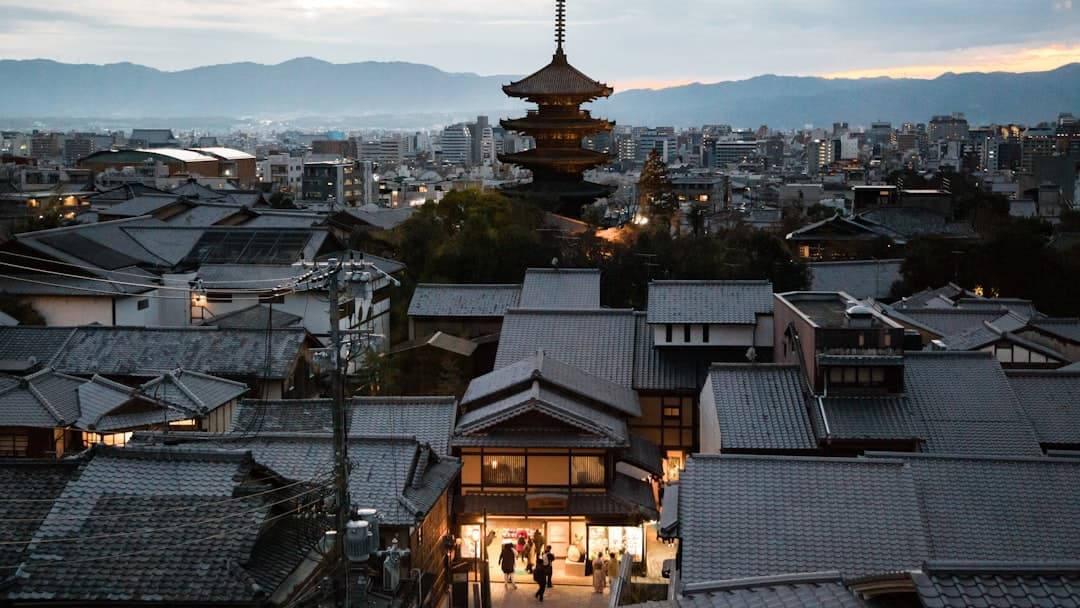
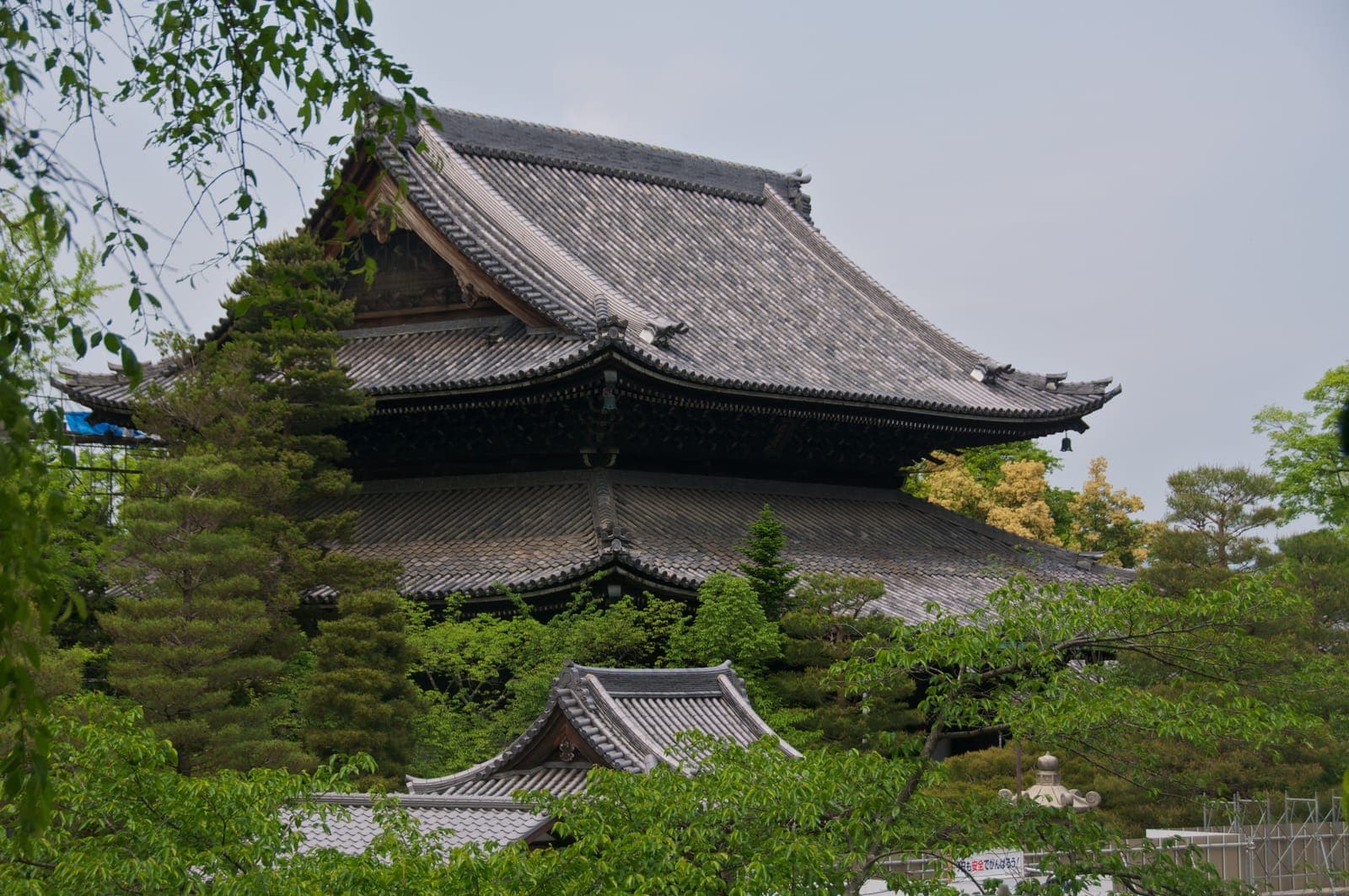
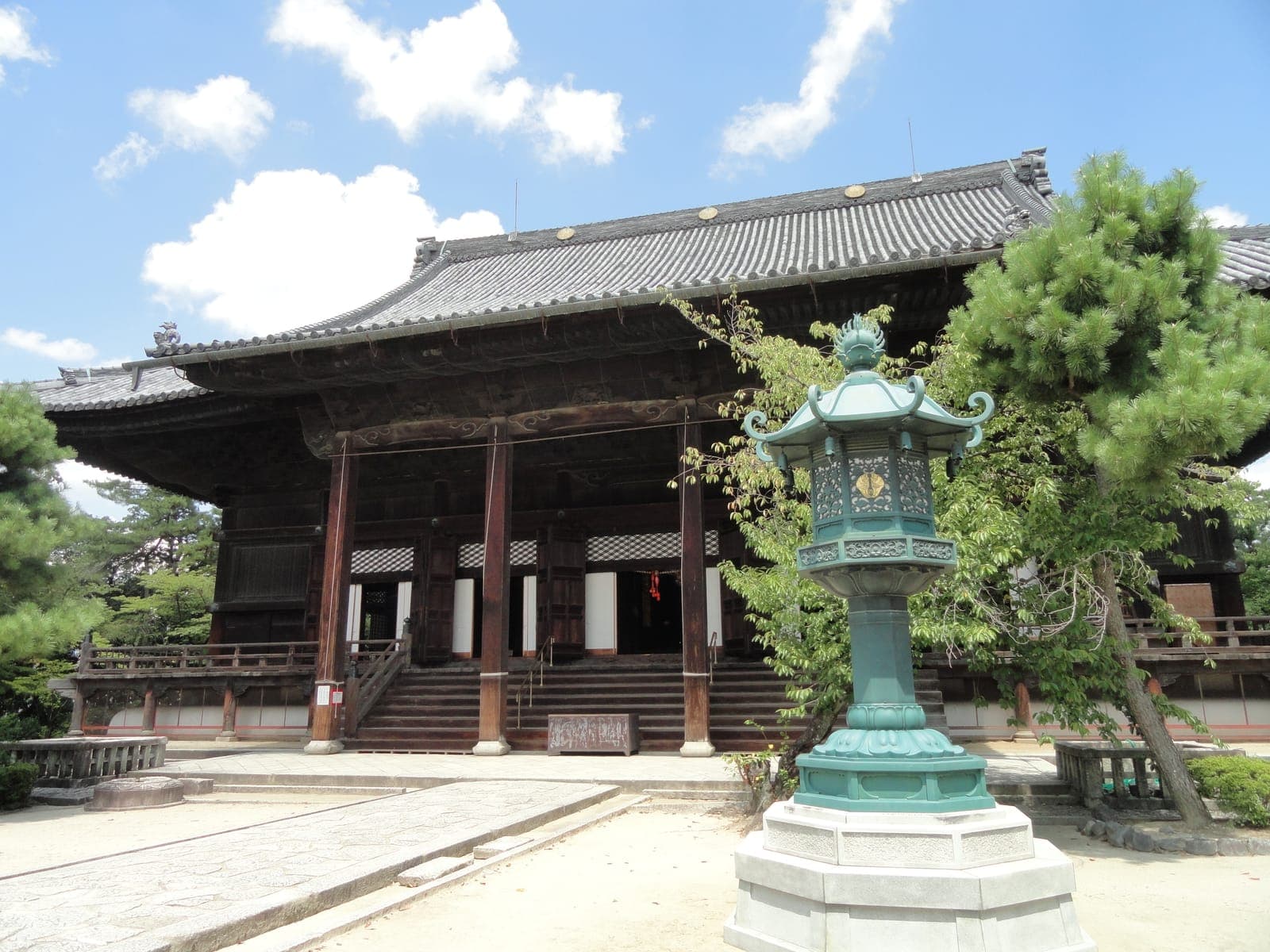
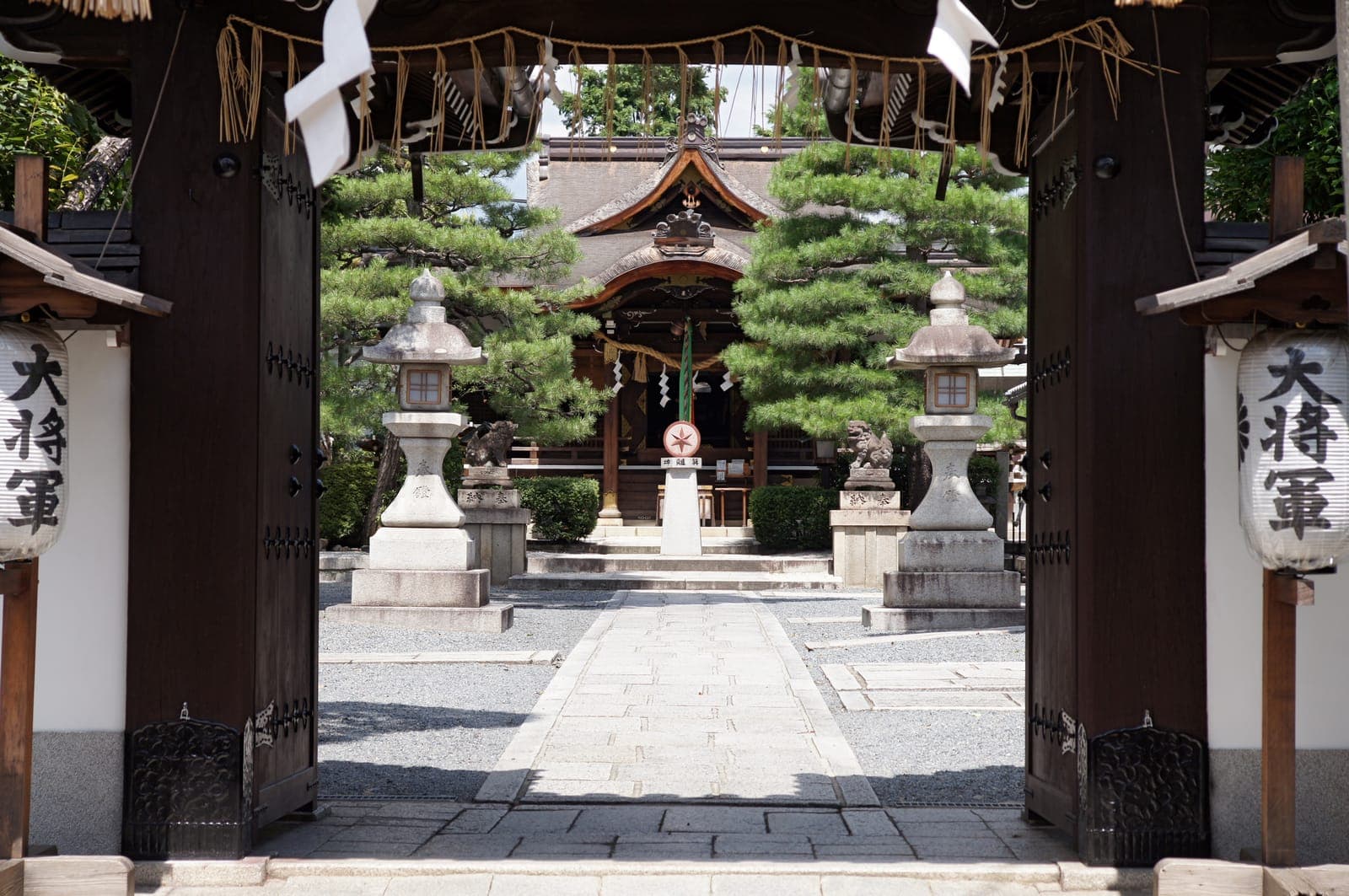
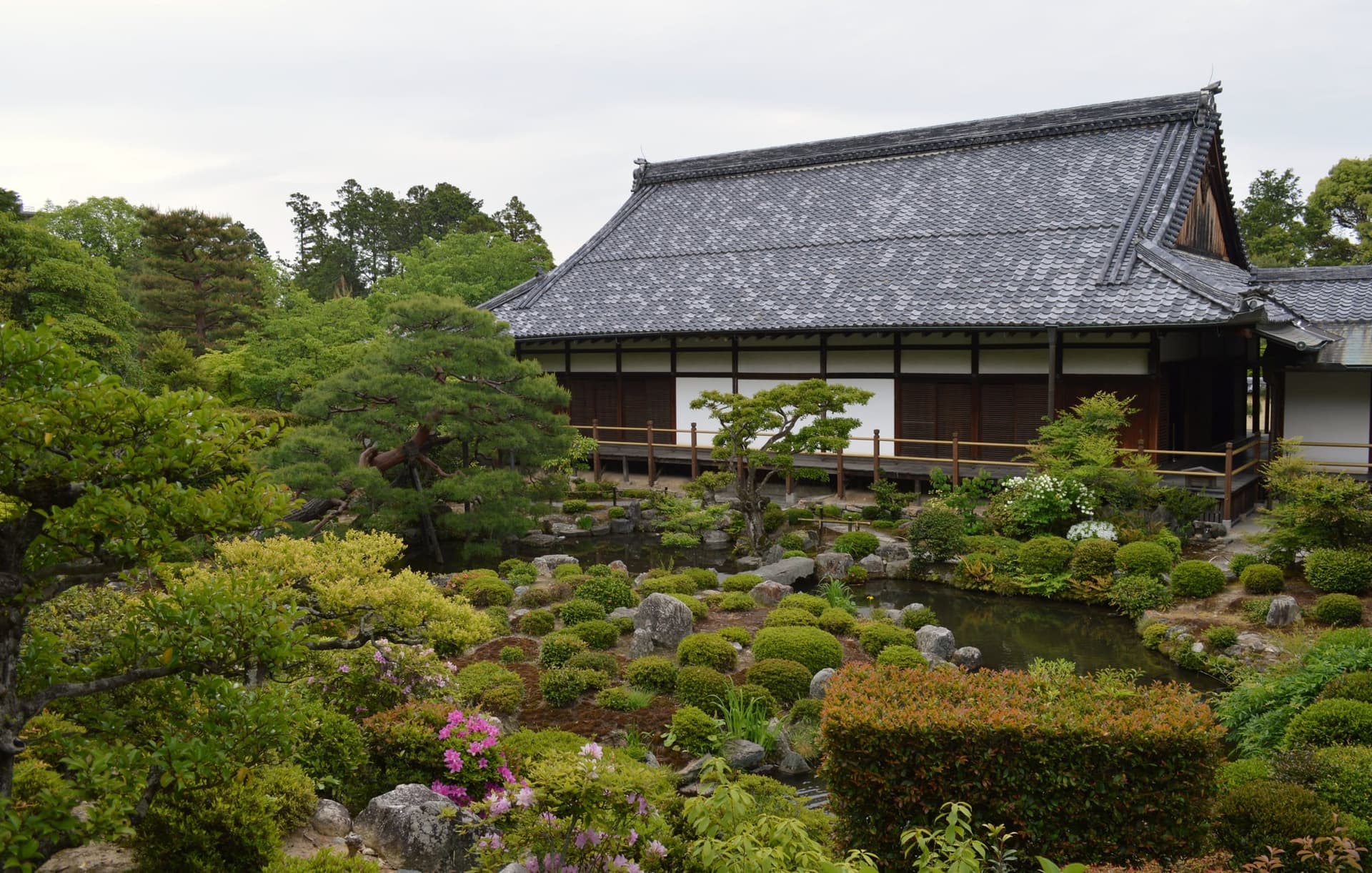
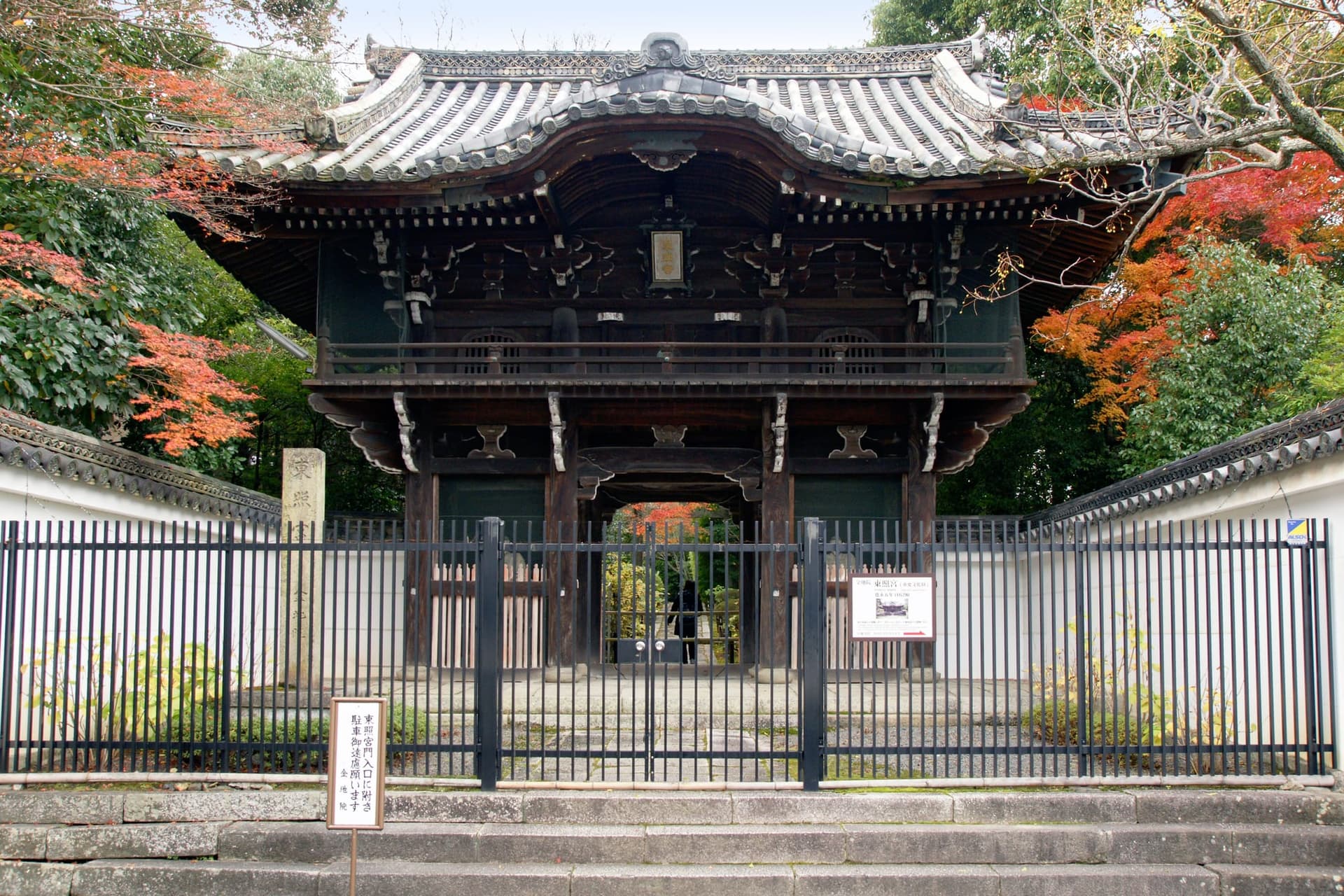
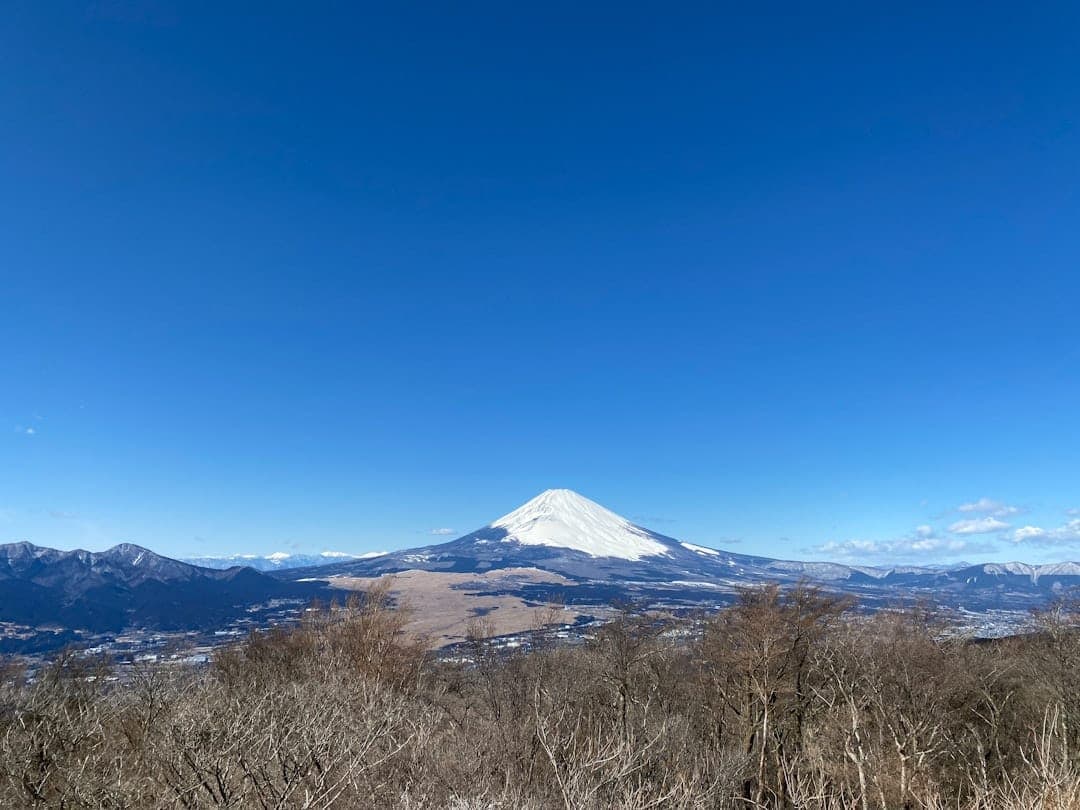
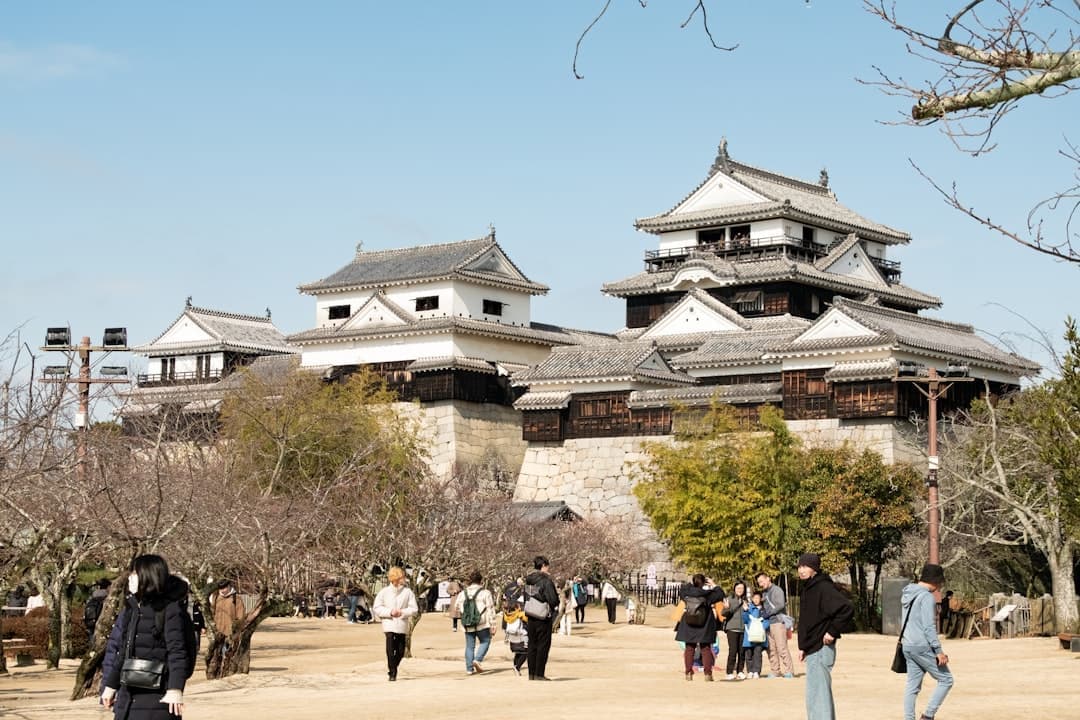
La prefectura de Kioto está en la región de Kansai del oeste de Japón y es conocida por su larga historia como centro de la cultura japonesa. Incluye la ciudad de Kioto, antiguos sitios imperiales, muchos templos y santuarios, y zonas pintorescas como la costa de Tango y las montañas rurales del norte.
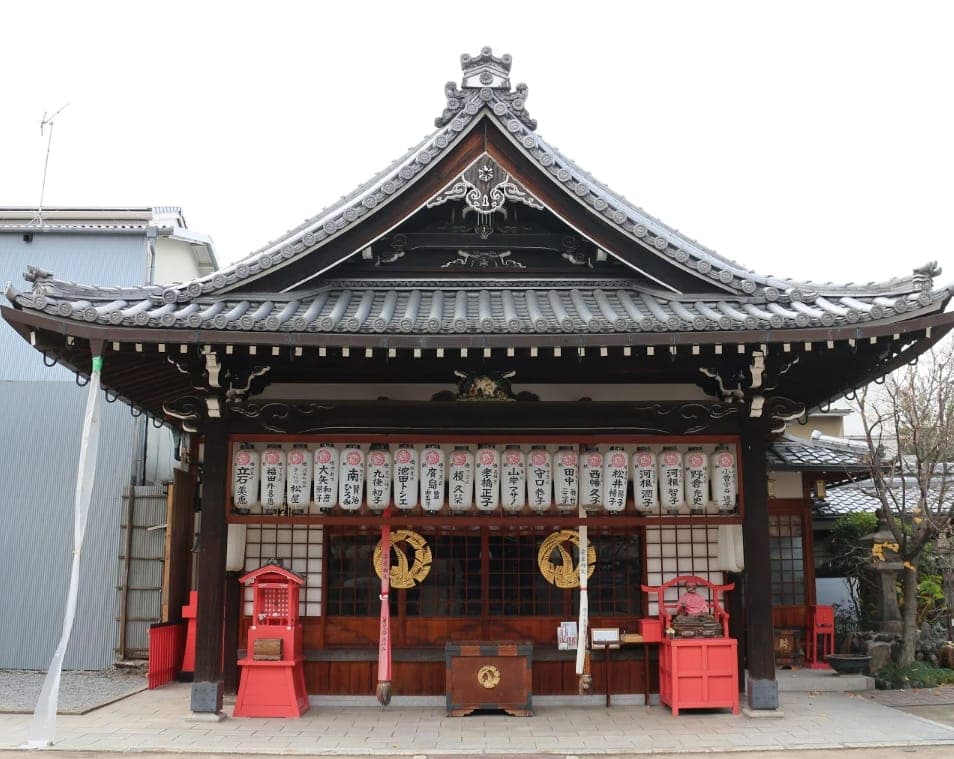
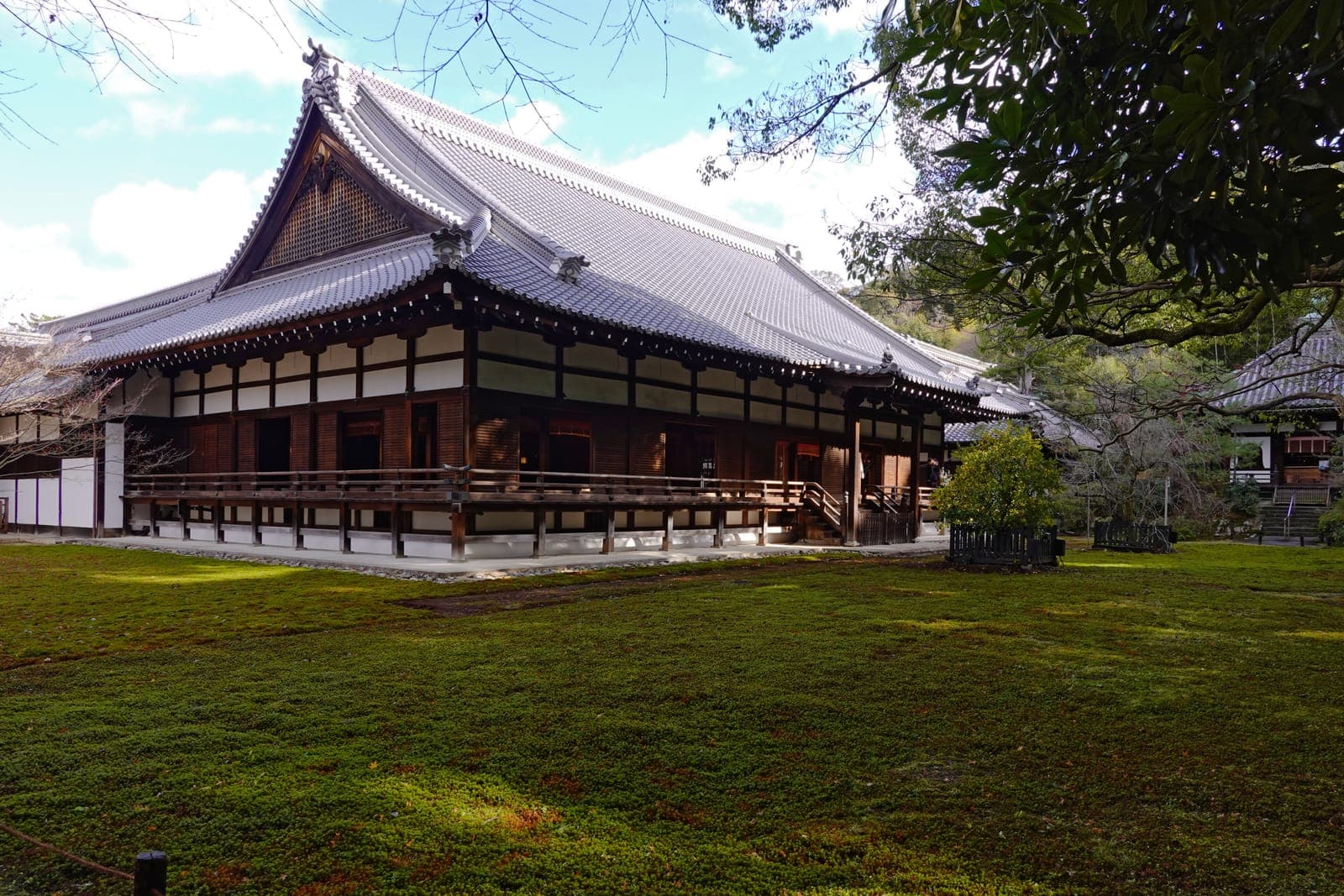
Shorenin es un templo monzeki de la escuela Tendai ubicado en el distrito Higashiyama de Kioto, al norte de Chionin, reconocido por sus jardines y sus conexiones históricas con la corte imperial de Japón. Fundado en 1150, sigue siendo un sitio cultural...
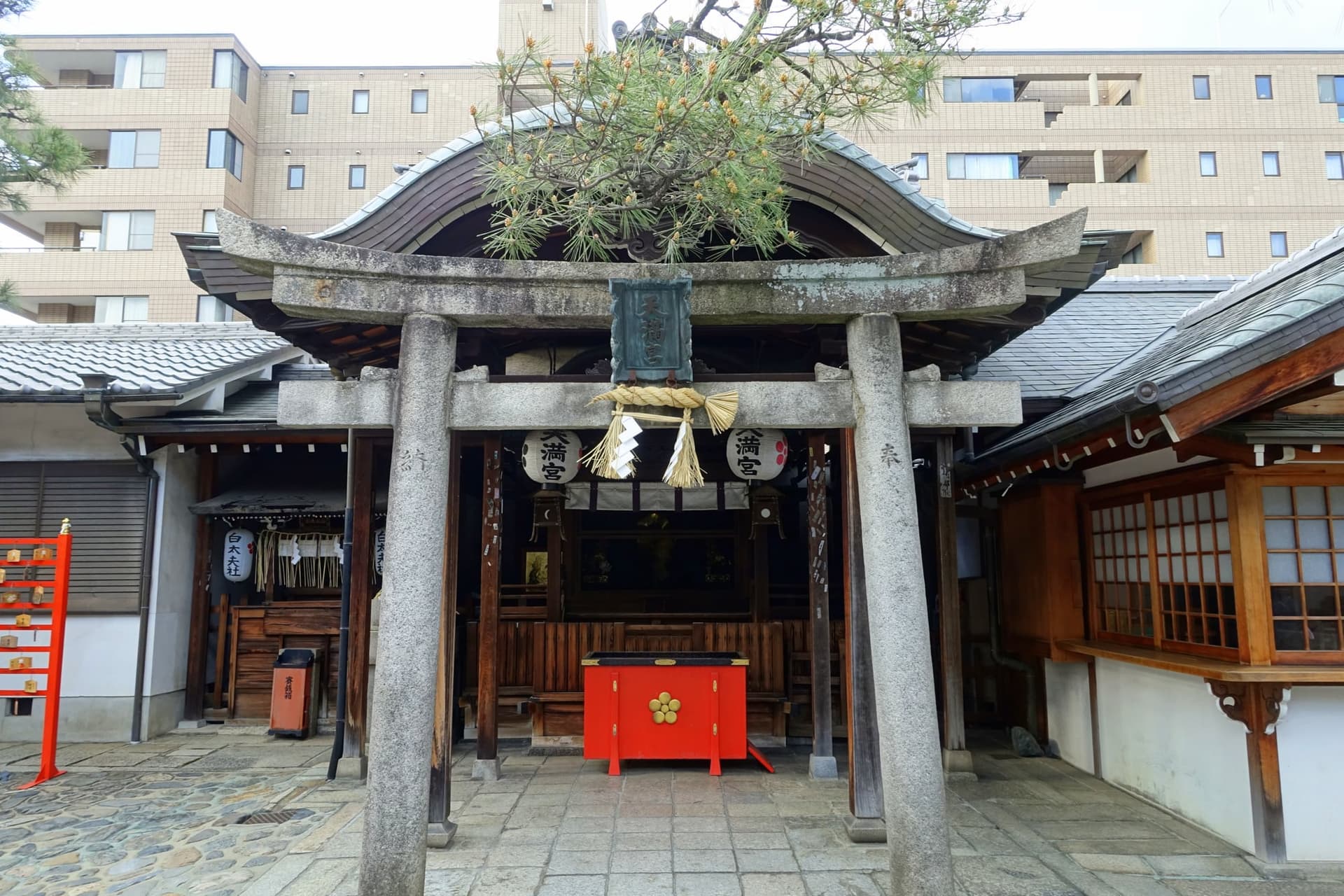
One of Japan's three great Ebisu shrines, dedicated to Ebisu, the patron of fishermen and merchants. Located near Kenninji in Higashiyama, it hosts the famous Tōka Ebisu festival each January, drawing visitors seeking lucky bamboo for business fortune.
¿Por qué deberías ir?
Visit during weekdays outside the January 8-12 Tōka Ebisu festival window if you want a quieter experience, as thousands of business owners and luck-seekers converge on the shrine during this five-day period to purchase blessed lucky bamboo and charms. If you do come during Tōka Ebisu, arrive early in the morning to beat the crowds and have a better chance of interacting with the shrine maidens and geisha apprentices distributing the fukuzasa.
If you visit during Tōka Ebisu in January, plan to purchase a fukuzasa (lucky bamboo branch) and customize it with charms that match your intentions, such as treasure boats for wealth, red sea bream for business success, or shrine maiden bells to call luck to you. Each charm carries its own lucky meaning in Japanese culture, so take time to select ones that align with what you're hoping to attract.
Look around the shrine grounds for stone carvings and statues of Ebisu holding his fishing rod and red sea bream, as these images appear throughout the sanctuary and help you understand why he's the patron deity of fishermen and merchants.
Templo Patrimonio Mundial de la UNESCO en Uji, famoso por el Pabellón del Fénix (Hōōdō) en la moneda de 10 yenes. Construido en 1052 en el periodo Heian, ejemplifica la arquitectura budista de la Tierra Pura con la estatua de Buda Amida y su elegante reflejo...
¿Por qué deberías ir?
El interior del Salón Fénix (Hōōdō) requiere una tarifa adicional de 300 yenes y funciona con entrada por horario y capacidad limitada, por lo que puede haber espera de hasta una hora los fines de semana.
Los eventos de iluminación nocturna otoñal muestran el Salón Phoenix dramáticamente iluminado contra la oscuridad, reflejado en el estanque y rodeado de follaje otoñal iluminado.
El templo fue originalmente una villa de Fujiwara no Michinaga, el aristócrata más poderoso del período Heian, convertida en templo por su hijo Yorimichi para reflejar la creencia de que todos merecen la salvación por igual.
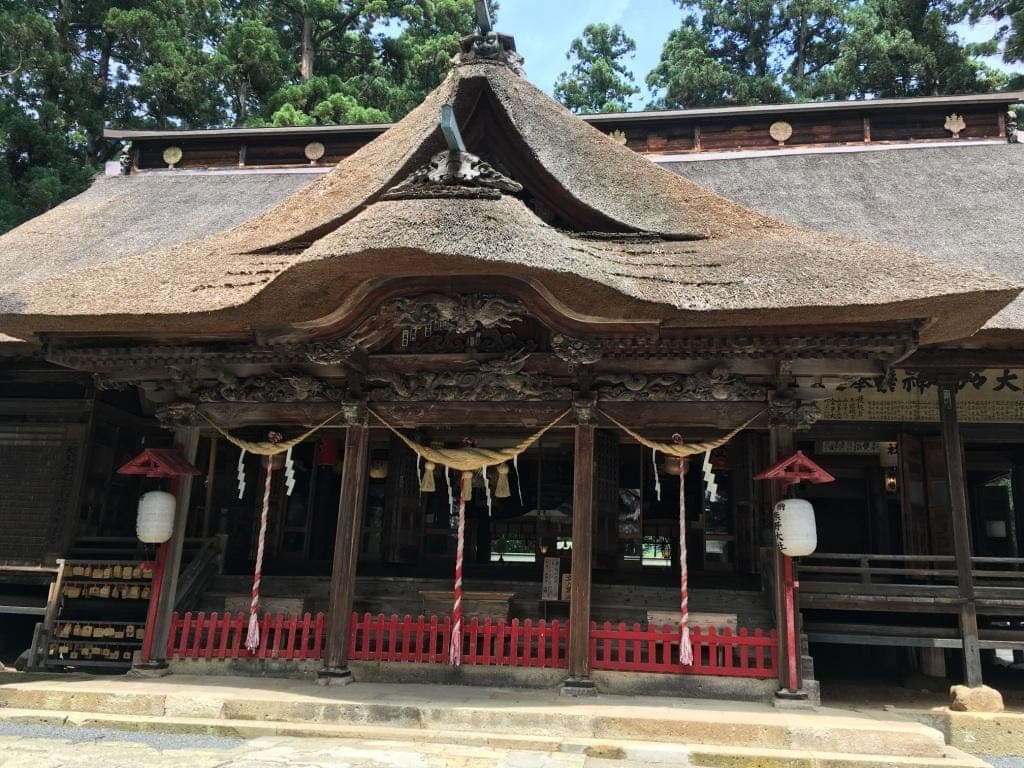
Kumano Shrine in Kyoto's Sakyo Ward is one of over 3,000 Kumanotype shrines in Japan. It enshrines the three Kumano deities of the Kii Peninsula and is part of the widespread Kumano faith rooted in ancient nature worship and shinbutsushugo, the fusion of...
¿Por qué deberías ir?
If you're visiting one of the three main Kumano Sanzan shrines in Wakayama (Hongu, Nachi, or Hayatama), plan for 20 to 40 kilometers between each location, so budget a full day or multi-day trip rather than trying to see all three in one outing.
The Nachi Fire Festival on July 14 features torches carried down a path to Nachi Falls in an ancient purification ritual that mimics the cascade of water itself.
Wear sturdy hiking boots with good ankle support if you plan to walk any section of the Kumano Kodo, as the stone staircases and mountain paths are steep and uneven.
Tōji es un templo budista en Kyoto, fundado en 796 y posteriormente asociado con Kūkai, el fundador del Shingon Buddhism. Es uno de los complejos de templos más importantes de Kyoto y forma parte del Sitio del Patrimonio Mundial de la UNESCO Monumentos...
¿Por qué deberías ir?
Learn the temple's sect before visiting: Toji-in belongs to the Rinzai Tenryu-ji branch, so Zen-style memorial and worship practices shape the site.
El Toji-in es un templo zen Rinzai de la rama Tenryu-ji ubicado en el distrito de Kita en Kyoto, con el nombre de montaña Mannenzan.
La imagen principal del templo es el Buda Shakyamuni, identificando a Tōji-in como un templo Zen centrado en el Buda histórico.
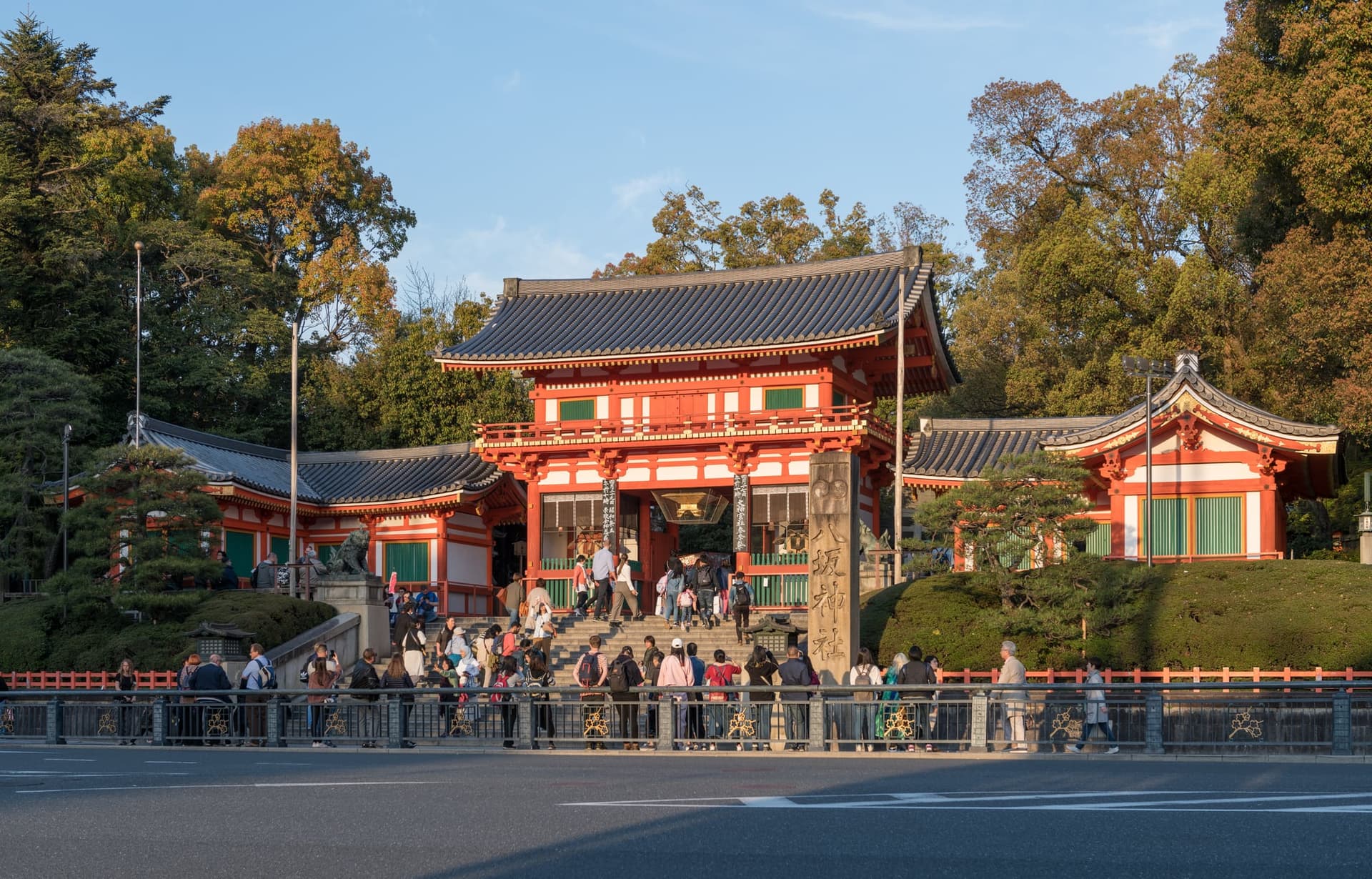
Yasaka Shrine es un famoso santuario sintoísta ubicado en el distrito de Gion en Kyoto, cerca del área de Higashiyama. Conocido por sus terrenos iluminados con linternas, su presencia histórica que se remonta a más de 1.300 años, y sus estrechos vínculos con...
¿Por qué deberías ir?
Se dice que la historia del santuario Yasaka se remonta a más de 1.300 años.
Visite después del anochecer para ver los terrenos iluminados con linternas del santuario Yasaka en su atmósfera más evocadora.
Si planeas ver Kioto durante el Gion Matsuri, incluye el santuario Yasaka debido a su conexión especialmente fuerte con el festival.
Konchiin is a Zen Buddhist temple in Kyoto’s Nanzenji complex, best known for its Crane and Turtle Garden. Its carefully framed dry landscape, historic tea room, and quiet setting make it a refined example of Kyoto Zen aesthetics and borrowed scenery.
¿Por qué deberías ir?
Visit early on a weekday to avoid the groups that arrive after noon.
Position yourself low to the ground to capture the crane and turtle stones against the raked gravel; the best light is soft morning sun from the east side.
The tea room (shoin) is often open to visitors, offering a view of the garden from inside; ask the attendant about the borrowed scenery (shakkei) technique used in the design.
Fushimi Inari Taisha, ubicado en Kioto, es el santuario principal de Inari, el dios sintoísta del arroz, la agricultura y la prosperidad. Fundado en el 711 d.C., es famoso por sus miles de puertas torii color bermellón que forman caminos hacia el monte Inari.
¿Por qué deberías ir?
También puedes comprar un torii miniatura en la cima, donde inscribirán tu nombre y una bendición en caracteres japoneses (costo: 3.000 yenes).
El santuario tiene aproximadamente 10,000 torii vermellones donados por empresas que buscan prosperidad, con precios que van desde ¥400,000 para torii pequeños hasta más de ¥1 millón para grandes, cada uno grabado con el nombre y la fecha del donante.
Las estatuas de zorros del santuario sostienen llaves en sus bocas que representan las llaves de los graneros de arroz, ya que se creía que los zorros eran mensajeros de Inari; cuando los aldeanos veían muchos zorros en los campos, predecían cosechas abundantes.