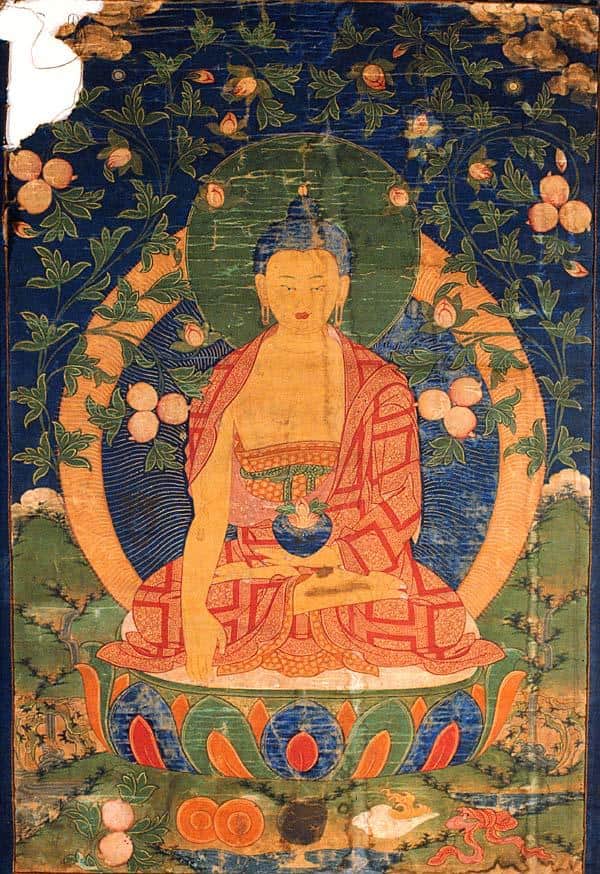
Además de su colección permanente, también se realizan exposiciones temáticas especiales de forma estacional, así como exposiciones de arte en colaboración con artistas contemporáneos
De un vistazo
Daigo-ji is a major Shingon Buddhist temple in Fushimi-ku, Kyoto, and the head temple of the Shingon Daigo-ha branch. It is part of the UNESCO World Heritage Site “Historic Monuments of Ancient Kyoto,” recognized in 1994 for its wooden architecture and garden traditions. The temple is famed for vast precincts on Mount Daigo and as the site of Toyotomi Hideyoshi’s celebrated cherry blossom viewing in 1598.
Founded in 874 by the monk Shōbō (Rigen Daishi), Daigo-ji developed through the Heian and medieval periods as an important esoteric center. Fires and warfare led to losses, but key structures were rebuilt, and patronage in the Azuchi–Momoyama era revived the complex. The five-story pagoda from 951 is the oldest surviving building in Kyoto, and many halls date from the 16th–17th centuries.
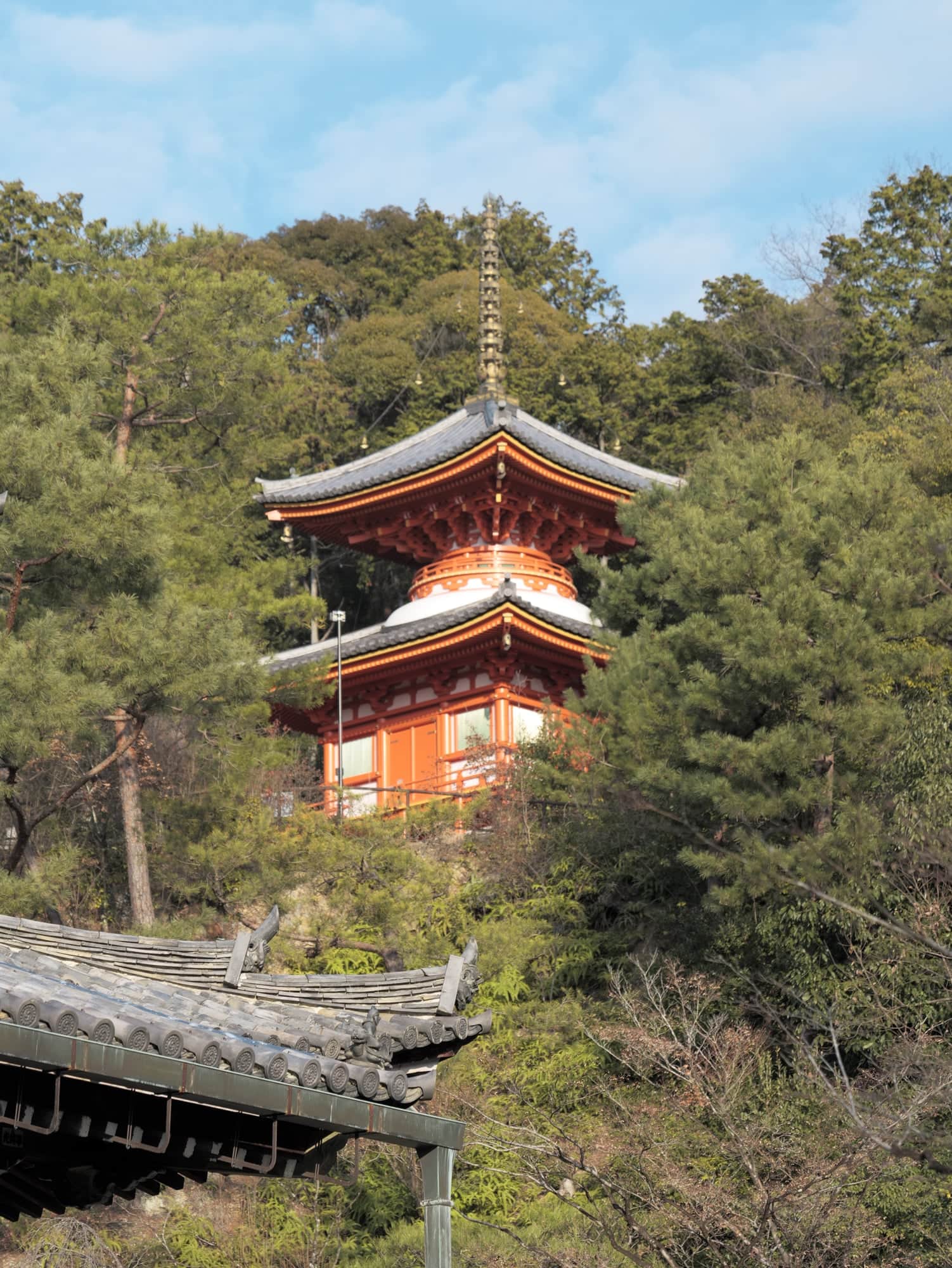
The complex spans lower, middle, and upper precincts on the mountain. Visitors encounter the grand Sanbō-in sub-temple with Momoyama-era architecture and gardens, the Kondō (Main Hall), the five-story pagoda, and the vermilion Bentendō by a pond. A steep trail leads to the Kami-Daigo upper precinct with early halls and mountain worship sites. The temple museum preserves an extensive collection of sculptures, mandalas, and documents, including National Treasures and Important Cultural Properties.
Daigo-ji’s principal image is Yakushi Nyorai, enshrined as a hibutsu (hidden Buddha), reflecting Shingon esoteric worship. The temple is the 11th stop on the Saigoku Kannon Pilgrimage, linking it to a wider devotional route across western Japan. Seasonal rituals, Buddhist ceremonies, and historical associations position Daigo-ji as a key locus of religious practice and cultural heritage in Kyoto.
Toyotomi Hideyoshi plantó más de 700 árboles de cerezo aquí antes de organizar su legendaria fiesta de observación de flores de 1598, convirtiéndola en una de las celebraciones más lujosas de la historia.
El agua de manantial del templo, que se dice tiene un sabor como el néctar, inspiró su nombre: Daigoji significa 'Sabor Exquisito' en japonés, conectando el origen del templo con el agua que fluye del Monte Daigo.
Este templo ofertas 1 diferentes diseños de goshuin
Igual que el horario de apertura
Regular
Main grounds and museum are wheelchair accessible. Some temple areas have steps. Accessible toilets available.
Además de su colección permanente, también se realizan exposiciones temáticas especiales de forma estacional, así como exposiciones de arte en colaboración con artistas contemporáneos
Use calzado cómodo para caminar, ya que los terrenos del templo son extensos e incluyen muchas escaleras.
El complejo del templo abarca tres recintos distintos en el Monte Daigo, con un empinado sendero de montaña necesario para llegar a la zona superior de Kami-Daigo, por lo que se deben dedicar al menos 3-4 horas para una visita completa y usar zapatos de senderismo resistentes si planea explorar más allá de las áreas inferiores.
Si buscas algo más que turismo, pregunta por las sesiones de meditación y los rituales estacionales de Daigo-ji. El templo te invita a unirte o ver a los monjes, y su práctica sigue vigente desde hace más de 1.150 años.
Visita en febrero o a principios de invierno si deseas experimentar la belleza arquitectónica y de los jardines del templo sin las multitudes abrumadoras que llegan para las flores de cerezo de primavera.
Si visita durante la temporada de flores de cerezo en primavera (finales de marzo hasta principios de abril), llegue antes de las 8:30 AM o visite entre semana para evitar las multitudes masivas que se reúnen para ver los famosos árboles de cerezo llorón.
Visite durante la temporada de floración de los cerezos para experimentar los terrenos donde Toyotomi Hideyoshi celebró su legendaria fiesta hanami de 1598, aunque espere multitudes significativamente mayores durante este período pico a principios de abril.
Los espíritus divinos venerados en este lugar sagrado.
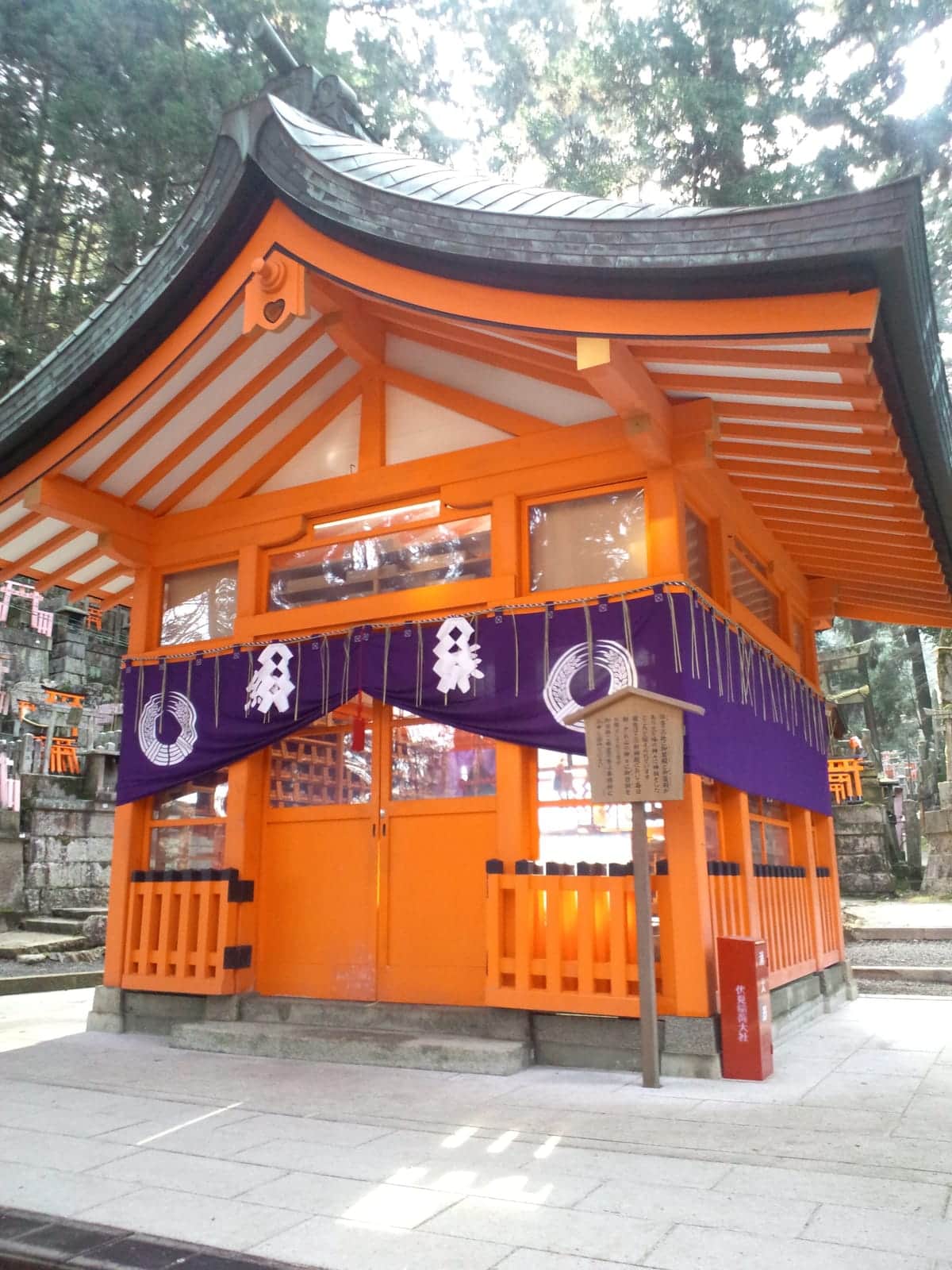
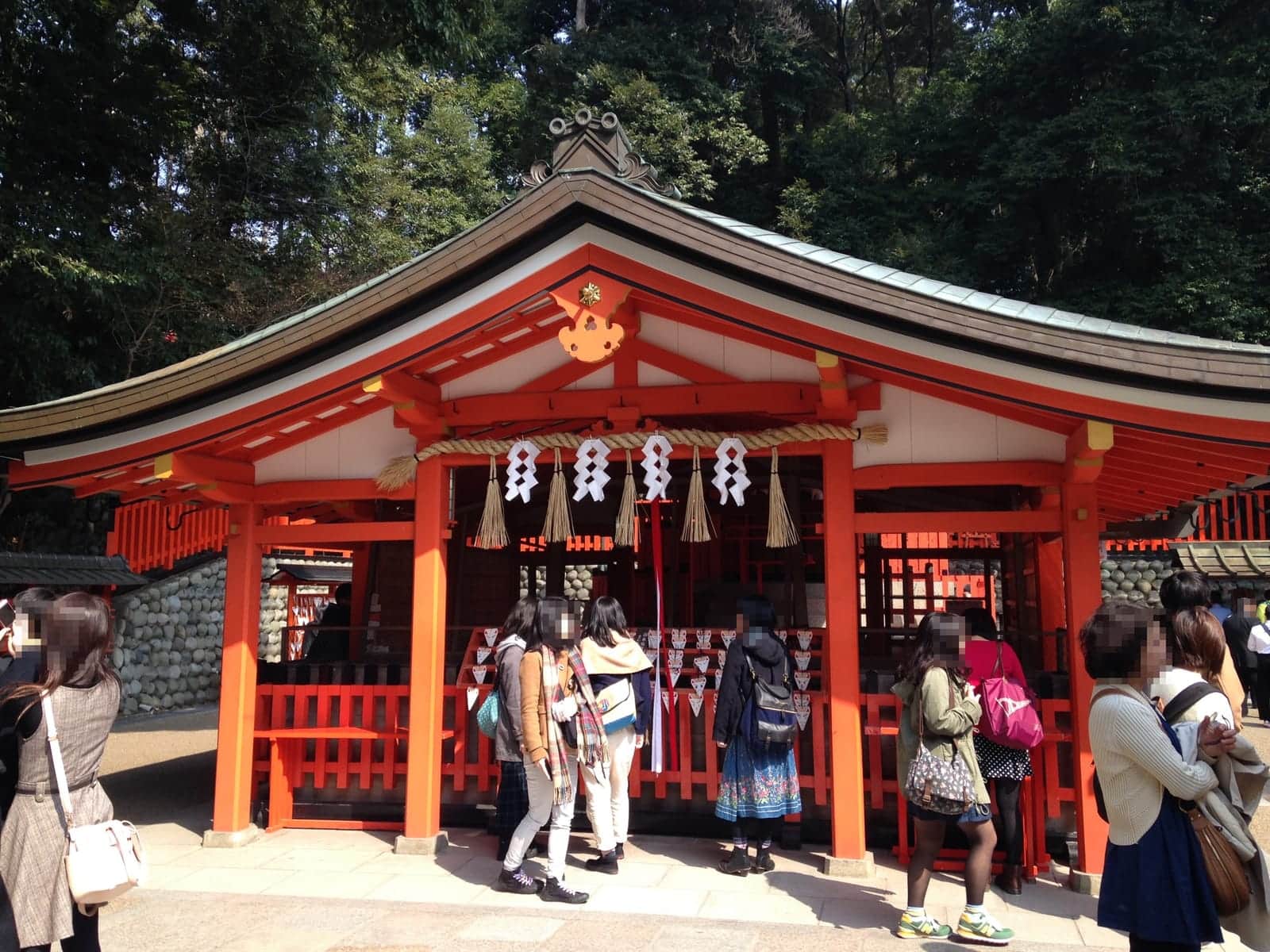
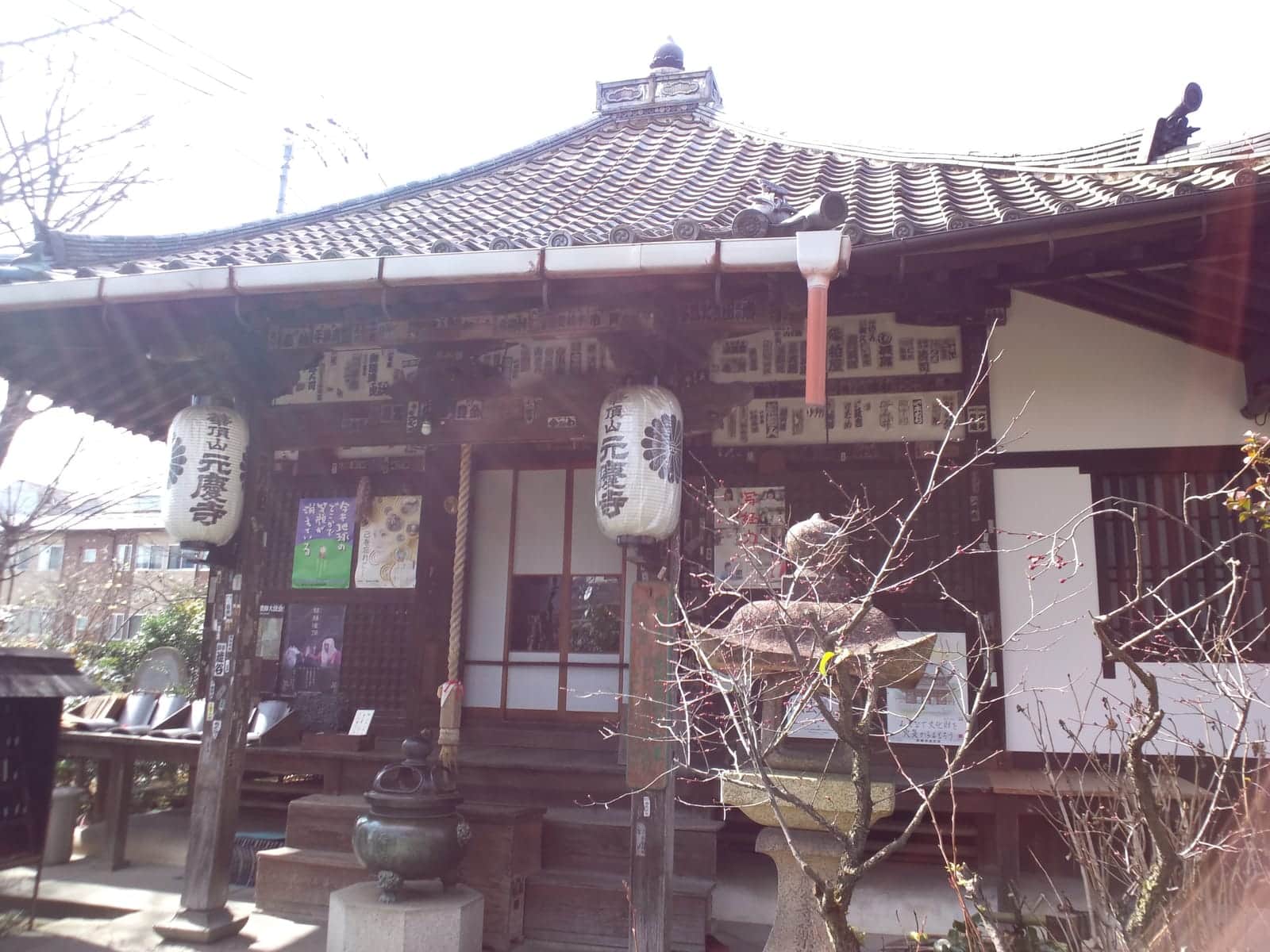
5 estructuras en el terreno
Duración de la visita
90+ minutos
Fushimi, Kyoto Prefectura
Lo que se cree que concede este lugar
Más páginas relacionadas con este lugar.
Menos de 300 m Menos de 600 m
4 publicaciones recientes
5.0
2 reseñas
Planifica al menos 3 o 4 horas si deseas ver el complejo completo, que se extiende por tres recintos en el Monte Daigo. Las zonas bajas son manejables, pero llegar al área superior de Kami-Daigo implica un sendero de montaña empinado, así que usa zapatos resistentes. A principios de abril llegan grandes multitudes por la temporada de flores de cerezo, cuando los terrenos cobran vida con el mismo paisaje que Toyotomi Hideyoshi eligió para su famosa fiesta de hanami de 1598.
Más allá del espectáculo estacional, el sitio también alberga exposiciones temáticas rotativas y colaboraciones ocasionales con artistas contemporáneos, así que puede haber algo extra para ver dependiendo de cuándo visites.
 MM
MMMarcus Mok hizo check-in
Daigo-ji
Fushimi, Kyoto
 AP
APAlessia Petringa compartió un goshuin