
Goshuin image research
Visual Elements in Goshuin: A Reviewed Comparison
10 reviewed public goshuin share 6 documented visual elements.
Executive summary
- The report includes only image elements that passed editorial review and were published.
- It currently covers 10 public records, 54 distinct elements, and 73 marked image regions.
- Counts describe this reviewed sample. They do not measure how common an element is across goshuin in Japan.
By
Goshuin Database Research
Snapshot
October 19, 2026 at 3:15 PM
Use
Inspect the reviewed source images
Choose one record at a time. Every image keeps its original proportions so all documented outlines remain visible.
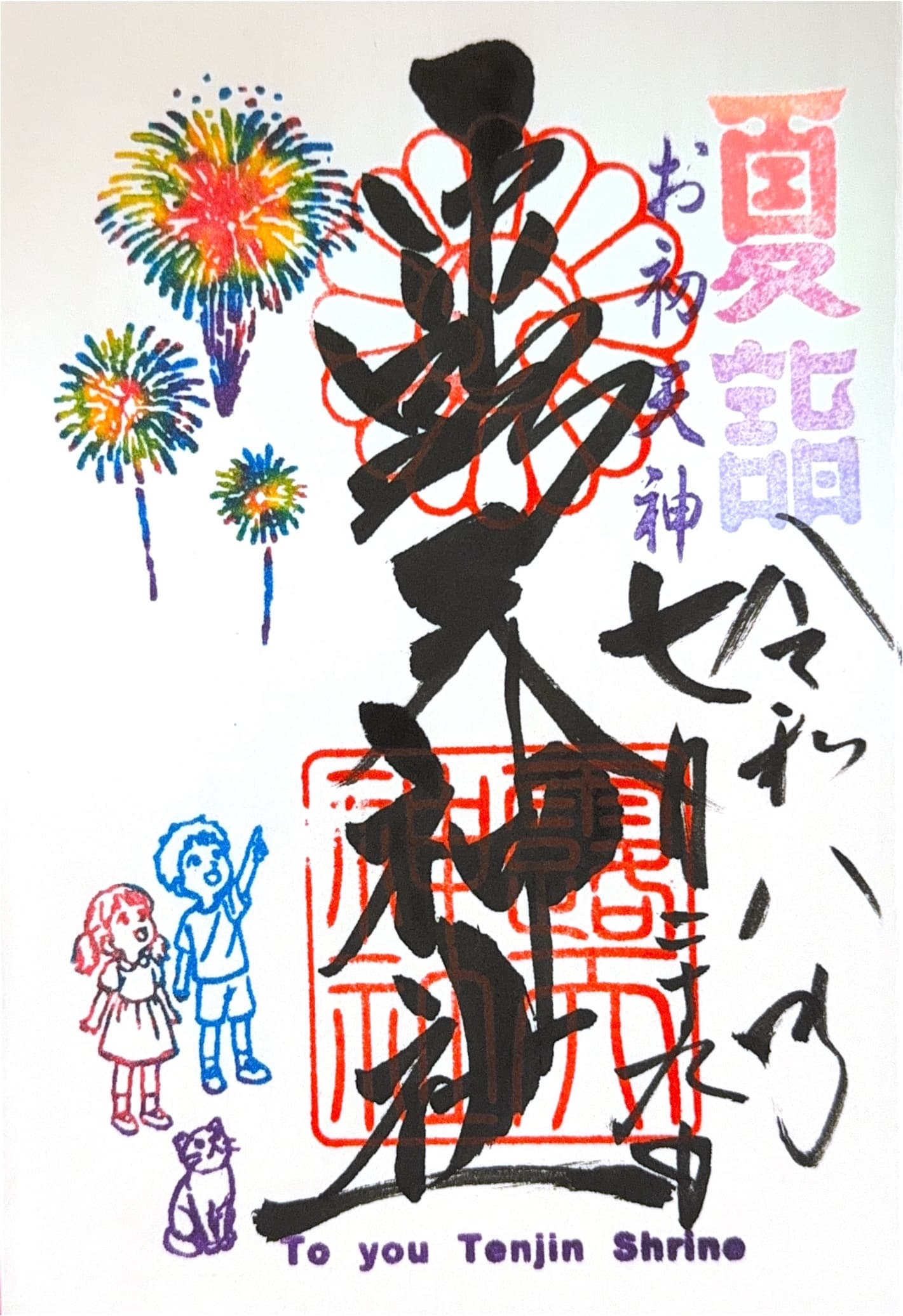
Tsuyuno Tenjinsha
gsn-15mrn70
What appears across the reviewed sample
These summaries aggregate the complete snapshot. Records are counted once per visual category, while inscriptions, seals, and identity entries are counted separately.
Visual themes
The share of reviewed records containing at least one element in each catalogue category.
- Animals2 / 10 records
2 distinct reviewed elements
- Mythical and supernatural beings3 / 10 records
4 distinct reviewed elements
- Plants3 / 10 records
3 distinct reviewed elements
- Nature, weather, and celestial elements3 / 10 records
2 distinct reviewed elements
- People and human figures1 / 10 records
1 distinct reviewed element
- Architecture and places2 / 10 records
2 distinct reviewed elements
- Ritual and cultural objects2 / 10 records
2 distinct reviewed elements
- Symbols, crests, and patterns4 / 10 records
4 distinct reviewed elements
- Seasonal customs and everyday objects2 / 10 records
2 distinct reviewed elements
Writing, seals, and identities
Distinct reviewed entries by annotation type across the complete sample.
- Inscriptions24 entries
Present in 9 reviewed records
- Seals8 entries
Present in 7 reviewed records
Explore visual elements by category
Separate charts keep animals, plants, nature, buildings, patterns, and the other controlled catalogue categories readable as the reviewed collection grows.
Animals
2 elements
Found in 2 of 10 reviewed records.
- Cat1 / 10
- Horse1 / 10
Mythical and supernatural beings
4 elements
Found in 3 of 10 reviewed records.
- Shishi lion2 / 10
- Dragon1 / 10
- Komainu1 / 10
- Phoenix1 / 10
Plants
3 elements
Found in 3 of 10 reviewed records.
- Chrysanthemum1 / 10
- Lotus1 / 10
- Plum blossom1 / 10
Nature, weather, and celestial elements
2 elements
Found in 3 of 10 reviewed records.
- Cloud2 / 10
- Wave1 / 10
People and human figures
1 element
Found in 1 of 10 reviewed records.
- Child1 / 10
Architecture and places
2 elements
Found in 2 of 10 reviewed records.
- Shrine building1 / 10
- Tower1 / 10
Ritual and cultural objects
2 elements
Found in 2 of 10 reviewed records.
- Fan1 / 10
- Lantern1 / 10
Symbols, crests, and patterns
4 elements
Found in 4 of 10 reviewed records.
- Tomoe3 / 10
- Asanoha pattern1 / 10
- Chrysanthemum crest1 / 10
- Seigaiha pattern1 / 10
Seasonal customs and everyday objects
2 elements
Found in 2 of 10 reviewed records.
- Fireworks1 / 10
- Musical instrument1 / 10
How this report grows
The page is built for a small beginning and a much larger reviewed sample. The URL and citation format stay the same.
New records change the aggregate
Every newly published review updates the category prevalence and the supporting counts. The charts never add one visual column per goshuin.
Shared elements emerge carefully
Taxonomy terms and deity references match by canonical identity. Inscriptions and seals match only when their reviewed public text is the same.
A weekly snapshot keeps citations stable
The scheduled Monday refresh reads the latest reviewed public annotations. A failed refresh leaves the last successful snapshot online.
Method and limits
Editorial review decides what is public.
Included
Current-image regions linked to reviewed public characteristics, inscriptions, seals, deity references, or primary subjects on approved public goshuin records.
Excluded
Pending suggestions, internal review notes, replaced images, deleted records, and records that are not approved for public use.
Absence is not proof
An absent category or element means no reviewed public link exists in this snapshot. It may still be visible in an image or awaiting editorial review.
Questions this cannot answer
This sample cannot measure cultural importance, regional prevalence, historical change, or the frequency of visual elements across goshuin in Japan.