
Kannondo
Architecture観音堂 ・ Reading: かんのんどう
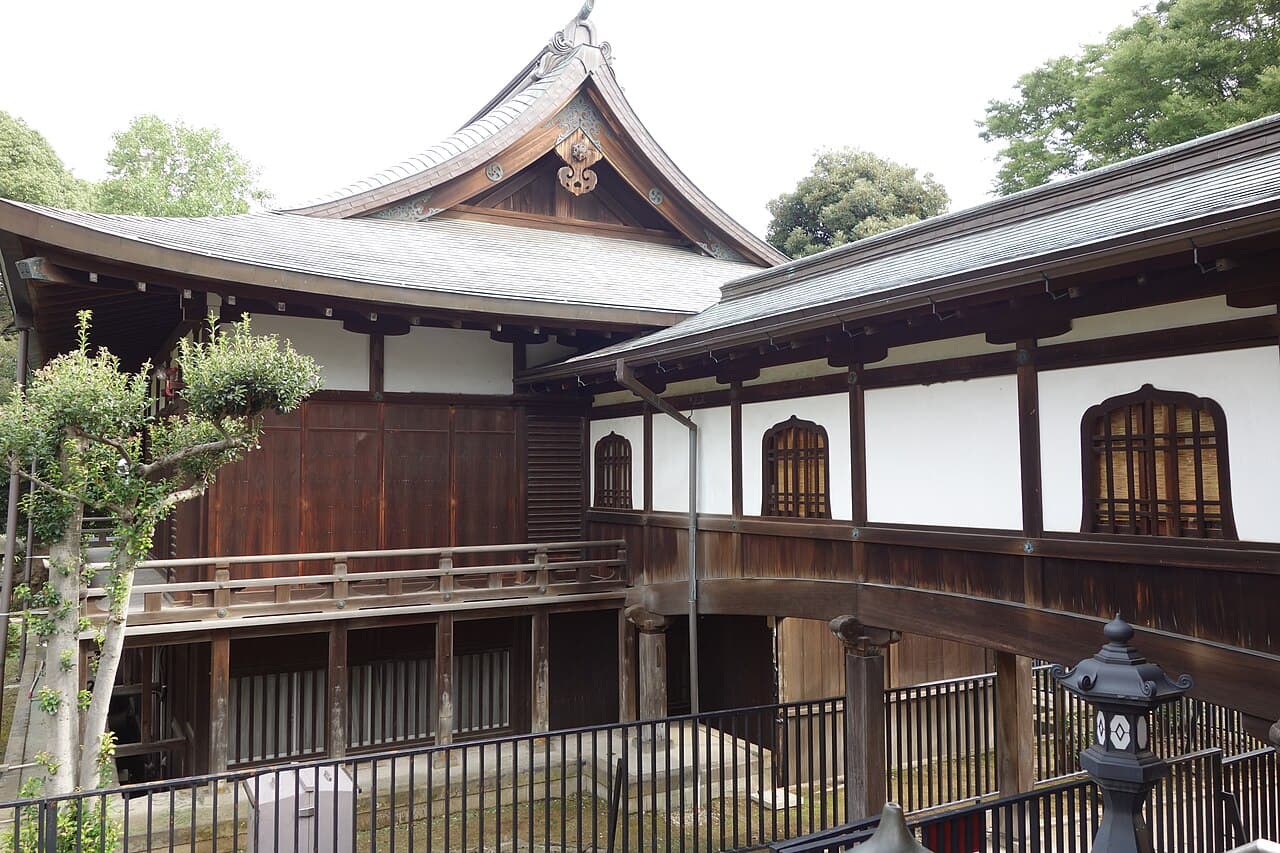
Definition
A hall dedicated to Kannon, the bodhisattva of compassion (Avalokiteshvara). Kannon is among the most beloved figures in Japanese Buddhism and anchors many pilgrimage routes.
What it is
A Kannondo is a hall dedicated to Kannon, the bodhisattva of compassion, known in Sanskrit as Avalokiteshvara. Kannon is believed to hear the cries of the suffering and respond in whatever form is needed, which is why the deity is worshipped across many Buddhist schools and by ordinary people who may not otherwise identify with a particular sect. A Kannondo can be the main hall of a temple or a secondary hall on a larger precinct.
What to look for
The central image is usually a statue of Kannon, sometimes hidden as a secret Buddha and shown only on special occasions. Kannon appears in several forms, including the thousand-armed Senju Kannon) and the eleven-headed Juichimen Kannon, so the number of arms or heads is worth noticing. Many Kannondo are stops on pilgrimage circuits, and you may see pilgrims in white collecting a stamp at a small office nearby.
How it fits in
Because Kannon devotion crosses sectarian lines, Kannondo are among the most common halls in Japan. Famous examples anchor routes such as the thirty-three temple Saikoku pilgrimage. If a hall is named for Kannon rather than for a temple's founder or its principal Buddha, this usually signals that compassion and answered prayers are its focus.
Common questions
- What is a Kannondo?
A Kannondo is a temple hall dedicated to Kannon, the bodhisattva of compassion, who is believed to hear the cries of the world and help those in need. It is one of the most common types of hall at Japanese Buddhist temples, and the image inside often takes a recognisable form such as the thousand-armed or eleven-headed Kannon.
- Can you go inside a Kannondo?
At a Kannondo you can usually approach the front of the hall to pay your respects, offer a coin, and pray quietly, though full interior access varies by temple. The principal Kannon image is often a hidden image, or hibutsu, kept inside a shrine cabinet and shown to the public only during a special opening called a kaicho.
- What is the difference between a Kannondo and a hondo?
A hondo is a temple's main hall housing its principal object of worship, while a Kannondo is a hall specifically dedicated to Kannon. At temples where Kannon is the principal image, the hondo and the Kannondo can be one and the same building.
Related articles
- How to Read Buddhist Temple ArchitectureRead a Japanese Buddhist temple through its gates, main hall, pagoda, study spaces, working buildings, dates, and local plan.
- Shakyo and Shabutsu: Buddhist Tracing PracticeUnderstand sutra copying and Buddha-image tracing, choose a temple program, prepare respectfully, and follow its local rules.