God of the Moon
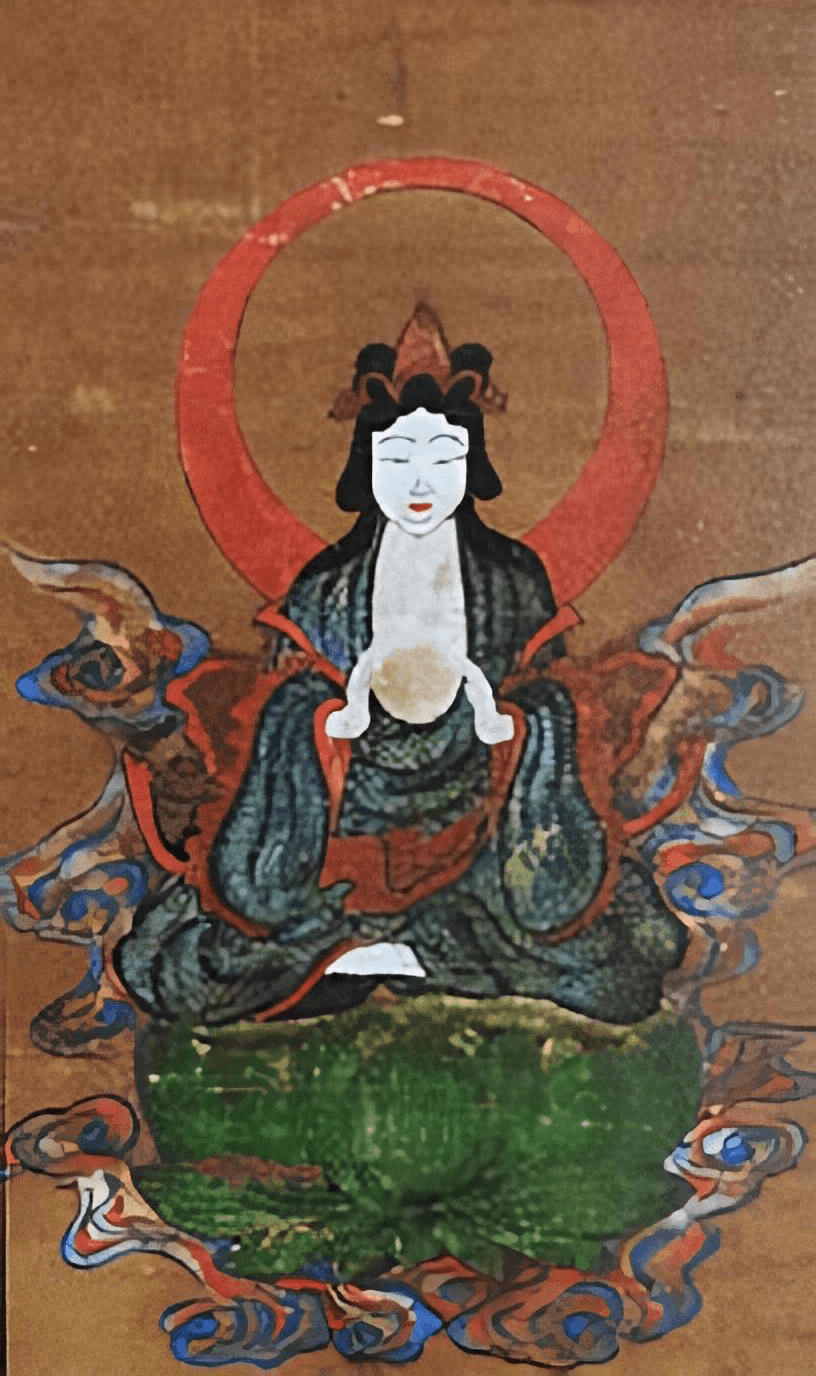
Tsukuyomi is the kami of the moon in Japanese mythology and Shinto religion. His name is generally understood as a compound meaning "moon-reading" or "moon-counting," combining the words for moon and reading, though an alternative interpretation links it to "moonlit night" and "watching." The honorific suffix -no-Mikoto, meaning roughly "the Great," is commonly appended to his name in ritual contexts.
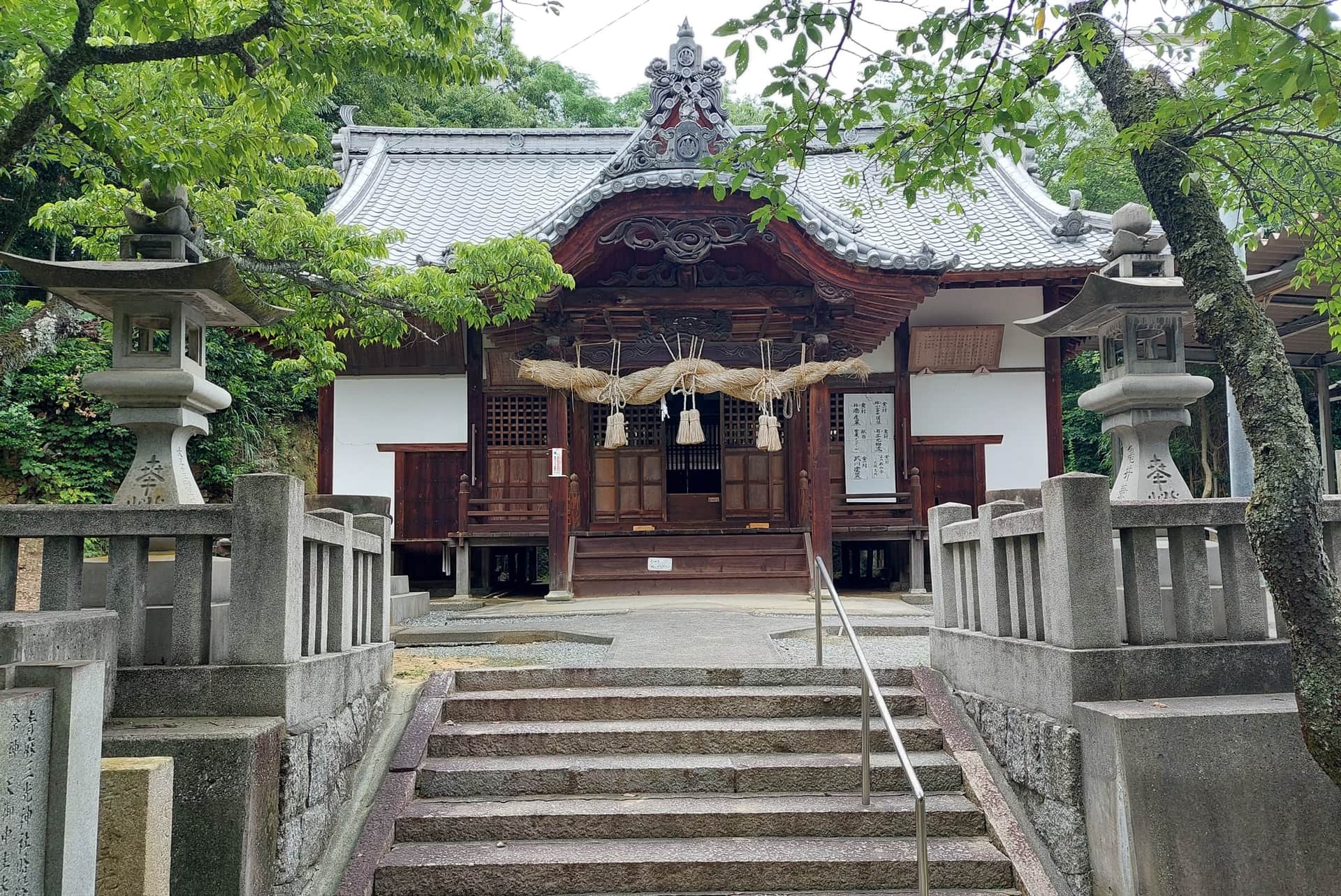
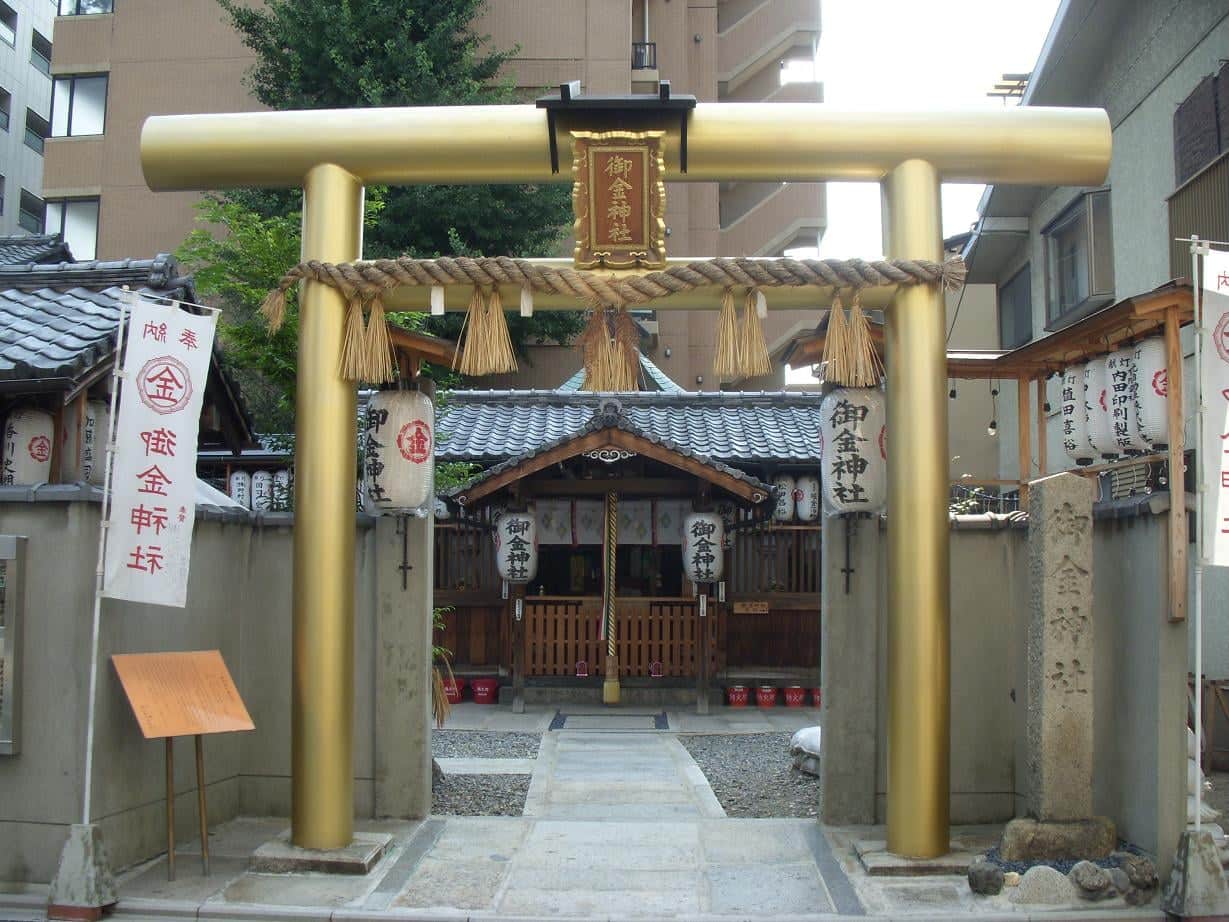
He is recognized as a male deity, a reading supported by the Man'yōshū, which refers to him as Tsukuyomi Otoko, meaning "moon-reading man." His existence is recorded in both the Kojiki, which spells his name as Tsukuyomi-no-Mikoto, and the Nihon Shoki, which offers the variant Tsukiyomi. He is enshrined at important sanctuaries including the Tsukuyomi Shrine associated with Ise Jingū, one of the most sacred sites in Shinto.
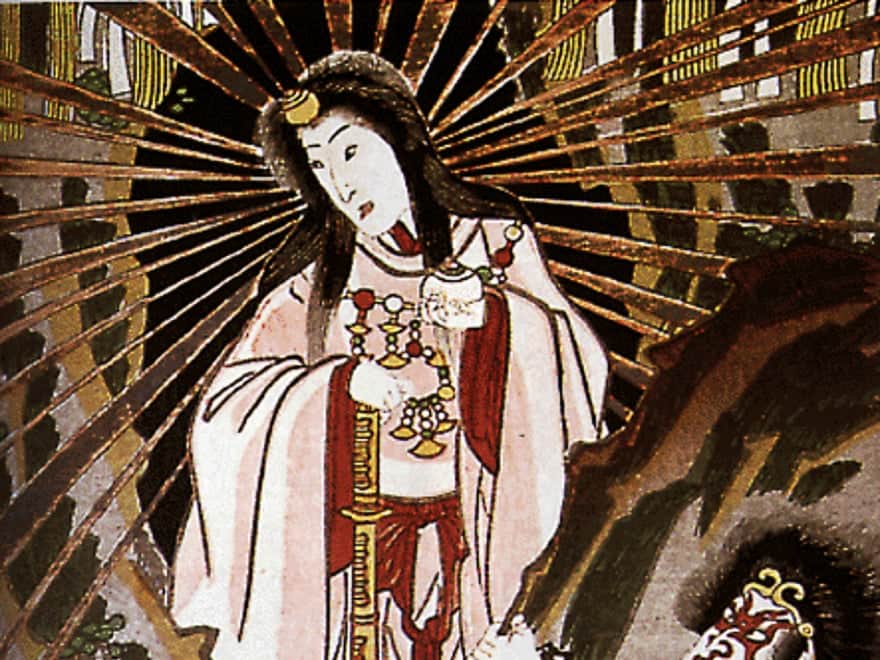
Among the great kami born from the purification ritual of Izanagi, Tsukuyomi stands alongside Amaterasu, the sun goddess, and Susanoo, the storm god, forming a triad of sibling deities. The Nihon Shoki records an alternative spelling of his name as meaning "moon bow," reflecting the poetic associations the moon held in ancient Japan.
2 places