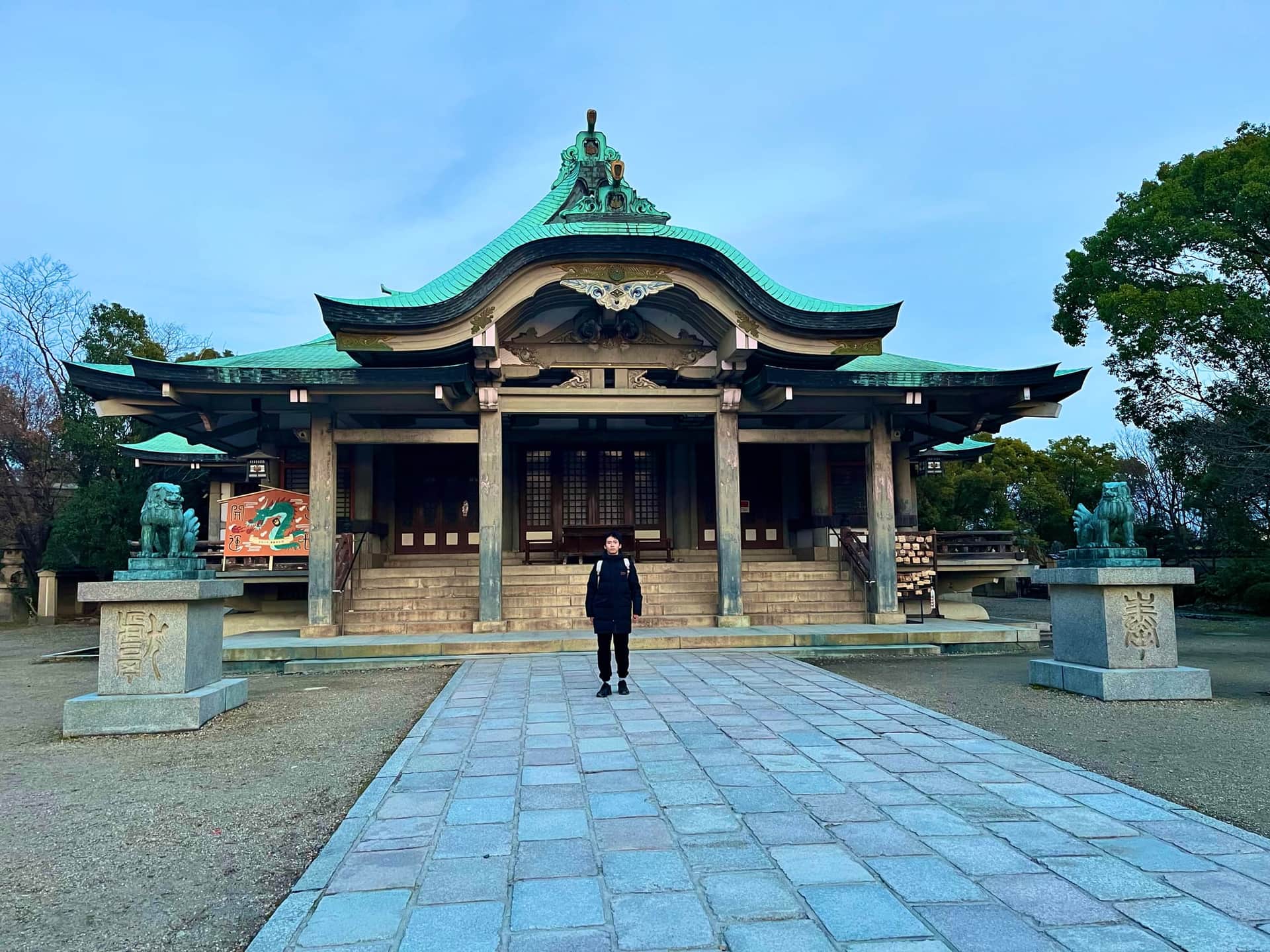
Deified Unifier of Japan
Toyotomi Hideyoshi was a towering figure of late sixteenth-century Japan, rising from humble peasant origins to become the most powerful man in the country. He served under the warlord Oda Nobunaga and, after Nobunaga's death in 1582, emerged as his successor, ultimately completing the unification of Japan that ended the long Sengoku period. He held the highest court titles of Kampaku and Daijō-daijin, becoming the first person of non-noble birth ever to attain the rank of Imperial Regent.
Hideyoshi's legacy is deeply woven into the fabric of Japanese culture and history. He is credited with constructing Osaka Castle, instituting the sword hunt that restricted weapon ownership to the samurai class, and sponsoring the restoration of numerous Buddhist temples, many of which still stand in Kyoto. After his death in 1598, he was enshrined and venerated under the name Toyokuni Daimyōjin at Toyokuni Shrine in Kyoto, where he continues to be worshipped.
His reign defined the Azuchi-Momoyama period and left an enduring imprint on Japanese society, laying foundations for the early modern feudal order. Though his late military campaigns in Korea ended in stalemate and clouded his final years, his transformation of Japan from a fractured land of warring lords into a unified realm remains his most celebrated achievement.
1 place