God of the Mountain and Agriculture
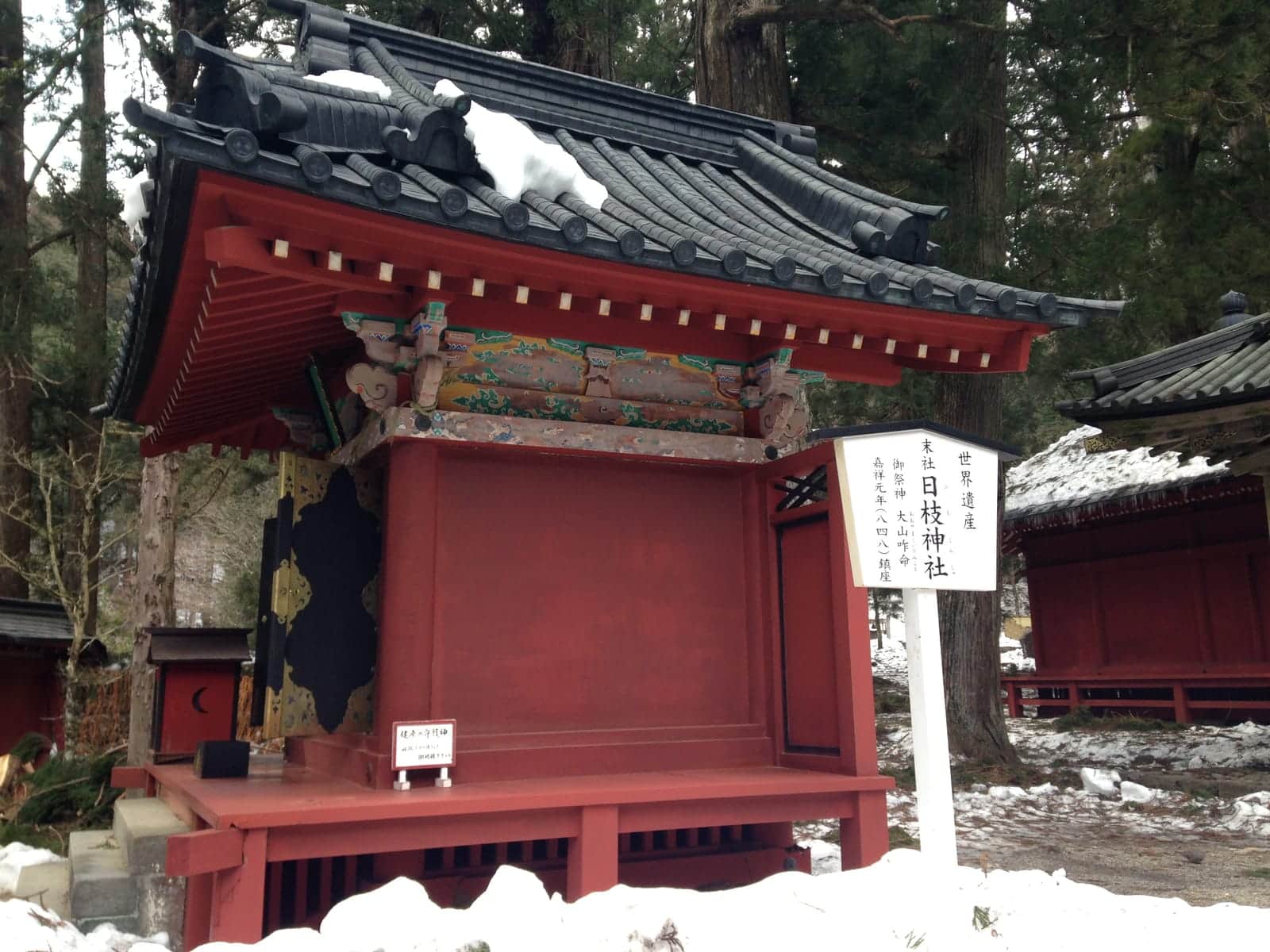
Ōyamakui no Kami is a Shinto deity appearing in the Kojiki, identified as the child of Ōtoshi no Kami and a grandson of Susanoo. He is said to reside on Mount Hiei in Ōmi Province or Mount Matsunoo in Yamashiro Province, and he belongs to a lineage of gods associated with agriculture, land, and the sacred order governed by Ōkuninushi. His name is interpreted as combining the word for "great" with "Yamakui," meaning roughly "mountain stake" — a term that may allude to the guardian spirit of a mountain peak, the marker of a mountain's boundary, or a sacred stake planted as a vessel for divine presence during mountaintop festivals.
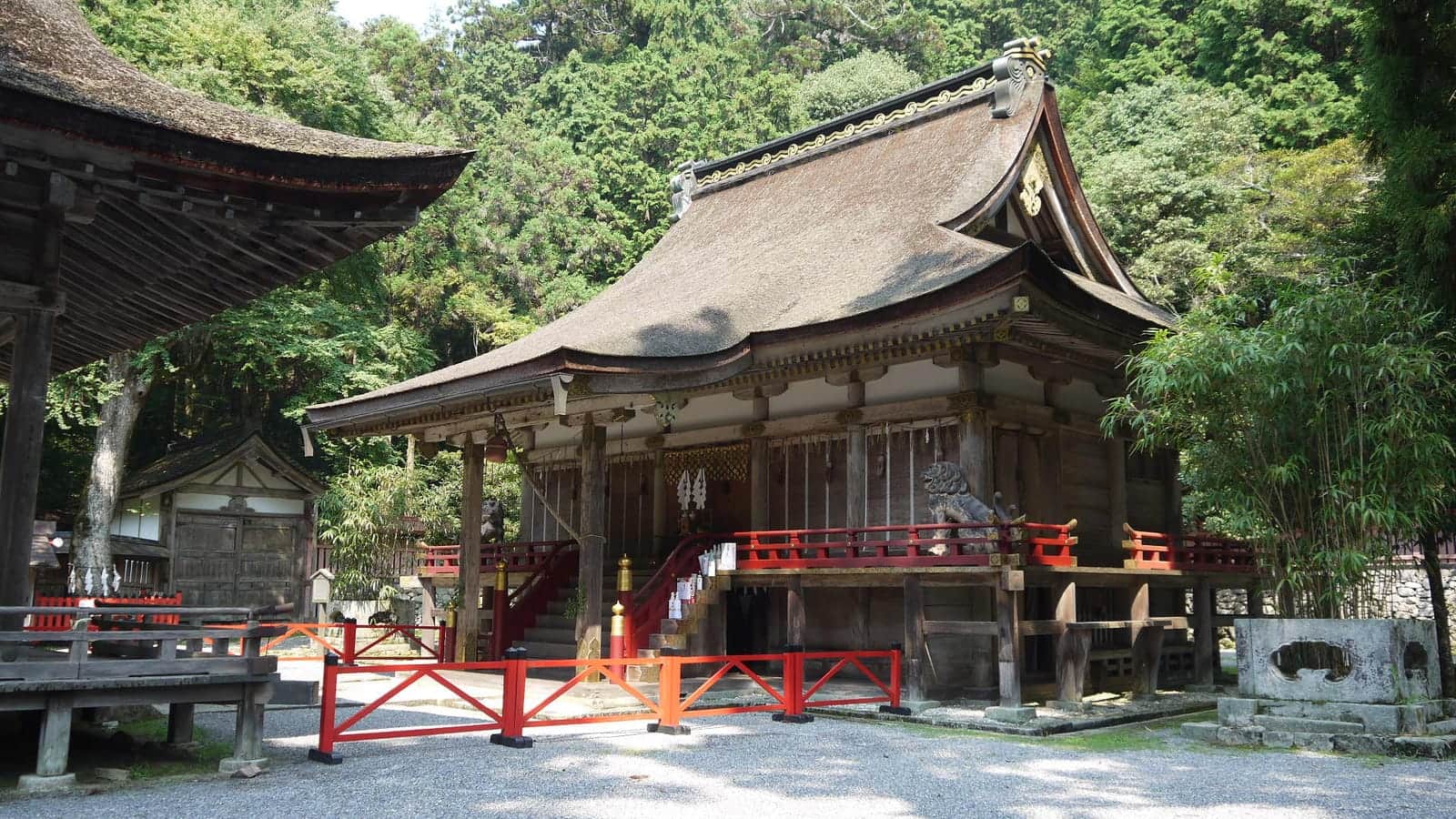
He is enshrined primarily at Hiyoshi Taisha (formerly Hie Shrine) on the slopes of Mount Hiei, where he occupies the Ninomiya, or Second Shrine, now called Higashi Hongū. He is also venerated at Matsunoo Taisha in Yamashiro Province, whose ritual traditions were historically overseen by the Hata clan — a powerful immigrant family with continental roots who held sway over the Kadono region. Both shrine networks maintain affiliated sanctuaries throughout Japan, extending his worship widely.
During the era of Buddhist-Shinto syncretism, Ōyamakui no Kami was venerated as part of the Sannō Gongen, a composite divinity central to Sannō Shintō, the tradition closely tied to Enryaku-ji Temple on Mount Hiei. In this context he was associated with the Buddha Bhaisajyaguru. Following the Meiji-era separation of Shinto and Buddhism, he was restored as the principal deity of the Ninomiya, and Kamo Tamayorihime no Mikoto was enshrined alongside him as his consort.