Legendary Empress-Regent
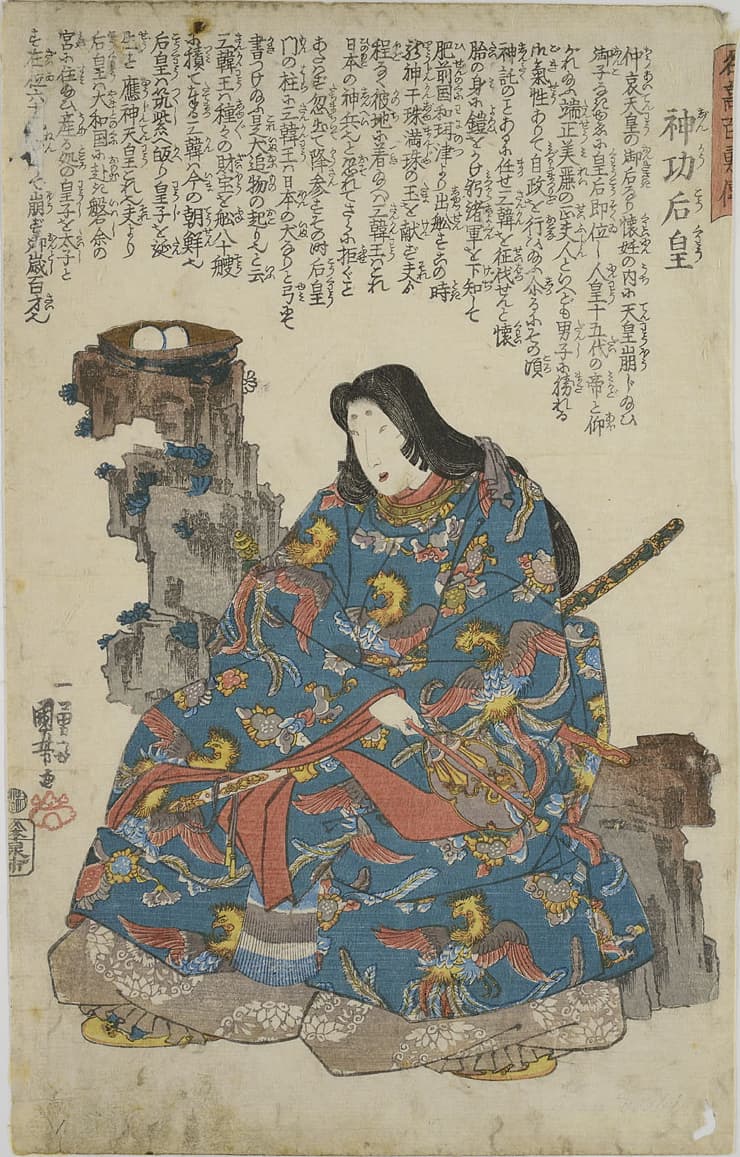
Empress Jingū is a legendary figure in Japanese history, said to have ruled as regent from 201 to 269 AD following the death of her husband, Emperor Chūai. Both the Kojiki and the Nihon Shoki record events attributed to her reign, making her the first person in Japanese tradition to hold the role of regent. She is also regarded as the last de facto ruler of the Yayoi period.
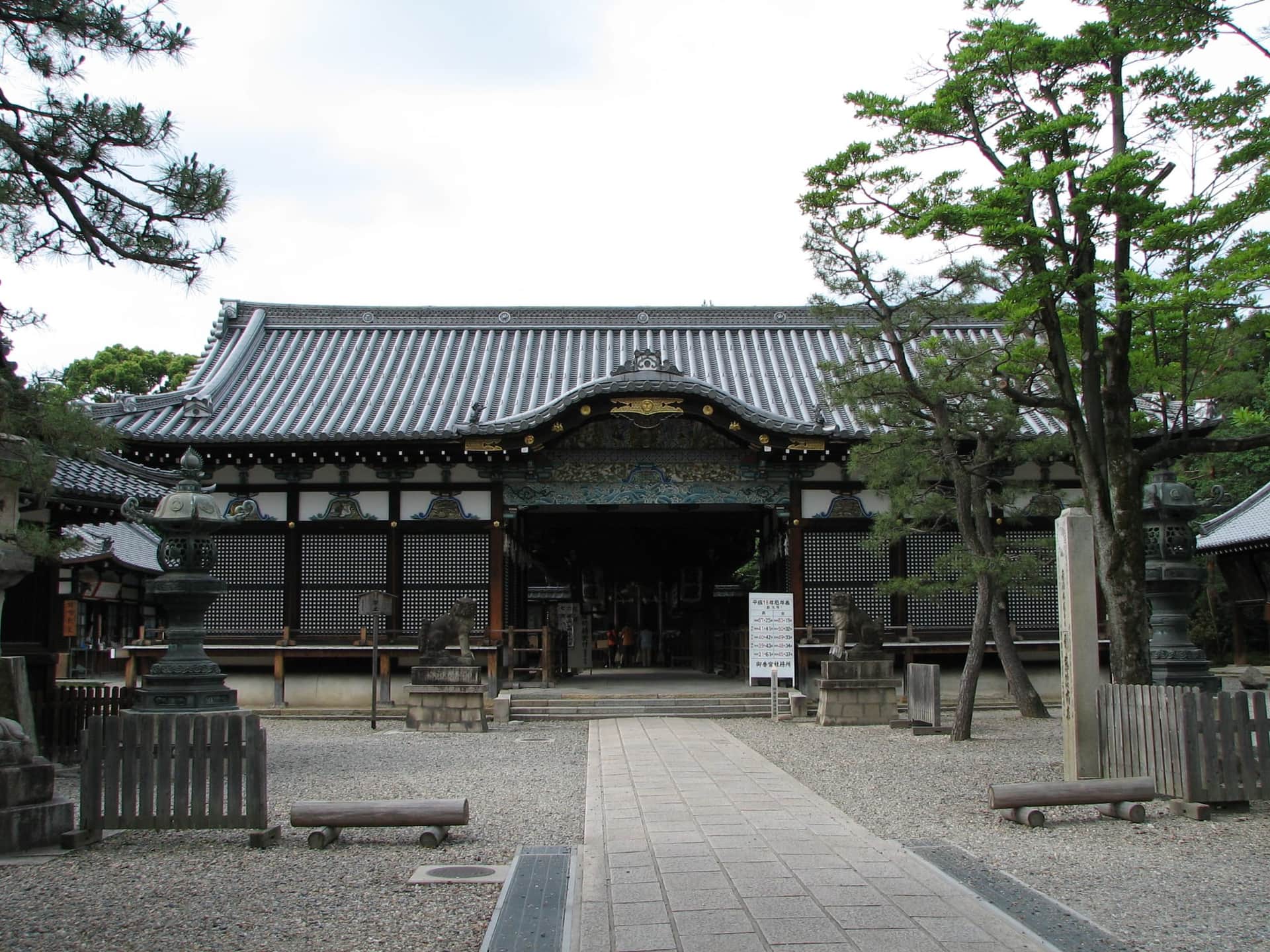
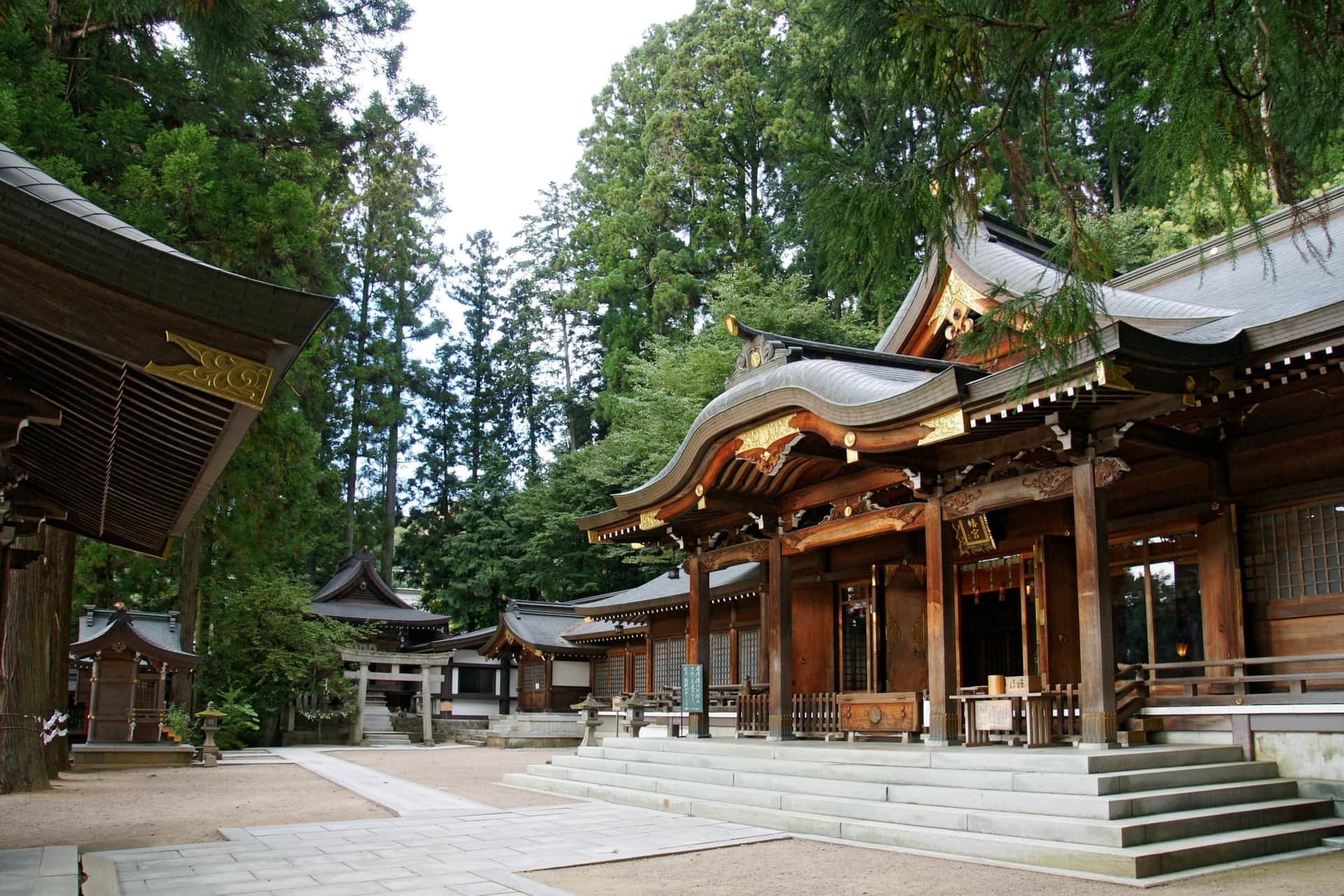
Her legacy is closely tied to stories of overseas military campaigns, most notably a legendary expedition to the Korean Peninsula, a narrative that later became politically charged during the Meiji era when it was invoked to justify imperial expansion. She is venerated at a traditional kofun burial mound and at a dedicated shrine, and she is closely associated with her son, who would later reign as Emperor Ōjin — himself worshipped as the god Hachiman.
Modern historians treat Empress Jingū as a largely mythological figure, noting that the name itself appears to be a posthumous designation applied by later generations. Some scholars have suggested parallels between her story and that of the shamaness-queen Himiko mentioned in Chinese records, though the two cannot be historically reconciled. Her legend nonetheless holds an enduring place in the classical literary and religious tradition of Japan.