Legendary Emperor of Ancient Japan
Emperor Chūai is counted as the fourteenth legendary Emperor of Japan, with a reign traditionally placed between 192 and 200 AD. He was the son of Yamato Takeru and the husband of Okinagatarashihime, later venerated as Empress Jingū. Unlike his predecessors, he is said to have established his capital in Kyushu rather than Yamato, and he is traditionally regarded as the last Emperor of the Yayoi period.
Both the Kojiki and the Nihon Shoki record that Chūai's death came as a result of angering a kami whose divine instructions he had scornfully dismissed. Following his death, his wife Jingū carried out the kami's command, which the chronicles describe as an expedition to the Korean peninsula, though modern scholarship considers this account legendary rather than historical.
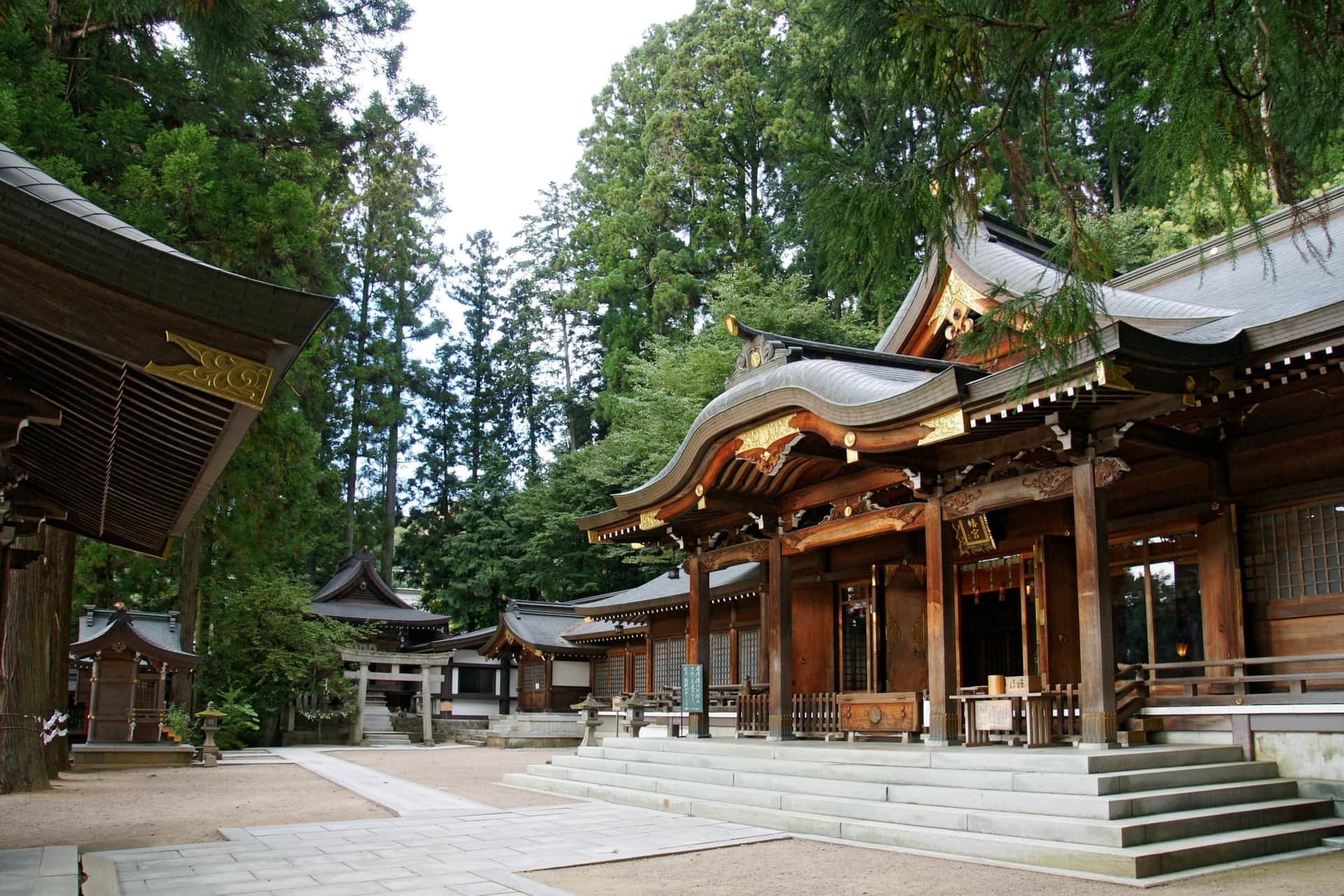
Modern historians generally regard Chūai as a largely mythological figure, with both his imperial title and his name understood as designations applied by later generations. Although the location of any actual tomb is unknown, he is traditionally honored at a memorial Shinto mausoleum and enshrined at Hachiman sanctuaries.
4 places