Consider combining your visit with a ride on the charming Enoden train from Kamakura, which takes only 23 minutes and offers scenic views of the ocean and narrow tracks running between houses for a memorable journey.
At a Glance
The temple's name uses the same kanji as the execution grounds it stands on, both meaning 'dragon mouth' (龍口/Tatsunokuchi), marking the site where Nichiren miraculously escaped death in 1271.
At the moment Nichiren was to be beheaded in 1271, a shining object like a ball of lightning flew across the sky from Enoshima Island, terrifying the executioner and saving Nichiren's life.
This temple offers 2 different goshuin designs
Same as opening hours
Regular
Regular
Consider combining your visit with a ride on the charming Enoden train from Kamakura, which takes only 23 minutes and offers scenic views of the ocean and narrow tracks running between houses for a memorable journey.
If you're interested in Nichiren history, prioritize the former execution-site area and the confinement cave during your visit.
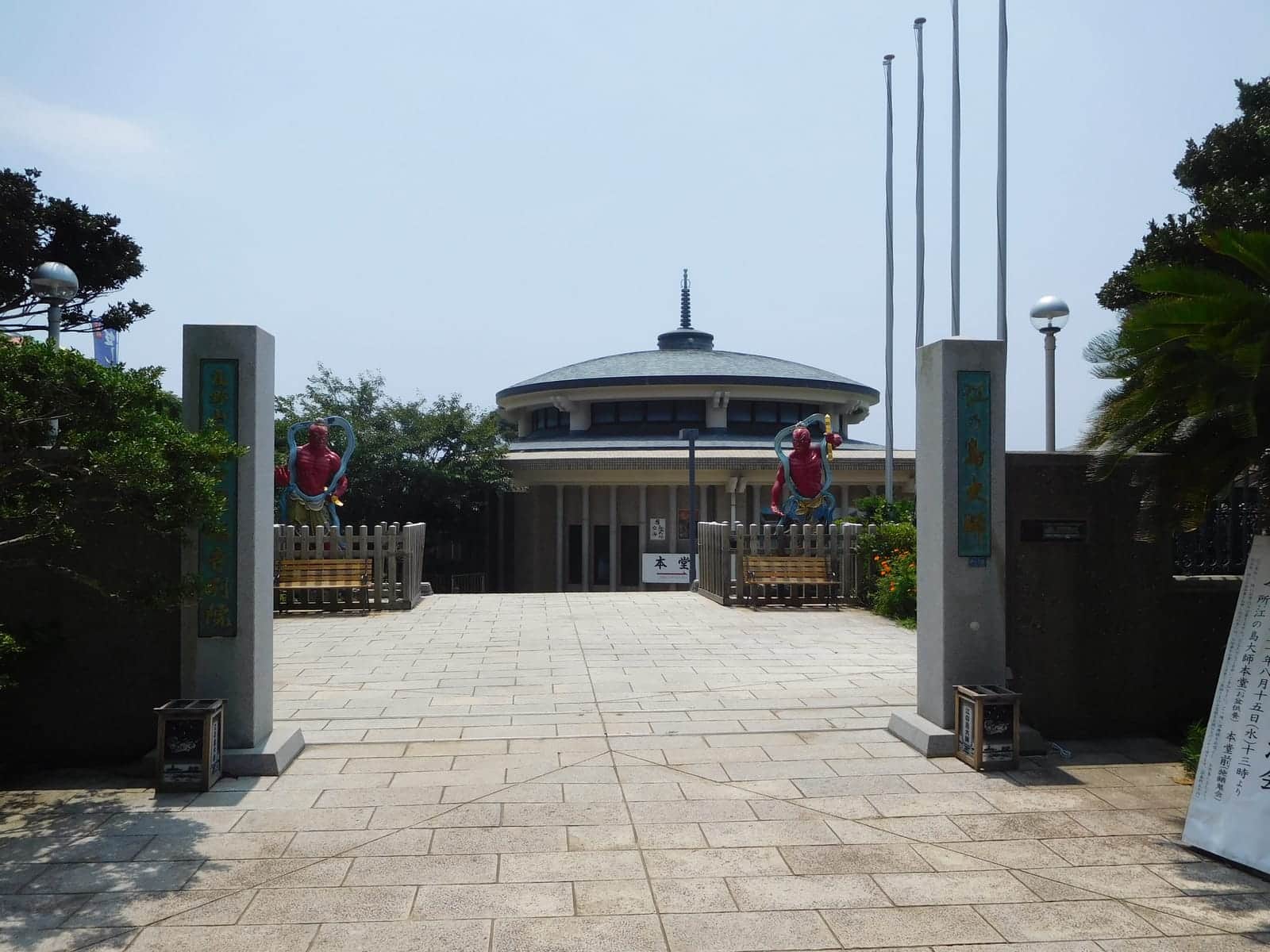
Allow sufficient time to climb all the stairs and explore the temple grounds thoroughly from top to bottom, as the main hall (Dai Hondo) built in 1832 and the five-story pagoda constructed in 1910 are located at different levels with hidden wonders in every corner.
Plan enough time to see multiple structures: the five-story pagoda, main hall, stupa, and Nichiren-related cave are all on the grounds.
The temple is easily accessible with just a 5-minute walk from both Enoshima Station on the Enoden Line and Shonan-Enoshima Station on the Shonan Monorail, making it a convenient stop when visiting the Enoshima area.
The divine spirits venerated at this sacred place
Seasonal celebrations and special occasions
Not confirmed
More ways to continue from this place.
Within 300 m Within 600 m
Timetable data: Public Transportation Open Data Center
Renting needs the operator's app and a Japanese phone number. docomo day passes are sold at convenience stores. Data sources
What this place is believed to grant
Fujisawa, Kanagawa Prefecture
3 recent posts
5.0
1 review
You can reach the temple in a 5-minute walk from either Enoshima Station (Enoden Line) or Shonan-Enoshima Station (Shonan Monorail). If you're coming from Kamakura, the Enoden ride itself takes about 23 minutes and runs close to the ocean and through narrow residential lanes, so it's a decent part of the trip.
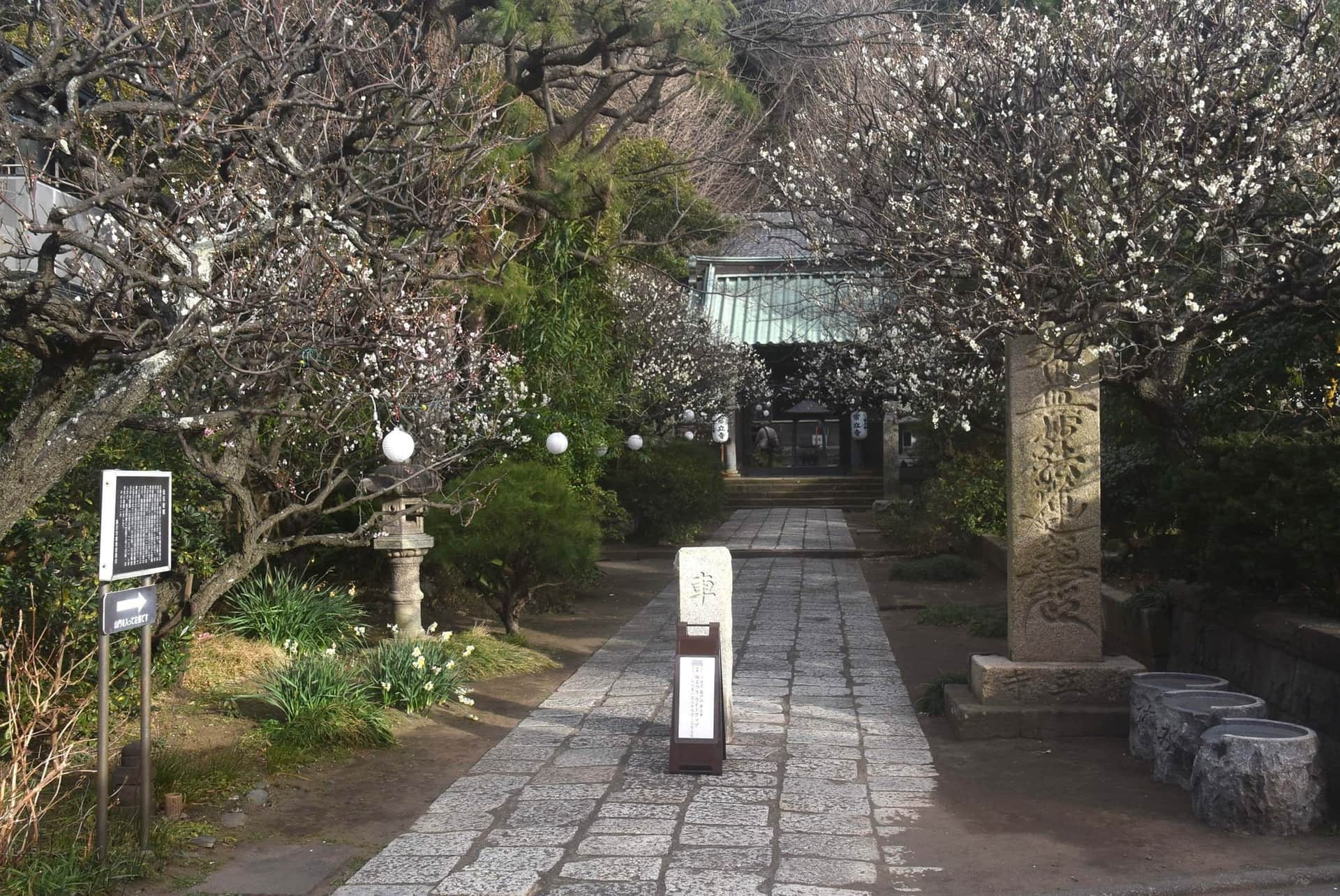
The grounds spread across multiple levels, so give yourself more time than you think you'll need. The main hall dates to 1832 and the five-story pagoda to 1910, and they sit at different elevations connected by stairs. A stupa and a confinement cave tied to Nichiren are also on-site.
If Nichiren history is your focus, prioritize the former execution-site area and the cave.
Phil Plümecke shared a photo
Phil Plümecke checked inLocation matched
Ryuko-ji
Fujisawa, Kanagawa