UNESCO World Heritage temple in Uji, famous for its Phoenix Hall (Hōōdō) depicted on the 10yen coin. Built in 1052 during the Heian period, it exemplifies Pure Land Buddhist architecture with its stunning Amida Buddha statue and elegant reflection in the pond.
왜 가볼 만한가
봉황당(Hōōdō) 내부는 별도로 300엔의 입장료가 필요하며 인원 제한이 있는 시간대별 입장 시스템으로 운영되므로, 주말에는 최대 1시간 정도 대기할 수 있습니다.
가을 야간 조명 행사에서는 Phoenix Hall이 어둠 속에서 극적으로 조명되어 연못에 비친 모습과 함께 조명된 단풍으로 둘러싸인 장관을 선보입니다.
이 사찰은 원래 헤이안 시대 최고의 권력자였던 후지와라노 미치나가의 별장이었으며, 그의 아들 요리미치가 모든 사람이 평등하게 구원받을 자격이 있다는 신념을 구현하기 위해 사찰로 개조했습니다.
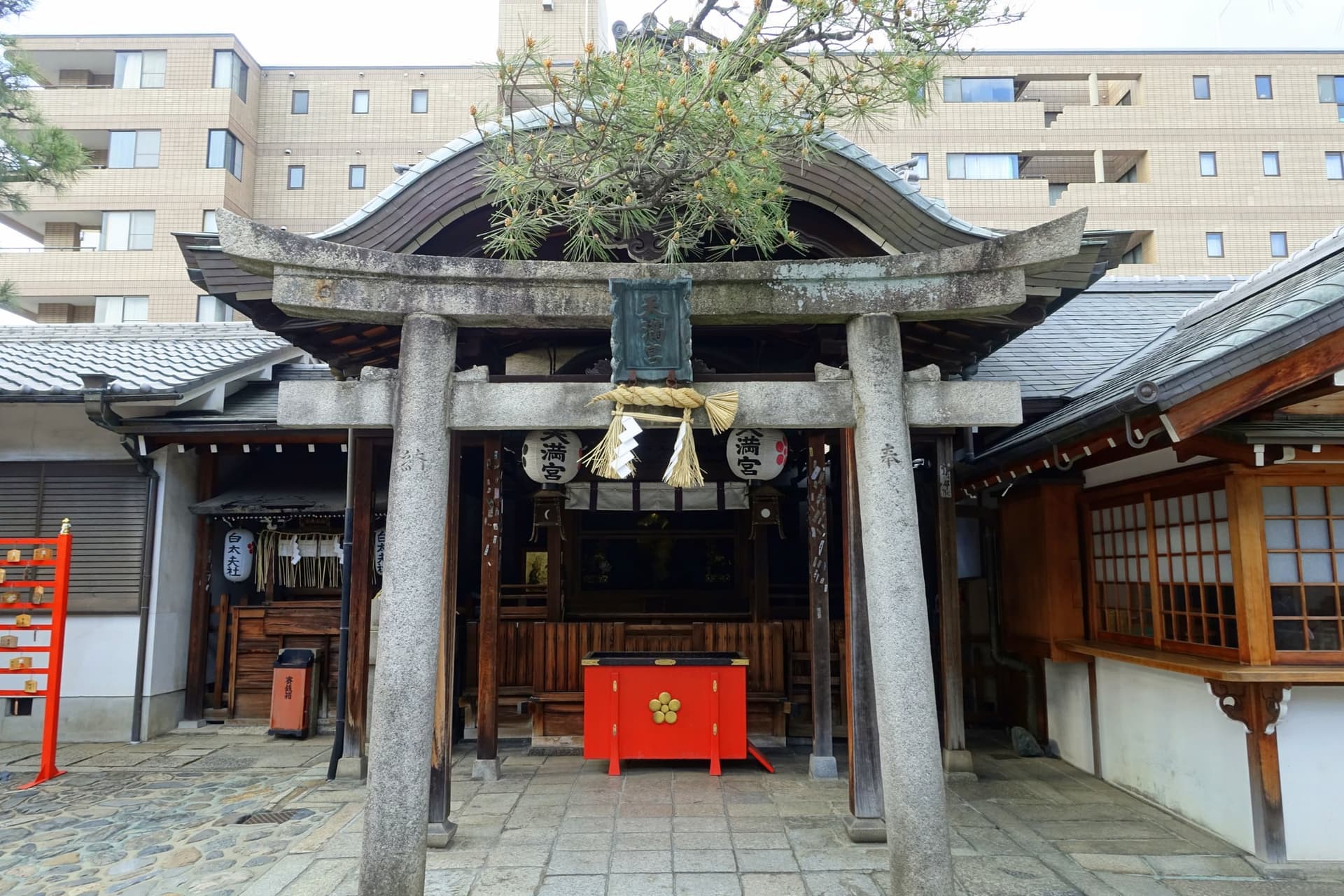
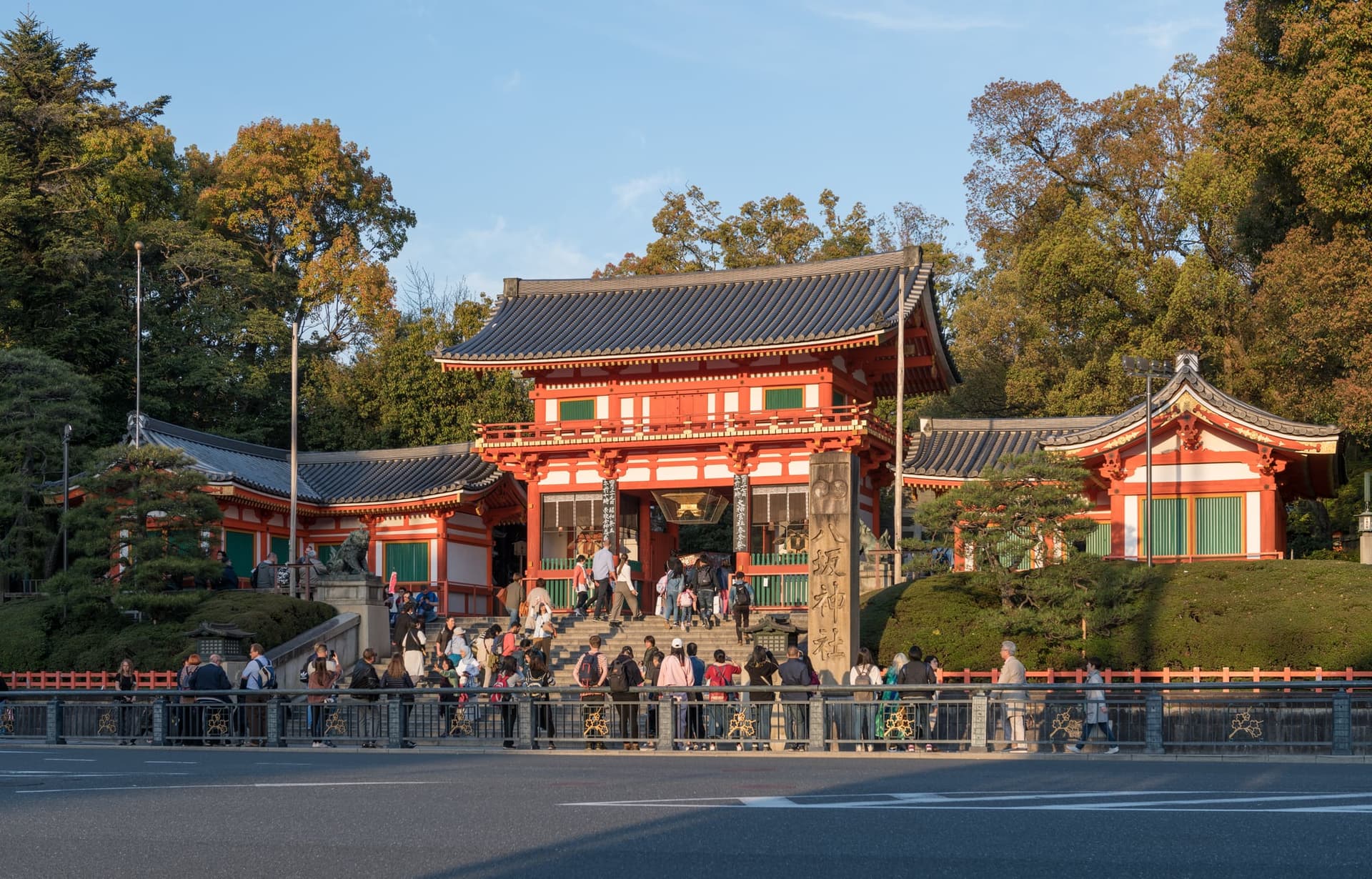
One of Japan's three great Ebisu shrines, dedicated to Ebisu, the patron of fishermen and merchants. Located near Kenninji in Higashiyama, it hosts the famous Tōka Ebisu festival each January, drawing visitors seeking lucky bamboo for business fortune.
왜 가볼 만한가
Visit during weekdays outside the January 8-12 Tōka Ebisu festival window if you want a quieter experience, as thousands of business owners and luck-seekers converge on the shrine during this five-day period to purchase blessed lucky bamboo and charms. If you do come during Tōka Ebisu, arrive early in the morning to beat the crowds and have a better chance of interacting with the shrine maidens and geisha apprentices distributing the fukuzasa.
If you visit during Tōka Ebisu in January, plan to purchase a fukuzasa (lucky bamboo branch) and customize it with charms that match your intentions, such as treasure boats for wealth, red sea bream for business success, or shrine maiden bells to call luck to you. Each charm carries its own lucky meaning in Japanese culture, so take time to select ones that align with what you're hoping to attract.
Look around the shrine grounds for stone carvings and statues of Ebisu holding his fishing rod and red sea bream, as these images appear throughout the sanctuary and help you understand why he's the patron deity of fishermen and merchants.
Kinkakuji는 교토에 위치한 선종 불교 사찰로, 금각(Golden Pavilion)을 중심으로 하고 있습니다. 유네스코 세계유산인 "고대 교토의 역사적 기념물"에 포함되어 있습니다. 원래 건물은 소실되었으며, 상층부가 금박으로 장식된 현재의 금각은 1955년에 재건되었습니다.
왜 가볼 만한가
The best views of the Golden Pavilion are from across the pond, where you can capture its reflection for the "inverted Kinkaku" effect.
정원 둘러보기: 금각을 본 후 14세기 사찰 정원의 산책로를 따라 안민택지와 석가정 다실을 감상하세요.
이 사찰은 연중 아름다운 경치를 자랑하며, 특히 단풍철과 눈으로 덮였을 때 더욱 아름답습니다.
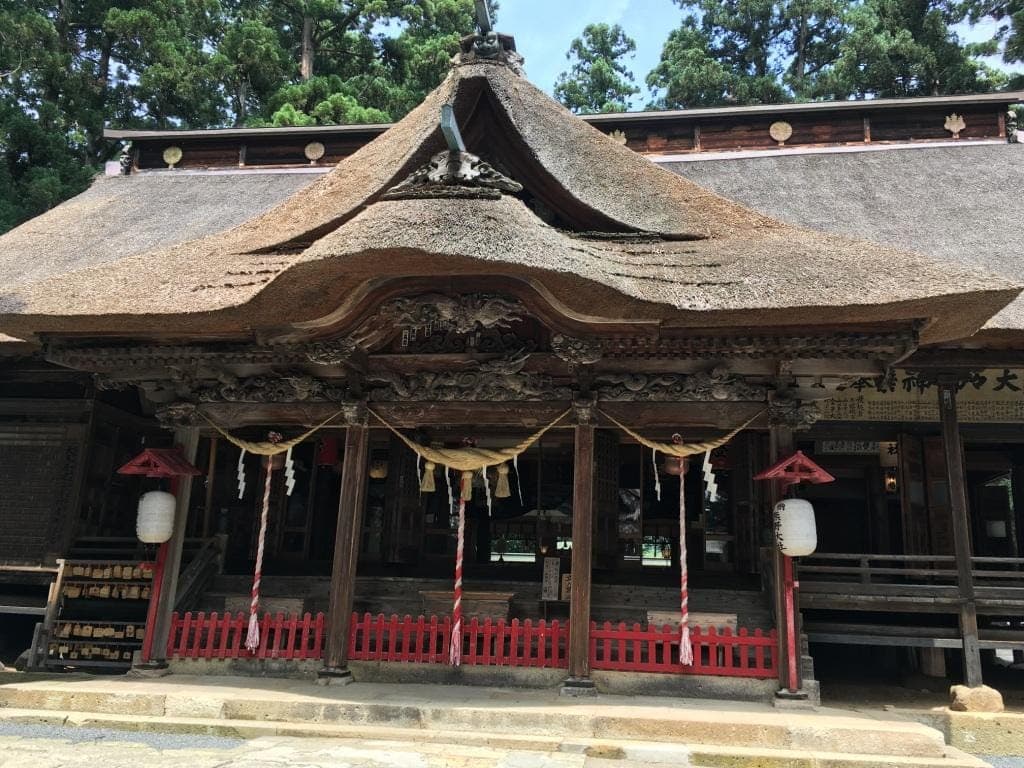
Kumano Shrine in Kyoto's Sakyo Ward is one of over 3,000 Kumanotype shrines in Japan. It enshrines the three Kumano deities of the Kii Peninsula and is part of the widespread Kumano faith rooted in ancient nature worship and shinbutsushugo, the fusion of...
왜 가볼 만한가
If you're visiting one of the three main Kumano Sanzan shrines in Wakayama (Hongu, Nachi, or Hayatama), plan for 20 to 40 kilometers between each location, so budget a full day or multi-day trip rather than trying to see all three in one outing.
The Nachi Fire Festival on July 14 features torches carried down a path to Nachi Falls in an ancient purification ritual that mimics the cascade of water itself.
Wear sturdy hiking boots with good ankle support if you plan to walk any section of the Kumano Kodo, as the stone staircases and mountain paths are steep and uneven.
Konchiin is a Zen Buddhist temple in Kyoto’s Nanzenji complex, best known for its Crane and Turtle Garden. Its carefully framed dry landscape, historic tea room, and quiet setting make it a refined example of Kyoto Zen aesthetics and borrowed scenery.
왜 가볼 만한가
Visit early on a weekday to avoid the groups that arrive after noon.
Position yourself low to the ground to capture the crane and turtle stones against the raked gravel; the best light is soft morning sun from the east side.
The tea room (shoin) is often open to visitors, offering a view of the garden from inside; ask the attendant about the borrowed scenery (shakkei) technique used in the design.
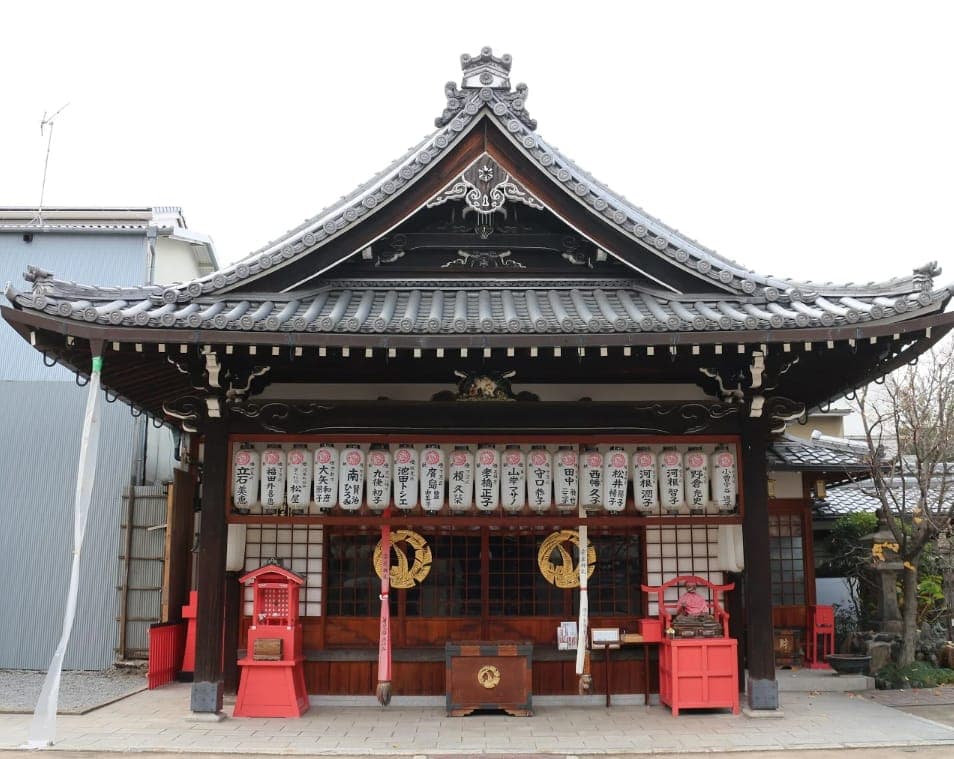
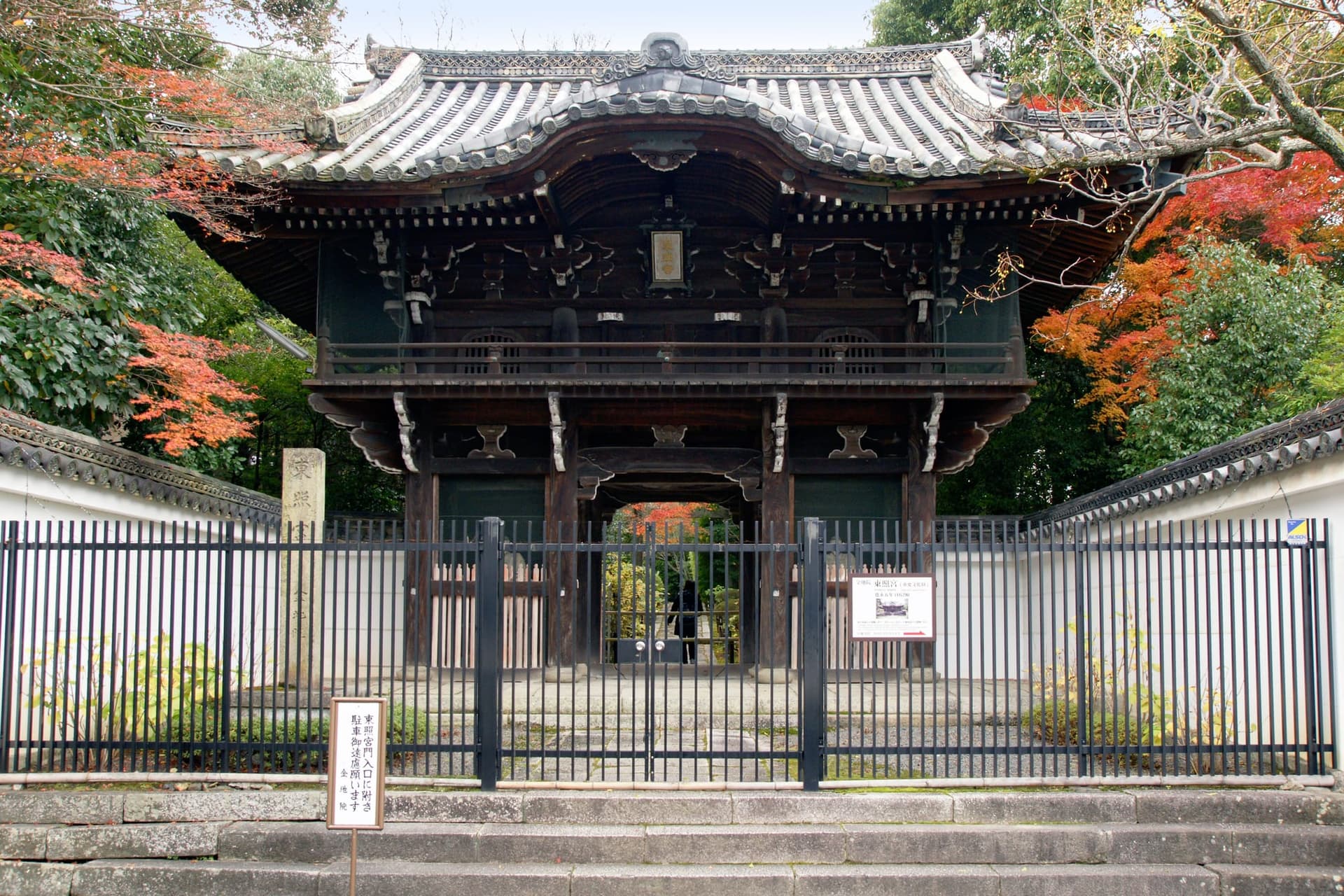
A Jodo Sect Buddhist temple in Kyoto, founded in 1603 by Tokugawa Ieyasu. Famous for its Shitsugi Jizo statue and offers authentic Japanese tea ceremonies in its historic 17thcentury grounds.
왜 가볼 만한가
Arrive early on weekdays, ideally right at opening, to experience the temple grounds before the afternoon tea ceremony crowds arrive.
The Jizo statue against a backdrop of maple leaves in autumn offers a striking contrast. For interior shots, the alcove housing the statue benefits from soft morning light streaming through the shoji screens.
When participating in the tea ceremony, remove your socks if requested and handle the tea bowl with both hands as a sign of respect. Silence mobile phones completely during the ritual.