
입장료
확인되지 않음
한눈에
Visitors must climb exactly 108 stone steps called Samurai-zaka to reach the main shrine, a number with spiritual significance in Buddhism and Japanese tradition.
The famous 'see no evil, speak no evil, hear no evil' monkey carvings here inspired a maxim that spread worldwide, yet few know they originated at a Toshogu shrine.
이 신사은 다양한 고슈인 디자인 1가지를 제공합니다
영업시간과 동일
일반
확인되지 않음
Climb the 108 stone steps (Samurai-zaka) early in your visit when you have the most energy, as the steep ascent leads to the main pavilions and offers unobstructed views of Wakanoura Bay from the esplanade.
Bring comfortable walking shoes with good grip since you'll be navigating cobblestone alleys, steep stone staircases, and forest paths on uneven terrain throughout the shrine complex. The 108 steps are particularly steep and can be slippery when wet.
Visit on a weekday rather than weekends to experience the shrine as a quiet neighborhood place of worship rather than a tourist attraction, which aligns with its current character as a rarely visited site despite its historical importance to the Tokugawa family.
Photography of the artwork inside the main pavilion and worship hall is strictly prohibited, so plan to spend time observing the intricate Edo-period carvings and paintings by the Kano and Tosa school artists in person rather than trying to capture them on camera.
Look for the famous carved elephants called Sozonozo Elephants near the storehouses past the entrance gate, which were created by an artist who had never actually seen an elephant and represent an imaginative interpretation of the animal.
Plan to spend at least two hours exploring the shrine complex, as the multiple pavilions, forest setting, and bay views reward a slower pace of discovery rather than a quick walk through. The quieter atmosphere means you won't feel rushed by crowds.
이 신성한 장소에서 숭배되는 신령들
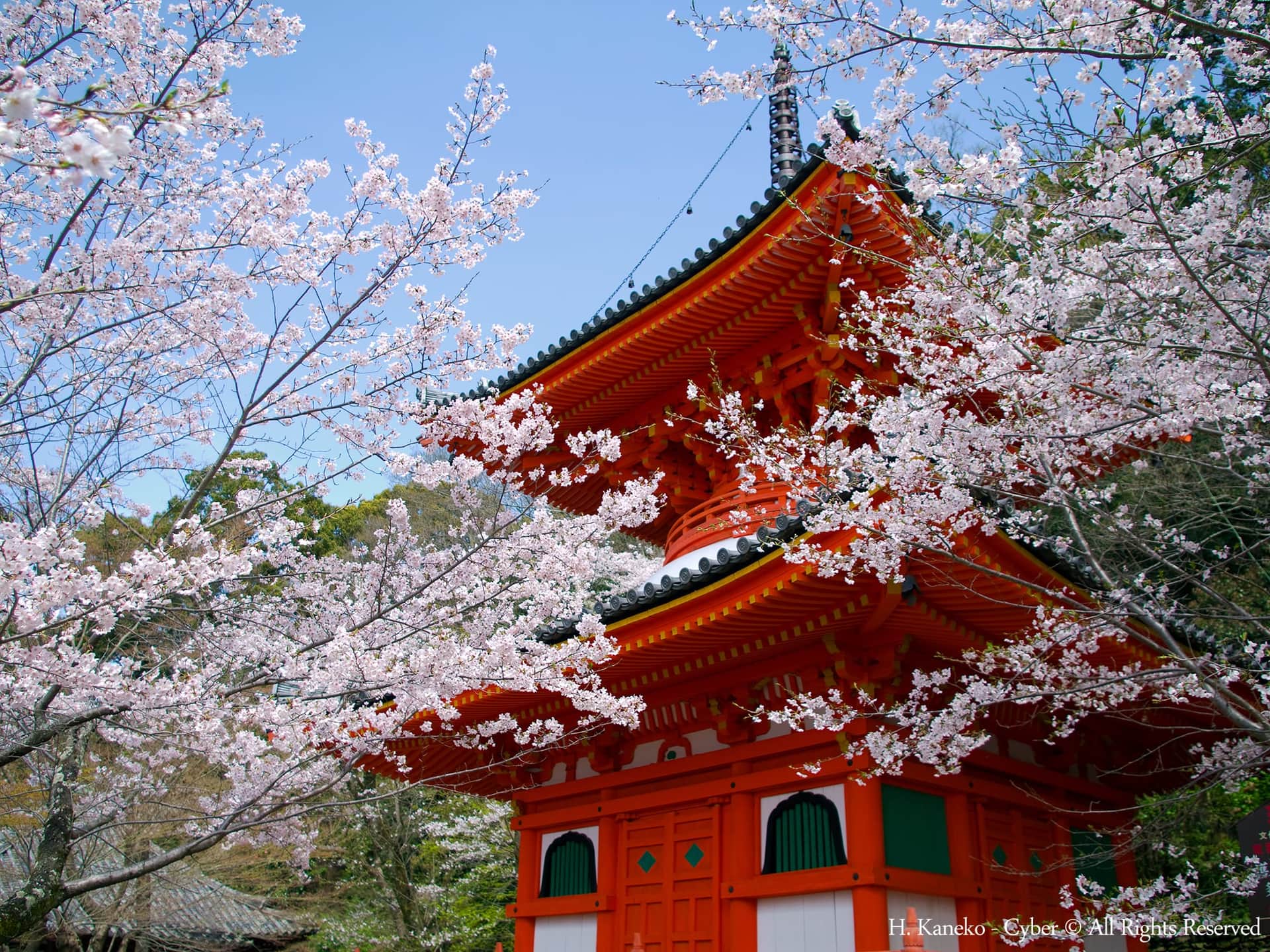
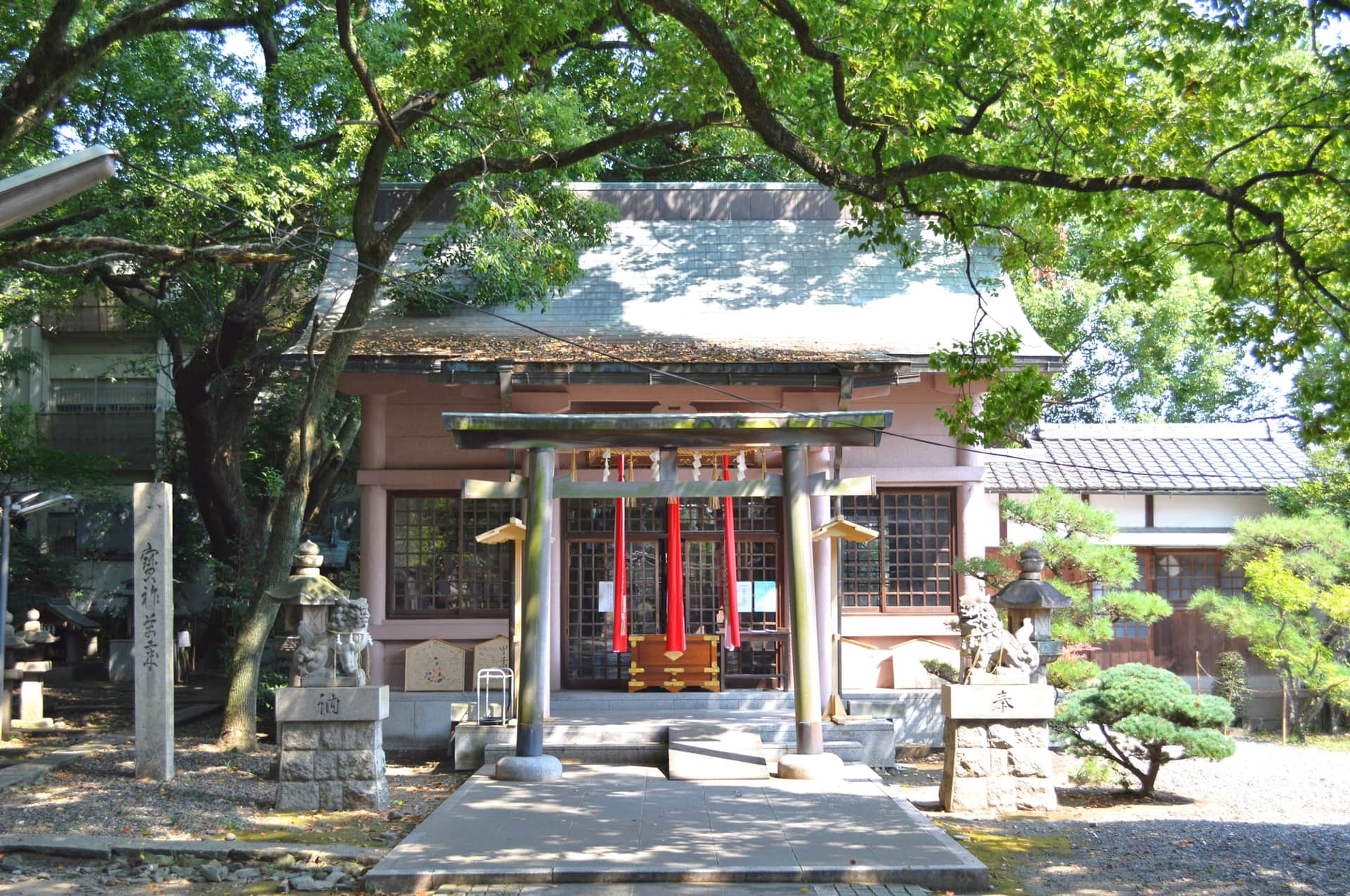
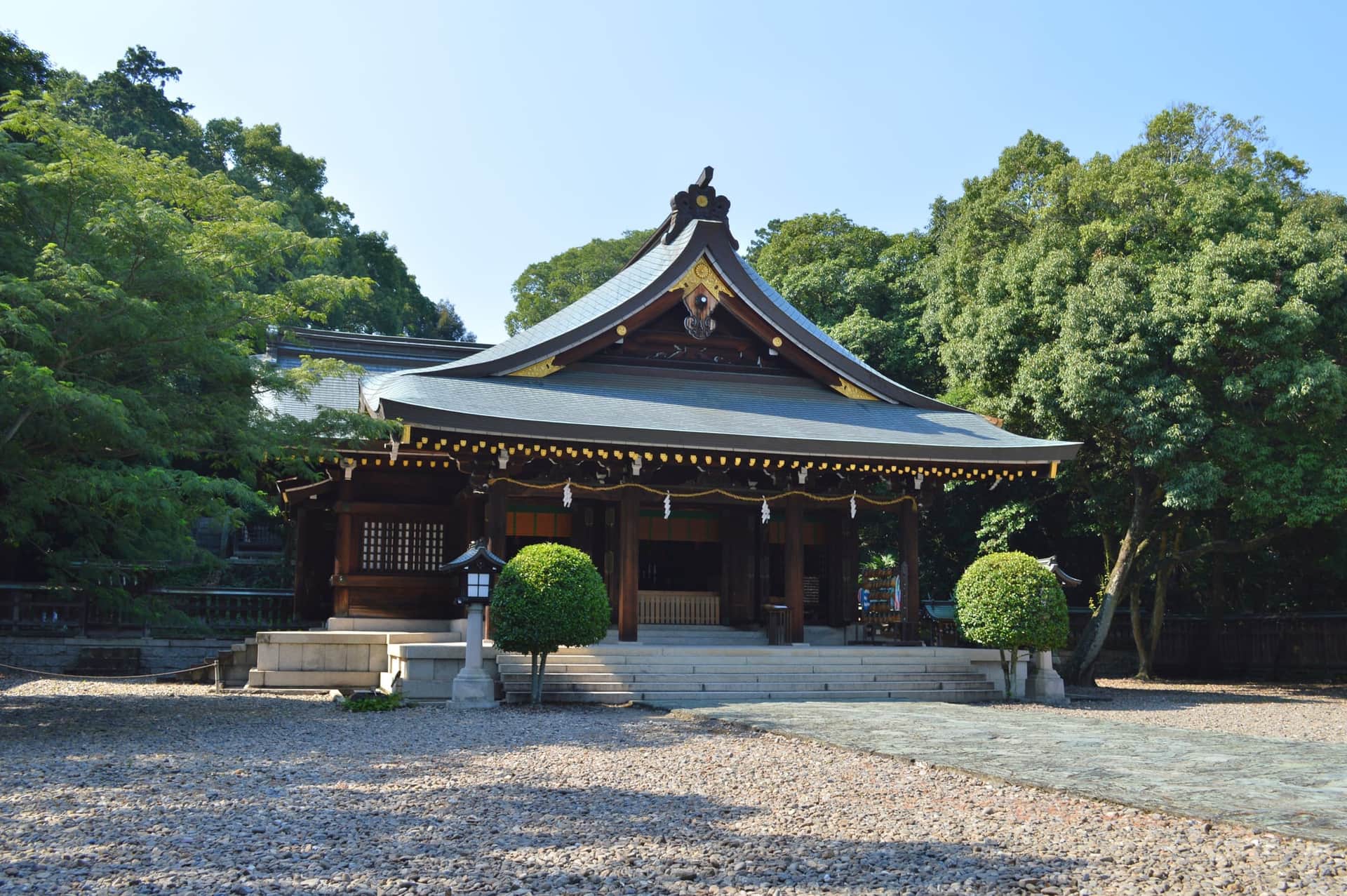
경내 건물 5개
와카야마시, 와카야마현 현
최근 게시물 0개
방문 경험을 공유해 다른 여행자를 도와주세요.
아직 공개 커뮤니티 게시물이 없습니다.



이곳이 베푼다고 여겨지는 것
이 장소와 연결된 다른 페이지입니다.
