Park in the shrine's free lot which accommodates 30 cars, but note that it fills quickly during the annual festival on October 15.
한눈에
A cedar tree struck by lightning in 1962 still stands at the shrine, its 3-meter lower trunk serving as a reminder of the massive tree that once towered over the grounds.
Visitors can walk through a massive hole in a sacred tree created by a lightning strike, which reveals how enormous the tree once was before being partially destroyed.
이 신사은 다양한 고슈인 디자인 1가지를 제공합니다
영업시간과 동일
일반
편의 시설
Park in the shrine's free lot which accommodates 30 cars, but note that it fills quickly during the annual festival on October 15.
Arrive by 9 AM on a weekday to experience the shrine's peaceful wooded grounds without other visitors. The shrine opens at 9:00 AM and closes at 5:00 PM, but the best window for solitude is right when it opens, especially Tuesday through Thursday.
Visit the small shrine dedicated to the water deity and the well with clean water accessible via the path between the trees. You can draw water using the provided ladle, and locals believe this 'water of life' has flowed from the same source since ancient times.
Walk through the kinomata-kuguri, the large hole in the sacred tree in front of the shrine office created by a lightning strike in 1962.
이 신성한 장소에서 숭배되는 신령들
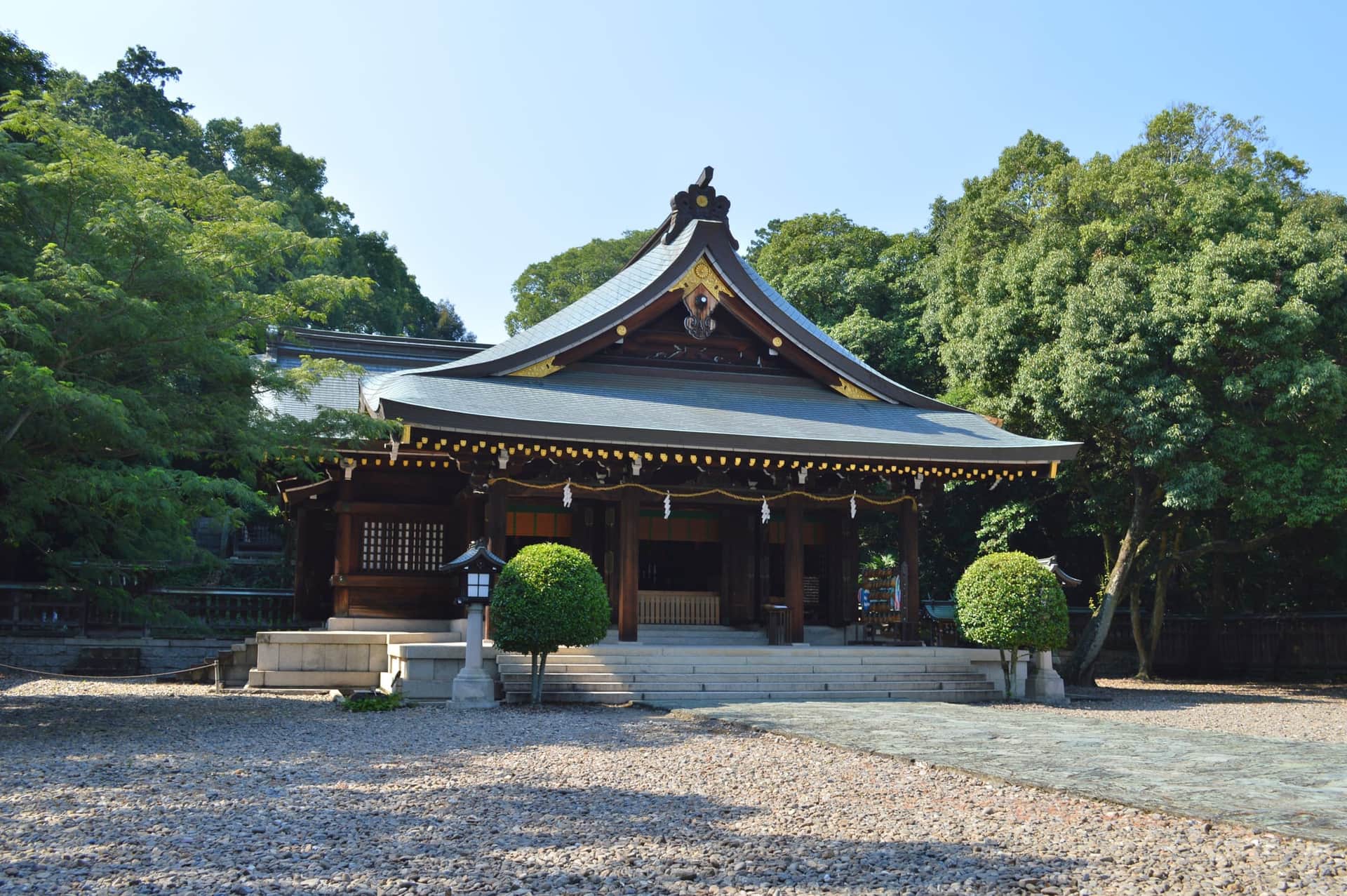

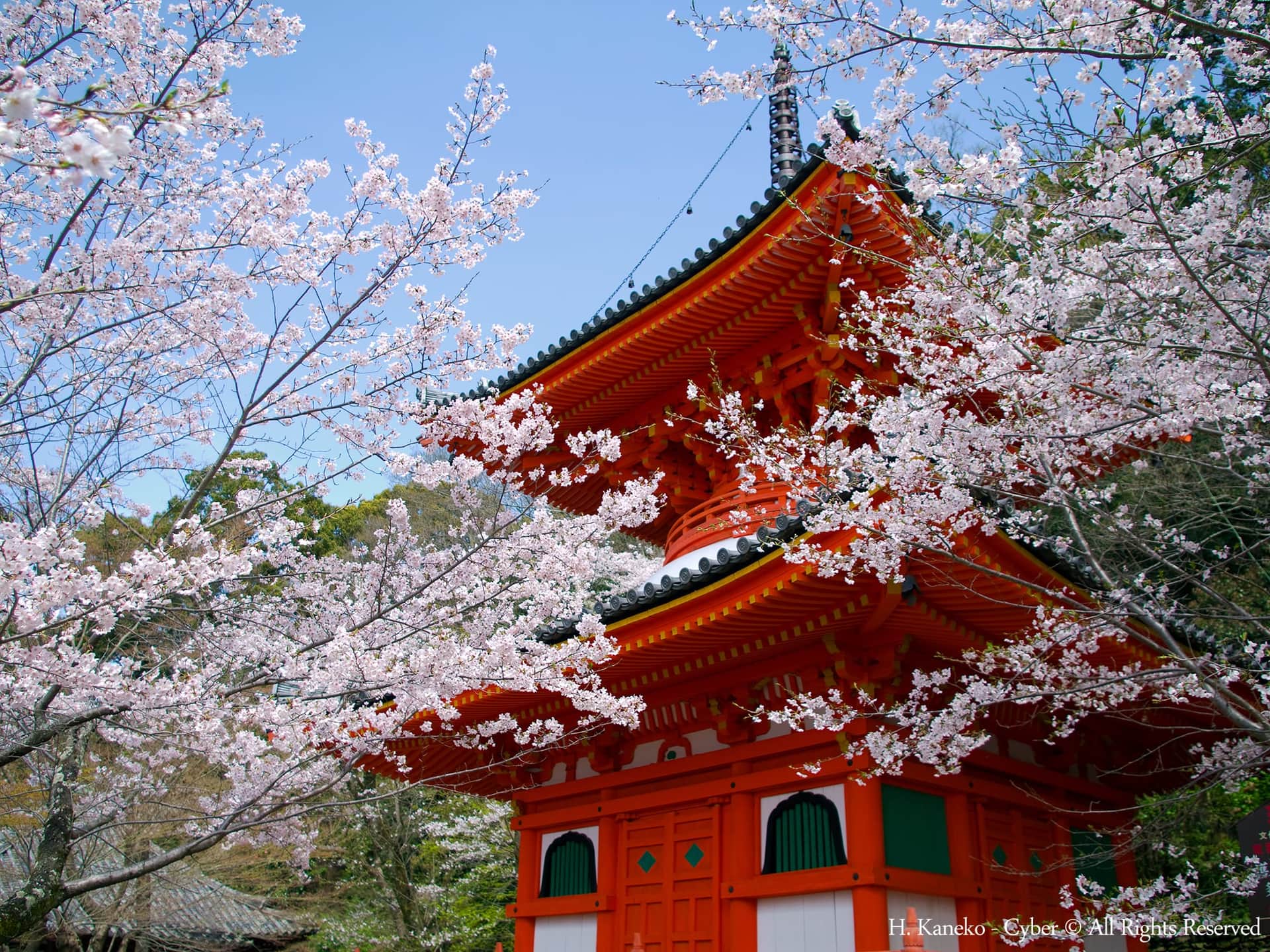
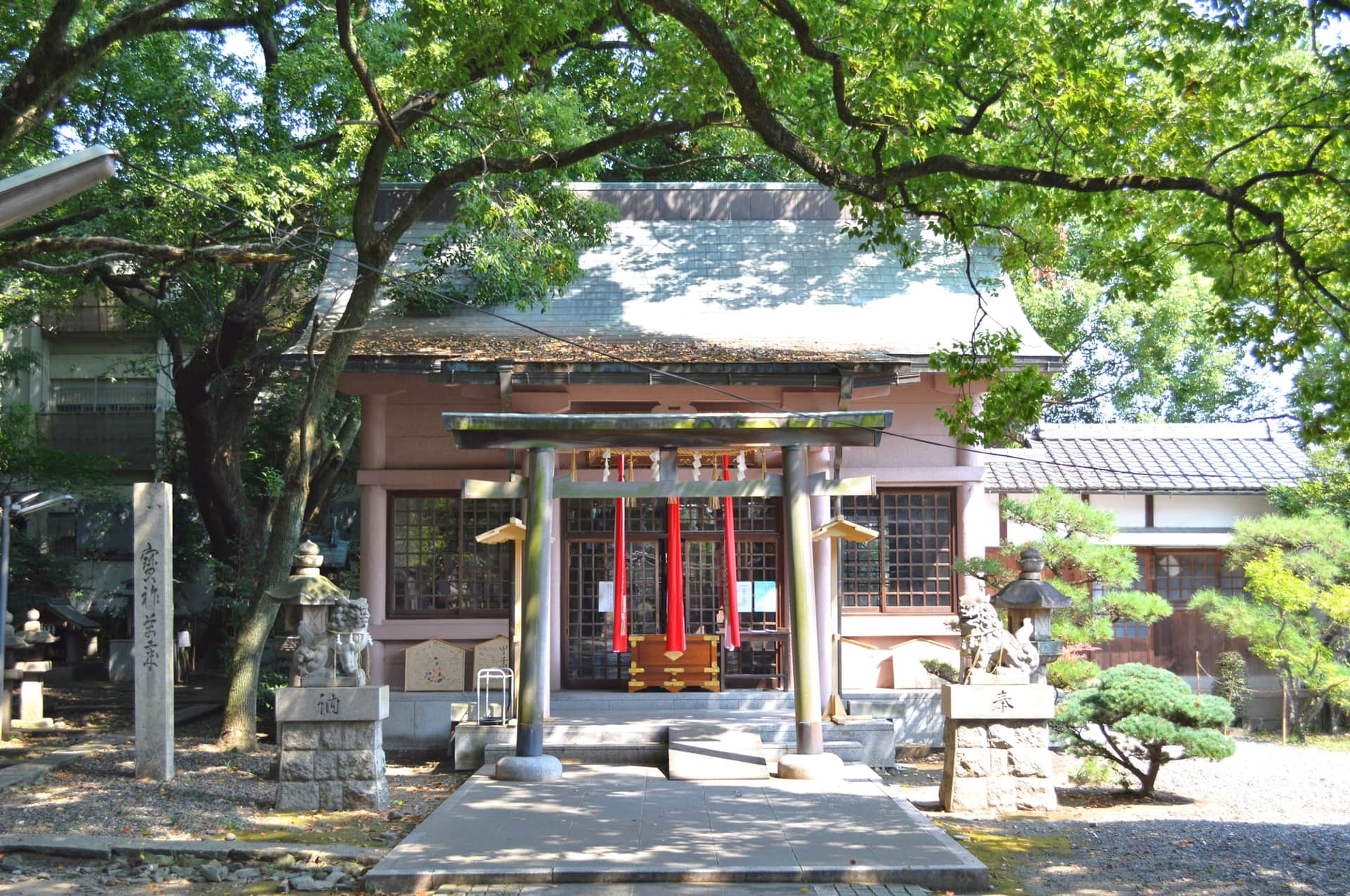


이 장소와 연결된 다른 페이지입니다.
확인되지 않음
와카야마시, 와카야마현 현
이곳이 베푼다고 여겨지는 것
최근 게시물 0개
방문 경험을 공유해 다른 여행자를 도와주세요.
아직 공개 커뮤니티 게시물이 없습니다.
300m 이내 600m 이내