
12월 18일 오전 9시경 방문하신다면 Shimai Kannon 축제에 일찍 도착하세요. 이때 사찰에서 무료로 축복받은 아마자케(단 쌀 술)와 새해 행운을 위한 특별 무 다이콘(500엔)을 제공하지만 수량이 제한되어 있고...
한눈에
Look up the stone stairway framed by some of the earliest-blooming cherry trees in Kansai, and you’ll catch your first glimpse of a hillside sanctuary that has welcomed pilgrims for more than a millennium. This is Kimii-dera, the “Temple of Three Springs,” poised above Wakayama City with sweeping views toward Wakanoura Bay. Revered on the famed Saigoku 33 Kannon Pilgrimage and celebrated for spring blossoms that often arrive before anywhere else in the region, Kimii-dera blends water, hillside, and sky into a single act of devotion. Its name points to three sacred wells within the grounds, its heart to the merciful Bodhisattva Kannon, and its story to a Nara-period foundation that still shapes the rhythm of prayer and poetry here today.
According to temple tradition, Kimii-dera was founded in the late 8th century, during the Nara period, when a monk associated with continental Buddhism discovered three pure springs on the slopes above the sea. Those springs—commemorated in the temple’s name—became both literal and symbolic sources of life for the precincts: water to cleanse, water to nourish, and water to reflect the moon-lit path of the pilgrim. In the centuries that followed, the temple rose to prominence as the second stop on the Saigoku circuit, a network of thirty-three sacred sites dedicated to Kannon that threads through western Japan. Court nobles, warrior lords, poets, and commoners alike paused here to seek compassion, safe travels, and the merit accrued by visiting these holy places in sequence.
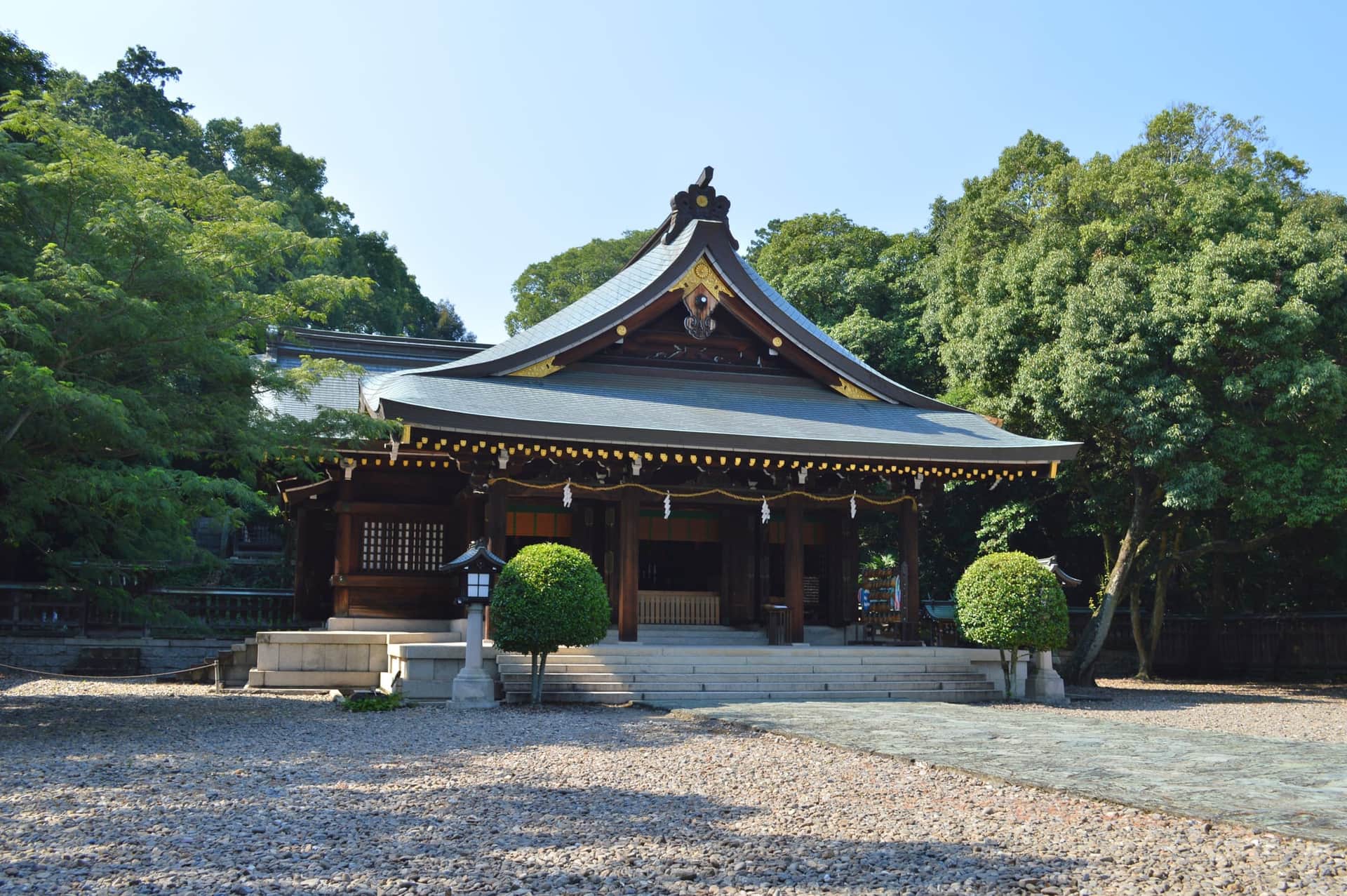
Walk the approach and you feel the history underfoot. The long flight of stone steps, hewn to hug the slope, carries you through a sequence of gates and courtyards that compress and release space in the classic manner of a mountain temple. Passing under a vermilion gate guarded by muscular Nio protectors—those thunderbolt grip and fierce gazes ritualize your departure from the ordinary—you emerge among halls articulated by broad verandas, dark lacquered columns, and the glow of gold within. The Main Hall (Hondo), rebuilt and refined over successive eras, embodies the robust timber carpentry that defines Japanese sacred architecture: pillars set on foundation stones, bracket complexes fanning like wings to distribute weight, and eaves that stretch wide to shield sacred images from rain and summer sun. Craftsmen rely on interlocking joinery rather than nails, allowing the structure to flex through time and tremor; roofs often carry cypress-bark shingles or tile, each course overlapping to cast the lingering shade that makes the precincts feel perpetually cool and calm.
Kimii-dera’s architectural ensemble unfolds naturally with the hillside. A three-storied pagoda punctuates the skyline, slender and perfectly balanced, its finial rising like a prayer etched in metal against the sky. The pagoda’s stories are calibrated in diminishing proportions—what looks effortless is a precise geometry of harmony. Nearby stand a bell tower, used to mark ritual hours, and smaller halls devoted to subsidiary deities who support Kannon’s work of compassion. Sculpted transoms let filtered light move across altars and tatami; carved flowers, phoenixes, and clouds ride those beams as if carried by wind. As you step inside the main worship space, you’ll sense the quiet presence of the principal image: Kannon in a form that emphasizes boundless mercy, cradled by offerings, fresh flowers, and the low murmur of sutras. Whether carved in the medieval centuries or refurbished in recent times, the icon’s visual language remains constant—multiple heads or many hands signaling her ability to see and aid every suffering being.
At the heart of Kimii-dera’s religious life is practice that is both intimate and universal. Pilgrims on the Saigoku 33 route arrive in white vests, broad-brimmed hats, and prayer beads, bow before the altar, light incense, and chant the Heart Sutra, the quintessential Buddhist teaching of wisdom beyond words. They receive a calligraphed seal in their pilgrimage books at the nokyo office, a living record of their journey. Locals visit to pray for safe childbirth, health, and good fortune, often drinking or drawing a ladle from one of the temple’s three sacred springs. The wells—celebrated for purity since antiquity—feed a spiritual ecology as much as a physical one; water here is a medium of blessing. Seasonal observances mark the calendar: early sakura bursting pink against temple red; summer’s deep leafy shade; autumn’s russet maples casting a warm glow along the terraces; winter’s crystalline air sharpening views to sea and city. In each season, the temple’s bells and intoned sutras thread the day.
Kimii-dera’s cultural aura extends well beyond its precinct walls. The view toward Wakanoura, celebrated by classical poets in the Manyoshu and later anthologies, frames the temple’s courtyards like a painted screen. That panorama—tidal flats, river mouths, and the gentle arc of coast—has long attracted painters and writers who come here to capture the way light folds across water. During the Heian and Kamakura periods, aristocrats and priests endowed the temple; in the Edo period, patronage from regional lords of Kii Domain helped sustain rebuilds after fires and storms. Each reconstruction drew on contemporary craftsmanship while preserving the ritual heart of the site, so that today you read the temple as a palimpsest of eras: Nara legend in the springs, medieval devotion in carved icons, early modern carpentry in beams and bracketing, and modern conservation in discreet reinforcements that protect timber frames without disturbing their silhouette.
Listen closely to the crafts. The main hall’s pillars carry subtle tool marks—adze-squared surfaces that guide the eye upward—and the bracket arms are notched and dovetailed to lock without metal. Ceiling panels often bear paintings of dragon and lotus, motifs that suggest both power and purity; when incense rises, those images seem to stir. Lanterns hang heavy with the patina of touch, and offering tables gleam with the polish of generations. Even the paving stones tell a story: here a rill channels rainwater with garden-maker’s restraint; there a mossed edge softens a stair tread so footsteps fall quiet. In the calm between tour groups you can hear water move, a reminder that the three springs still animate this hillside temple.
For visitors today, Kimii-dera is both a pilgrimage stop and a serene half-day escape above the city. Practical access is straightforward: the nearest rail gateway is Kimiidera Station, operated by JR West in Wakayama City on the coastal line linking neighborhoods and towns across the prefecture. From the station, it’s a short walk through the district to the base of the hill and then a steady ascent of stone steps into the precincts. Along the way, you’ll pass small shops offering sweets, charms, and seasonal snacks; in spring, vendors sell treats beneath arching cherry boughs. Within the temple grounds, treasure halls periodically display statues, sutras, and ritual implements that reveal the depth of Kimii-dera’s holdings; even when not on view, interpretive signs and caretakers’ explanations help decode what you see.
What should you look for? First, the play of vistas: stand at the main hall’s veranda and let the city and sea open below you, then turn back toward the pagoda and watch how its tiers align with the ridgeline. Second, the living practice: listen for pilgrims chanting, watch the careful way a priest replenishes the flower vases, consider how each gesture choreographs attention. Third, the water: trace the channels that feed basins and gardens, find the springs, and notice how water’s presence—cool, clear, constant—shapes the atmosphere. Finally, if you are here in early spring, savor the moment when the first cherry blossoms ignite the slopes. Locals say Kimii-dera announces spring for Wakayama; once these trees bloom, the season has truly arrived.
Kimii-dera’s lasting power lies in its balance. It ties an ancient tale of discovery to daily acts of care; it marries robust carpentry with delicate detail; it links a hillside temple to a horizon of sea and sky. As the bell sounds and gulls cross the bay below, you feel how this place gathers elements—earth, water, wood, and light—into one practice of attention. Whether you come as a pilgrim on the Saigoku 33 Kannon route or as a curious traveler stepping off JR West rails at Kimiidera Station, the temple offers a clear invitation: climb, look, listen, and drink deeply from the springs of compassion.
The temple's cherry trees are so significant that one serves as the official "sample tree" for Japan's Meteorological Agency, when it blooms, spring is officially declared for the entire Kansai region.
The 231 stone steps are called "Ketsuen-saka" (Slope of Karmic Bond) after a merchant named Eimon met his future wife here through a simple act of kindness, leading to their prosperous marriage.
이 사찰은 다양한 고슈인 디자인 1가지를 제공합니다
일반
편의 시설
12월 18일 오전 9시경 방문하신다면 Shimai Kannon 축제에 일찍 도착하세요. 이때 사찰에서 무료로 축복받은 아마자케(단 쌀 술)와 새해 행운을 위한 특별 무 다이콘(500엔)을 제공하지만 수량이 제한되어 있고...
벚꽃 시즌(3월 말~4월 20일)에 방문하세요. Kimii-dera의 1,200그루 벚나무는 간사이 지역 대부분의 명소보다 일찍 개화하는데, 이 사찰에 지역의 봄 도래를 알리는 공식 기상 관측 표본목이 있기 때문입니다.
231개의 돌계단을 오를 준비를 하시되, 접근성 옵션도 있습니다: 케이블카(편도 600엔, 70세 이상 방문객 반값)와 약 1/3 지점의 화장실을 지나면 있는 무료 엘리베이터가 도움이 될 수 있습니다...
西国三十三所观音巡礼에 참여하시는 분은 納経所를 방문하여 순례수첩에 손으로 쓴 사찰 인장을 받으시기 바랍니다. Kimii-dera는 이 유서 깊은 서일본 순례길의 두 번째 성지입니다.
전망대와 본당 베란다에서 시간을 보내며 와카야마시와 와카노우라만의 파노라마 전망을 감상하세요. 헤이안 시대부터 시인들에게 영감을 주어온 이 경치는 지금도 사찰의 가장 유명한 특징 중 하나로 남아 있습니다...
계절별 축하 행사 및 특별 행사




로도 알려져 있음 Temple of the Three Wells
와카야마시, 와카야마현 현
최근 게시물 0개
방문 경험을 공유해 다른 여행자를 도와주세요.
아직 공개 커뮤니티 게시물이 없습니다.
이 장소와 연결된 다른 페이지입니다.