Pagare l'ingresso di 500 yen per entrare nel Giardino Interno (Naien) se visiti tra la metà di maggio e la metà di giugno per vedere i fiori di iris al loro apice, oppure da fine novembre all'inizio di dicembre per il fogliame autunnale.
A colpo d'occhio
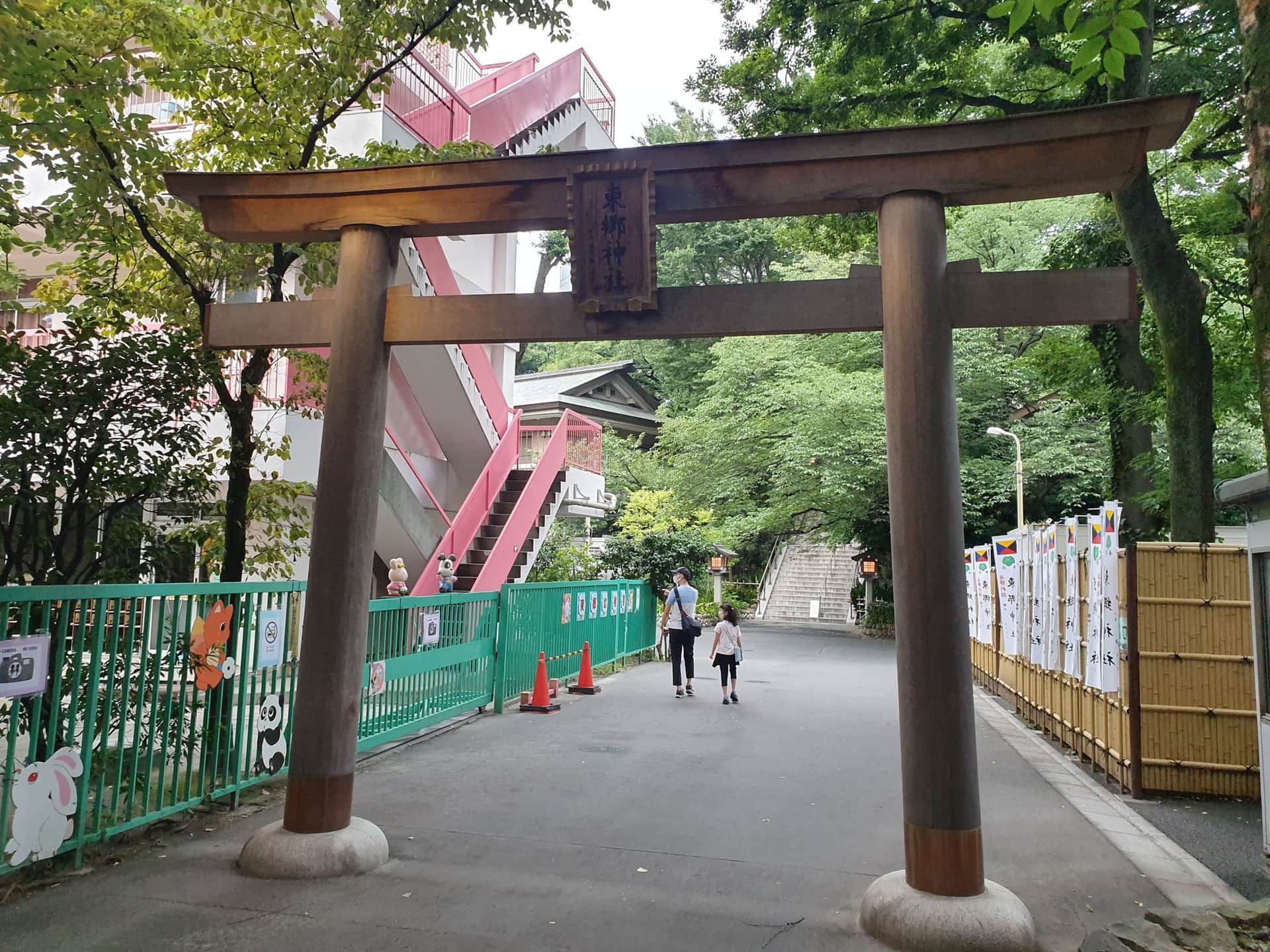
Ogni anno, più di tre milioni di persone attraversano lo stesso imponente portale di legno solo nei primi giorni di gennaio, rendendo questo singolo sito sacro il luogo di culto più visitato in tutto il Giappone durante il periodo del Capodanno. Quel portale, il grande torii all'ingresso meridionale di Meiji Jingu, si erge da un corridoio boschivo nel cuore di Shibuya, Tokyo, e nel momento in cui ci si passa sotto, la città semplicemente scompare.
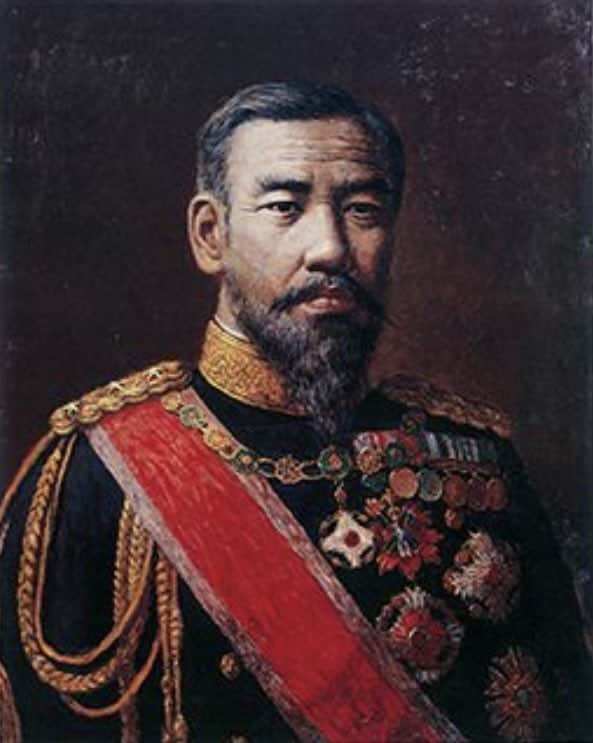
La storia di Meiji Jingu inizia con una morte e una domanda. Quando l'Imperatore Meiji morì il 30 luglio 1912, il Giappone non aveva un quadro giuridico chiaro su cosa dovesse seguire. Egli aveva presieduto una delle più drammatiche trasformazioni nazionali della storia moderna, guidando il Giappone da una società feudale e isolata a una potenza industrializzata durante la Restaurazione Meiji. Nato nel 1852, salì al trono nel 1867 proprio nel punto di svolta di quella trasformazione. Al momento della sua morte, il Giappone aveva una costituzione moderna, un governo parlamentare, una rete ferroviaria nazionale e un esercito che aveva sconfitto sia la Cina che la Russia. La domanda posta dalla sua morte non era meramente cerimoniale. Era: come onora una nazione un uomo che l'ha ricostruita?
Nel giro di poche settimane, figure prominenti tra cui l'industriale Shibusawa Eiichi e il Sindaco di Tokyo Sakatani Yoshiro avevano formato un comitato e pubblicato un memorandum formale che delineava una visione: un santuario con un recinto interno finanziato dallo stato e un recinto esterno finanziato da donazioni pubbliche. Il sito che identificarono era la Tenuta Imperiale di Yoyogi, un terreno di 73 ettari nell'ovest di Tokyo che in precedenza era servito come residenza privata del clan Kato del dominio Higo nel primo periodo Edo, poi come tenuta inferiore del clan Ii del dominio Hikone dal 1640, prima di essere acquistato dal governo Meiji nel 1874.
La Dieta Imperiale approvò formalmente il progetto, e il 1° maggio 1915, la creazione di Meiji Jingu fu ufficialmente annunciata. La costruzione iniziò sotto la direzione dell'architetto Ito Chuta nel tradizionale stile nagare-zukuri, utilizzando principalmente cipresso giapponese e rame. Le principali travi strutturali provenivano da Kiso nella Prefettura di Nagano e da Alishan a Taiwan, allora territorio giapponese, con materiali provenienti da ogni prefettura dell'impero, inclusi Karafuto, Corea e Kwantung. La costruzione fu un'impresa genuinamente nazionale: gruppi giovanili e associazioni civiche di tutto il Giappone contribuirono con lavoro e finanziamenti, e 100.000 alberi furono donati da cittadini di ogni regione del paese e piantati a partire dal 1916.
Il santuario fu formalmente consacrato il 3 novembre 1920, compleanno dell'Imperatore Meiji, e i suoi terreni furono completamente terminati entro il 1926. Il volume interno originale del complesso del santuario era di 650 tsubo. Il costo totale stimato della costruzione fu di 5.219.000 yen in termini del 1920, all'incirca equivalenti a 26 milioni di dollari statunitensi odierni, anche se questa cifra rappresentava solo circa un quarto del valore effettivo perché così tanto materiale e lavoro furono donati. Fino al 1946, Meiji Jingu deteneva
La foresta sacra si estende su 70 ettari con 120.000 alberi di 365 specie, donati da tutto il Giappone alla fondazione del santuario.
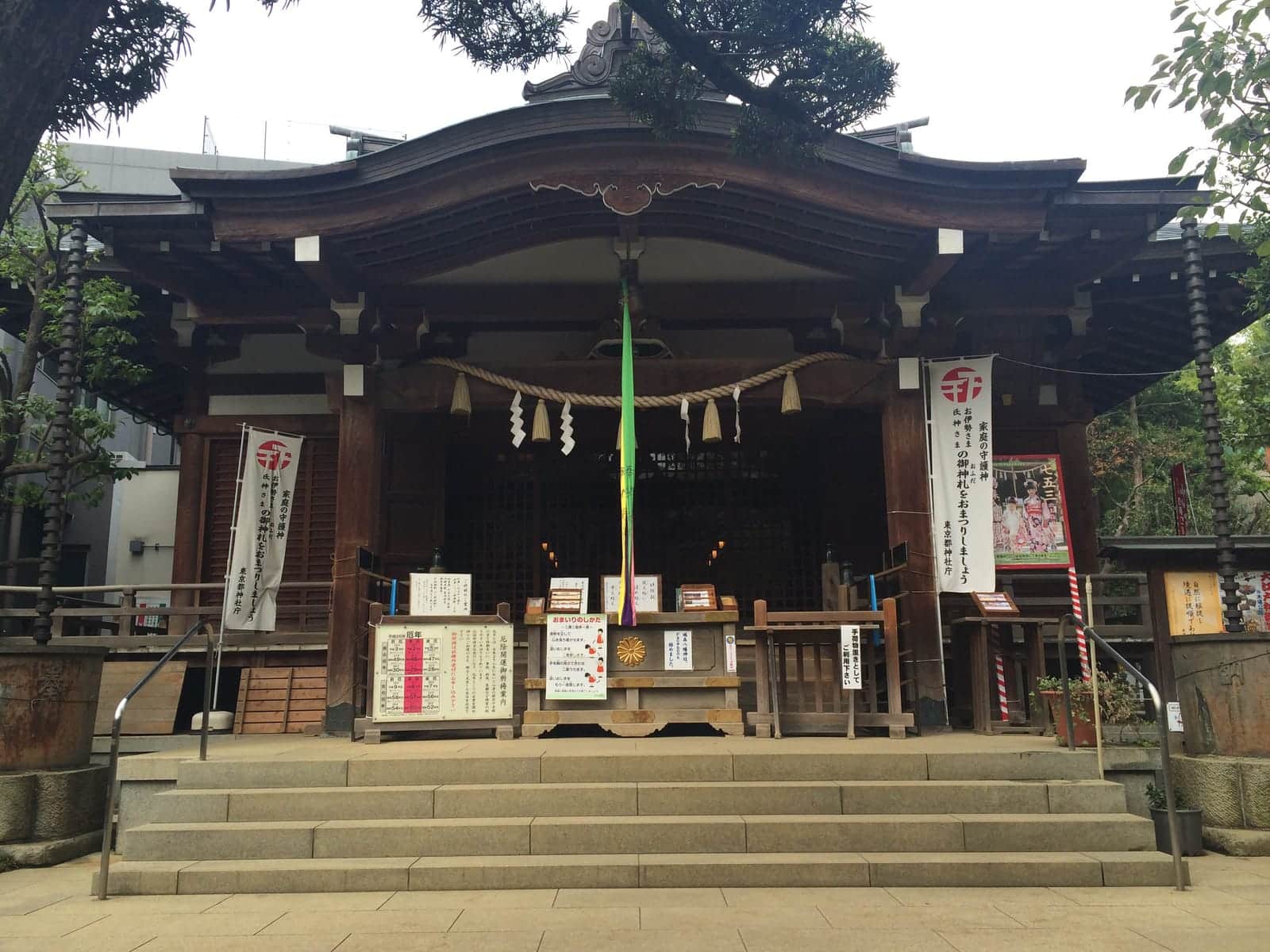
Gli edifici originali del santuario furono completamente distrutti nei bombardamenti aerei di Tokyo del 1945, ma la struttura fu fedelmente ricostruita entro il 1958 utilizzando lo stesso stile tradizionale nagare-zukuri e gli stessi materiali dell'originale.
Questo santuario offerte 2 diversi modelli Goshuin
Edizione limitata
¥1500
Regolare
Pagare l'ingresso di 500 yen per entrare nel Giardino Interno (Naien) se visiti tra la metà di maggio e la metà di giugno per vedere i fiori di iris al loro apice, oppure da fine novembre all'inizio di dicembre per il fogliame autunnale.
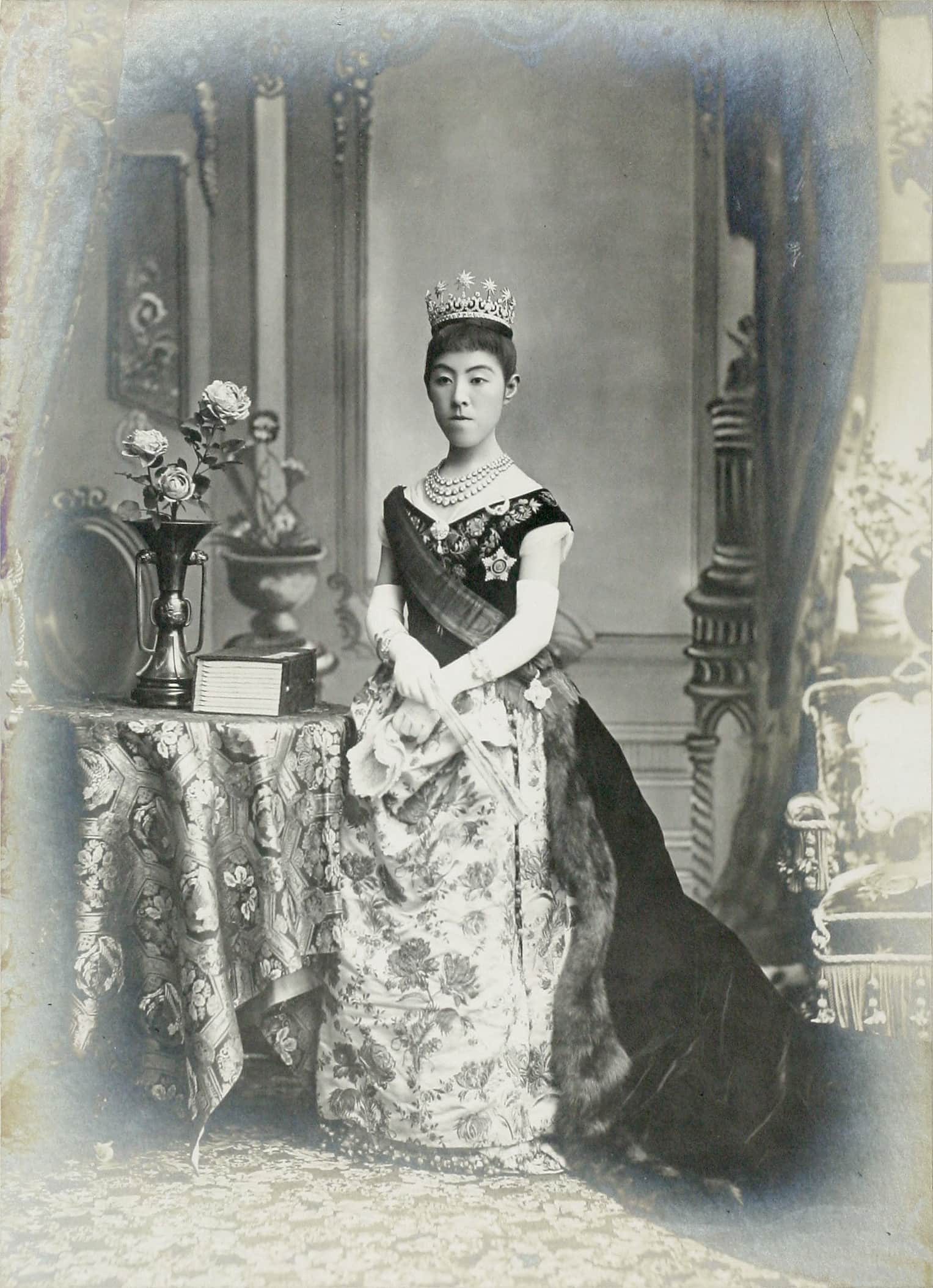
Invece di estrarre un omikuji standard, chiedi l'Oomikokoro (大御心), che è unico a questo santuario e consiste in poesie scritte dall'Imperatore Meiji o dall'Imperatrice Shoken con un commento esplicativo piuttosto che predizioni di fortuna.
Visita il mattino di un giorno feriale subito dopo l'apertura (gli orari variano a seconda della stagione, ma in genere tra le 5:00 e le 6:40 circa a seconda del mese) per vivere la foresta in quasi completa solitudine prima dell'arrivo dei gruppi di turisti.
Se visitate durante l'Autumn Grand Festival (dalla fine di ottobre al 3 novembre), pianificate di assistere alle dimostrazioni tradizionali di arti marziali e alle esibizioni di tiro con l'arco a cavallo (yabusame) che vengono proposte durante questo periodo.
Indossa scarpe comode. Da Stazione di Harajuku al santuario ci sono circa 10 minuti a piedi su ghiaia, ma attraversare la foresta richiede più tempo. I sentieri sono irregolari, cammina con attenzione.
Gli spiriti divini veneravano in questo luogo sacro
15 strutture sul terreno
Risposte pratiche per pianificare questa visita specifica.
Se visiti solo il santuario, avrai bisogno di circa 1 ora. Se intendi visitare anche il Giardino Interno e il Meiji Jingu Museum, probabilmente impiegherai circa 2 ore.
Non ci sono depositi bagagli all'interno del complesso del Meiji Jingu.
È consentito mangiare e bere solo nelle aree designate. Si prega di astenersi dal mangiare e bere in qualsiasi altro luogo all'interno del complesso.
I ristoranti e il negozio di souvenir accettano carte di credito. L'ufficio degli amuleti, il Kaguraden e lo sportello dei Goshuin non le accettano.
Sì. Il Wi-Fi è disponibile nei ristoranti e nei negozi di souvenir.
Si prega di chiamare il numero 03-3379-5511 (solo in giapponese). Si consiglia inoltre di chiedere informazioni presso qualsiasi posto di polizia nelle vicinanze.
Si prega di parcheggiare la bicicletta nell'area per biciclette situata all'ingresso del santuario prima di entrare.
Sì, è possibile. Tuttavia, è vietato fotografare davanti al santuario principale dove le persone stanno pregando. Si prega inoltre di astenersi dal fotografare l'ufficio degli amuleti.
Meiji Jingu merita una visita in ognuna delle quattro stagioni e in qualsiasi periodo dell'anno. Ha un rigoglioso ambiente naturale e ci sono vari rituali ed eventi durante tutto l'anno.
Sì, puoi. Ti preghiamo di vivere lo Shinto in questo luogo sacro.
Shibuya, Tokyo Prefettura
Non confermato
Folle tipiche
Vivace
Durata della visita
90+ minuti
Altre pagine utili collegate a questo luogo.
Ciò che si crede questo luogo possa concedere
74 post recenti
4.8
16 recensioni
Pianifica la tua visita in base al calendario. I primi giorni di gennaio attirano oltre tre milioni di persone per l'hatsumode, quindi se vuoi avere spazio per guardarti effettivamente intorno, vieni in qualsiasi altro periodo dell'anno.
I terreni del tempio premiano una passeggiata lenta, quindi concediti più tempo di quanto pensi ti serva. Le mattine dei giorni feriali tendono ad essere più tranquille rispetto ai fine settimana indipendentemente dalla stagione.
Indossa scarpe comode, poiché i sentieri coprono una discreta estensione. Controlla le opzioni di trasporto locale prima di partire, poiché i parcheggi vicino ai templi principali si riempiono rapidamente nei giorni di maggiore affluenza.
 IN
INIsabel Nijhuis ha fatto il check-in
Meiji Jingu
Shibuya, Tokyo
AJPro ha condiviso un goshuin
Entro 300 m Entro 600 m
Dati orari: Public Transportation Open Data Center