Admission
Gratuit
En bref
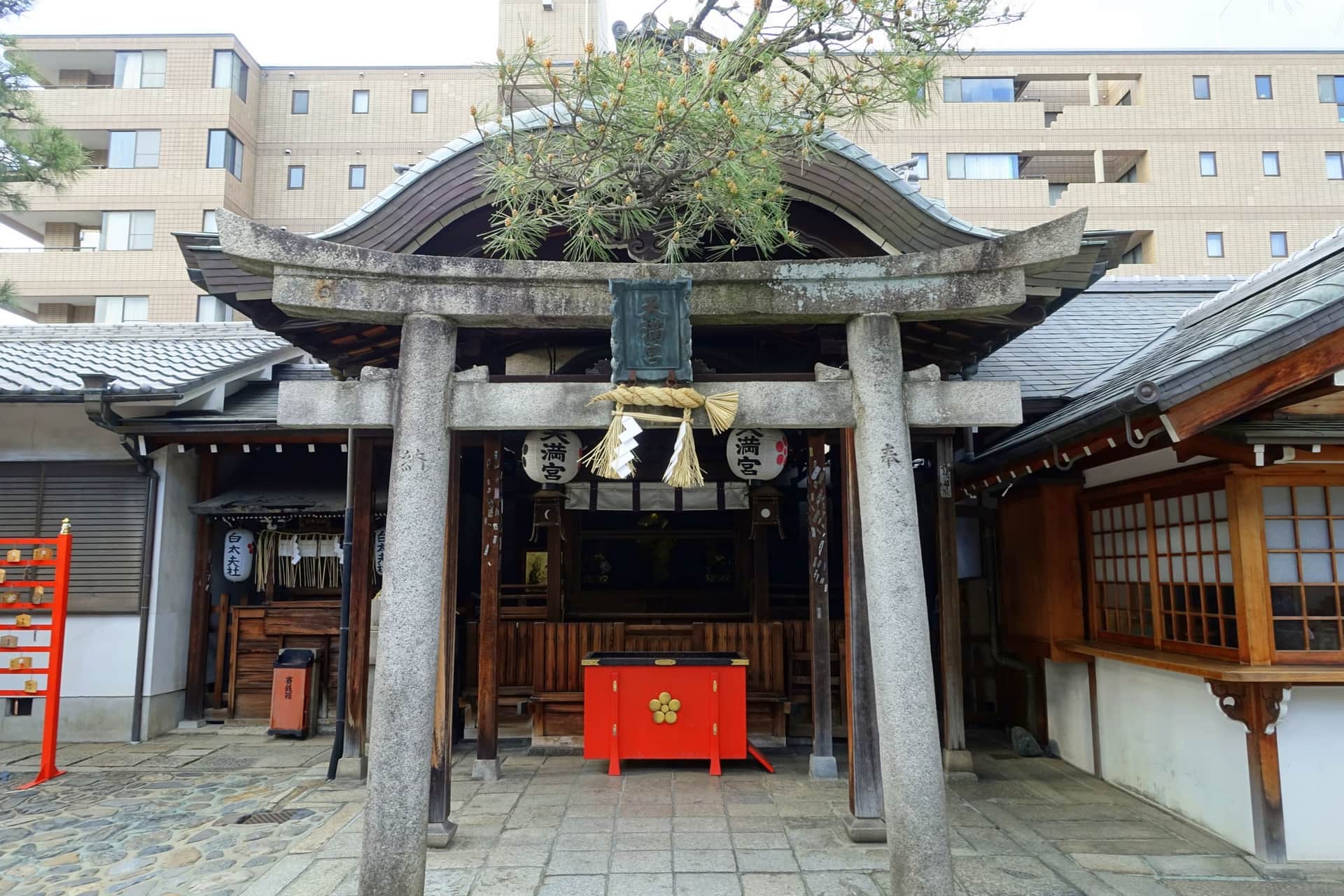
All five deities enshrined here are female goddesses, making it one of Japan's rare shrines exclusively dedicated to women's protection and well-being.
Founded in 795 as guardian of Kyoto's east and west markets, the shrine was relocated to its current location in 1591 when Toyotomi Hideyoshi rebuilt Kyoto.
The shrine's sacred Amano-Manaoi well water was historically used as birthing water for emperors' children and is counted among the seven famous waters of Rakuyo.
During the annual Hiina Matsuri Festival on March 3rd, real people dress as 'living hina dolls' in elaborate Heian-period costumes weighing up to 17 kilograms.
Gratuit
Gojo Gare
Keihan Shichijo Gare
Kiyomizu-Gojo Gare
Kawaramachi Gare
Kyoto Gare
Équipements
Boutique et souvenirs
Visite
Faits fascinants sur ce lieu
All five deities enshrined here are female goddesses, making it one of Japan's rare shrines exclusively dedicated to women's protection and well-being.
Founded in 795 as guardian of Kyoto's east and west markets, the shrine was relocated to its current location in 1591 when Toyotomi Hideyoshi rebuilt Kyoto.
The shrine's sacred Amano-Manaoi well water was historically used as birthing water for emperors' children and is counted among the seven famous waters of Rakuyo.
Autres pages utiles liées à ce lieu.
Kyoto, Kyoto Préfecture