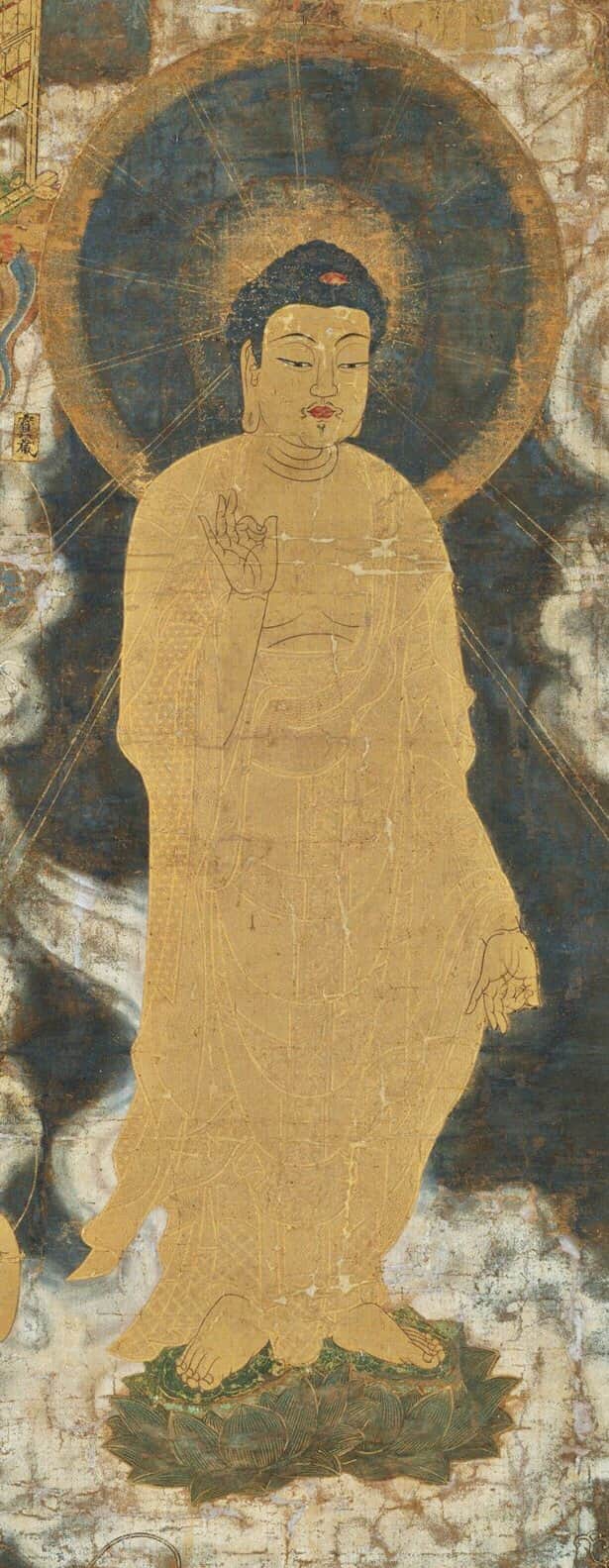
Goeidō
Hall principalWhat's this?
En bref
The temple burned down four times during the Edo period. After the devastating 1864 fire during the Kinmon incident, rebuilding didn't start until 1879 due to political turmoil from the Meiji Restoration.
Locals affectionately call the two Hongan-ji temples 'Onissan' (Honorable Mr. West) and 'Ohigashisan' (Honorable Mr. East), treating them like friendly neighbors rather than grand religious institutions.
Ce temple offre 2 designs de goshuin différents
Identiques aux heures d'ouverture
Régulier
Régulier
¥1 000
Équipements
Les esprits divins vénérés en ce lieu sacré
12 structures sur le site
Non confirmé
Shimogyo, Kyoto Préfecture
Autres pages utiles liées à ce lieu.
Ce que ce lieu est censé accorder

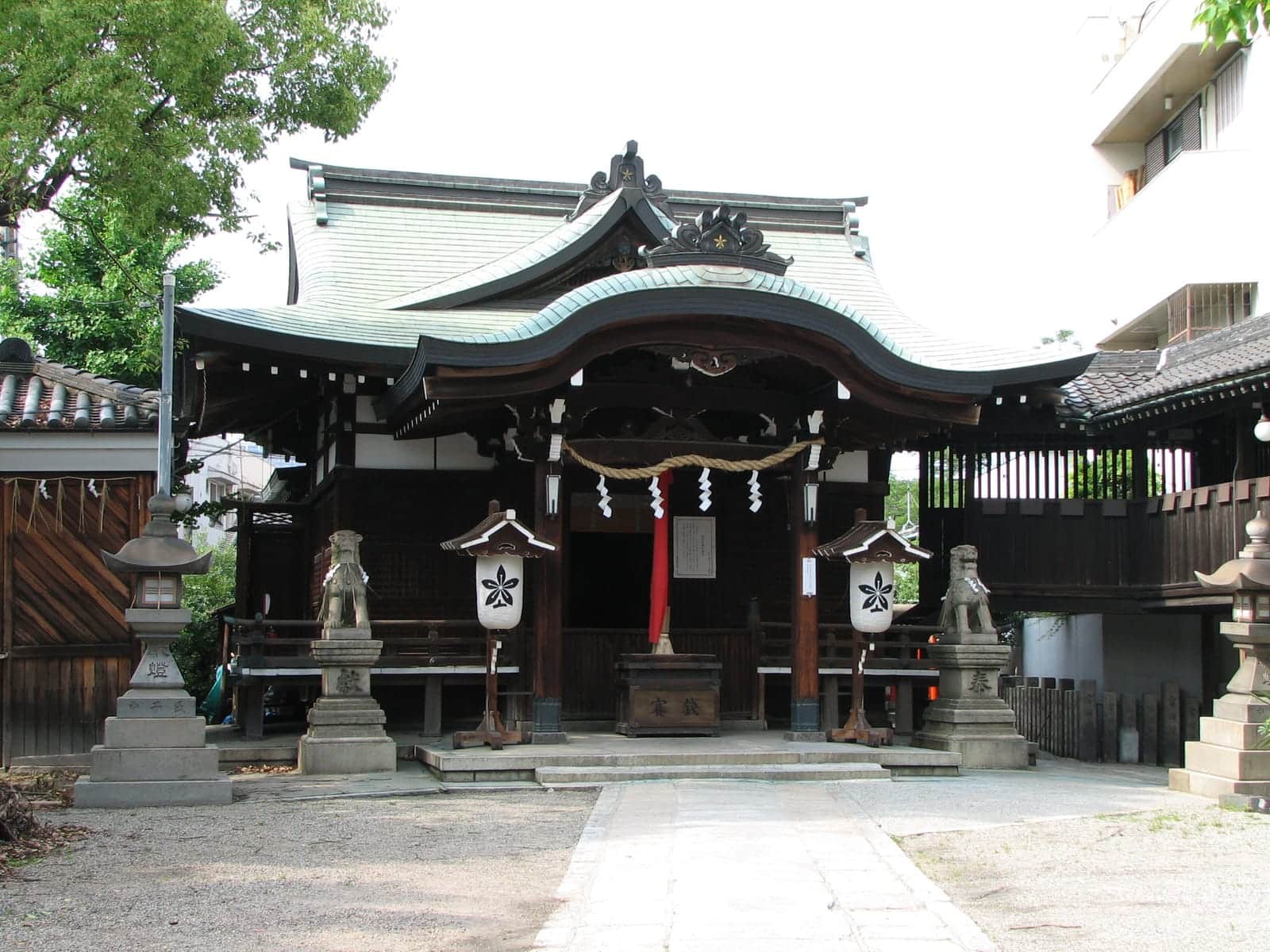

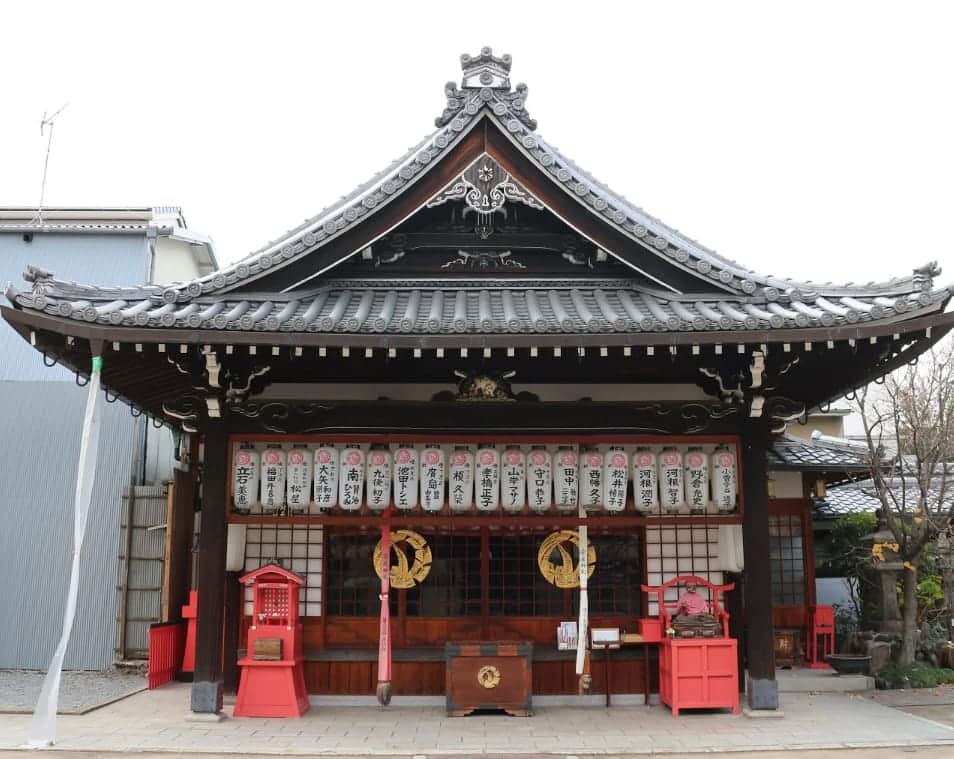
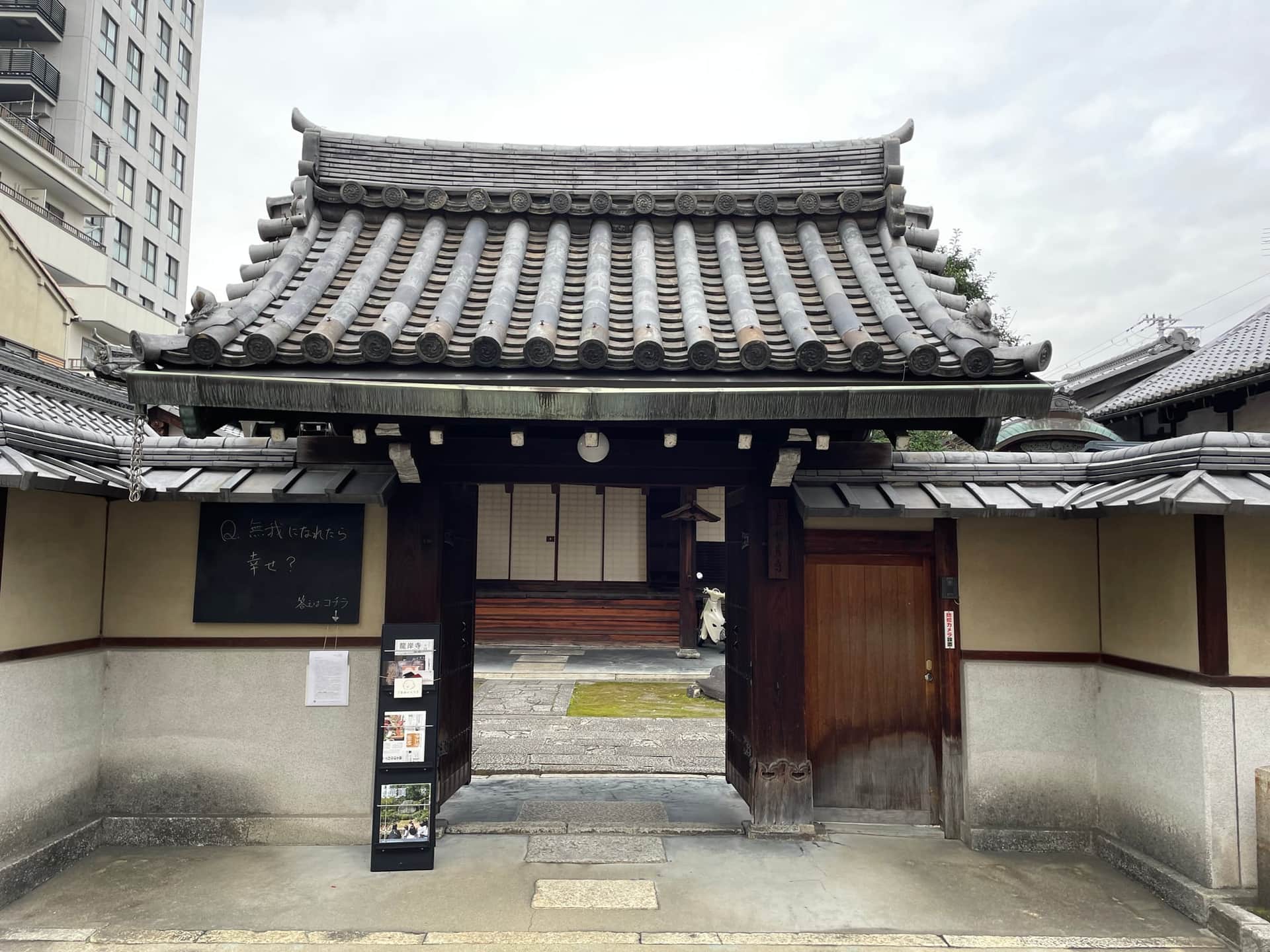
9 publications récentes
4.7
3 avis
Higashi Honganji est le temple principal de l'école Jodo Shinshu Otani, situé à environ cinq minutes à pied de la gare de Kyoto. L'entrée dans l'enceinte est gratuite, et le temple attire un mélange de touristes et de fidèles locaux tout au long de la semaine. Le week-end, un petit marché s'installe parfois près de la porte.
Les deux structures principales, le Goei-do (Pavillon du Fondateur) et l'Amida-do, sont désignés Biens Culturels Importants et sont énormes même selon les standards des temples japonais. Le Goei-do est considéré comme l'un des plus grands bâtiments en bois au monde.
 MR
MRMichael Ridinger s’est enregistré
Higashi Hongan-ji
Shimogyo, Kyoto
Tomas Llaneza s’est enregistréPosition confirmée
Higashi Hongan-ji
Shimogyo, Kyoto
Moins de 300 m Moins de 600 m
La location nécessite l'application de l'opérateur et un numéro de téléphone japonais. Les pass journée docomo sont vendus dans les supérettes. Sources de données