海会寺
SubtemploWhat's this?
De un vistazo
El jardín de paisaje seco de Nanshu-ji fue diseñado por Furuta Oribe en 1619 y está designado como Lugar Nacional de Belleza Escénica.
The temple houses a monument claiming to be the true grave of Tokugawa Ieyasu, based on a legend that he was killed during the 1615 Siege of Osaka and secretly buried here, contradicting official history.
Igual que el horario de apertura
Este templo ofrece goshuin, pero aún no tenemos fotos. ¡Sé el primero en compartir el tuyo!
1 estructuras en el terreno
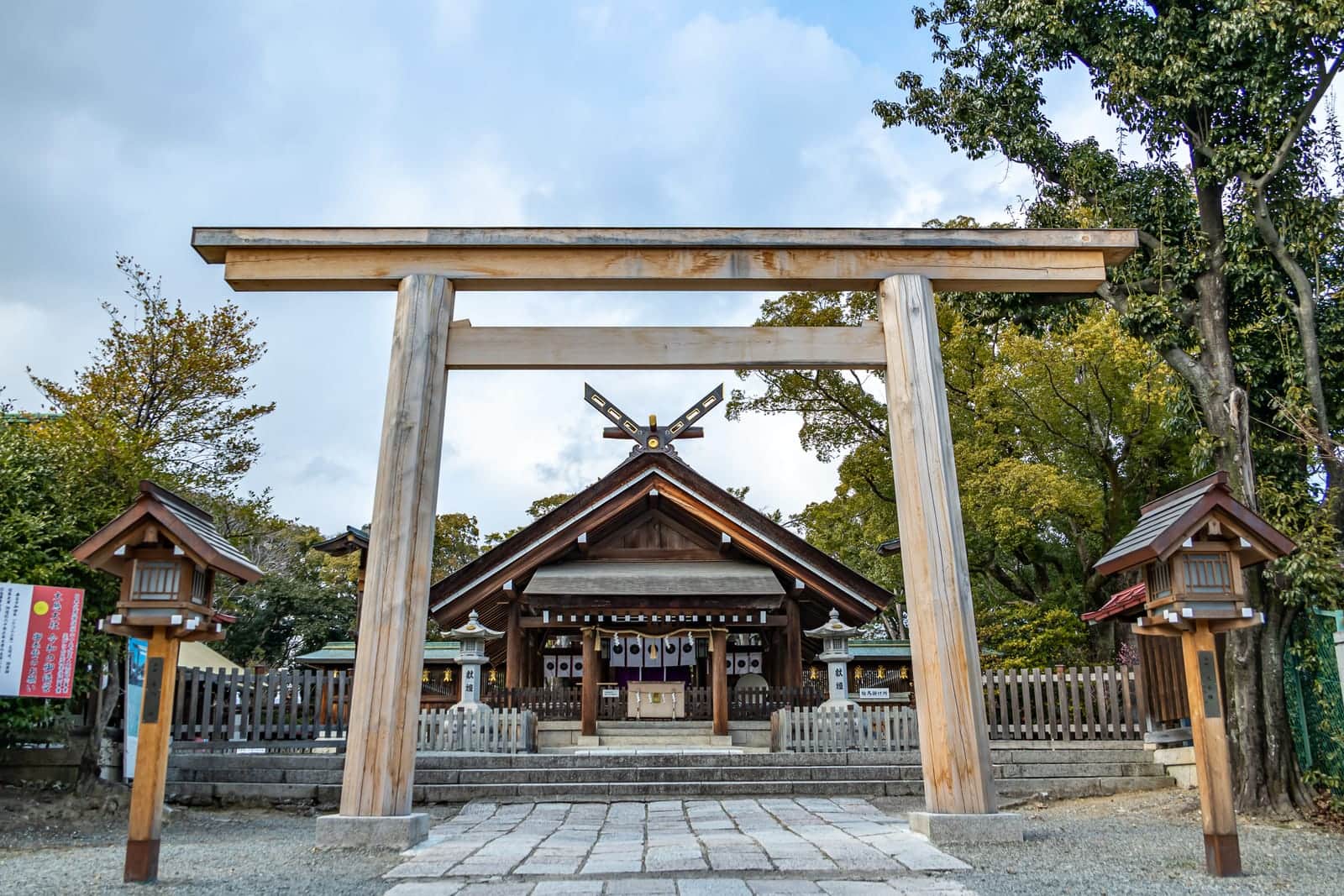
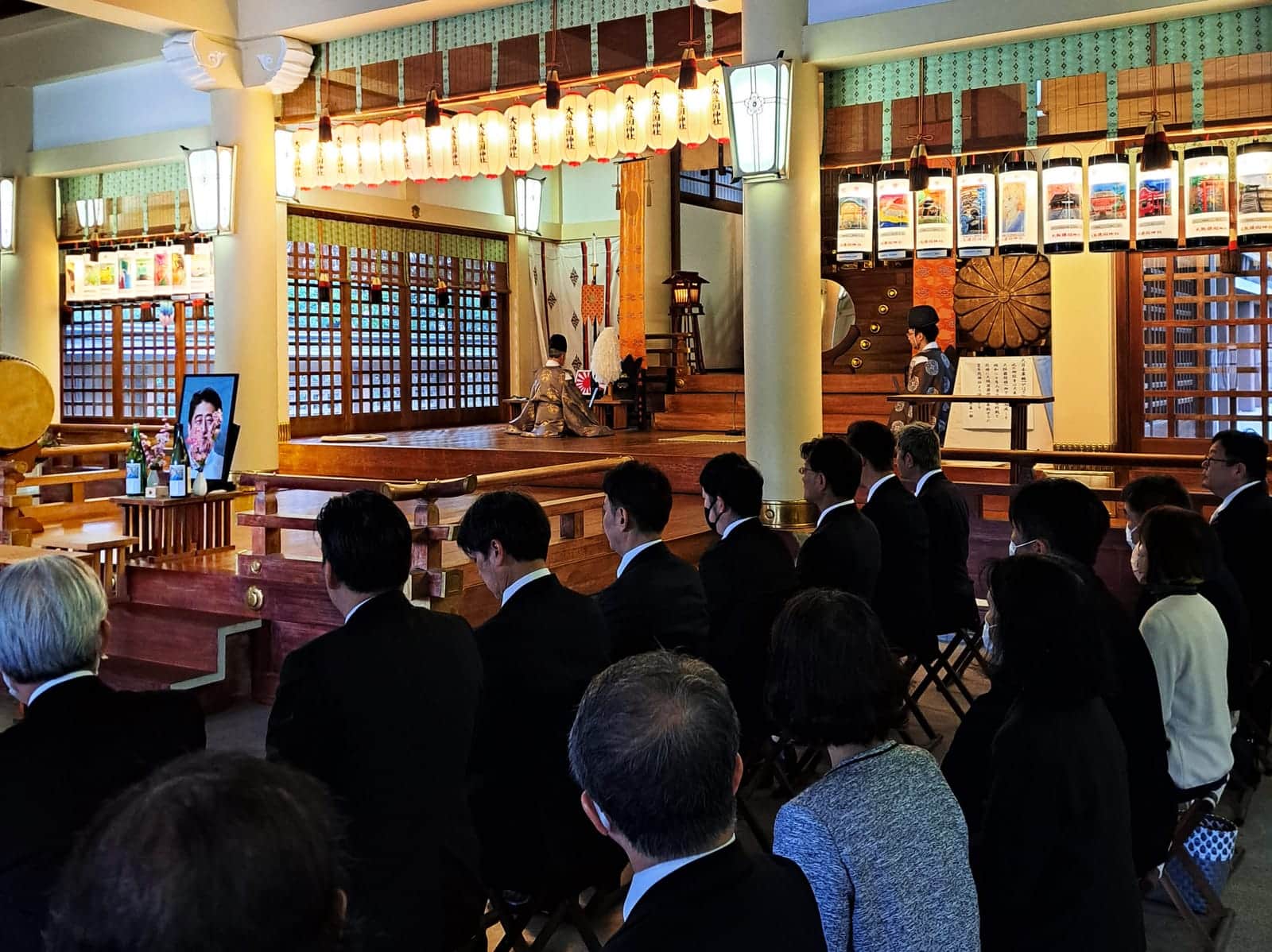
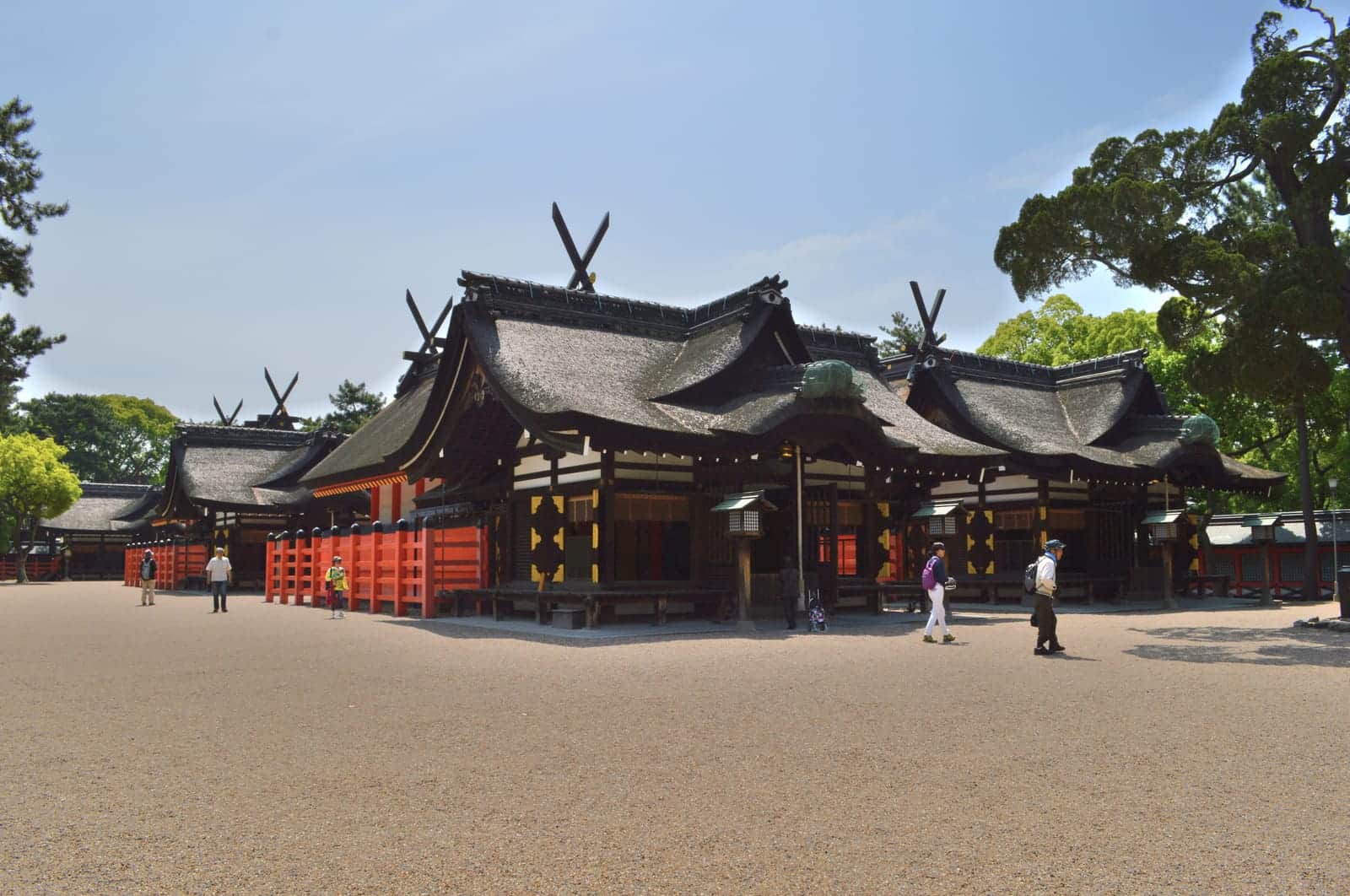


Sin confirmar
Sakai, Osaka Prefectura
Más páginas relacionadas con este lugar.
Menos de 300 m Menos de 600 m
El alquiler requiere la app del operador y un número de teléfono japonés. Los pases de un día de docomo se venden en tiendas de conveniencia. Fuentes de datos
0 publicaciones recientes
Comparte cómo fue tu visita para ayudar a otros viajeros.
Todavía no hay publicaciones públicas de la comunidad.