
Plan to visit around Obon (mid-August) if you want to see the Mitama Festival, when lanterns are lit to honor the war dead, or attend the spring and autumn festivals for a fuller sense of the shrine's ceremonial calendar.
De un vistazo
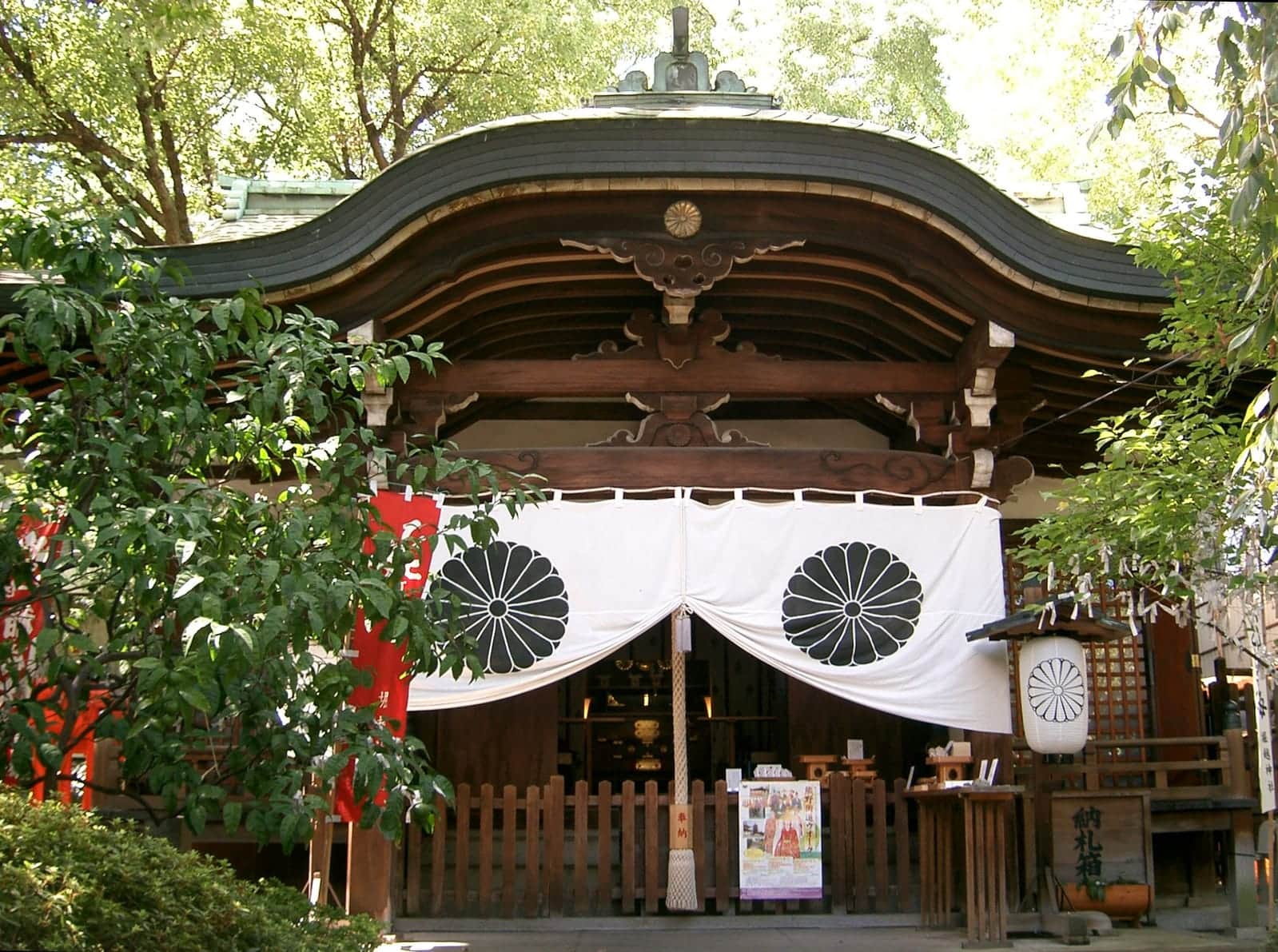
The shrine's main hall contains a sacred mirror (shinkyō) considered among the largest made before World War II, a rare architectural treasure.
Behind the main hall sits a 'sazare-ishi' stone, the same mystical rock mentioned in Japan's national anthem Kimigayo, symbolizing eternal peace.
Este santuario ofertas 1 diferentes diseños de goshuin
Igual que el horario de apertura
Regular
Instalaciones
Plan to visit around Obon (mid-August) if you want to see the Mitama Festival, when lanterns are lit to honor the war dead, or attend the spring and autumn festivals for a fuller sense of the shrine's ceremonial calendar.
Arrive on a weekday morning rather than weekends to experience the shrine's contemplative atmosphere without crowds, which is especially important given the solemn purpose of this war memorial site.
Visit in late March or early April to see the 80 cherry trees in full bloom, which are planted close together to form a pale pink forest along the main pathway.
Take time to see the statue of a mother with two children near the Haiden worshipping pavilion, which symbolizes the war-bereaved families, and the sazare-ishi stone behind the main hall that appears in Japan's national anthem and represents wishes for lasting peace.
Celebraciones estacionales y ocasiones especiales.
Sumiyoshi, Osaka Prefectura
Sin confirmar
Más páginas relacionadas con este lugar.
0 publicaciones recientes
Comparte cómo fue tu visita para ayudar a otros viajeros.
Todavía no hay publicaciones públicas de la comunidad.
Menos de 300 m Menos de 600 m
El alquiler requiere la app del operador y un número de teléfono japonés. Los pases de un día de docomo se venden en tiendas de conveniencia. Fuentes de datos