God of Plague and Healing
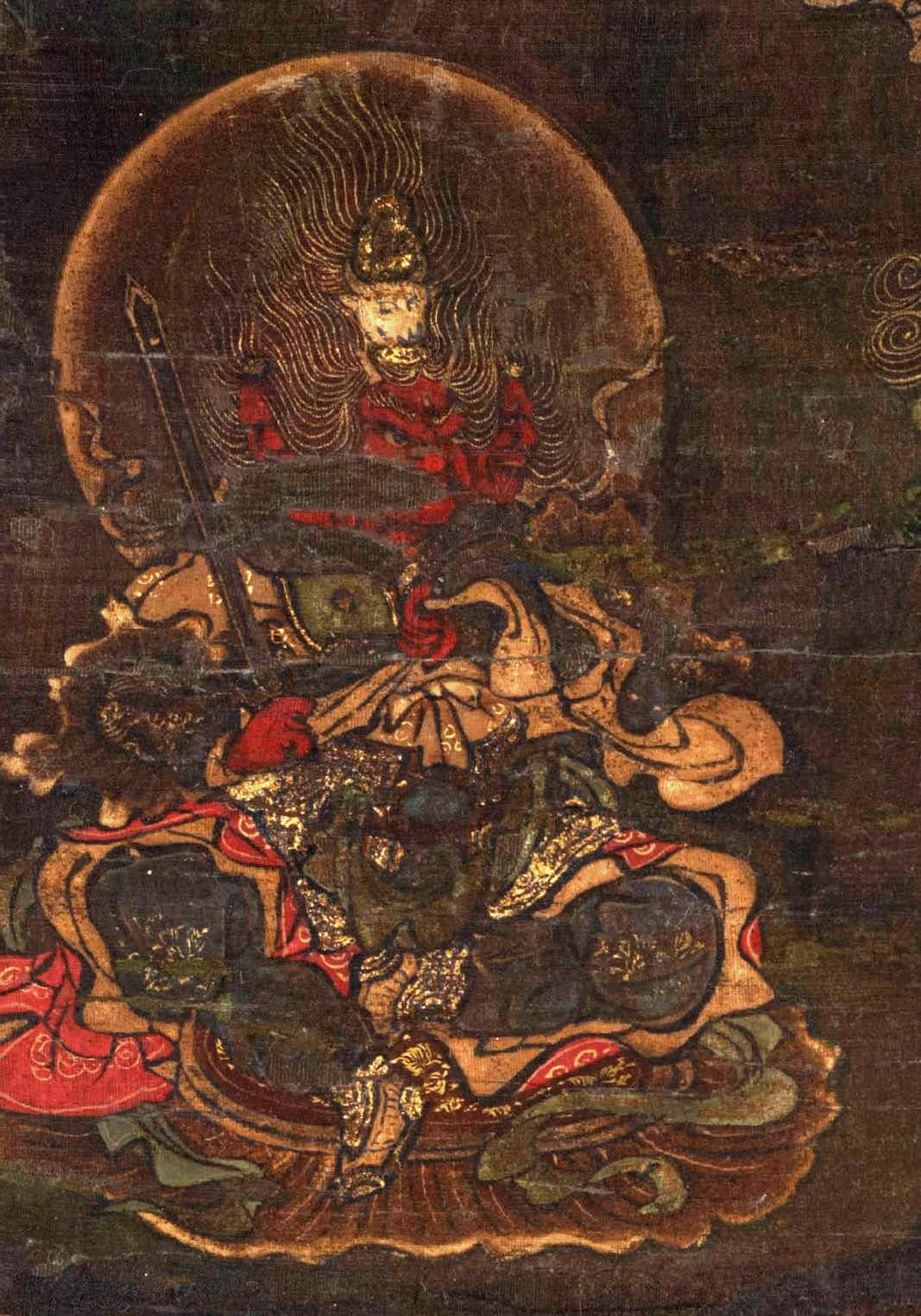
Gozu Tennō, whose name means "Ox-Headed Heavenly King," is a syncretic Japanese deity associated with both the causing and curing of disease. He was introduced to Japan from continental Asia and rose to prominence during the Heian period as a fearsome but protective figure against epidemics. His character blends Buddhist, Daoist, and Shinto elements, making him one of the most complex examples of shinbutsu-shūgō, the Japanese fusion of Buddhism and Shinto.
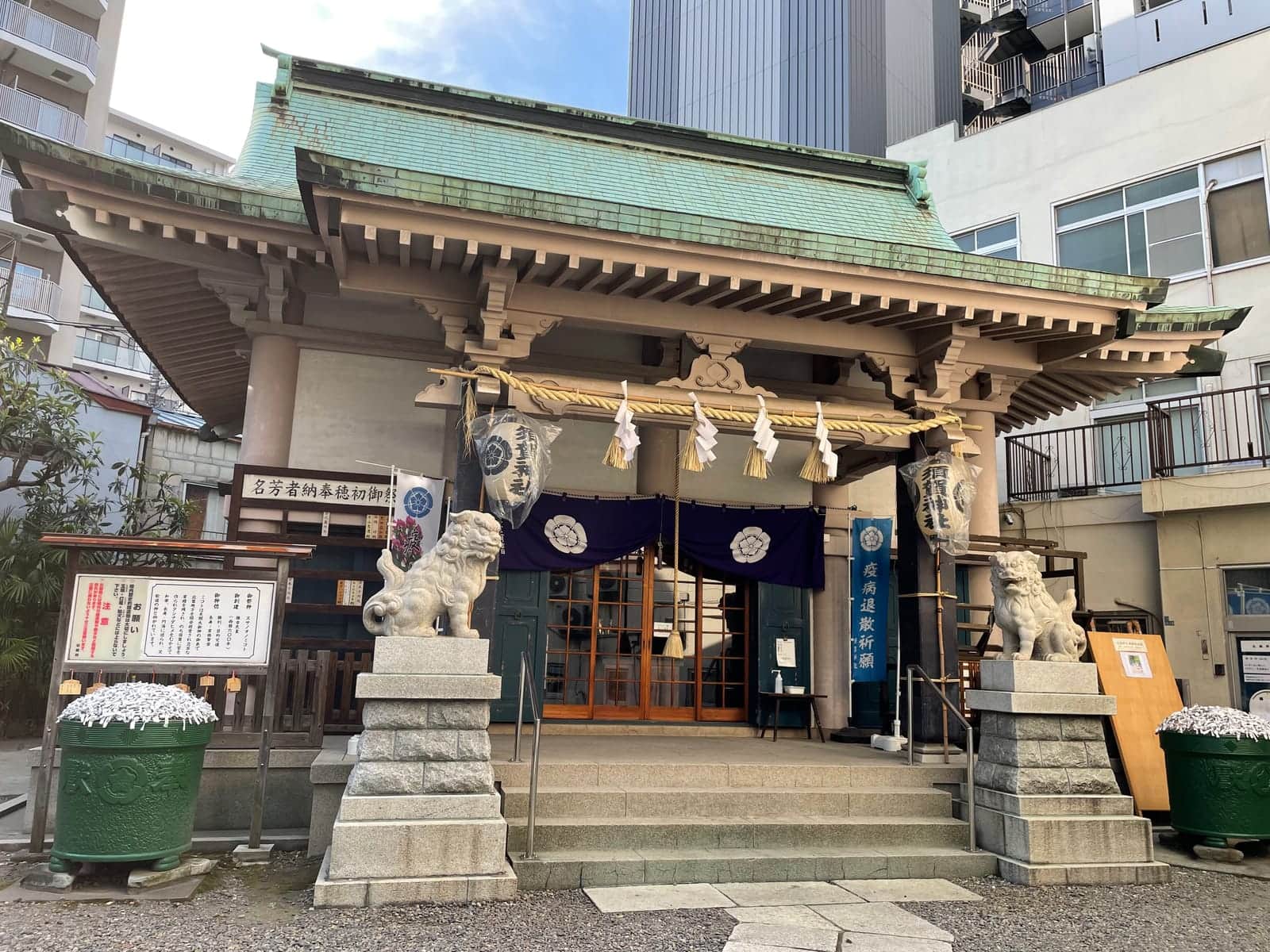
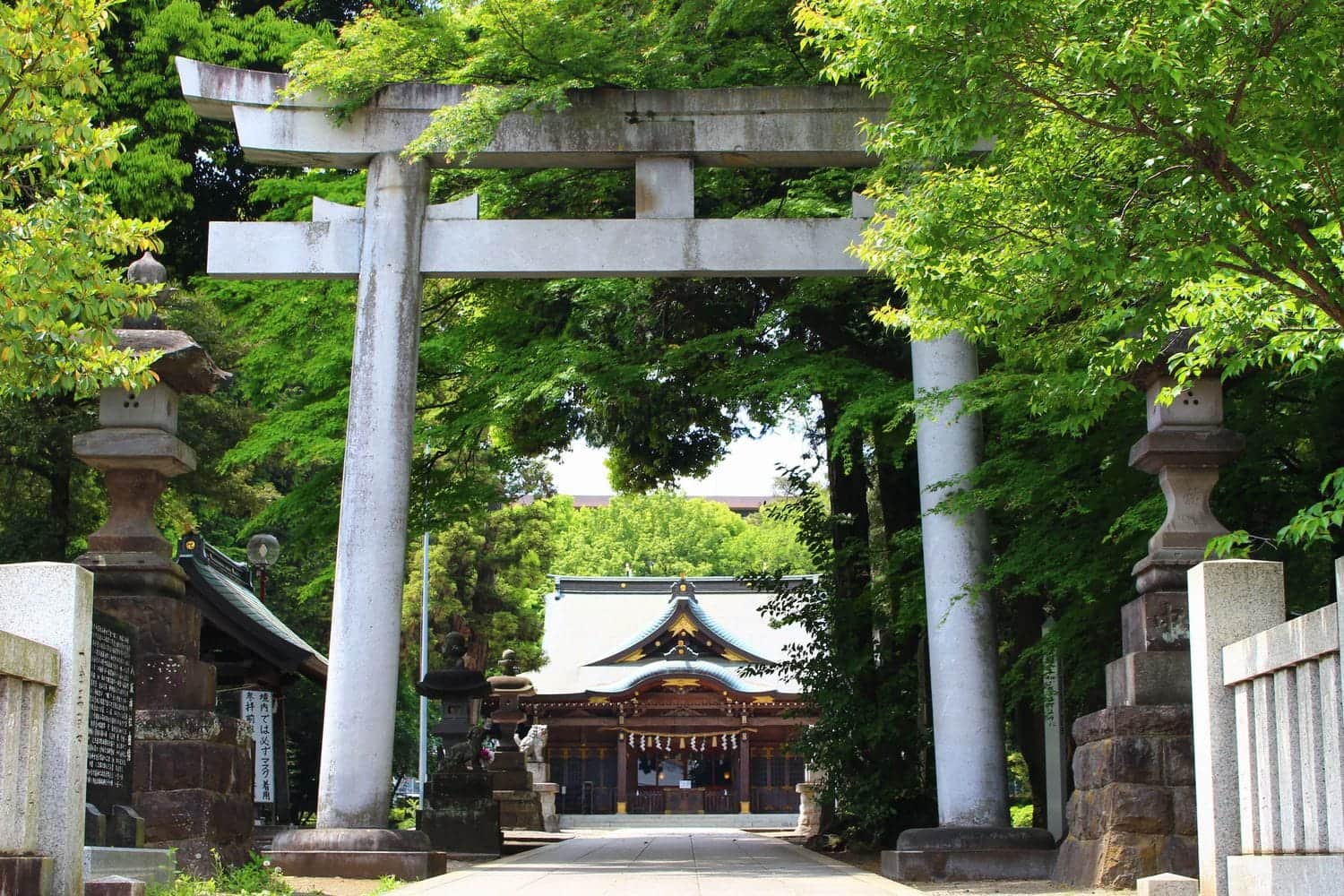
Gozu Tennō was regarded as the guardian deity of Gion Shōja, the monastery associated with the Buddha's birthplace, and was also identified with Tōtō Tenjin of the Somin Shōrai legend. He became the central deity of the Gion faith, venerated at shrines across Japan including the celebrated Yasaka Shrine in Kyoto, Tsushima Shrine in Aichi, and Hiromine Shrine in Hyōgo. In the medieval period he was merged with the native kami Susanoo-no-Mikoto, and was also described as a manifestation of the healing Buddha Yakushi Nyorai.
When the Meiji government ordered the formal separation of Buddhism and Shinto in the nineteenth century, shrines that had enshrined Gozu Tennō officially reidentified their deity as Susanoo-no-Mikoto. In Onmyōdō, the Japanese esoteric cosmological tradition, he was equated with the Tendō deity. Though his iconography and theology carry strong Daoist overtones, no direct counterpart to Gozu Tennō has been found in Chinese religious texts, suggesting he developed into a uniquely Japanese divine figure.
4 places