新年头几天人流极其拥挤(hatsumode初诣参拜超过300万游客);选择其他日期参观可获得更安静的体验。
涩谷区, 东京都 县
概览
Look up. Almost everything green around you was planted on purpose, by people, just over a hundred years ago. When you step off the noise of Tokyo and onto this gravel path, it feels ancient. It isn't. In the nineteen-tens and twenties, this became an official reforestation project, and what was once open ground grew into the broad urban woodland you're walking through now.
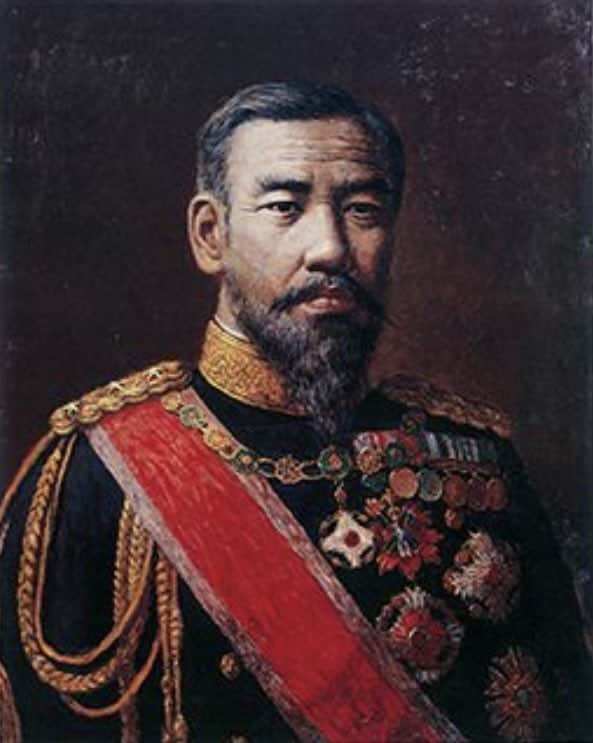
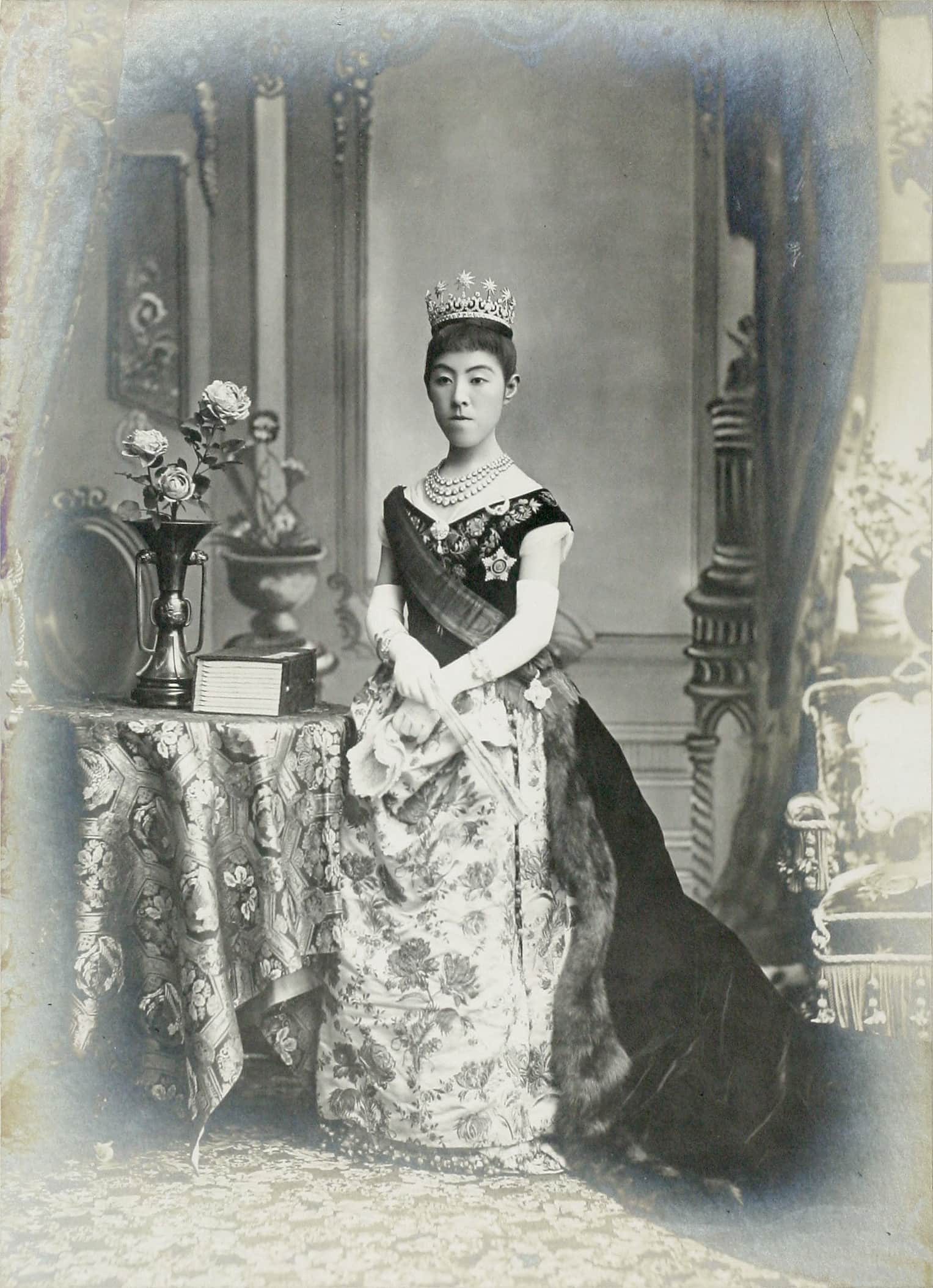
At the heart of it sits Meiji Jingu, a Shinto shrine in Shibuya dedicated to two people: Emperor Meiji and Empress Shoken. After their deaths, the shrine was built to honor their spirits, finished and dedicated in 1920. It is commemorative, so you won't find the emperor's grave here. That rests far away, near Kyoto.
As you head deeper toward the Inner Precinct, notice how the city sound fades behind the trees. That hush was designed for you, long before you arrived. Take your time on the path. Everything ahead unfolds slowly, on purpose.
Why build a shrine to an emperor at all? Emperor Meiji reigned during a time when Japan transformed itself with extraordinary speed, opening to the modern world. When he died in 1912, and Empress Shoken in 1914, the country wanted a place to honor them.
So this site became dedicated to their deified spirits. In Shinto, people can be enshrined and revered as kami, and that is what happened here. The shrine you see is young by the standards of Japanese religion, completed in 1920, during the Taisho period that followed Meiji's reign. It quickly became a central site of imperial-era Shinto and a key ceremonial place in the capital.
Keep in mind, though, that this is not where the emperor was buried. His actual grave lies at Fushimi-momoyama, near Kyoto. What stands before you is a place of memory and reverence rather than a tomb. As you approach the worship hall, you're greeting a presence, not visiting a resting place.
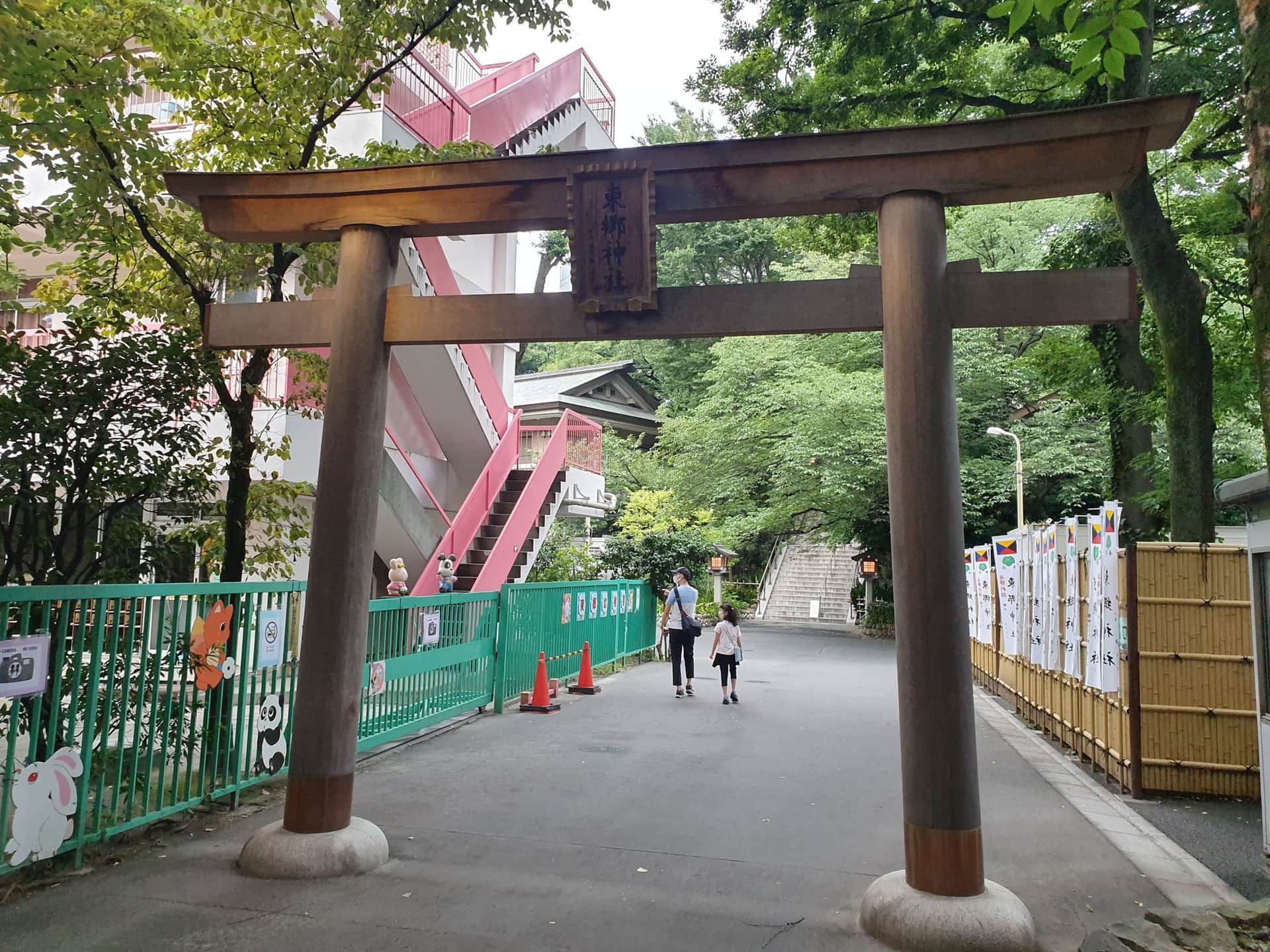
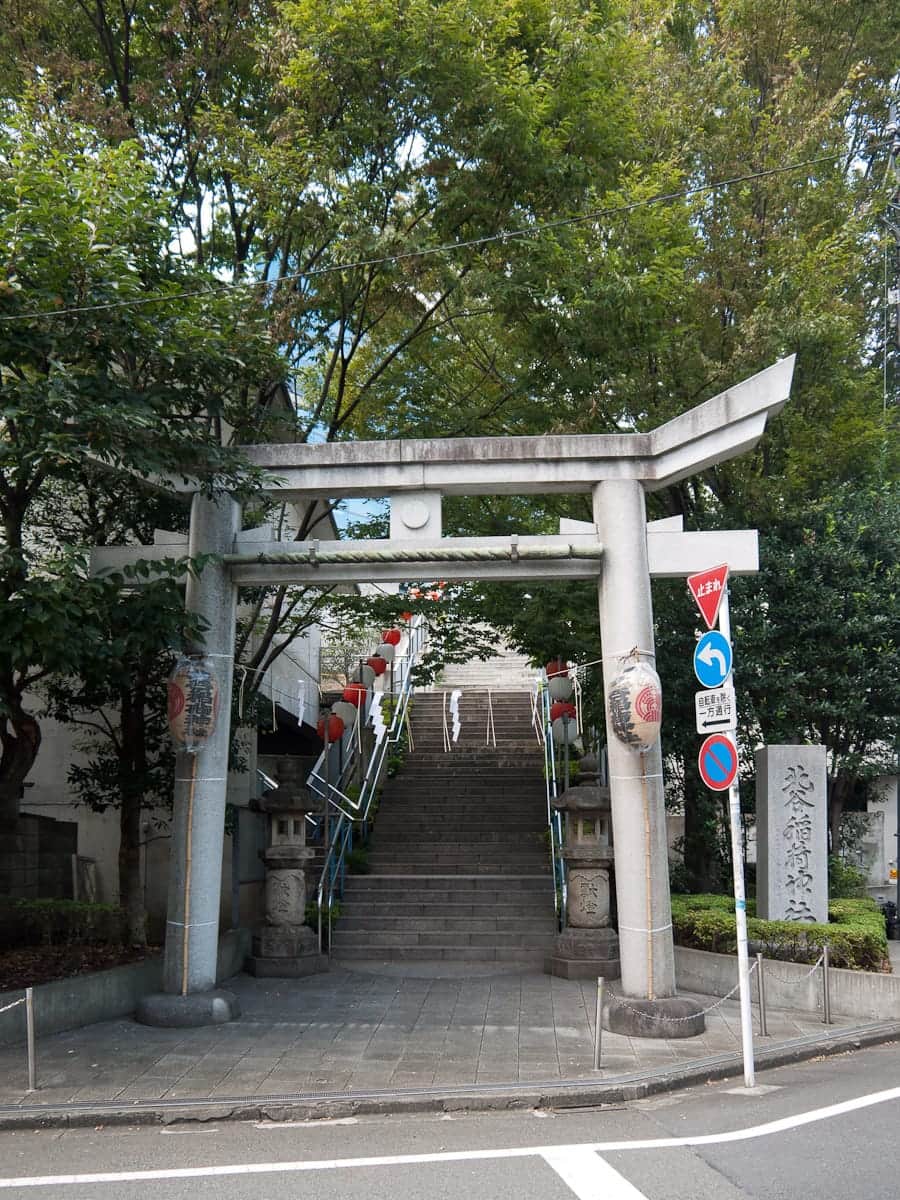
Before you reach the main hall, you pass beneath enormous wooden torii gates. Pause at one. These gates mark the boundary between the everyday world and sacred ground, and crossing them is its own small ritual.
The paths underfoot are gravel, and they crunch with every step. That sound is part of the experience. There's no shortcut here; the long approach through the trees is meant to slow you down and prepare you, leading gradually toward the Naien, the Inner Precinct. Many visitors instinctively quiet their voices once they're under the wood.
Notice the scale of the timber above you. These are not delicate structures. They announce that you're entering somewhere set apart. Take a breath as you go through, and let the gate do its work.
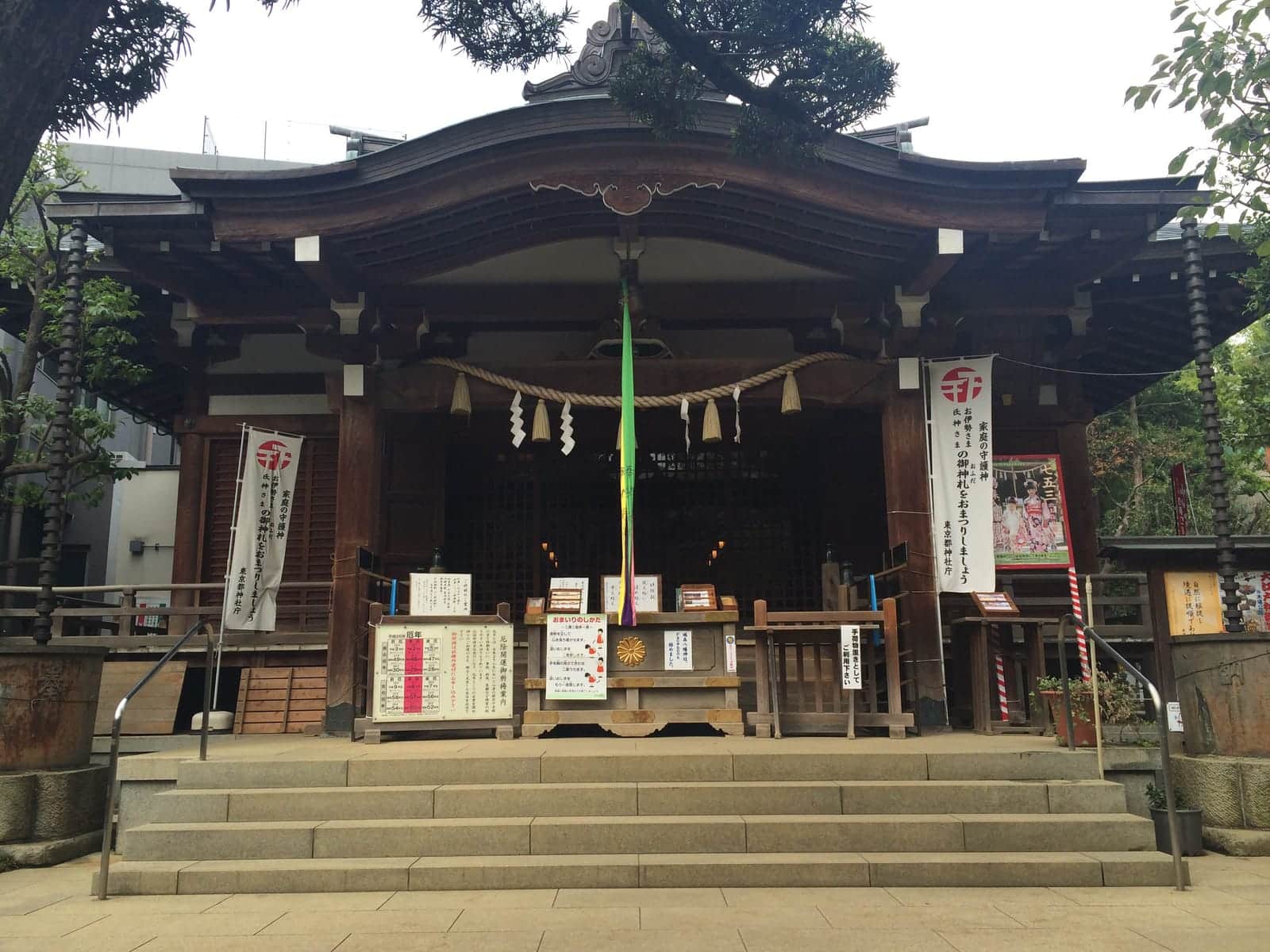
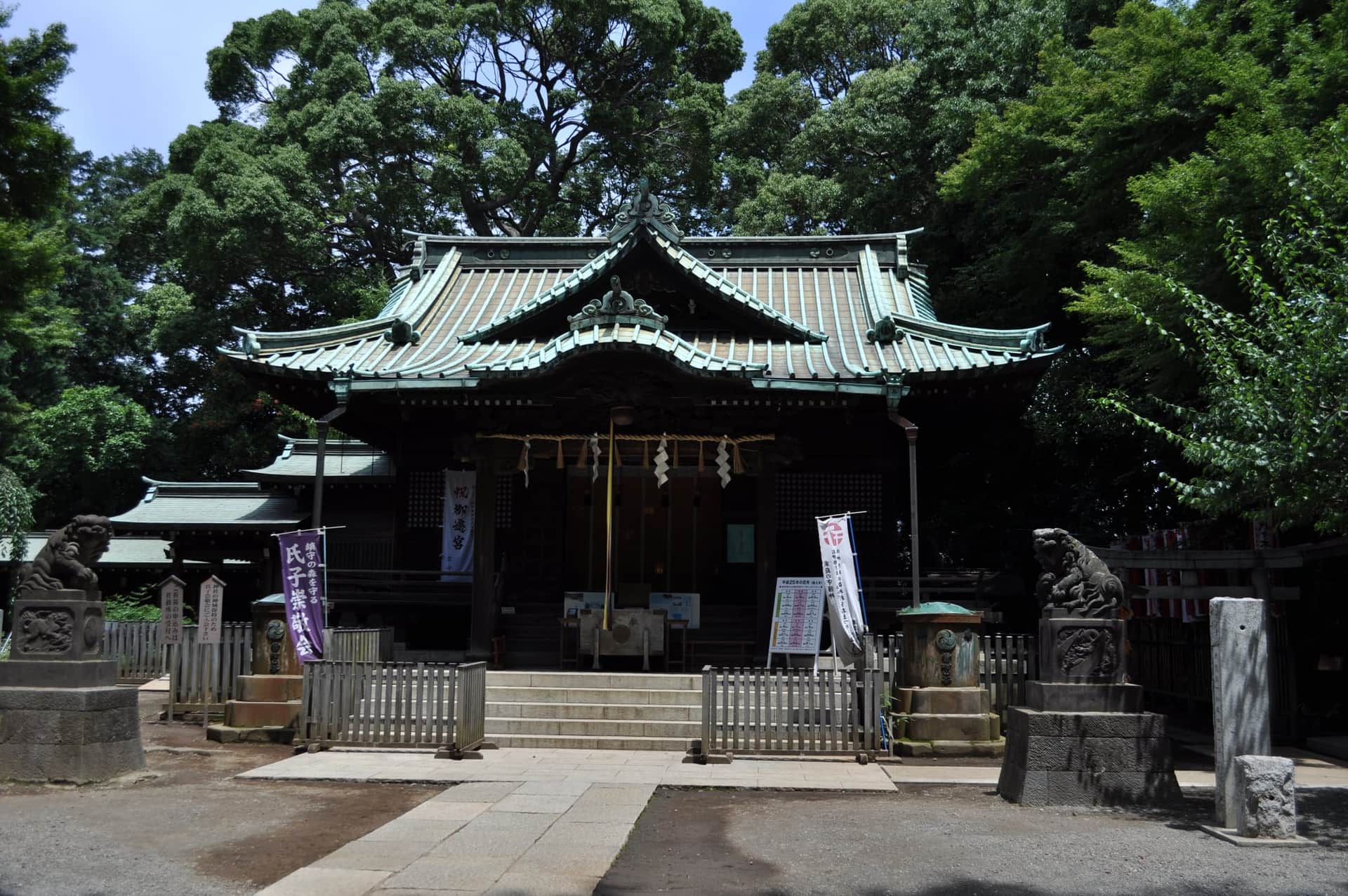
At the center of the Inner Precinct, inside a walled courtyard, you reach the place everything has been leading to. In front of you is the Haiden, the main hall where people come to worship. Behind it, hidden from view, sits the Honden, the inner sanctuary that holds the sacred presence.
You won't enter the Honden, and you aren't meant to. That separation is the point. Worshippers stand at the Haiden, offer a coin, bow, clap, and bow again. Watch how others do it, and you'll catch the quiet rhythm of the place.
What surprises many people is the age of these buildings. The originals were destroyed in air raids during the Second World War. What you see was rebuilt in 1958, using traditional techniques, so the craft carries on even though the timber is newer. Stand a moment in the courtyard. The walls hold the city out, and hold the stillness in.
The main hall isn't the whole story. Look around the precinct and you'll spot several other buildings, each with its own role in the life of the shrine.
There's the Kaguraden, where sacred music and dance are performed, an old art still kept alive here. Nearby is the Juyosho, where you can receive amulets to carry with you. And the Geihinkan, also known as the Meiji Kinenkan, serves as a ceremonial hall for state-related functions and for weddings.
If you're lucky, you may glimpse a traditional wedding procession moving across the grounds, the bride beneath a wide white hood, an attendant holding a parasol overhead. These aren't staged for tourists. This is a working shrine, hosting regular ceremonies, seasonal festivals, and rites throughout the year. You're walking through a place that's very much alive.
There's another side to Meiji Jingu that many visitors never reach. Beyond the forested Inner Precinct lies the Gaien, the Outer Precinct, and it has a different character entirely.
Here you'll find the Meiji Memorial Picture Gallery, holding an art collection that tells the story of the Meiji era. Alongside it are sports facilities, built in the early Showa years. It's a reminder that this shrine was tied to a moment of national modernization, not just to ritual and prayer.
So the place has two faces. One is the quiet woodland and the worship hall. The other looks outward, toward art, sport, and the modern age the emperor presided over. If you have time, the Outer Precinct shows you why this shrine still connects to exhibitions about Meiji-era change.
Imagine this gravel path packed shoulder to shoulder, hundreds of thousands of people moving slowly toward the hall. That's Meiji Jingu at New Year. It's one of Tokyo's most visited shrines, and during Hatsumode, the first shrine visit of the year, the crowds are extraordinary.
Another season brings a very different sight. During Shichi-Go-San in autumn, families arrive with small children dressed in bright formal kimono, here to mark the ages of three, five, and seven. You might see a tiny child clutching a parent's hand, overwhelmed by the scale of it all.
The shrine holds Important Cultural Properties and stands as a major venue for national Shinto rites. But what stays with most people is simpler. It's the contrast: one of the world's busiest cities pressing against its edges, and inside, a hand-planted forest keeping its own slow time. Before you leave, stop once more and just listen.
神社并不供奉天皇陵墓,天皇陵位于京都以南的伏见桃山。
1920年,社区自愿种植了10万棵树木,以纪念明治天皇和昭宪皇太后的逝世。
神圣森林占地70公顷,拥有来自365个树种的12万棵树木,均为神社创建时来自日本各地的捐赠。
此 神社 提供 1 款不同的御朱印设计
通常
通常人流
人多
参观时间
充裕 (90+ 分钟)
300米以内 600米以内 距离不详
新年头几天人流极其拥挤(hatsumode初诣参拜超过300万游客);选择其他日期参观可获得更安静的体验。
10 次最近到访与照片投稿
Sarah Casale 签到了
神圣的灵魂在这个神圣的地方受到崇敬
据信此地能赐予的福佑
21 个境内建筑
关于这个地方的有趣事实
神社并不供奉天皇陵墓,天皇陵位于京都以南的伏见桃山。
1920年,社区自愿种植了10万棵树木,以纪念明治天皇和昭宪皇太后的逝世。
神圣森林占地70公顷,拥有来自365个树种的12万棵树木,均为神社创建时来自日本各地的捐赠。
Meiji Jingu博物馆于2019年开馆,由隈研吾设计,展出了1889年明治宪法颁布时天皇使用的马车。
分享你的参访体验,帮助其他旅行者。