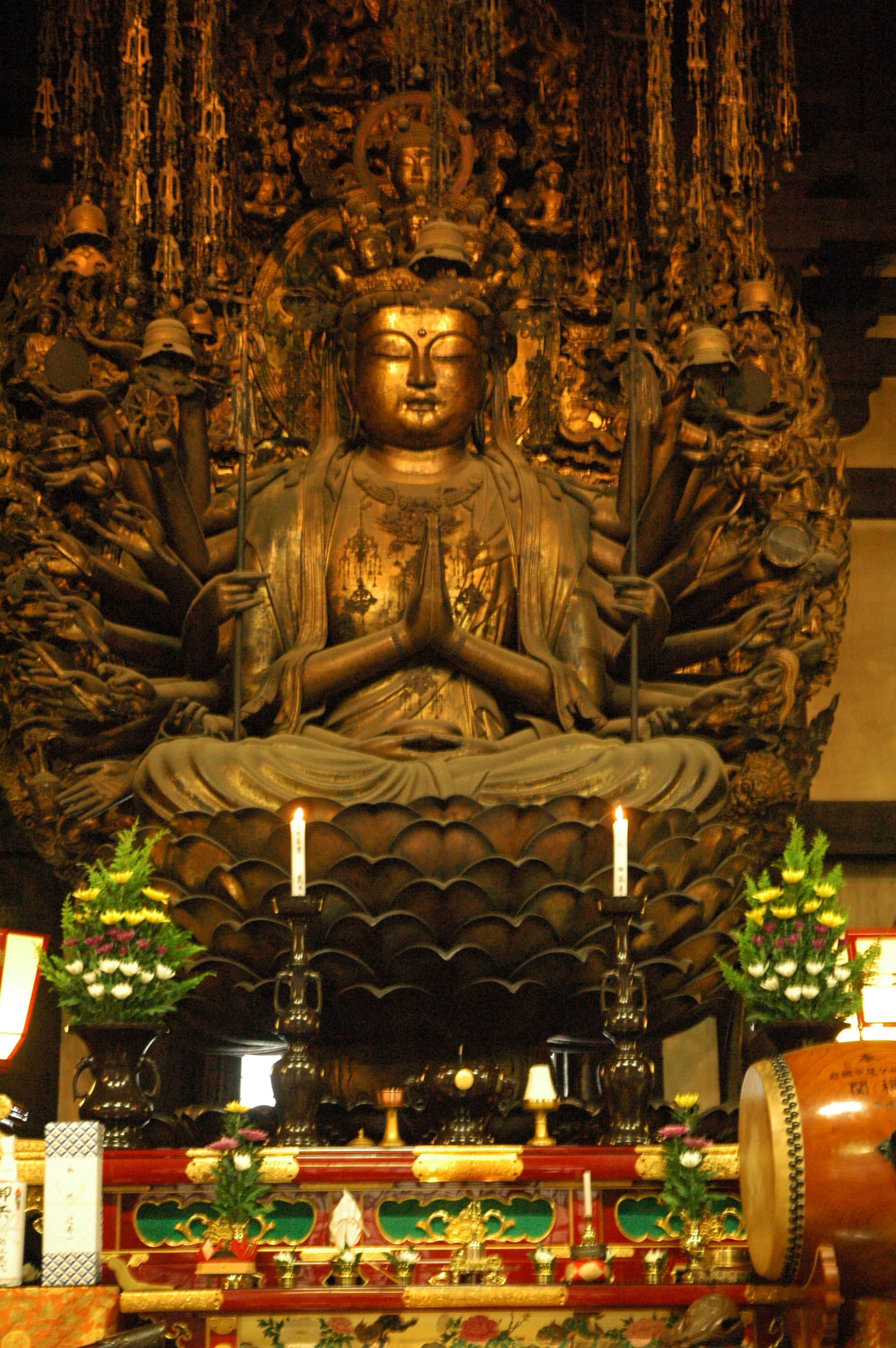
입장료
확인되지 않음
한눈에
A famed Edo-period magistrate named Ooka Echizen enshrined this temple's deity in his own home before it moved to Akasaka in 1887, making it one of Japan's rare temples born from a samurai's private devotion.
During Japan's Meiji era persecution of Buddhism, this temple survived by claiming its main deity was Buddhist (Dakini-Shinten) rather than Shinto, a clever religious strategy that allowed it to thrive.
이 사찰은 다양한 고슈인 디자인 1가지를 제공합니다
영업시간과 동일
일반
확인되지 않음
편의 시설
Get your goshuin (temple stamp) between 10am and 3pm if you want it handwritten by a monk; outside those hours only pre-printed versions are available. Plan your visit timing accordingly if collecting handwritten stamps is important to you.
Expect the temple to be busier on weekends and during lunch hours, but it opens at 6am on all days including holidays. Arriving before 8am gives you a quieter experience with the fox statues and votive offerings without the crowds of singers and TV personalities who visit for entertainment industry blessings.
Visit the Yuzu Inari Sonten shrine and pick up a 10-yen coin said to bring financial luck when kept in your wallet. If your wish comes true, return the following year with the coin plus added interest as a token of gratitude, which is a meaningful local tradition.
Bring cash if you want to make offerings or purchase items like the lucky 10-yen coins and votive flags, as some smaller shrines and vendors on the grounds may not accept cards.
이 신성한 장소에서 숭배되는 신령들
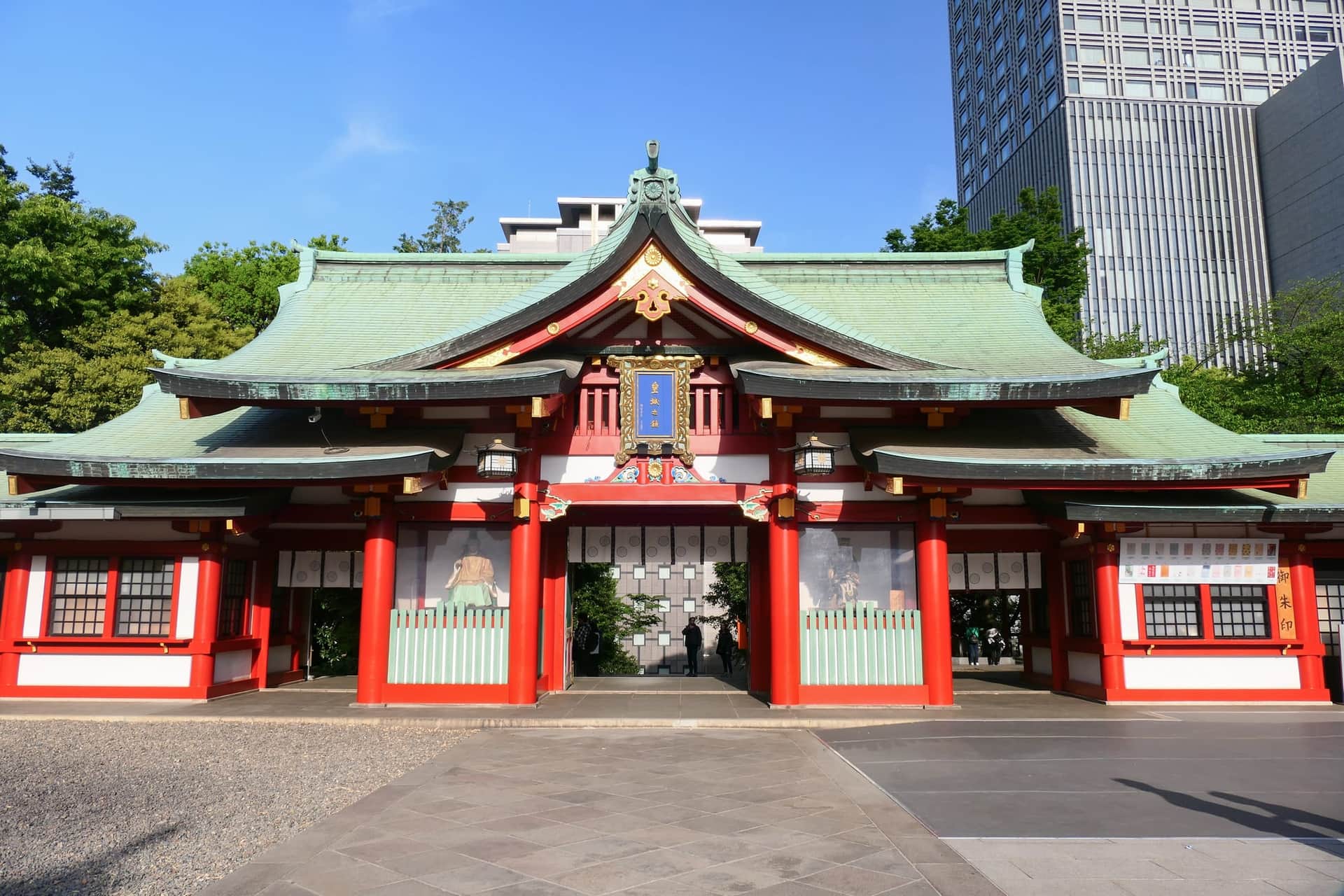
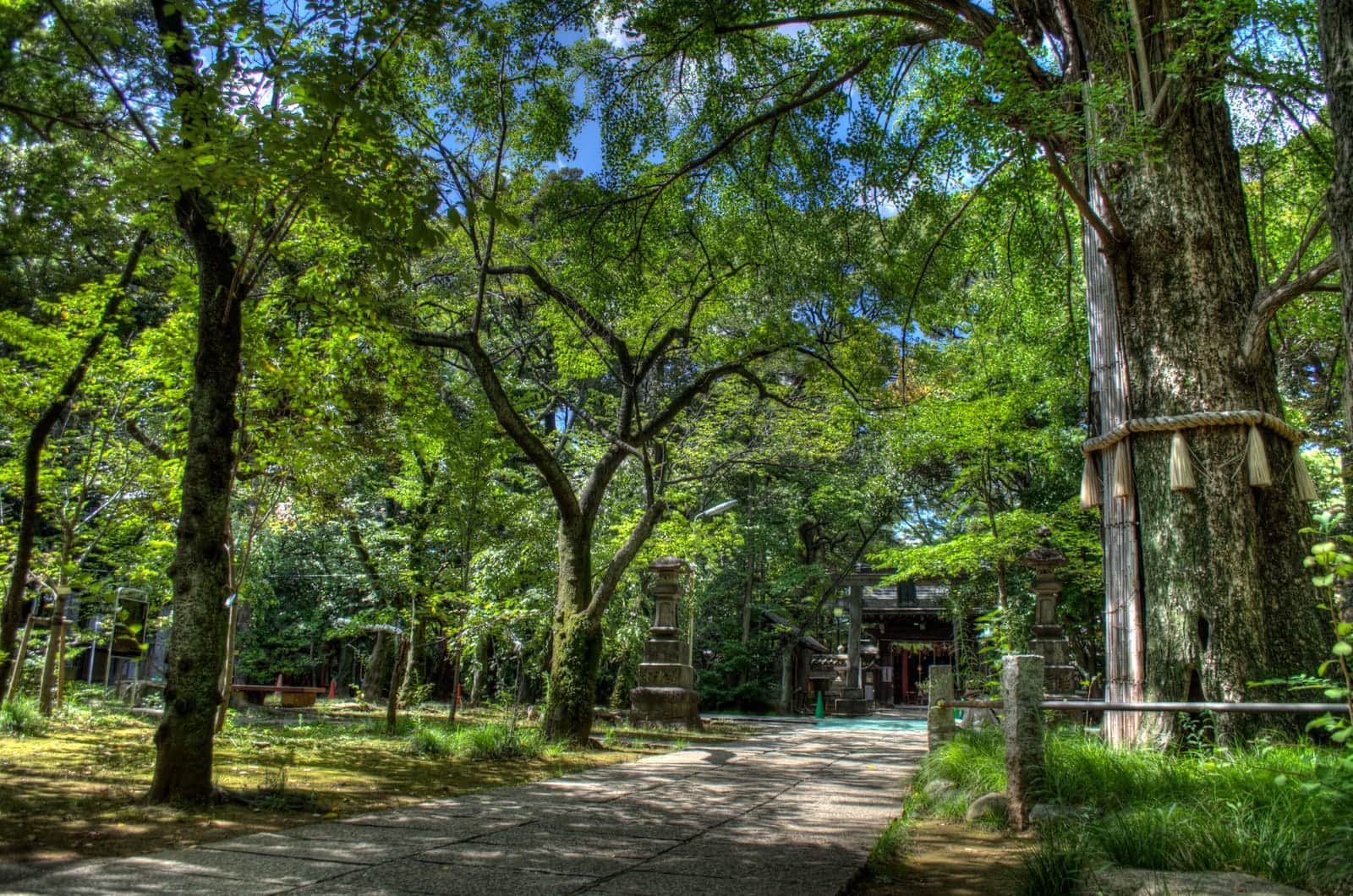
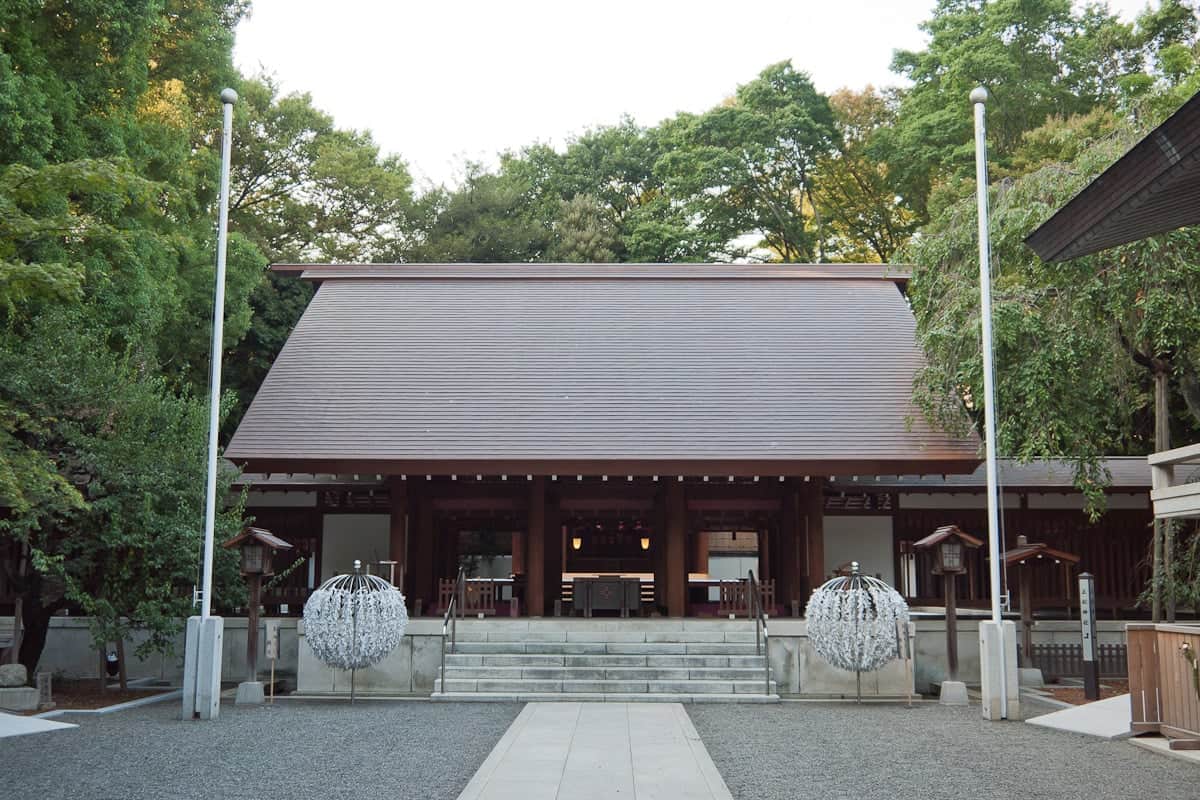

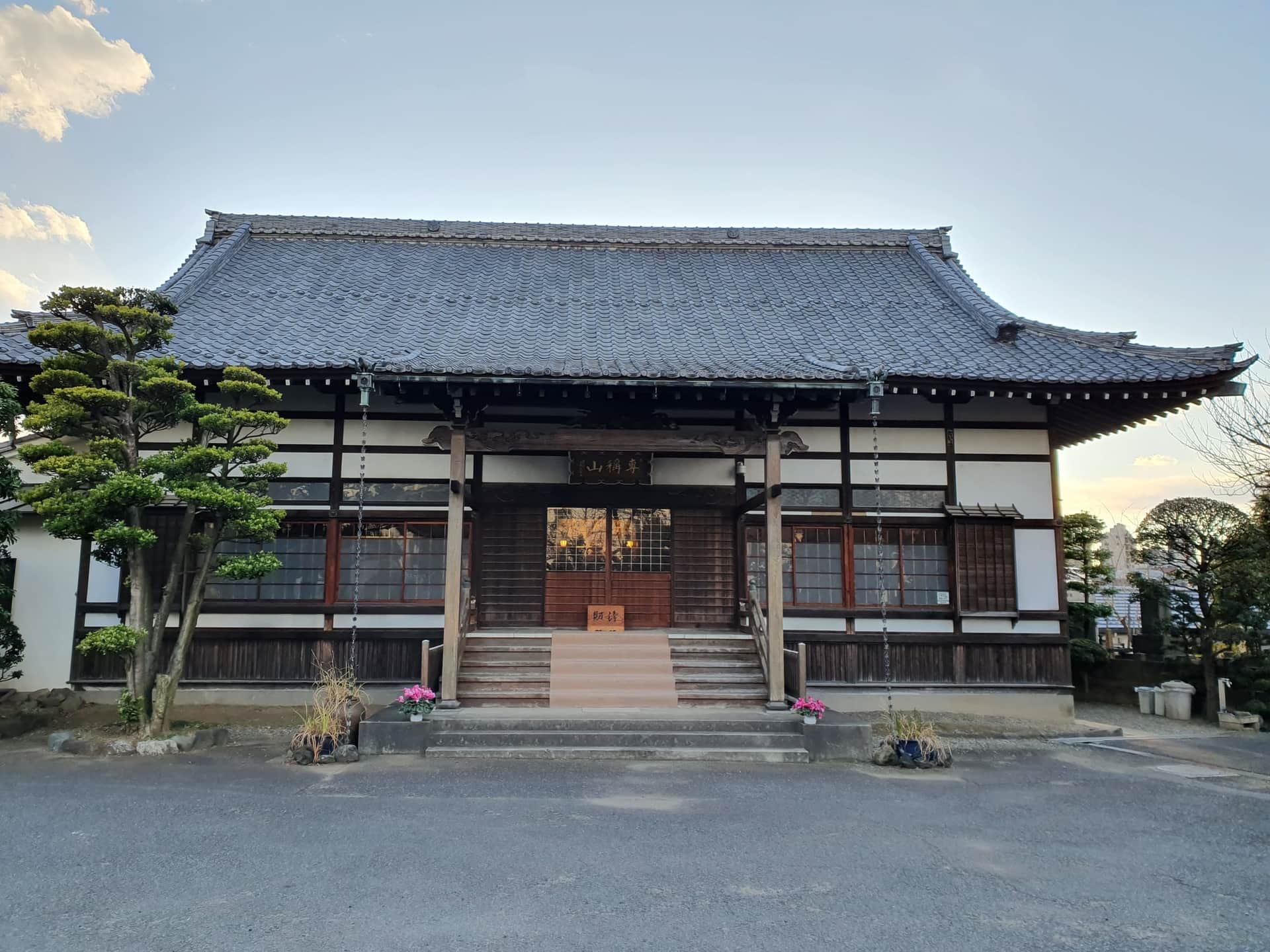

롯폰기, 도쿄도 현
이곳이 베푼다고 여겨지는 것
최근 게시물 0개
방문 경험을 공유해 다른 여행자를 도와주세요.
아직 공개 커뮤니티 게시물이 없습니다.
이 장소와 연결된 다른 페이지입니다.
300m 이내 600m 이내
시간표 데이터: 공공교통 오픈데이터센터

C3-12.赤坂センタービルディング前(青山通り)
docomo bike share
C3-02.赤坂地区総合支所
docomo bike share
C3-16.赤坂ガーデンシティ
docomo bike share
대여하려면 사업자 앱과 일본 전화번호가 필요합니다. docomo 1일권은 편의점에서 구입할 수 있습니다. 데이터 출처