입장료
무료
한눈에
The shrine enshrines both Inari Okami and Susanoo-no-Mikoto. That pairing is unusual, since Susanoo is also worshipped here as a protector against disasters and evil spirits.
Locals also call it Kotsu Jinja, or traffic shrine, because it is said to bring luck in traffic safety. That makes it a favorite stop for drivers and commuters.
이 신사은 고슈인을 제공하지만 아직 사진이 없습니다. 가장 먼저 사진을 공유해 보세요!
무료
Visit in early morning on weekdays to avoid crowds. The shrine is quietest in spring, when the surrounding foliage is fresh.
The shrine sits at the foot of Shogoin; ask locals about the small stone lanterns tucked into the garden paths, which are often missed by first-time visitors.
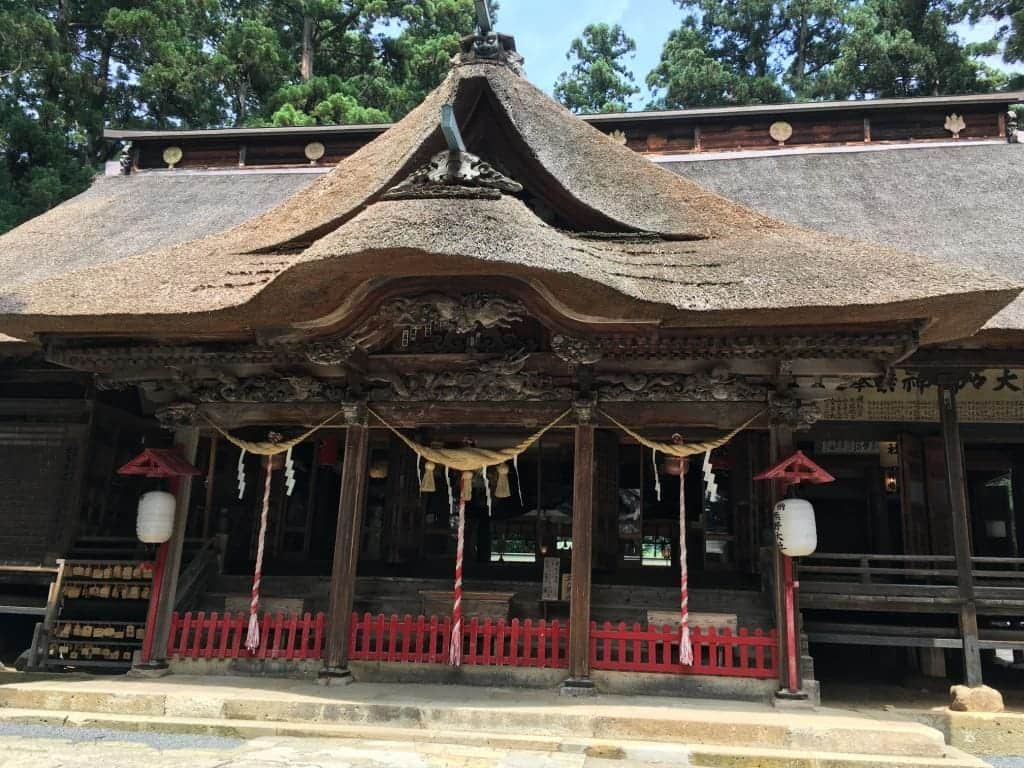
Wash your hands and mouth at the temizuya (purification fountain) before entering the main hall. Speak quietly and avoid loud photography inside the worship area.
There is no admission fee. The shrine is open at all hours, but the office opens at 9:00 AM for goshuin requests. Wear comfortable shoes as the ground can be uneven near the shrine base.
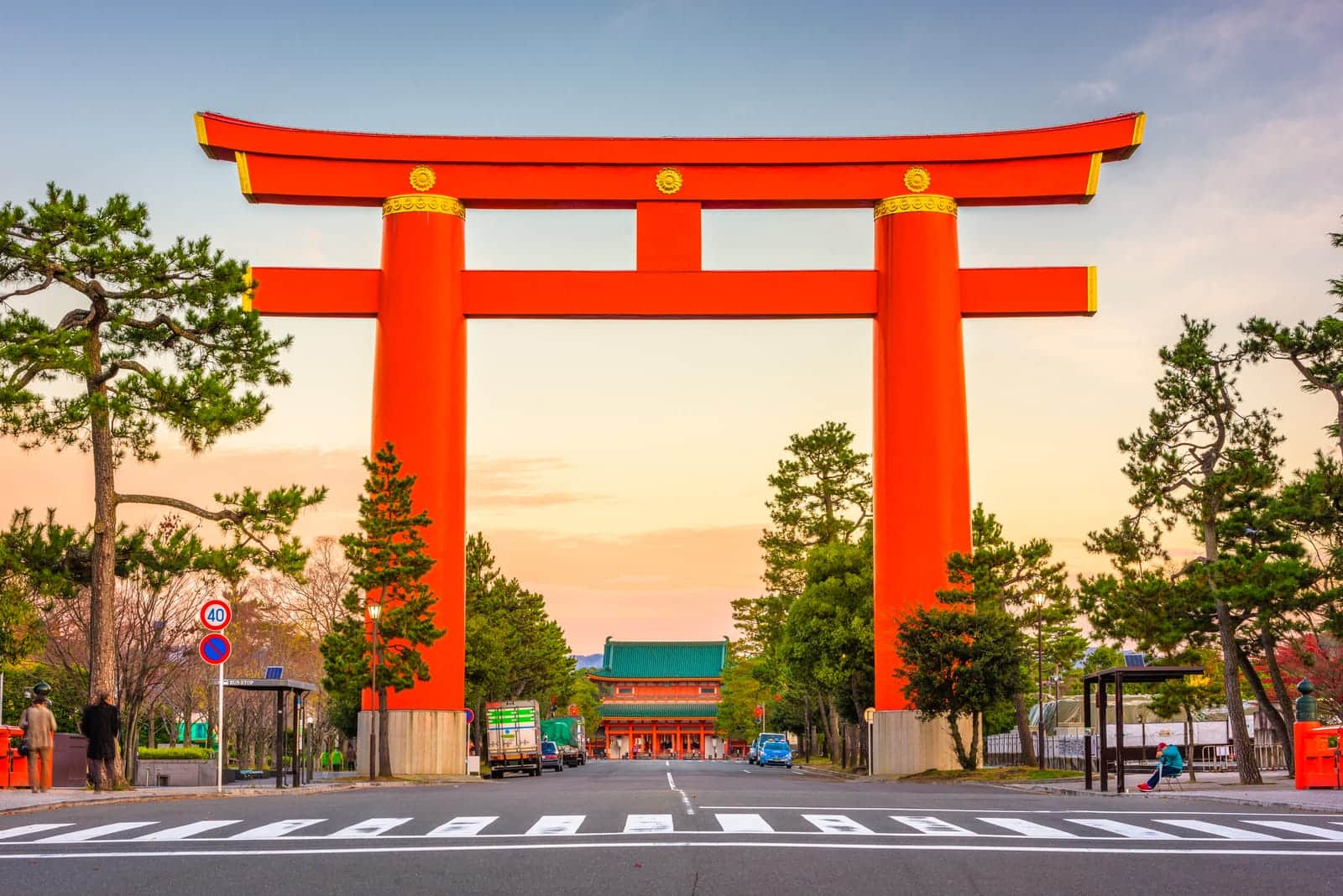
Capture the vermilion torii gate framed by the green hills of Shogoin behind it. The angle from the left side of the gate includes the valley view.
If you want the staircase and torii gate without a crowd in the frame, go on a weekday morning. The shrine is open 24 hours, so you can also visit very early or after sunset for a quieter stop.
The famous staircase is the photo spot people come for, so step aside quickly after taking your shot and let others have their turn.
Suga Jinja is a short walk from Yotsuya-Sanchome Station, so public transit is the easiest way to get there. There is no admission fee, and coin lockers are listed among the amenities, which can help if you are carrying a larger bag.
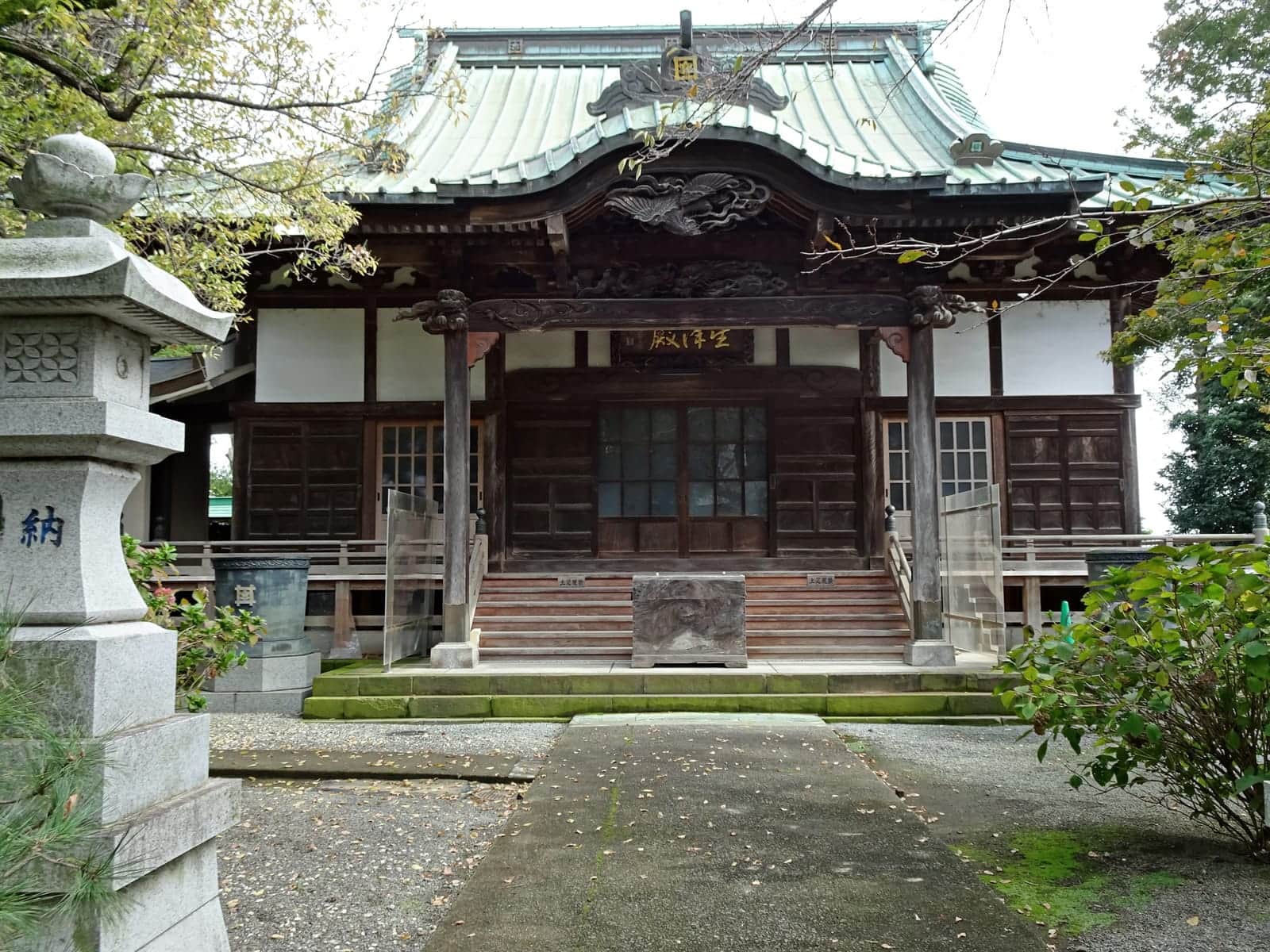
Treat the grounds like an active neighborhood shrine, not just a movie location. Keep your voice low, do not block the worship hall while posing, and avoid climbing on railings or stone features for a better angle.
If you want a calmer visit, spend a few minutes away from the staircase and look around the rest of the grounds. The shrine is also known as a local traffic-safety shrine, so visitors often come to pray, not just to take photos.
If you plan to make a prayer or buy an amulet, bring some small cash and be ready for a quick, simple visit. A half hour is usually enough unless you are waiting for photos or reading the ema left by other visitors.
이 장소에 대한 흥미로운 사실
The shrine enshrines both Inari Okami and Susanoo-no-Mikoto. That pairing is unusual, since Susanoo is also worshipped here as a protector against disasters and evil spirits.
Locals also call it Kotsu Jinja, or traffic shrine, because it is said to bring luck in traffic safety. That makes it a favorite stop for drivers and commuters.
The famous staircase at Suga Shrine became a pilgrimage spot after the 2016 film Your Name used it for the closing scene. Fans still come to recreate that exact shot.
Suga Shrine was moved to Yotsuya in the early 1600s, then renamed in 1868. It was badly burned in the 1945 Tokyo air raid and only fully restored in 1989.
사쿄구, 교토부 현
방문 경험을 공유해 다른 여행자를 도와주세요.
이 장소와 연결된 다른 페이지입니다.
300m 이내 600m 이내
대여하려면 사업자 앱과 일본 전화번호가 필요합니다. docomo 1일권은 편의점에서 구입할 수 있습니다. 데이터 출처