
입장료
확인되지 않음
한눈에
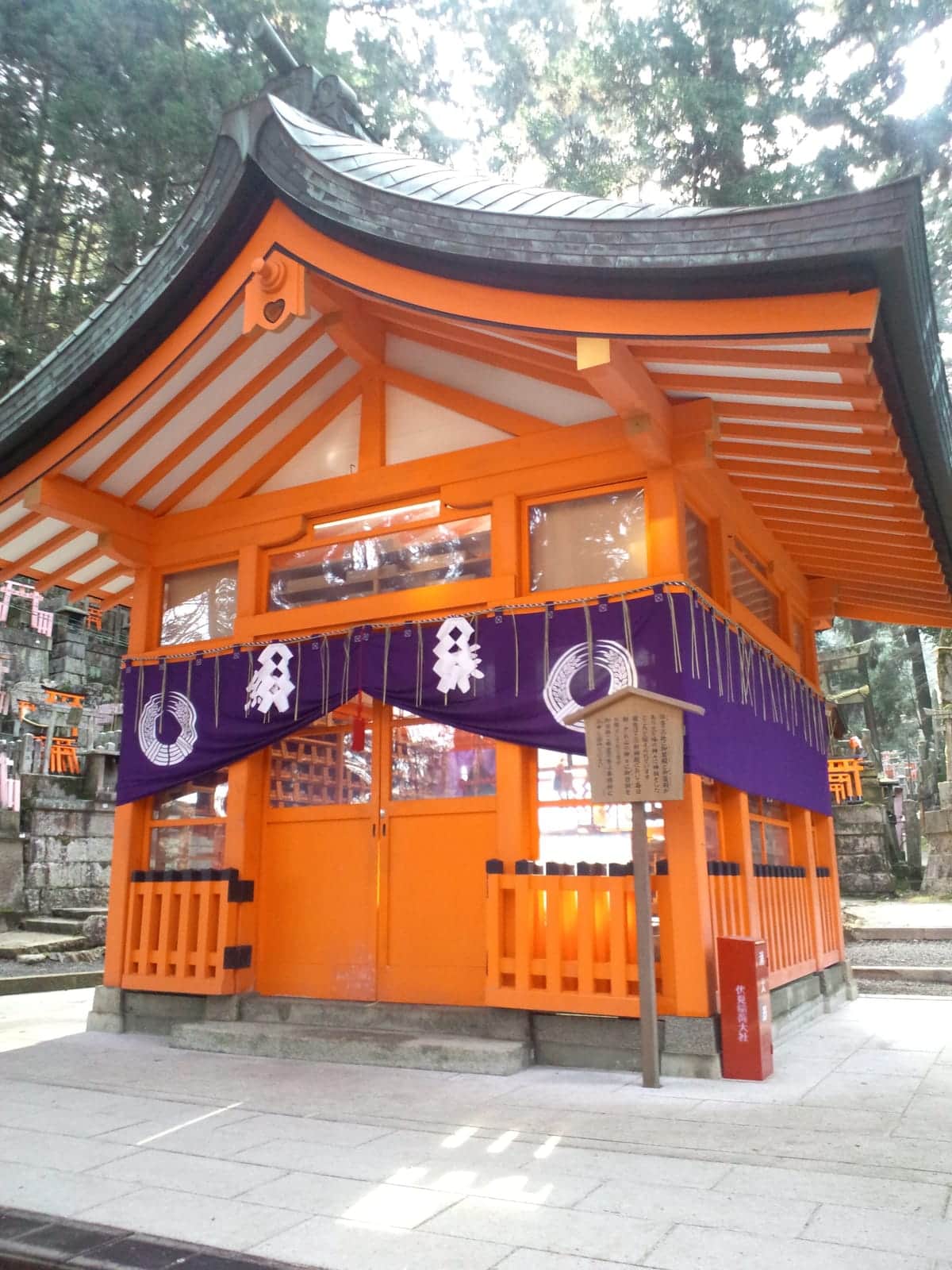
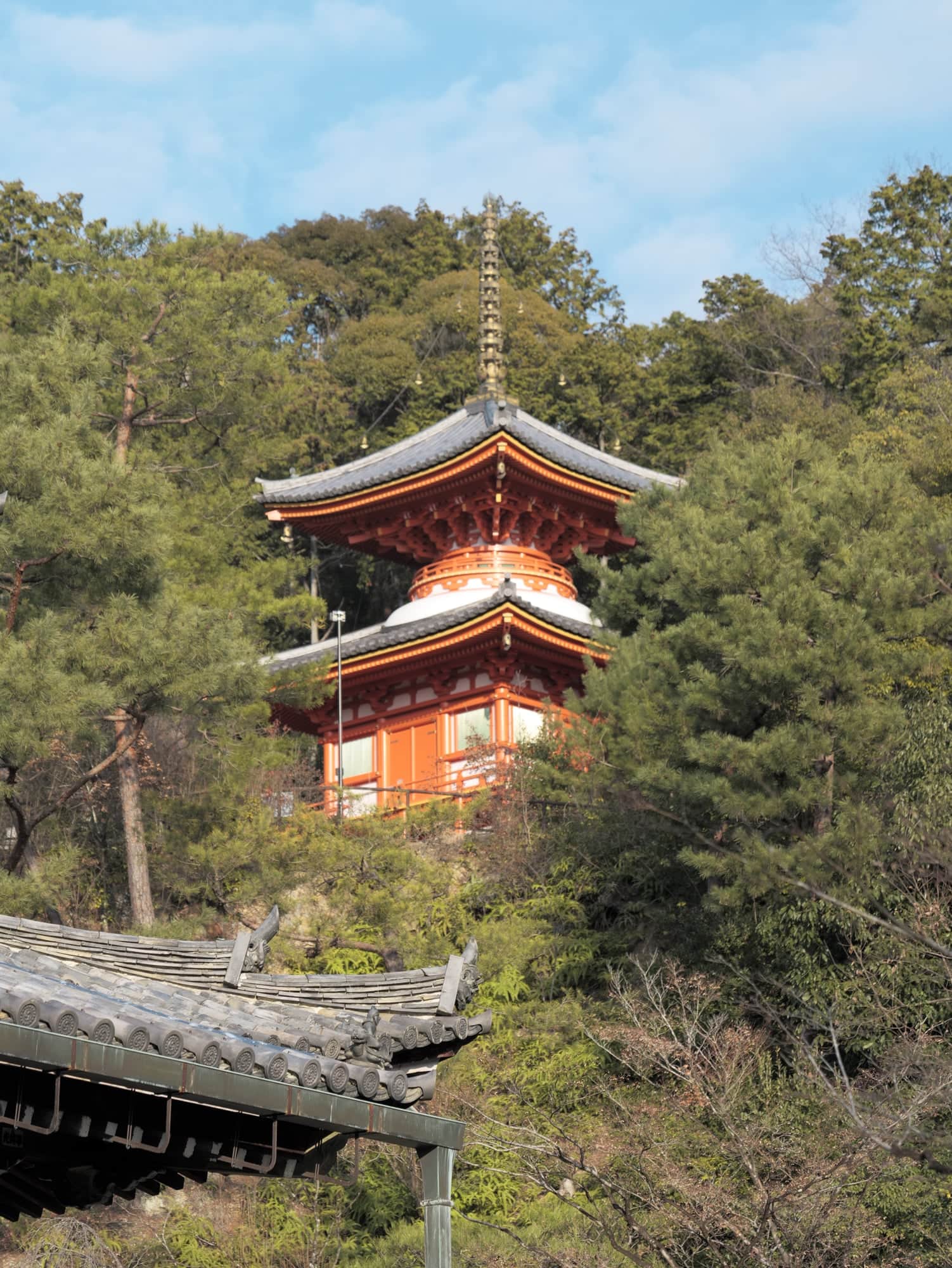
The building's existence is documented in a 1499 record called Senguki, making it one of the oldest continuously worshipped sites within Fushimi Inari Taisha's sprawling complex.
During the Edo period, this worship hall was also called Kumotsujo, meaning 'offering place,' reflecting its role as a destination for pilgrims completing their journey through the famous Senbon Torii gates.
이 신사은 다양한 고슈인 디자인 1가지를 제공합니다
일반
¥300
확인되지 않음
편의 시설
Set aside 2 to 3 hours minimum for your entire visit to Fushimi Inari Taisha if you want to reach Okuyashiro Hohaisho, as it sits at the end of the Senbon Torii tunnel and requires a substantial walk up the mountain.
Plan to arrive at Okuyashiro Hohaisho in the late morning or early afternoon after you've walked through the Senbon Torii, as the altitude and cooler air make this a refreshing destination midway through your shrine visit rather than a starting point.
Approach the Hohaisho with a quiet demeanor and take time to face the three peaks of Mount Inari in prayer or reflection, as this is fundamentally a place of worship rather than a photo checkpoint, and the cooler, more isolated setting invites genuine spiritual engagement.
Wear layers and bring a light jacket even on warm days, since the altitude of this worship hall combined with the valley setting creates noticeably cooler temperatures than the main shrine area below.
Position yourself to photograph Mount Inari's three peaks directly behind the Hohaisho building, as this is the intended focal point of the worship hall and creates the most spiritually resonant composition for your images.

이 장소와 연결된 다른 페이지입니다.
300m 이내 600m 이내
대여하려면 사업자 앱과 일본 전화번호가 필요합니다. docomo 1일권은 편의점에서 구입할 수 있습니다. 데이터 출처
후시미구, 교토부 현
최근 게시물 5개
4.0
1개 리뷰
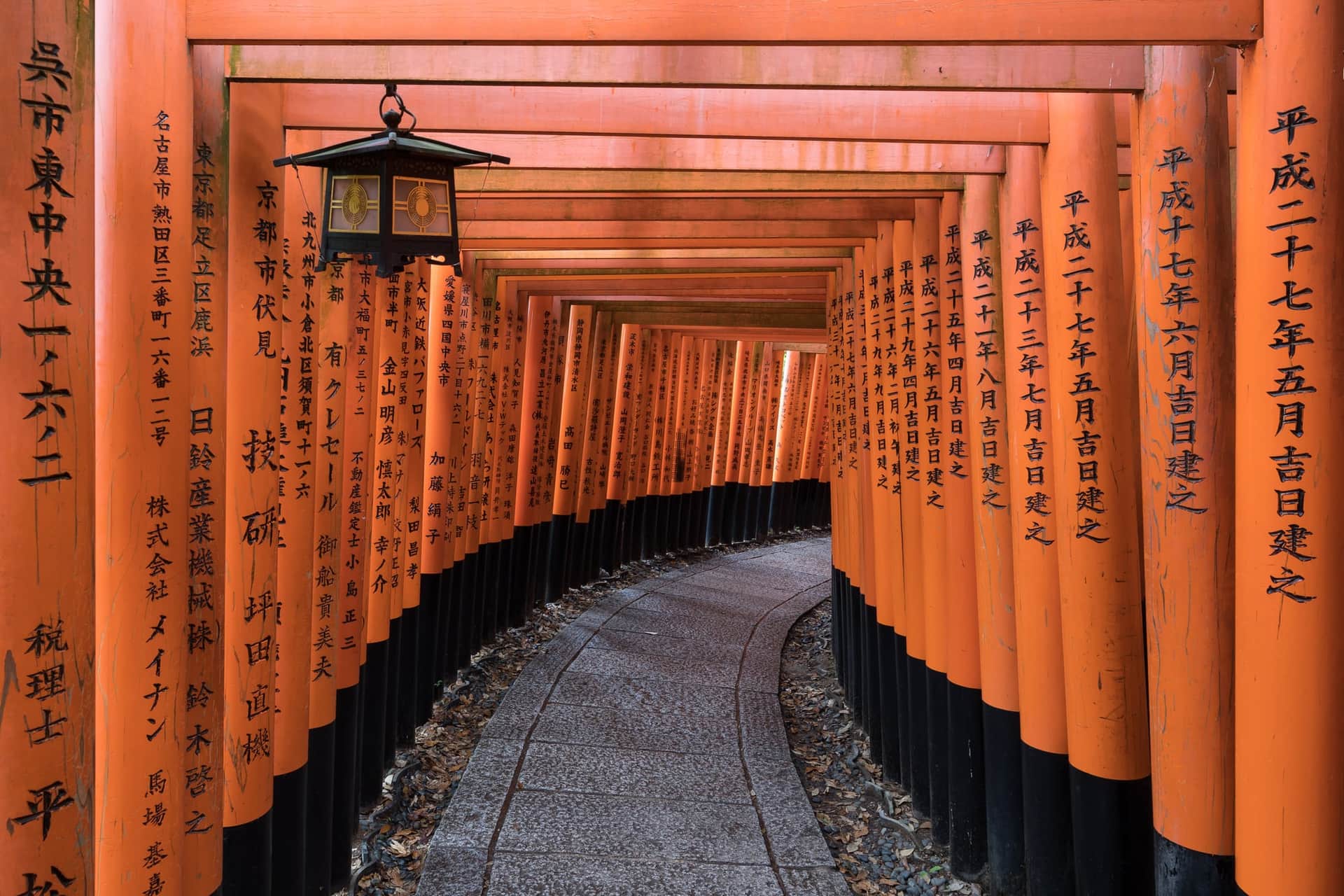
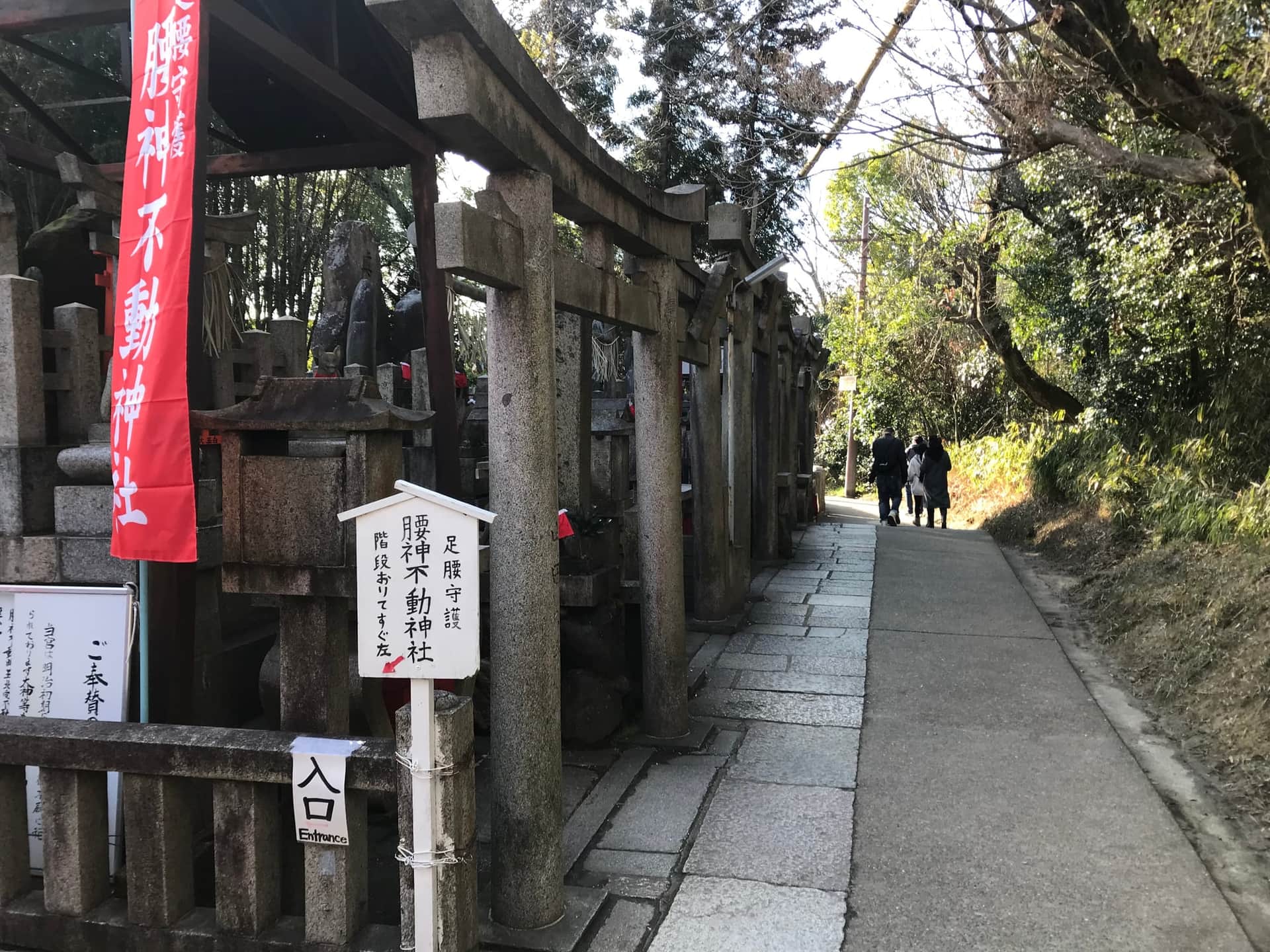
Okuyashiro Hohaisho에 도달하려면 센본 토리이를 통과한 후 본 신사 지역을 지나 이나리산으로 향하는 길에 위치합니다. 산 전체를 걷기 시작하기 전의 조용한 쉼터이며, 뒤쪽으로는 이나리야마의 세 봉우리가 있습니다.
부지의 오른쪽에서 오모카루 석을 찾을 수 있습니다. 소원을 빈 후 랜턴의 윗돌을 들어 올리는 곳인데, 예상보다 가볍게 느껴지면 소원이 이루어진다고 전해집니다. 여기에서 고슈인도 받을 수 있으며, 산책로를 시작하기 전 잠시 멈추기에 좋은 장소입니다.
 ДБ
ДБДмитрий Бессонов 님이 체크인했습니다
Okuyashiro Hohaisho
Fushimi, Kyoto