새해 첫날들에는 극심한 인파가 예상됩니다(hatsumode 참배객 300만 명 이상). 더 조용한 경험을 원하신다면 다른 날짜에 방문하세요.
시부야구, 도쿄도 현
한눈에
Look up. Almost everything green around you was planted on purpose, by people, just over a hundred years ago. When you step off the noise of Tokyo and onto this gravel path, it feels ancient. It isn't. In the nineteen-tens and twenties, this became an official reforestation project, and what was once open ground grew into the broad urban woodland you're walking through now.
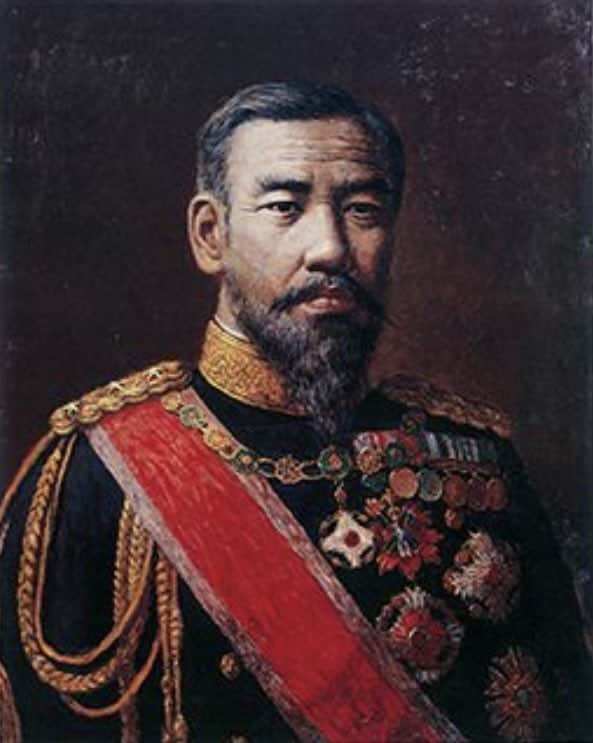
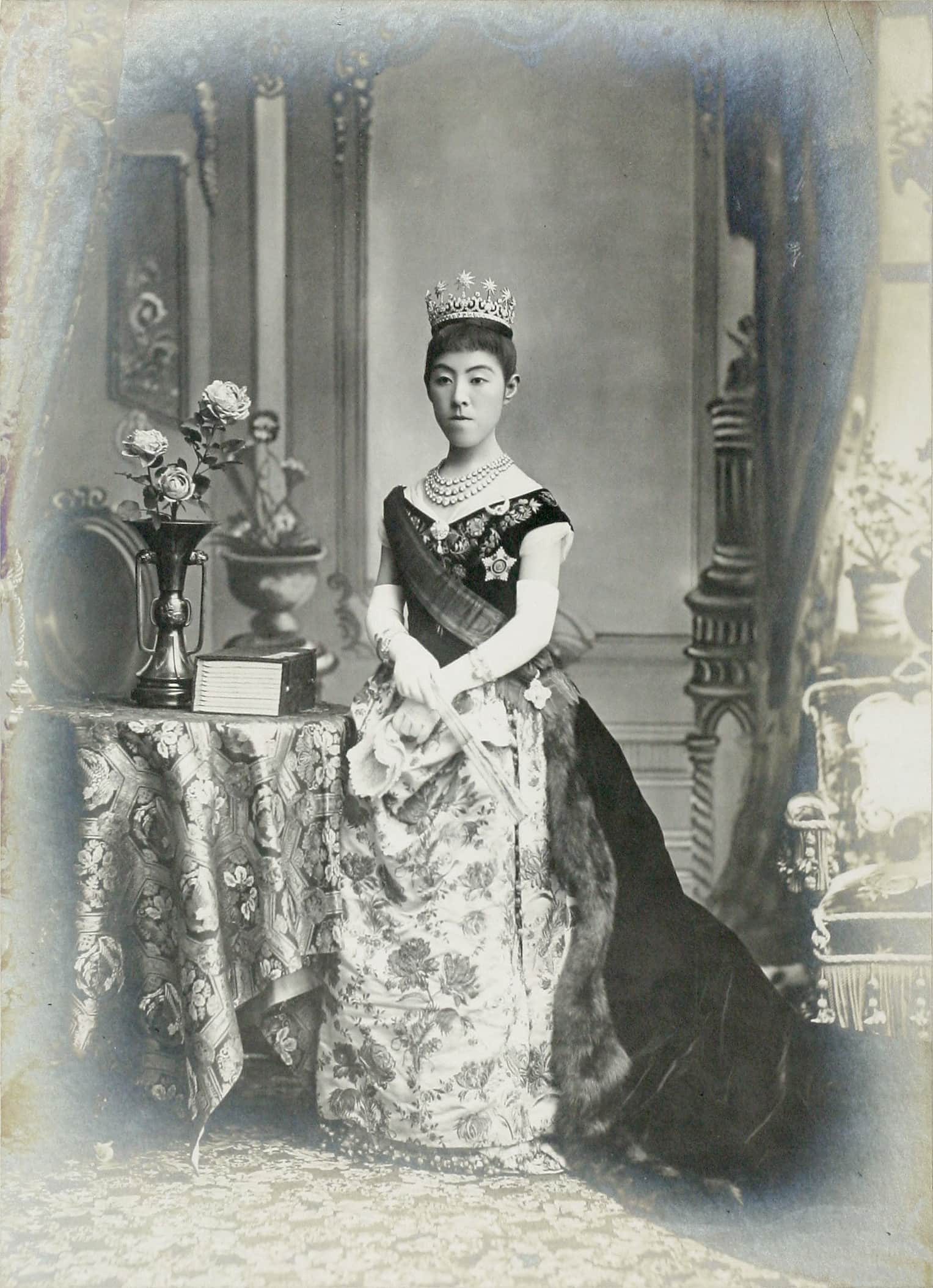
At the heart of it sits Meiji Jingu, a Shinto shrine in Shibuya dedicated to two people: Emperor Meiji and Empress Shoken. After their deaths, the shrine was built to honor their spirits, finished and dedicated in 1920. It is commemorative, so you won't find the emperor's grave here. That rests far away, near Kyoto.
As you head deeper toward the Inner Precinct, notice how the city sound fades behind the trees. That hush was designed for you, long before you arrived. Take your time on the path. Everything ahead unfolds slowly, on purpose.
Why build a shrine to an emperor at all? Emperor Meiji reigned during a time when Japan transformed itself with extraordinary speed, opening to the modern world. When he died in 1912, and Empress Shoken in 1914, the country wanted a place to honor them.
So this site became dedicated to their deified spirits. In Shinto, people can be enshrined and revered as kami, and that is what happened here. The shrine you see is young by the standards of Japanese religion, completed in 1920, during the Taisho period that followed Meiji's reign. It quickly became a central site of imperial-era Shinto and a key ceremonial place in the capital.
Keep in mind, though, that this is not where the emperor was buried. His actual grave lies at Fushimi-momoyama, near Kyoto. What stands before you is a place of memory and reverence rather than a tomb. As you approach the worship hall, you're greeting a presence, not visiting a resting place.
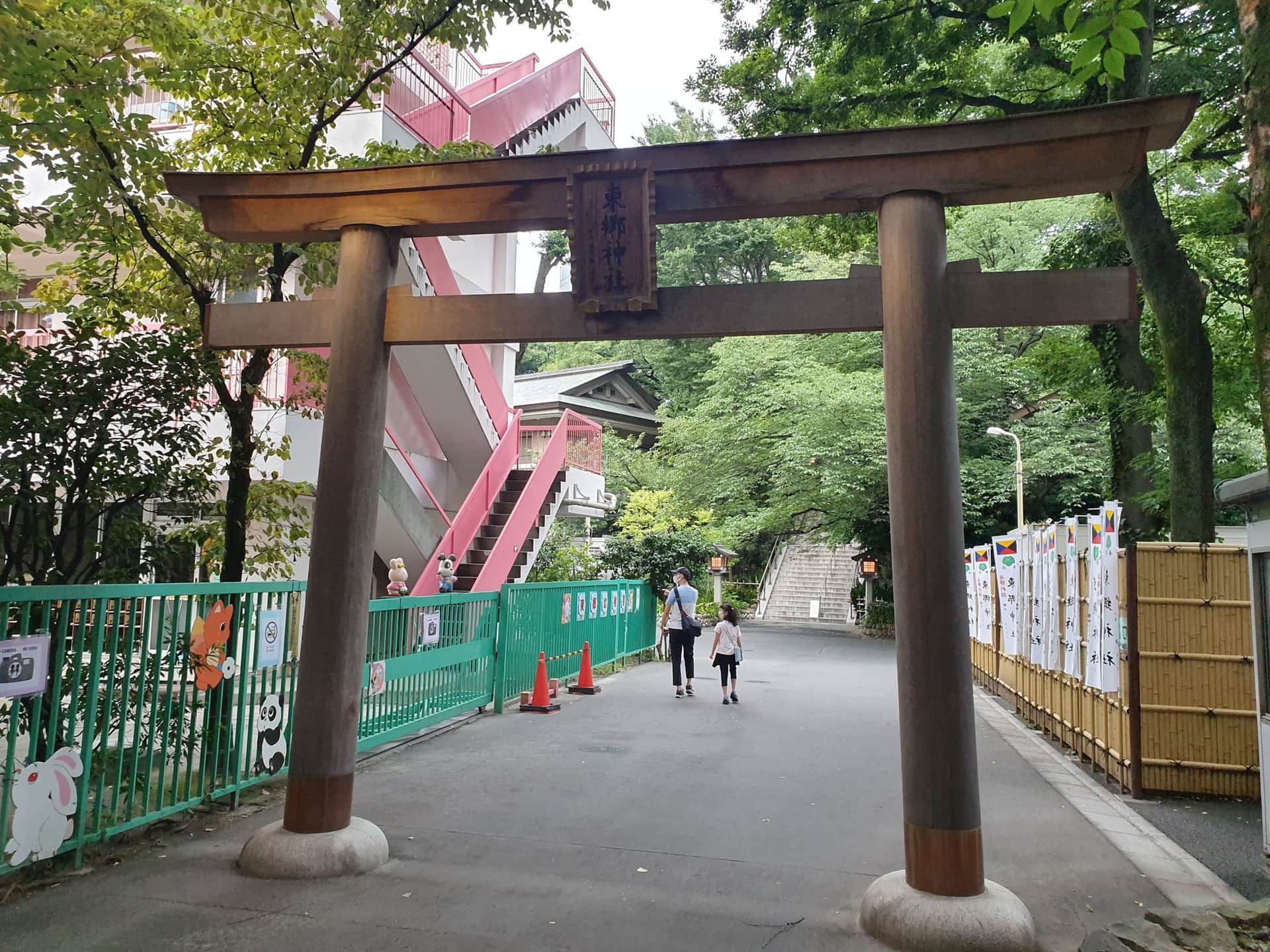
Before you reach the main hall, you pass beneath enormous wooden torii gates. Pause at one. These gates mark the boundary between the everyday world and sacred ground, and crossing them is its own small ritual.
The paths underfoot are gravel, and they crunch with every step. That sound is part of the experience. There's no shortcut here; the long approach through the trees is meant to slow you down and prepare you, leading gradually toward the Naien, the Inner Precinct. Many visitors instinctively quiet their voices once they're under the wood.
Notice the scale of the timber above you. These are not delicate structures. They announce that you're entering somewhere set apart. Take a breath as you go through, and let the gate do its work.
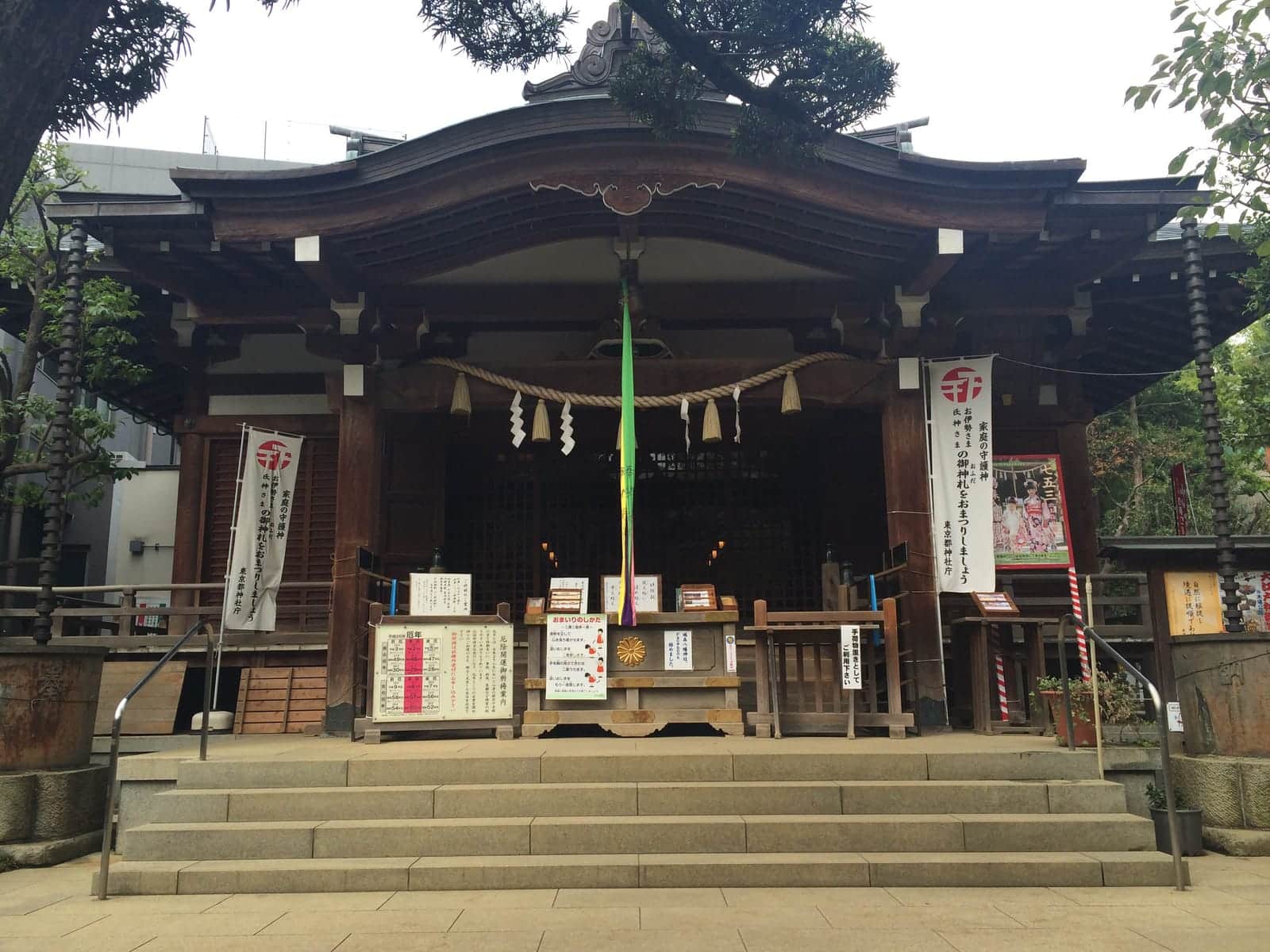
At the center of the Inner Precinct, inside a walled courtyard, you reach the place everything has been leading to. In front of you is the Haiden, the main hall where people come to worship. Behind it, hidden from view, sits the Honden, the inner sanctuary that holds the sacred presence.
You won't enter the Honden, and you aren't meant to. That separation is the point. Worshippers stand at the Haiden, offer a coin, bow, clap, and bow again. Watch how others do it, and you'll catch the quiet rhythm of the place.
What surprises many people is the age of these buildings. The originals were destroyed in air raids during the Second World War. What you see was rebuilt in 1958, using traditional techniques, so the craft carries on even though the timber is newer. Stand a moment in the courtyard. The walls hold the city out, and hold the stillness in.
The main hall isn't the whole story. Look around the precinct and you'll spot several other buildings, each with its own role in the life of the shrine.
There's the Kaguraden, where sacred music and dance are performed, an old art still kept alive here. Nearby is the Juyosho, where you can receive amulets to carry with you. And the Geihinkan, also known as the Meiji Kinenkan, serves as a ceremonial hall for state-related functions and for weddings.
If you're lucky, you may glimpse a traditional wedding procession moving across the grounds, the bride beneath a wide white hood, an attendant holding a parasol overhead. These aren't staged for tourists. This is a working shrine, hosting regular ceremonies, seasonal festivals, and rites throughout the year. You're walking through a place that's very much alive.
There's another side to Meiji Jingu that many visitors never reach. Beyond the forested Inner Precinct lies the Gaien, the Outer Precinct, and it has a different character entirely.
Here you'll find the Meiji Memorial Picture Gallery, holding an art collection that tells the story of the Meiji era. Alongside it are sports facilities, built in the early Showa years. It's a reminder that this shrine was tied to a moment of national modernization, not just to ritual and prayer.
So the place has two faces. One is the quiet woodland and the worship hall. The other looks outward, toward art, sport, and the modern age the emperor presided over. If you have time, the Outer Precinct shows you why this shrine still connects to exhibitions about Meiji-era change.
Imagine this gravel path packed shoulder to shoulder, hundreds of thousands of people moving slowly toward the hall. That's Meiji Jingu at New Year. It's one of Tokyo's most visited shrines, and during Hatsumode, the first shrine visit of the year, the crowds are extraordinary.
Another season brings a very different sight. During Shichi-Go-San in autumn, families arrive with small children dressed in bright formal kimono, here to mark the ages of three, five, and seven. You might see a tiny child clutching a parent's hand, overwhelmed by the scale of it all.
The shrine holds Important Cultural Properties and stands as a major venue for national Shinto rites. But what stays with most people is simpler. It's the contrast: one of the world's busiest cities pressing against its edges, and inside, a hand-planted forest keeping its own slow time. Before you leave, stop once more and just listen.
신사에는 천황의 능이 모셔져 있지 않으며, 능은 교토 남쪽의 후시미모모야마에 위치해 있습니다.
1920년, 지역 주민들은 메이지 천황과 쇼켄 황후의 서거를 기리기 위해 자발적으로 10만 그루의 나무를 심었습니다.
신성한 숲은 70헥타르 면적에 365종 12만 그루의 나무로 이루어져 있으며, 신사 창건 당시 일본 전역에서 기증되었습니다.
이 신사은 다양한 고슈인 디자인 1가지를 제공합니다
일반
평소 혼잡도
붐빔
방문 기간
철저한 (90+ 분)
300m 이내 600m 이내 거리를 알 수 없음
새해 첫날들에는 극심한 인파가 예상됩니다(hatsumode 참배객 300만 명 이상). 더 조용한 경험을 원하신다면 다른 날짜에 방문하세요.
최근 방문 및 사진 기여 10건
Sarah Casale 님이 체크인했습니다
Sandra Jalon-rico 님이 체크인했습니다
이 신성한 장소에서 숭배되는 신령들
이곳이 베푼다고 여겨지는 것
경내 건물 21개
이 장소에 대한 흥미로운 사실
신사에는 천황의 능이 모셔져 있지 않으며, 능은 교토 남쪽의 후시미모모야마에 위치해 있습니다.
1920년, 지역 주민들은 메이지 천황과 쇼켄 황후의 서거를 기리기 위해 자발적으로 10만 그루의 나무를 심었습니다.
신성한 숲은 70헥타르 면적에 365종 12만 그루의 나무로 이루어져 있으며, 신사 창건 당시 일본 전역에서 기증되었습니다.
Meiji Jingu 박물관은 2019년에 개관했으며, 쿠마 켄고가 설계했고, 1889년 메이지 헌법 선포에 사용된 천황의 마차를 전시하고 있습니다.
방문 경험을 공유해 다른 여행자를 도와주세요.


이 장소와 연결된 다른 페이지입니다.