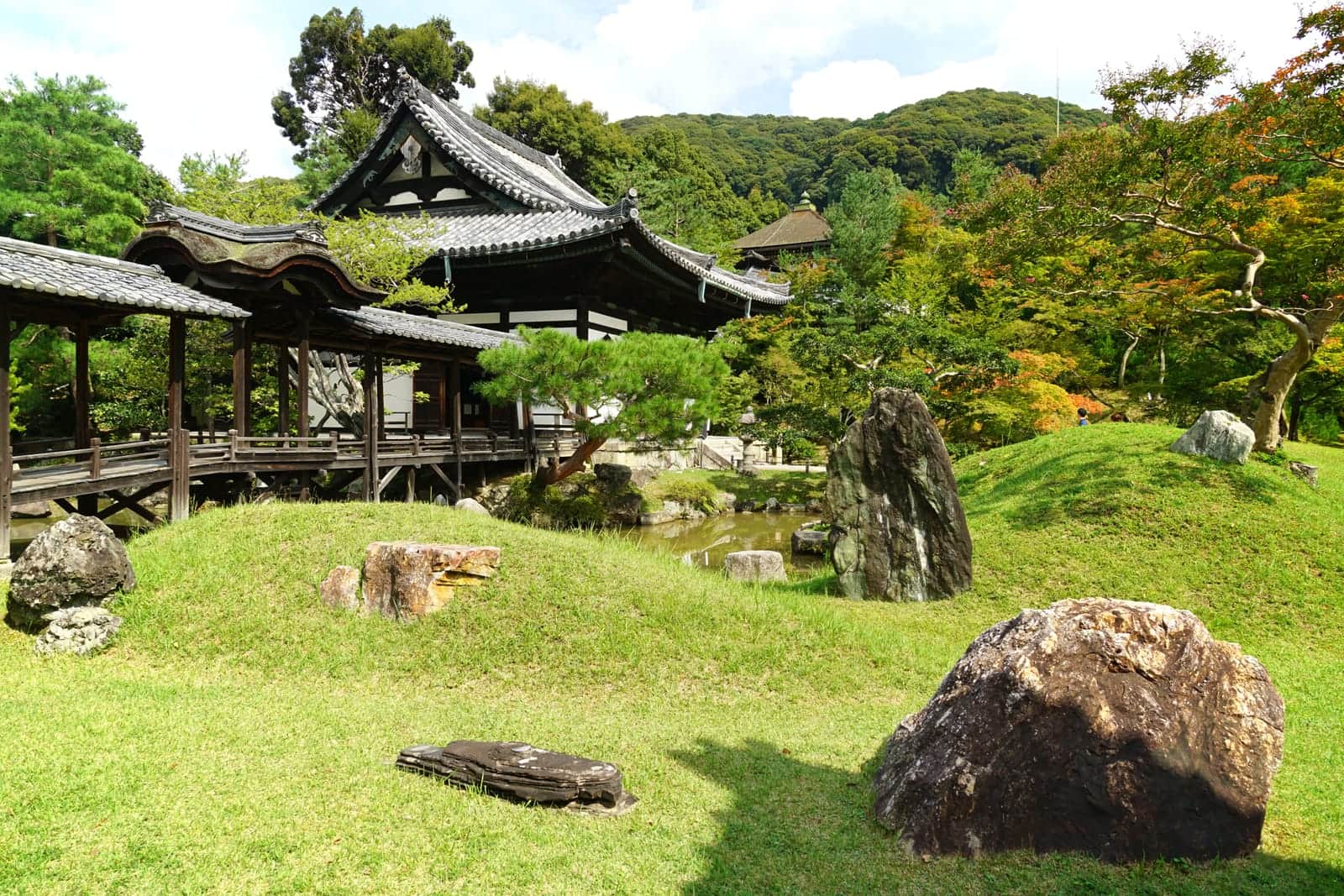
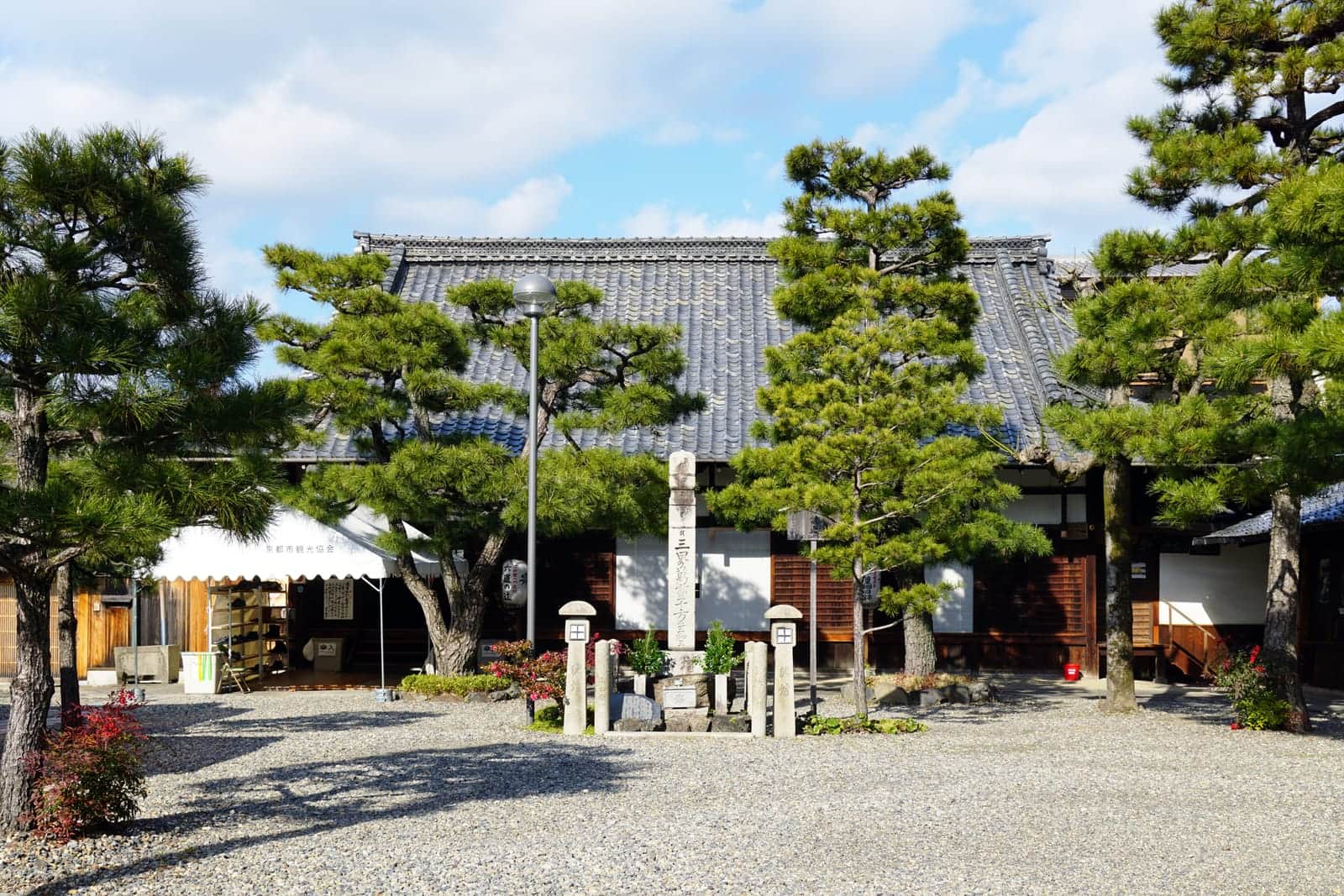
音羽の滝を訪れて、三つの流れが金属の杯に注がれる儀式用の水を飲みますが、伝統では三つすべてから飲むことは欲張りとされているため、一つの流れだけを選んでください(それぞれの流れは長寿、学業成就、愛を表しています)。
概要
Perched dramatically on the forested slopes of Otowa-san (Mount Otowa) in eastern Kyoto, Kiyomizu-dera has been drawing pilgrims, poets, and seekers of the sacred for more than twelve centuries. The moment its iconic wooden stage comes into view above the treetops, it becomes clear why. This is not merely a temple. It is one of Japan's most direct encounters with faith, nature, and architectural nerve, where the ancient and the living sit together so closely that even first-time visitors feel they have arrived somewhere familiar.
The story of Kiyomizu-dera begins in 778 CE, predating the very city it has come to define. This places the temple among an unusually small group, alongside Kōryū-ji and Kurama-dera, of Kyoto institutions that existed before Heian-kyō was established as the imperial capital in 794 CE. The founding therefore comes before the city's own imperial foundations, giving it a spiritual weight later construction could not create. Over more than 1,250 years, the complex has been shaped by fire, reconstruction, patronage, and devotion, building up layer after layer across its broad hillside precinct. Today, the grounds include 15 structures, among them designated National Treasures and Important Cultural Properties, each one a physical record of the centuries that have passed over these slopes.
The architectural achievement that defines Kiyomizu-dera is its celebrated main hall (hondō), which projects outward from the mountainside on a platform supported by 139 pillars of keyaki (Japanese zelkova) timber, assembled entirely without a single nail. This steep, wooden stage projects over the valley below, and it rewards close inspection. The construction technique, known as "kakezukuri" or hanging-style architecture, is among the most sophisticated examples of traditional Japanese carpentry. It is engineered to flex and absorb the stresses of the steep terrain while supporting the hall's weight and the thousands of visitors who have walked its boards across the centuries. The complex is formally known as Otowa-san Kiyomizu-dera, and its 15 structures spread across the precinct of Higashiyama offer a broad survey of classical Japanese religious architecture across multiple historical periods, from the
本堂の本尊は十一面観音像で、秘仏として一般に公開されることなく秘蔵されており、仏教の最も秘密の宝の一つとなっている。
清水寺の音羽の滝は三つの別々の流れで流れており、訪問者は柄の長い金属製の杯でそれをすくい、各流れは飲む人に異なる世俗的な利益をもたらすと信じられている。
こちらの寺院では4種類の御朱印があります
拝観時間と同じ
通常
通常
¥500
通常
通常
音羽の滝を訪れて、三つの流れが金属の杯に注がれる儀式用の水を飲みますが、伝統では三つすべてから飲むことは欲張りとされているため、一つの流れだけを選んでください(それぞれの流れは長寿、学業成就、愛を表しています)。
寺の十一面観音像は秘仏で公開されていないため、代わりに入れる堂や儀式の場を探検してください。
本堂の有名な木製舞台は、釘を使わずに組み合わされた柱の上に丘の斜面を越えて伸びているので、下の展望台まで歩いて回り込み、この建築の驚異を下からじっくりと味わってください。
寺院の敷地内にある縁結びの神社、地主神社を訪れるために余裕を持った時間を計画してください。ここは特にカップルや恋愛運を求める人々に人気があります。
寺院は京都の東の丘にあり、段々になった敷地に建っていますので、階段を登ったり、各堂や塔の間の斜面の道を歩くのに適した履き心地の良い靴を履いてください。
この聖地で祀られている神仏
同じ境内にある関連する寺社や施設です。
境内に17の建物
混雑状況
混雑
所要時間
90+ 分
東山, 京都府 県
この場所から続けて探せる関連ページです。
最近の投稿 49件
4.8
レビュー12件
清水寺は京都の東山に位置しているため、履き慣れた靴を着用してください。境内は段々になっており、様々なお堂や塔を階段や坂道でつないでいます。日中は多くの参拝客が訪れるため、できるだけ早い時間に来ることをおすすめします。
本堂の舞台は、釘を使わずに組み合わせた柱で山の斜面にせり出しています。下の展望台まで歩いて行くと、構造を下から見ることができます。音羽の滝では、三つの流れが杯に注がれ、お浄めの水として飲むことができます。一つだけを選んでください。伝統では、三つ全てを選ぶのは欲張りとされています。
Haik HakopyanPro がチェックインしました現地で確認
Kiyomizu-dera
Higashiyama, Kyoto
300m以内 600m以内 距離不明
利用には各事業者のアプリと日本の電話番号が必要です。ドコモ・バイクシェアの1日パスはコンビニで購入できます。 データ出典
この場所がもたらすと信じられているもの