常設展に加えて、季節ごとにテーマ展も開催されるほか、現代アーティストとのコラボレーションによるアート展も実施されています
概要
Daigo-ji is a major Shingon Buddhist temple in Fushimi-ku, Kyoto, and the head temple of the Shingon Daigo-ha branch. It is part of the UNESCO World Heritage Site “Historic Monuments of Ancient Kyoto,” recognized in 1994 for its wooden architecture and garden traditions. The temple is famed for vast precincts on Mount Daigo and as the site of Toyotomi Hideyoshi’s celebrated cherry blossom viewing in 1598.
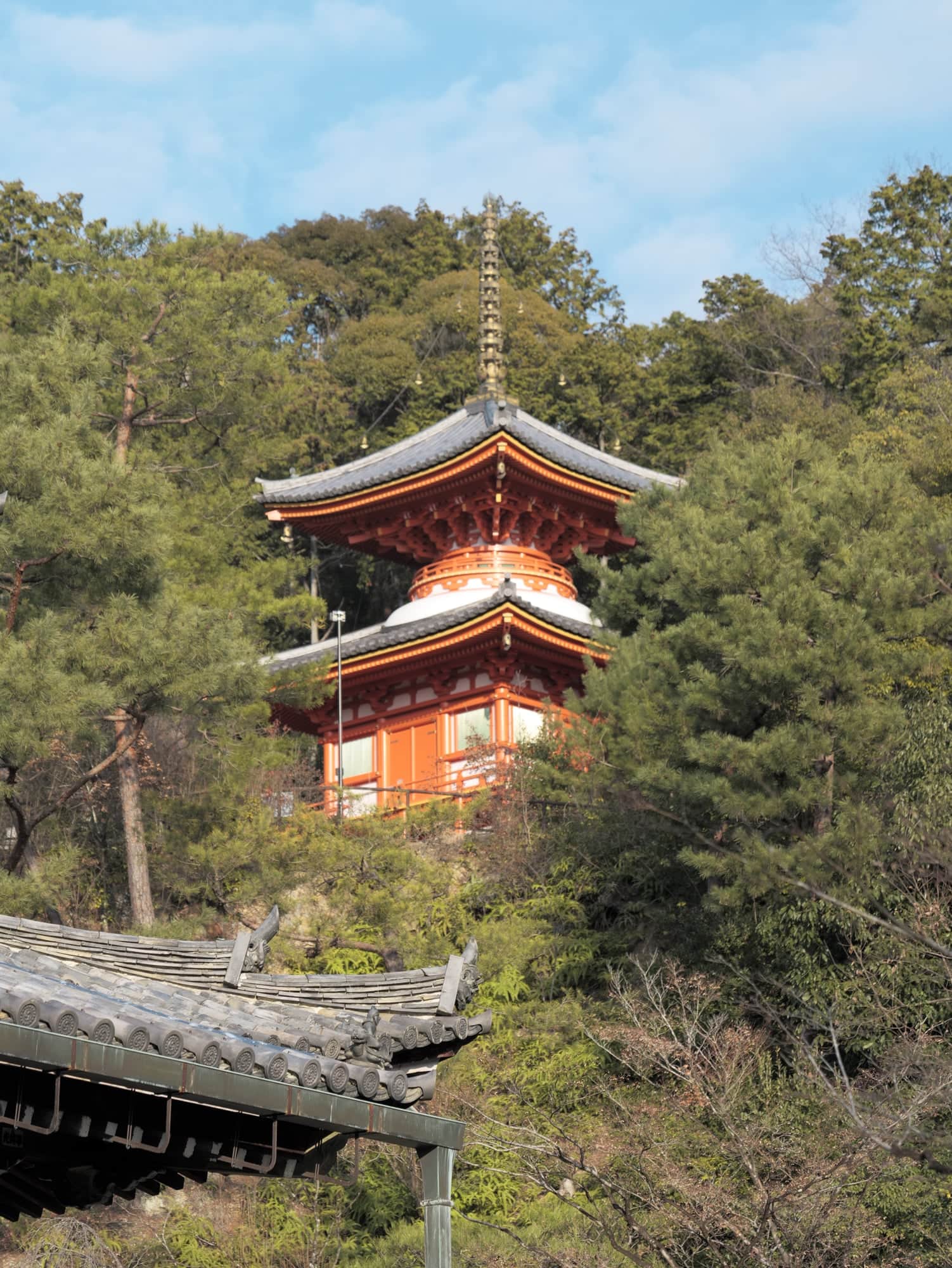
Founded in 874 by the monk Shōbō (Rigen Daishi), Daigo-ji developed through the Heian and medieval periods as an important esoteric center. Fires and warfare led to losses, but key structures were rebuilt, and patronage in the Azuchi–Momoyama era revived the complex. The five-story pagoda from 951 is the oldest surviving building in Kyoto, and many halls date from the 16th–17th centuries.
The complex spans lower, middle, and upper precincts on the mountain. Visitors encounter the grand Sanbō-in sub-temple with Momoyama-era architecture and gardens, the Kondō (Main Hall), the five-story pagoda, and the vermilion Bentendō by a pond. A steep trail leads to the Kami-Daigo upper precinct with early halls and mountain worship sites. The temple museum preserves an extensive collection of sculptures, mandalas, and documents, including National Treasures and Important Cultural Properties.
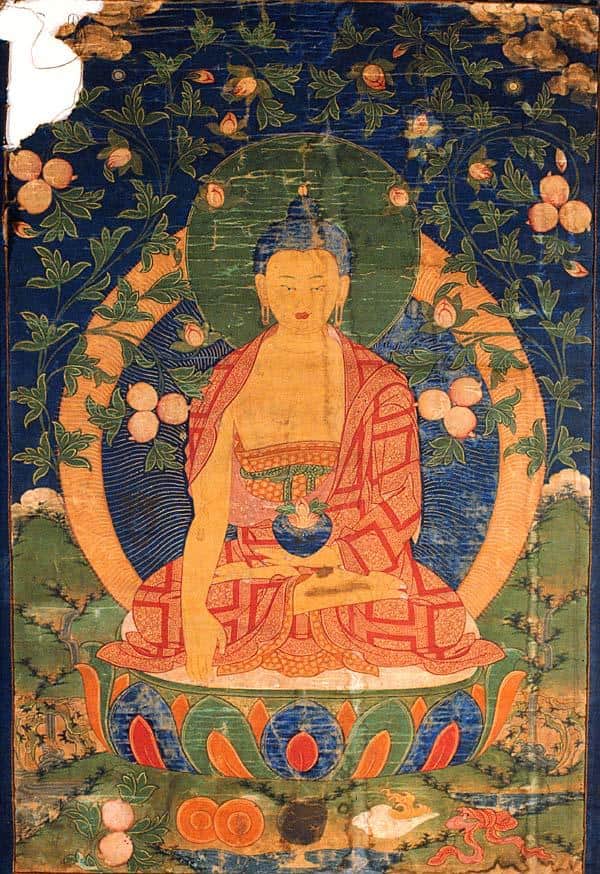
Daigo-ji’s principal image is Yakushi Nyorai, enshrined as a hibutsu (hidden Buddha), reflecting Shingon esoteric worship. The temple is the 11th stop on the Saigoku Kannon Pilgrimage, linking it to a wider devotional route across western Japan. Seasonal rituals, Buddhist ceremonies, and historical associations position Daigo-ji as a key locus of religious practice and cultural heritage in Kyoto.
豊臣秀吉は1598年の伝説的な花見の宴を開く前に、ここに700本以上の桜を植えました。これは歴史上最も豪華な祝宴の一つとなりました。
寺院の湧き水は蜜のような味わいがすると言われており、その名前の由来となっています。醍醐寺の「醍醐」は日本語で「最高の味わい」を意味し、寺院の起源を醍醐山から流れ出る水そのものと結びつけています。
こちらの寺院では1種類の御朱印があります
拝観時間と同じ
通常
本堂と博物館は車椅子対応です。一部の寺院エリアには階段があります。バリアフリートイレあり。
常設展に加えて、季節ごとにテーマ展も開催されるほか、現代アーティストとのコラボレーションによるアート展も実施されています
寺院の敷地は広く、多くの階段があるため、快適な歩きやすい靴を履いてください。
寺院の敷地は醍醐山の三つの異なる区域にまたがっており、上醍醐エリアに到達するには急な山道を登る必要があるため、全体を見学するには少なくとも3~4時間を確保し、下の境内を越えて探索する場合は丈夫な登山靴を履いてください。
より観光以上の体験をお望みでしたら、到着時にDaigo-jiの瞑想セッションと季節の儀式についてお尋ねください。このお寺は訪問者に僧侶たちと一緒に参加したり見学したりするよう招待しており、その実践がいかに1,150年以上続いてきたかを説明しています。
2月または初冬に訪れると、春の桜の季節に押し寄せる圧倒的な人混みを避けながら、寺院の建築美と庭園の美しさを体験することができます。
春の桜の季節(3月下旬から4月上旬)に訪問する場合、有名なしだれ桜に集まる大勢の人混みを避けるため、午前8時30分までに到着するか、平日に訪問することをお勧めします。
桜の季節に訪れて、豊臣秀吉が伝説の1598年の花見を開催した場所を体験してください。ただし、4月初旬のこの最盛期には大幅に多い人出が予想されます。
この聖地で祀られている神仏
境内に5の建物
所要時間
90+ 分
伏見区, 京都府 県
この場所から続けて探せる関連ページです。
300m以内 600m以内
この場所がもたらすと信じられているもの
最近の投稿 4件
5.0
レビュー2件
醍醐寺の全体を見学するには、最低でも3~4時間を予定しておくことをお勧めします。醍醐山の3つの区域に広がる広大な境内で、下の地域は歩きやすいですが、上の上醍醐地区に到達するには急な山道を登る必要があるため、丈夫な靴を履いてください。4月上旬は桜の季節で大勢の参拝客が訪れます。その時期の景観は、豊臣秀吉が1598年に開催した有名な花見の宴で選んだのと同じ風景です。
季節ごとの見どころの他にも、このサイトではテーマ別の企画展示や現代アーティストとのコラボレーション企画が随時開催されているため、訪問時期によっては追加で見どころがあるかもしれません。
 MM
MMMarcus Mok がチェックインしました
Daigo-ji
Fushimi, Kyoto
 AP
APAlessia Petringa が御朱印を投稿しました