拝観料
未確認
概要
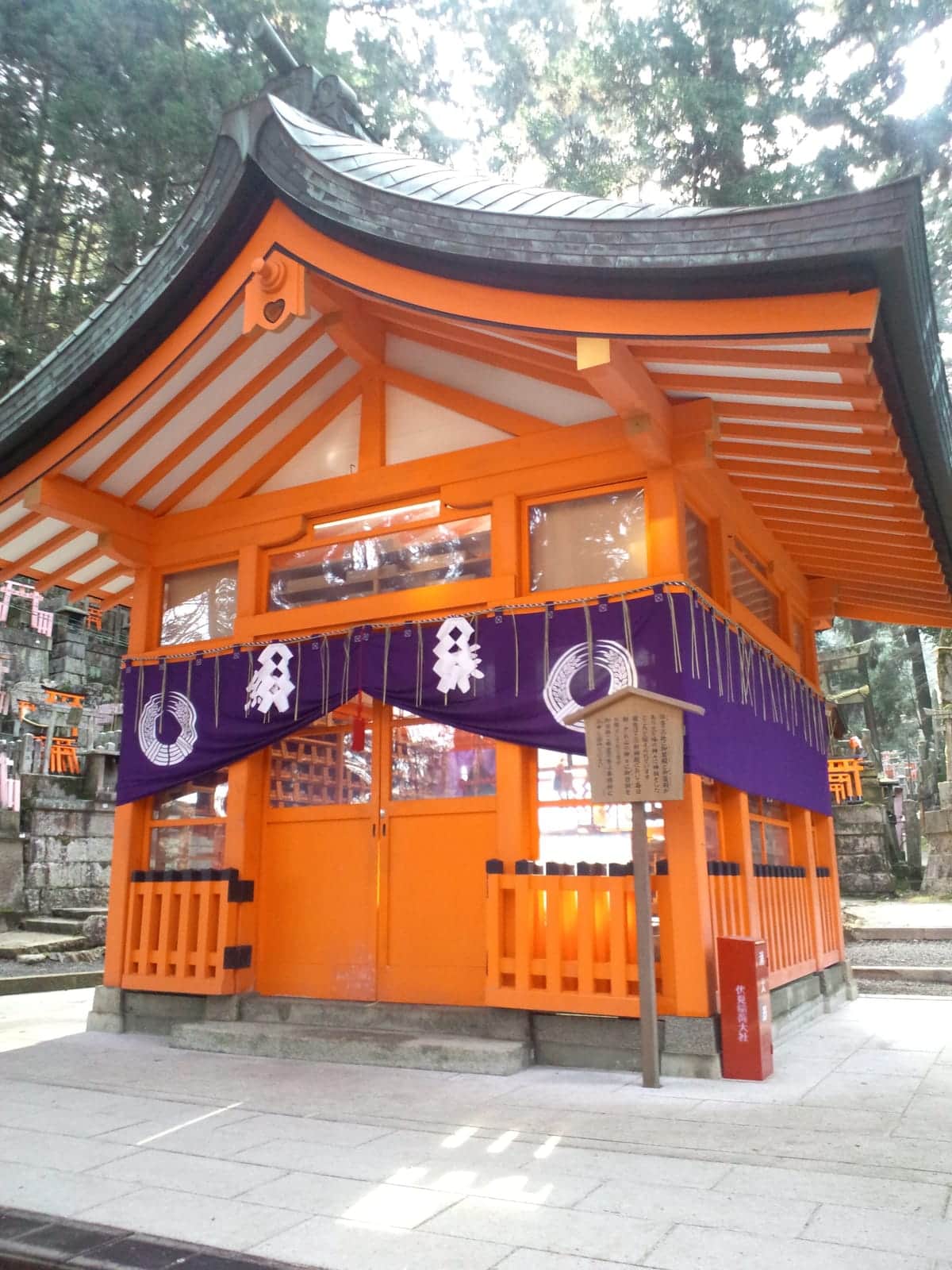
The building's existence is documented in a 1499 record called Senguki, making it one of the oldest continuously worshipped sites within Fushimi Inari Taisha's sprawling complex.
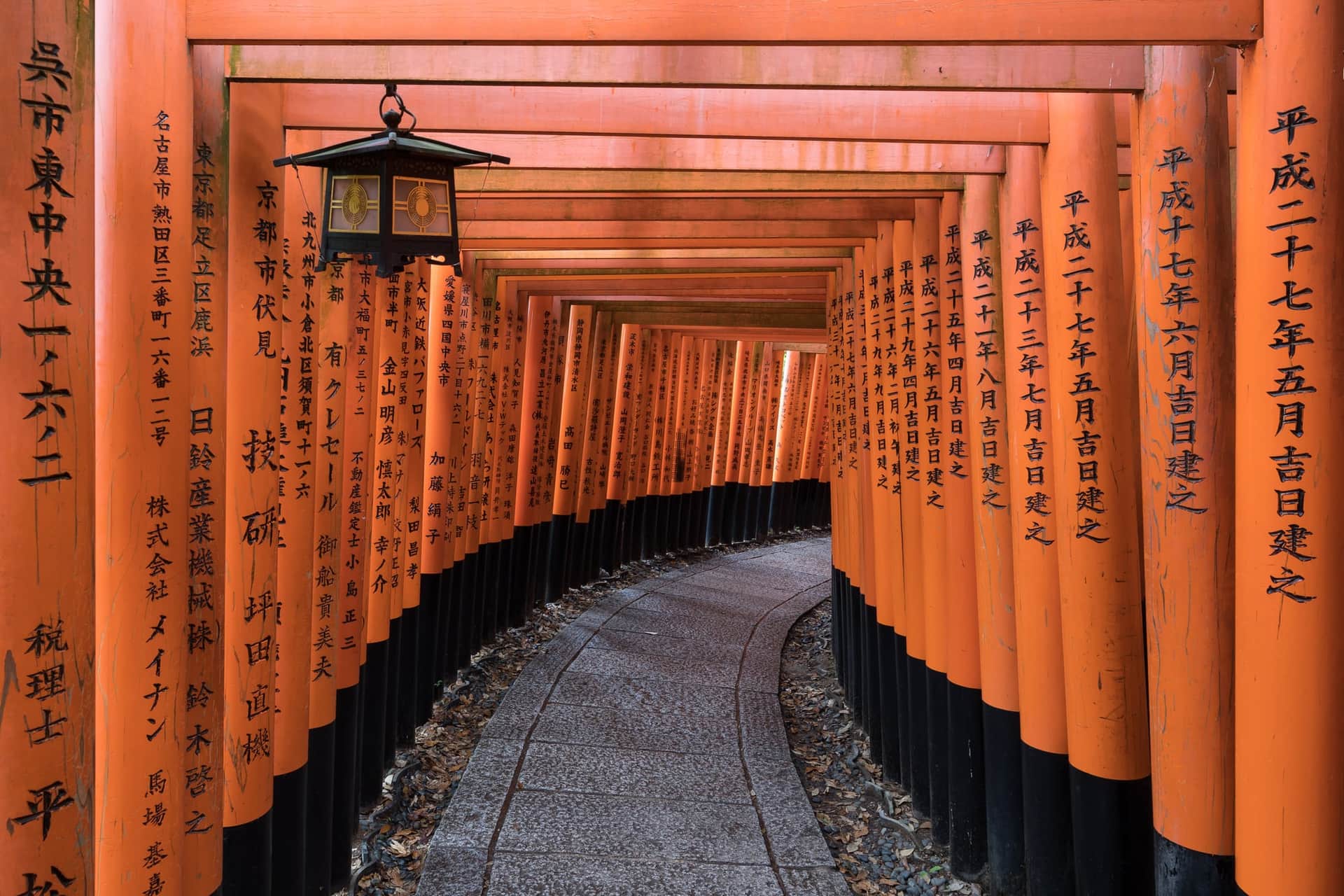
During the Edo period, this worship hall was also called Kumotsujo, meaning 'offering place,' reflecting its role as a destination for pilgrims completing their journey through the famous Senbon Torii gates.
こちらの神社では1種類の御朱印があります
通常
¥300
未確認
設備・サービス
Set aside 2 to 3 hours minimum for your entire visit to Fushimi Inari Taisha if you want to reach Okuyashiro Hohaisho, as it sits at the end of the Senbon Torii tunnel and requires a substantial walk up the mountain.
Plan to arrive at Okuyashiro Hohaisho in the late morning or early afternoon after you've walked through the Senbon Torii, as the altitude and cooler air make this a refreshing destination midway through your shrine visit rather than a starting point.
Approach the Hohaisho with a quiet demeanor and take time to face the three peaks of Mount Inari in prayer or reflection, as this is fundamentally a place of worship rather than a photo checkpoint, and the cooler, more isolated setting invites genuine spiritual engagement.
Wear layers and bring a light jacket even on warm days, since the altitude of this worship hall combined with the valley setting creates noticeably cooler temperatures than the main shrine area below.
Position yourself to photograph Mount Inari's three peaks directly behind the Hohaisho building, as this is the intended focal point of the worship hall and creates the most spiritually resonant composition for your images.
300m以内 600m以内
利用には各事業者のアプリと日本の電話番号が必要です。ドコモ・バイクシェアの1日パスはコンビニで購入できます。 データ出典
伏見区, 京都府 県
最近の投稿 5件
4.0
レビュー1件
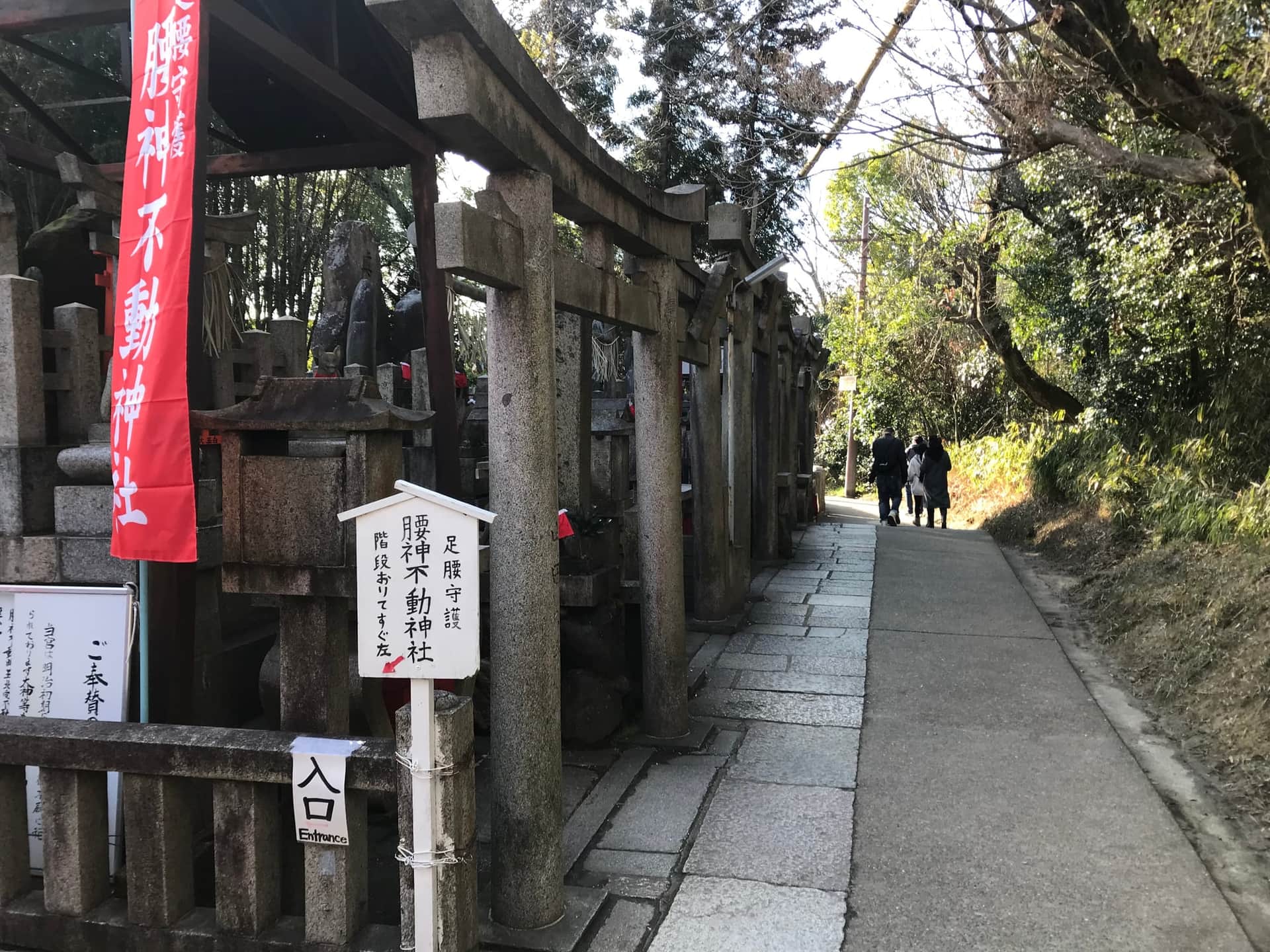
Senbon Torii を通り抜けた後、この礼拝堂に到達します。本社を過ぎて稲荷山への入口のすぐ先に位置しており、本格的な山歩きが始まる前の、より静かな立ち寄り地点です。その後ろには稲荷山の三つの峰が広がっています。
敷地の右側には、重軽石(おもかるいし)があります。願いを込めた後、灯籠の上石を持ち上げてみます。予想より軽く感じられれば、その願いは叶うとされています。ここで御朱印も入手できます。山道を始める前に立ち止まるのに良い場所です。
 ДБ
ДБДмитрий Бессонов がチェックインしました
Okuyashiro Hohaisho
Fushimi, Kyoto