参观费用
尚未确认
概览
Natural spring water rises from over 30 meters underground at a constant 17-18°C, certified safe to drink and tested yearly. Locals regularly bottle this famous Nishiki no Mizu to take home.
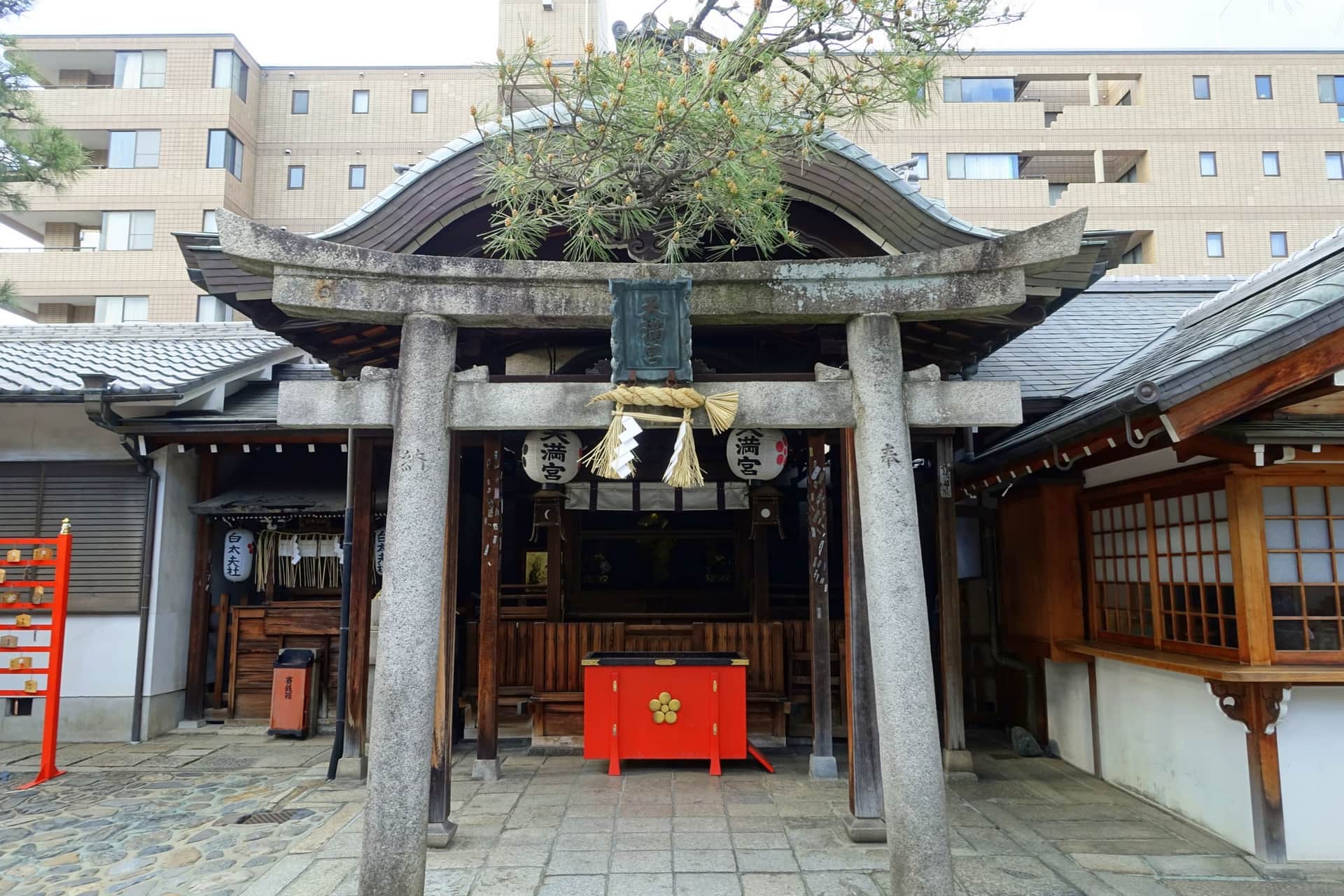
The shrine's torii gate is embedded into the surrounding buildings' walls because it was too sacred to alter when the street was constructed, creating a bizarre architectural feature visible in upper-floor windows.
此 神社 提供 2 款不同的御朱印设计
与开放时间相同
通常
¥300
通常
尚未确认
如果您想参拜供奉、抽omikuji或尝试神社独特的机器人算命,请携带零钱。
Bring a bottle if you want to collect some of the natural spring water called Nishiki no Mizu, which flows from over 30 meters underground at 17-18 degrees Celsius and is certified safe to drink with yearly testing.
Combine your visit with exploring Nishiki Market since the shrine is located at the eastern end of this popular food market, making it easy to experience both the bustling market atmosphere and the tranquil shrine grounds in one trip.
Try the mechanical karakuri omikuji fortune-telling by feeding coins into the glass cases, which activates robotic shishi lions that dance to traditional gagaku court music before delivering your fortune.
神圣的灵魂在这个神圣的地方受到崇敬
中京区, 京都府 县
据信此地能赐予的福佑
与此地点相关的更多页面。
10 条最新帖子
4.0
1 条评价
Plan to arrive with small coins: you'll want them for offerings, standard omikuji, and especially the karakuri fortune-telling machines. Feed coins into the glass cases and mechanical shishi lions dance to gagaku court music before dispensing your fortune. It's one of those things that sounds gimmicky but lands differently in person.
Also bring an empty bottle. A natural spring called Nishiki no Mizu rises from over 30 meters underground at a steady 17-18 degrees Celsius, and the water is tested yearly and certified safe to drink. It's free to collect and easy to miss if you're not looking for it.
The shrine sits at the eastern end of Nishiki Market, so pairing the two is natural.
 MDPro member
Marie DelaneyPro 发表了评价
Visite incontournable lors d’une cession shopping !
300米以内 600米以内

KT400-グランジット 京都河原町
docomo bike share
KT378-皇都ビル(南側)
docomo bike share
KT004-GOOD NATURE STATION
docomo bike share
租借需要运营商的应用程序和日本手机号码。docomo 单日券可在便利店购买。 数据来源
MDPro memberMarie DelaneyPro 分享了御朱印
MDPro memberMarie DelaneyPro 签到了
Nishiki Tenmangu
Nakagyo, Kyoto