参观费用
尚未确认
概览
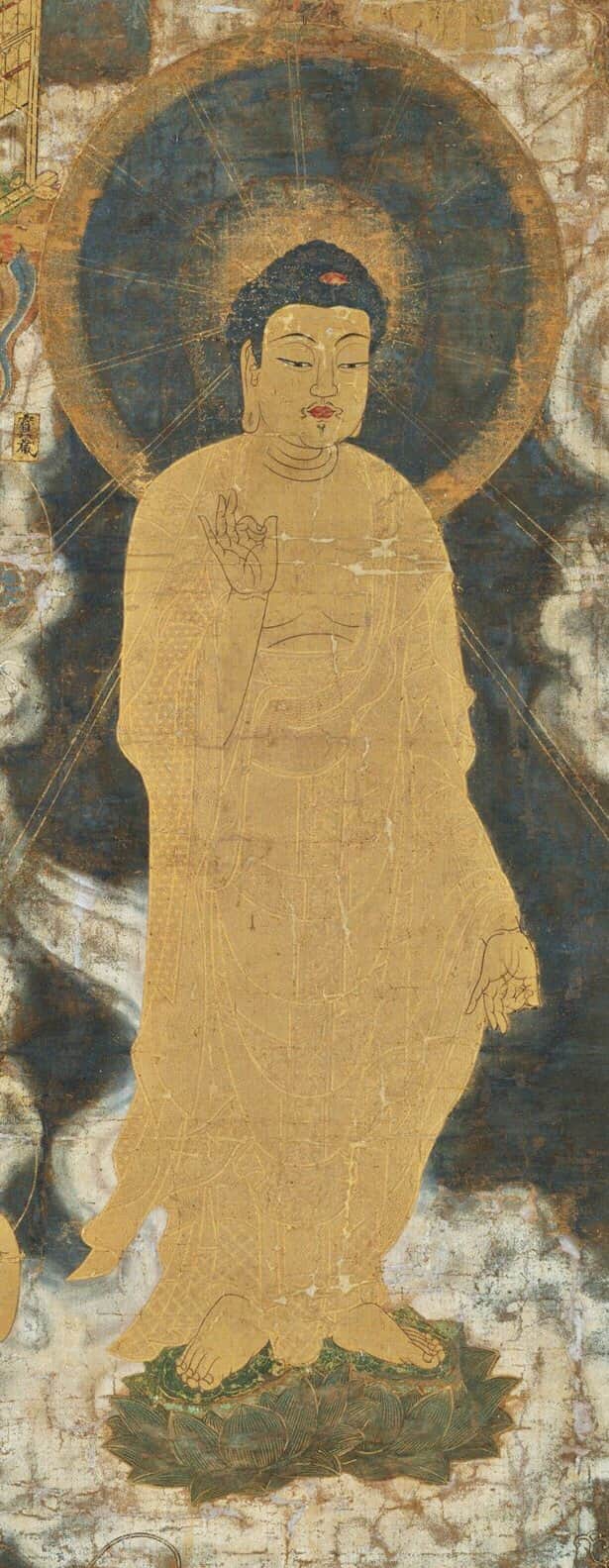
By the 15th century, Bukkō-ji had grown so successful it rivaled Hongan-ji itself, with branch temples spreading across western Japan before being forced into subordination in 1481.
Bukkō-ji was renamed in 1329 specifically to distance itself from its rival Hongan-ji, a deliberate act of institutional separation that shaped Kyoto's Buddhist landscape for centuries.
此 寺院 提供御朱印,但我们还没有照片。欢迎成为第一个分享的人!
尚未确认
Arrive by 10 am if you want to visit the D&Department Kyoto Cafe and shop, since both close at 4 pm and tend to get busier in the afternoon.
The temple is a 10 to 15 minute walk from Shijo Kawaramachi Station on the Hankyu line or Shijo Karasuma Station on the Kyoto subway, making it more convenient than relying on buses if you're coming from central Kyoto.
Plan your visit for late March or early April to see the weeping cherry blossoms on the temple grounds, which create a distinctly different atmosphere than other seasons.
Combine your visit with nearby temples like Kenninji, Kodaiji, or Kiyomizudera since Bukkoji is within walking distance of all three. This lets you experience multiple important temples in one afternoon without backtracking through Kyoto.
0 条最新帖子
分享你的参访体验,帮助其他旅行者。
暂无公开社区帖子。
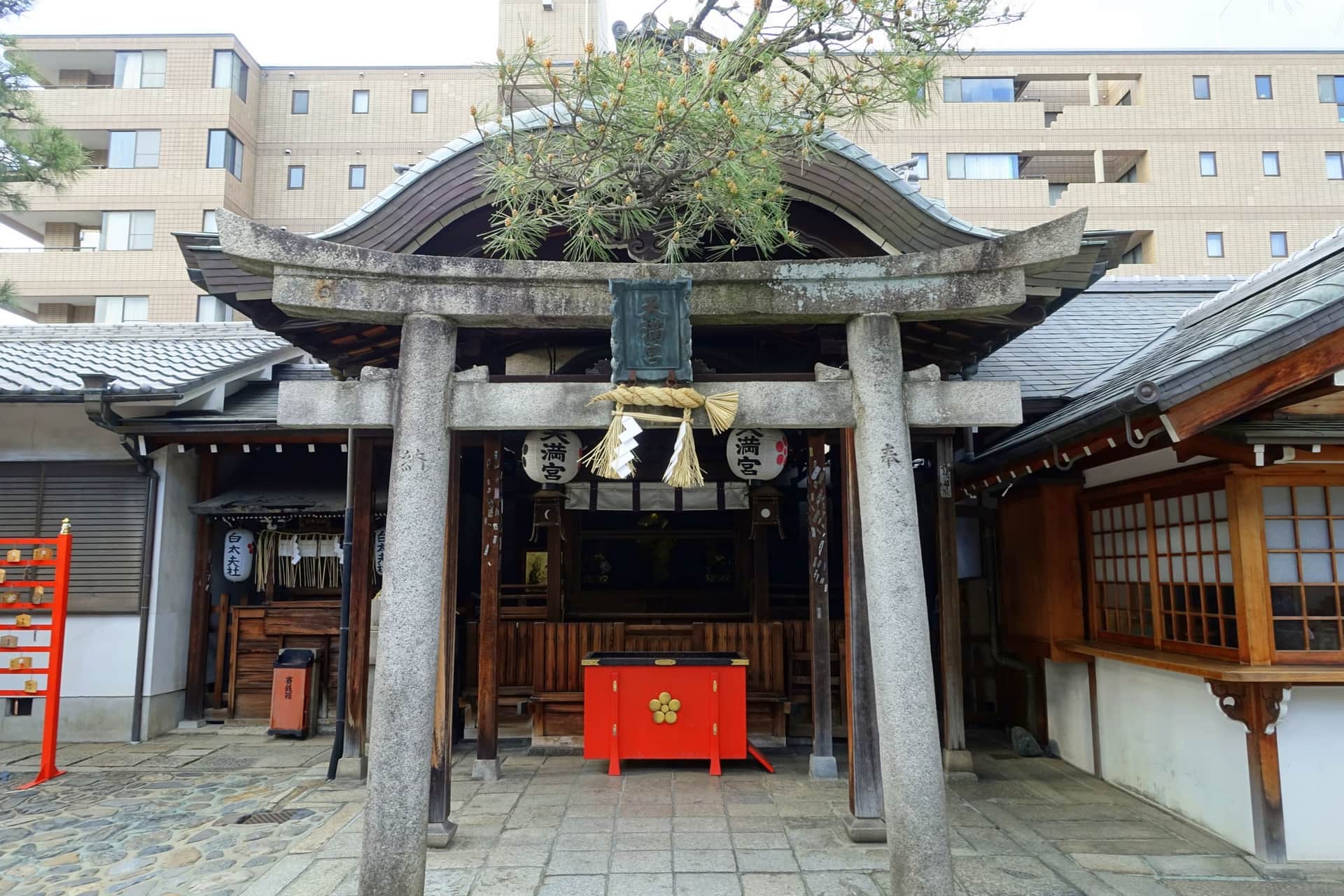
神圣的灵魂在这个神圣的地方受到崇敬
据信此地能赐予的福佑
下京区, 京都府 县
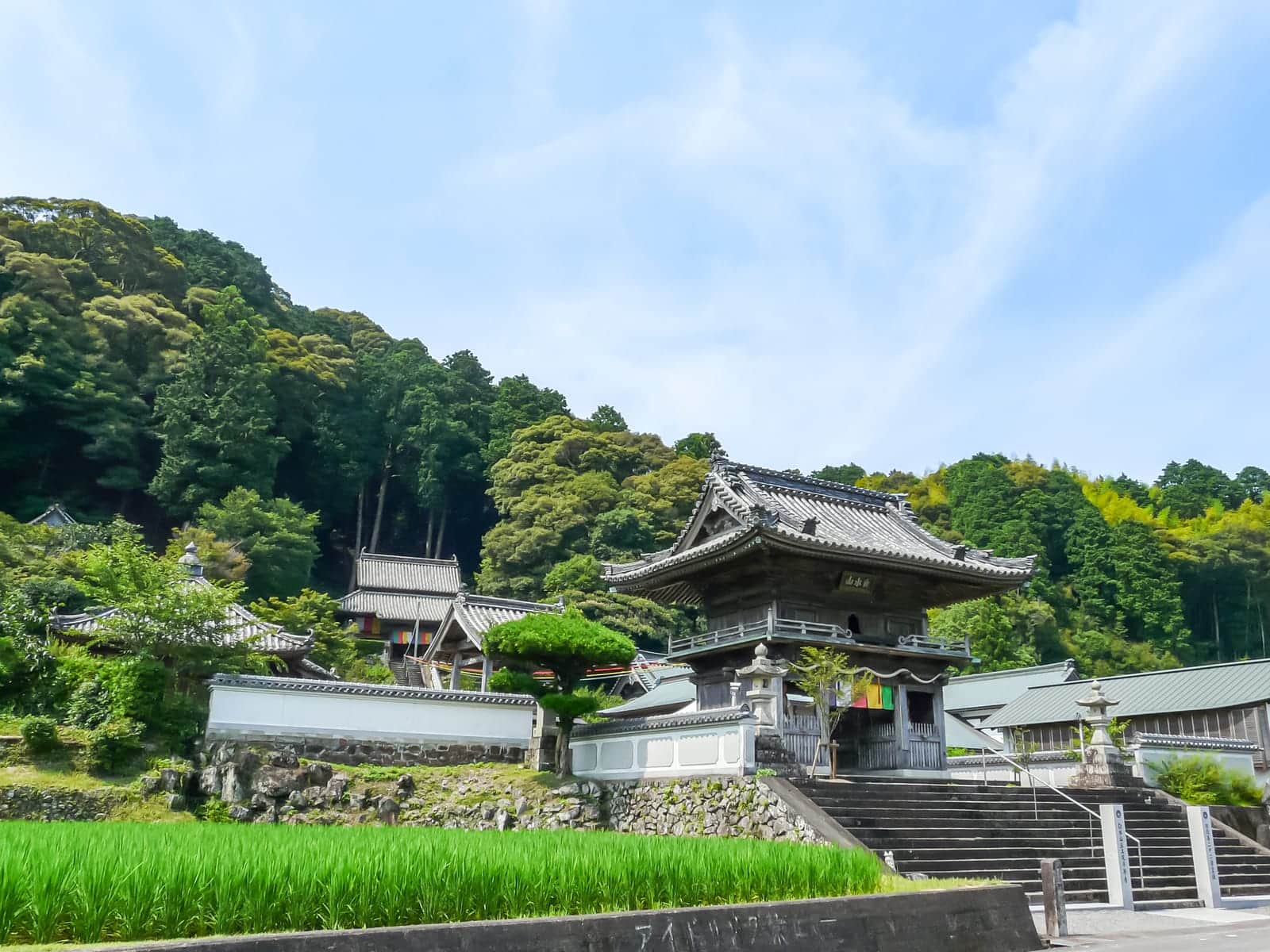

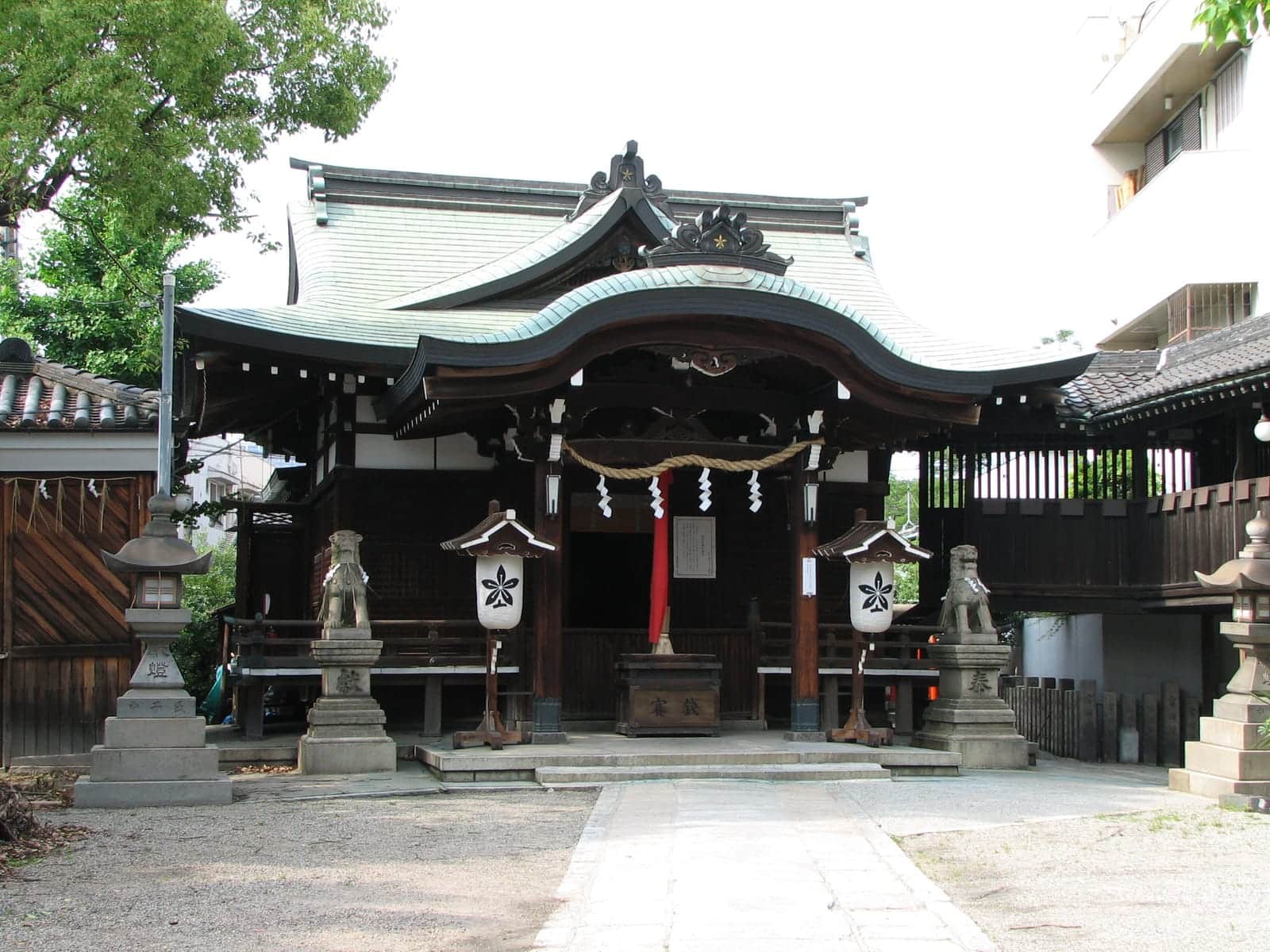

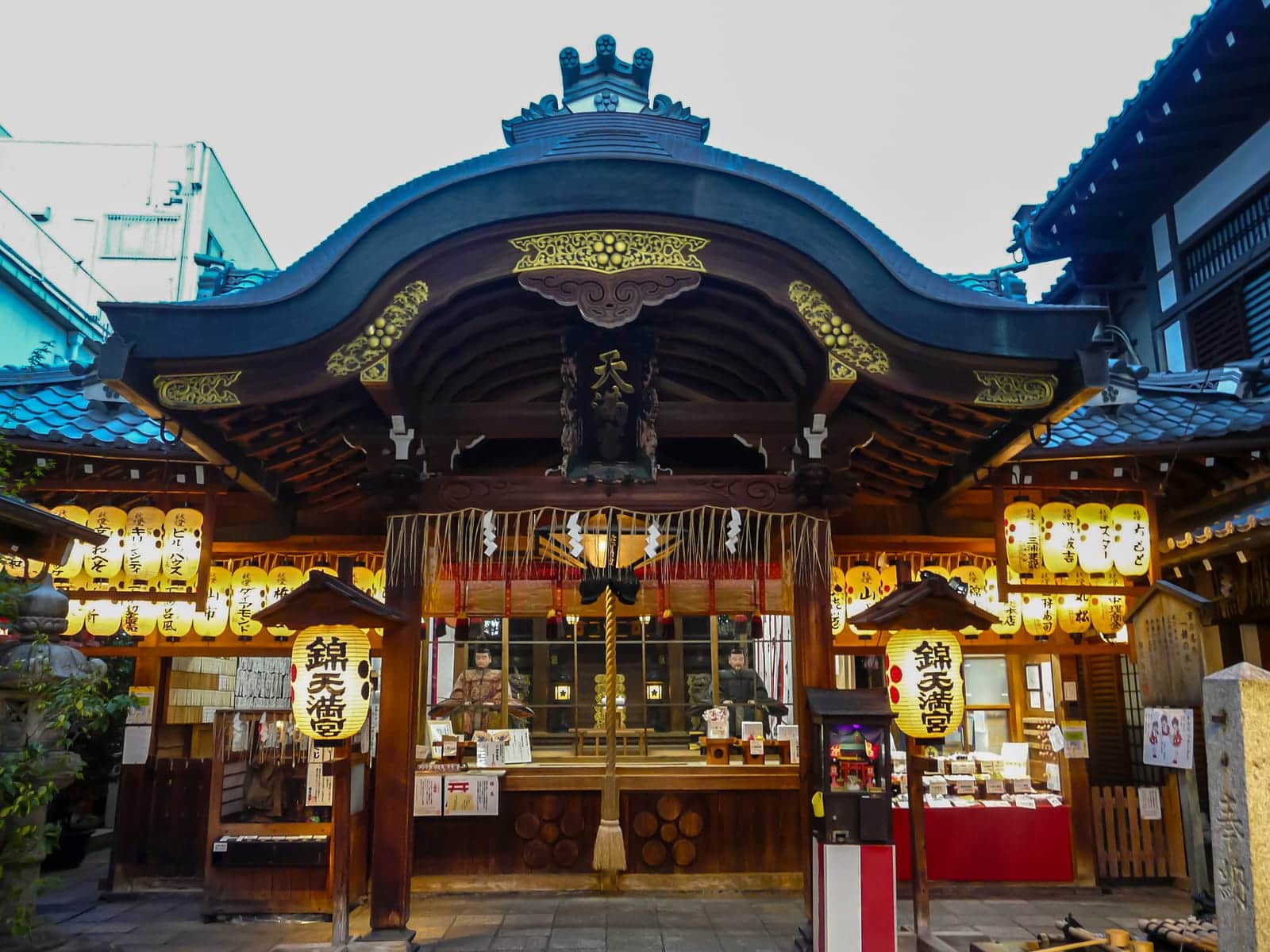
与此地点相关的更多页面。
300米以内 600米以内
KT341-minato hotel
docomo bike share

レタンドゥラメールCKⅥ
HELLO CYCLING
KT245-コワーキング∞ラボ京創舎
docomo bike share
租借需要运营商的应用程序和日本手机号码。docomo 单日券可在便利店购买。 数据来源