
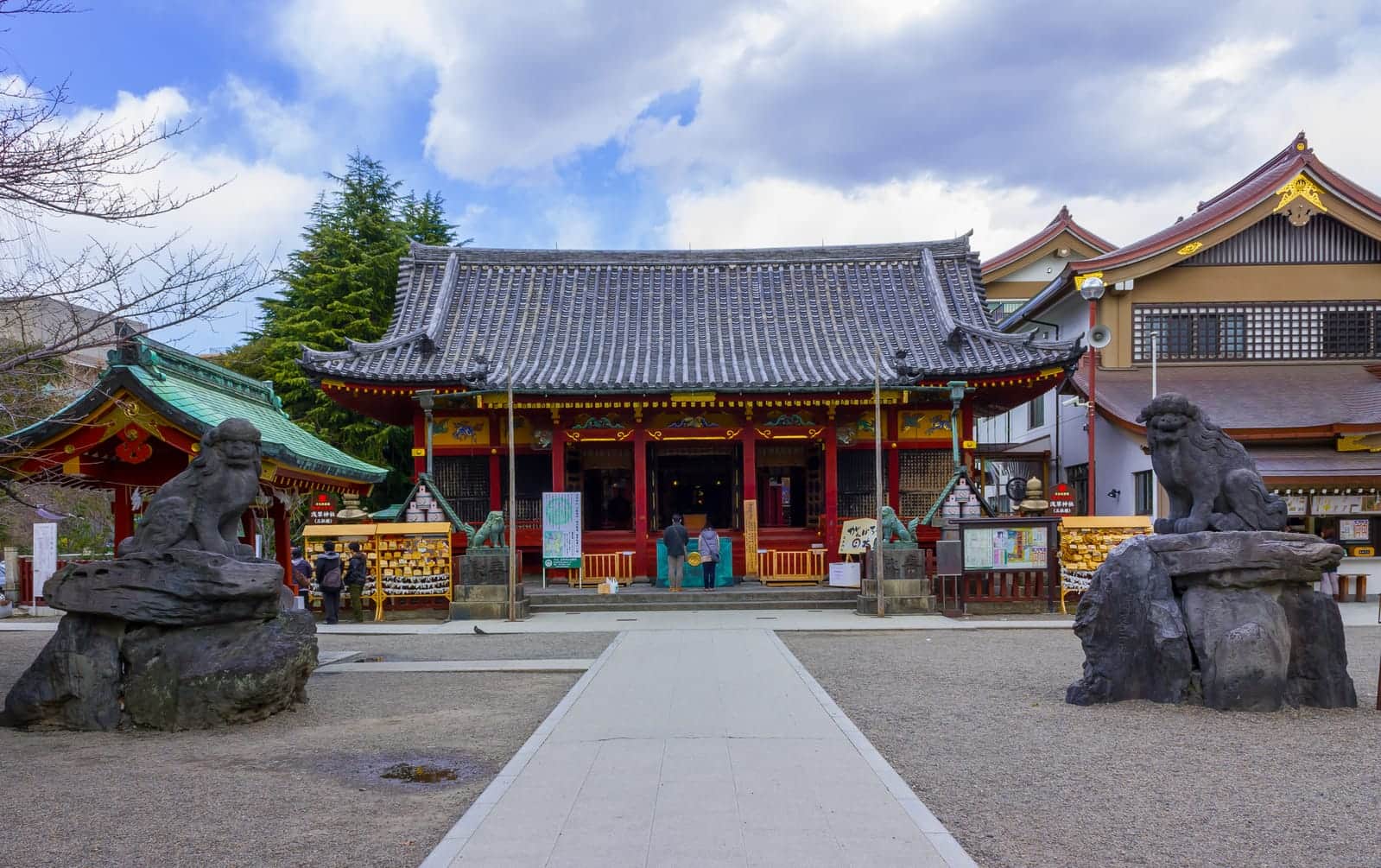
神社
Hikan Inari Jinja
台东区•451m(6 分钟步行)
概览
During the plant market held on the last weekends of May and June, the shrine distributes Mugiwara Ja, traditional straw snake amulets that date back to the Edo period.
A 1671 map published in 1820 confirms the shrine existed at least 350 years ago, making it one of the earliest Fuji faith shrines built when travel to the real Mount Fuji was nearly impossible for common people.
此 神社 提供御朱印,但我们还没有照片。欢迎成为第一个分享的人!
季节性庆祝活动和特殊场合
Sanja Matsuri
Major annual festival of Asakusa Shrine, mentioned as taking place over a weekend in mid-May.
Ueki-ichi
Traditional plant market held over four days on the last Saturday and Sunday of May and June; also described as O-Fuji-San no Ueki-Ichi.
Natsumode
A summer event held on the shrine grounds in July, with open-air musical performances and food stalls.
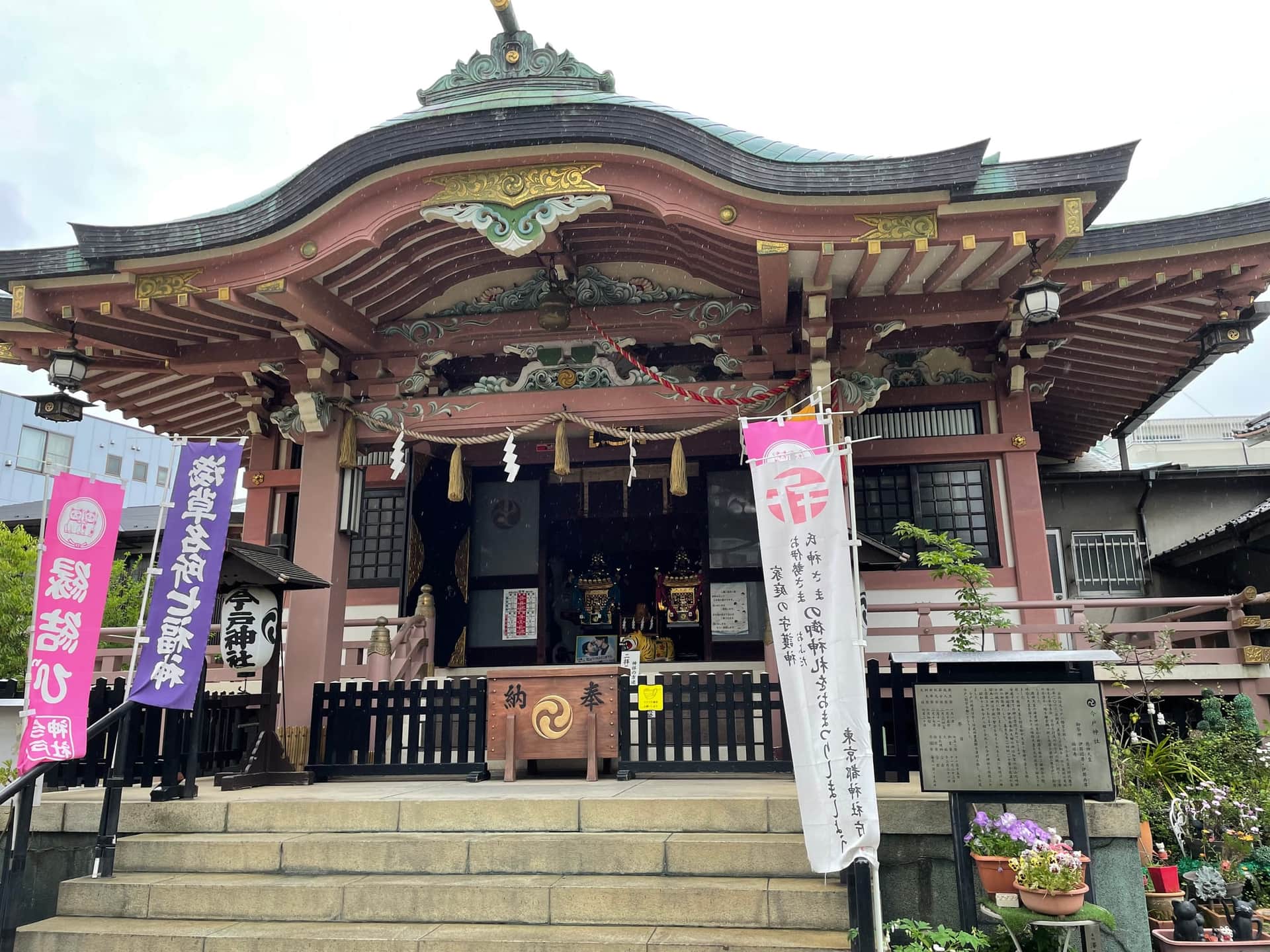
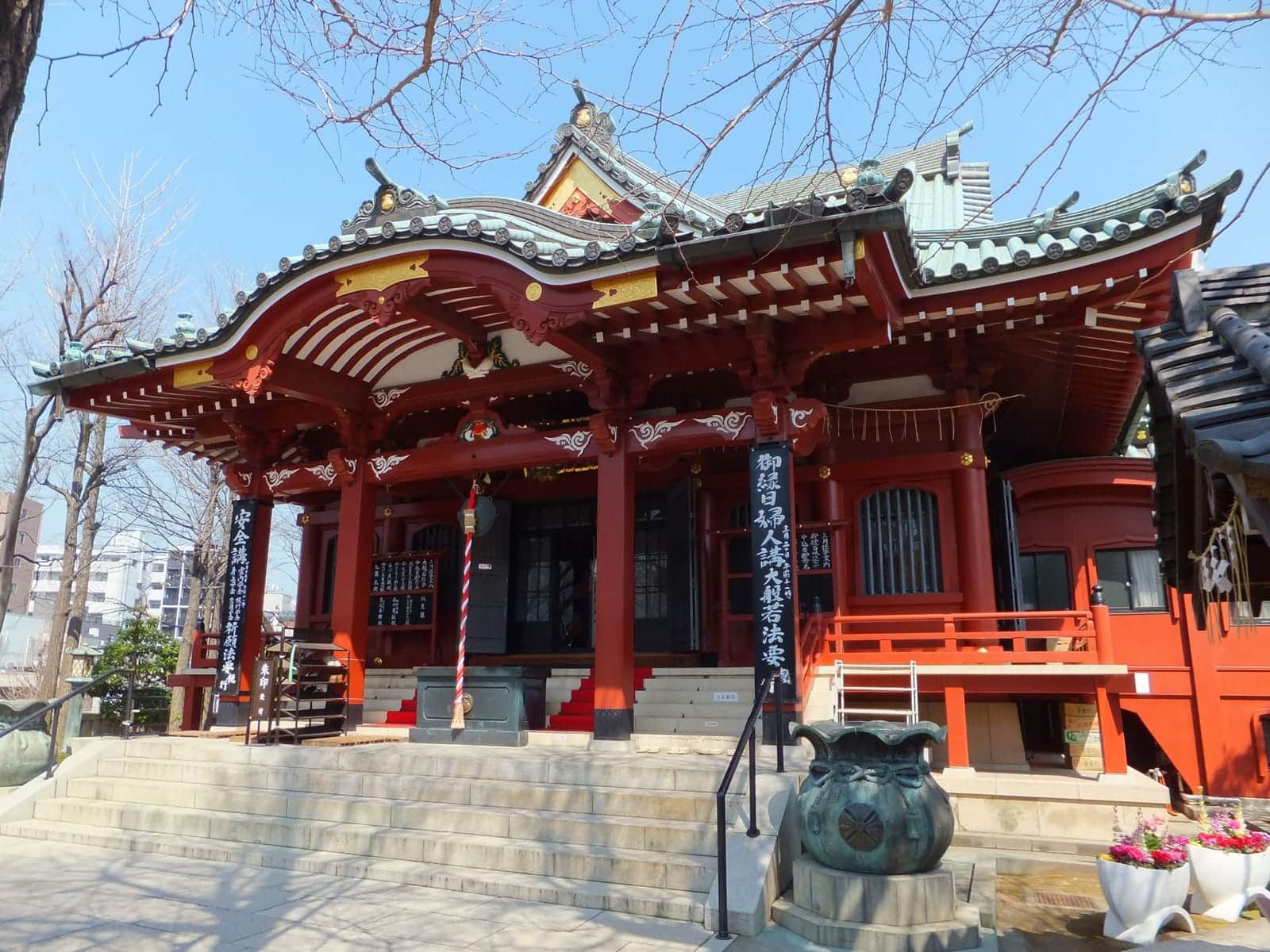
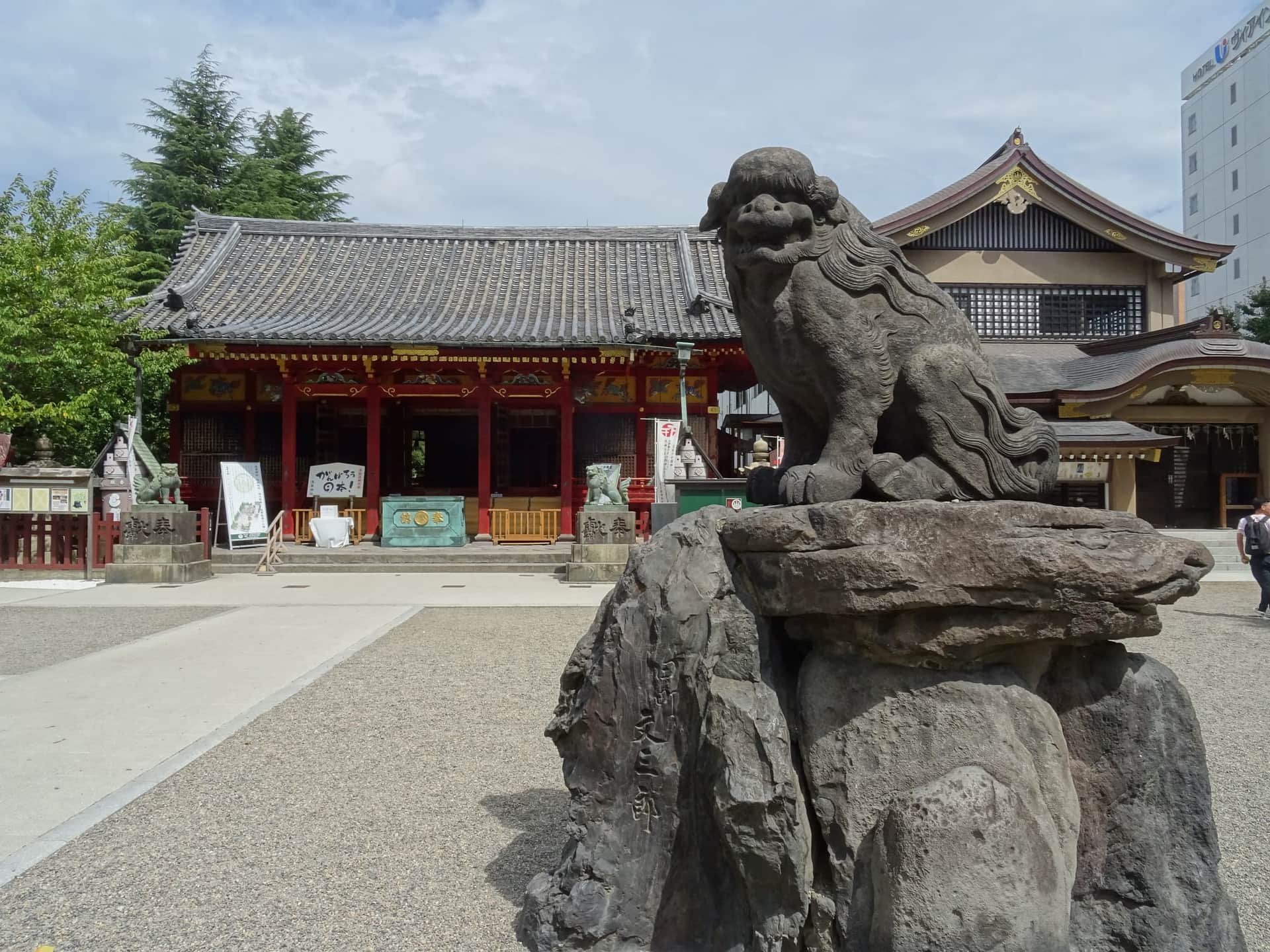
与此地点相关的更多页面。
2 条最新帖子
4.0
1 条评价
You'll find this shrine about 15 minutes north of the main Asakusa Station (Tokyo Metro Ginza Line) on foot, in a quiet residential pocket of "Oku-Asakusa" near the Asakusa Police Station. If you're coming from the Tsukuba Express Asakusa Station, the walk is closer to 10 minutes. On hot or rainy days, a bus to the Asakusa Police Station stop cuts the walk to just 2 or 3 minutes.
The compact grounds are well maintained and calm, a real contrast to the crowds around Senso-ji. The main draw is the fujizuka, a mound built from actual Mt. Fuji lava, located behind the main hall. You can't climb it freely due to safety restrictions, but it's striking up close.
Asakusa Fuji Sengen Jinja
Sumida, Tokyo
300米以内 600米以内
时刻数据:公共交通开放数据中心
租借需要运营商的应用程序和日本手机号码。docomo 单日券可在便利店购买。 数据来源