Além de sua coleção permanente, também são realizadas exposições temáticas especiais sazonalmente, bem como exposições de arte em colaboração com artistas contemporâneos
Resumo
Daigo-ji is a major Shingon Buddhist temple in Fushimi-ku, Kyoto, and the head temple of the Shingon Daigo-ha branch. It is part of the UNESCO World Heritage Site “Historic Monuments of Ancient Kyoto,” recognized in 1994 for its wooden architecture and garden traditions. The temple is famed for vast precincts on Mount Daigo and as the site of Toyotomi Hideyoshi’s celebrated cherry blossom viewing in 1598.
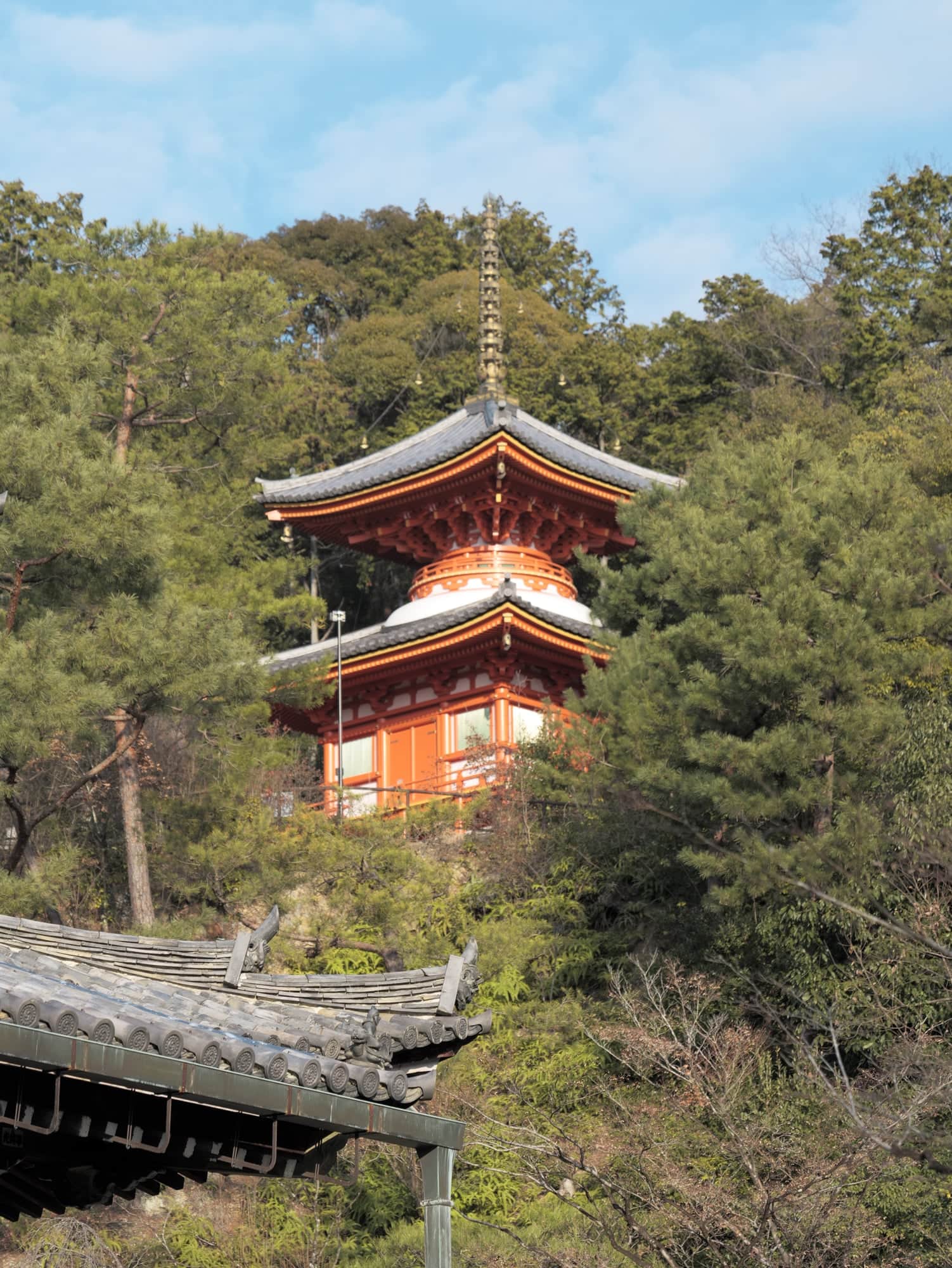
Founded in 874 by the monk Shōbō (Rigen Daishi), Daigo-ji developed through the Heian and medieval periods as an important esoteric center. Fires and warfare led to losses, but key structures were rebuilt, and patronage in the Azuchi–Momoyama era revived the complex. The five-story pagoda from 951 is the oldest surviving building in Kyoto, and many halls date from the 16th–17th centuries.
The complex spans lower, middle, and upper precincts on the mountain. Visitors encounter the grand Sanbō-in sub-temple with Momoyama-era architecture and gardens, the Kondō (Main Hall), the five-story pagoda, and the vermilion Bentendō by a pond. A steep trail leads to the Kami-Daigo upper precinct with early halls and mountain worship sites. The temple museum preserves an extensive collection of sculptures, mandalas, and documents, including National Treasures and Important Cultural Properties.
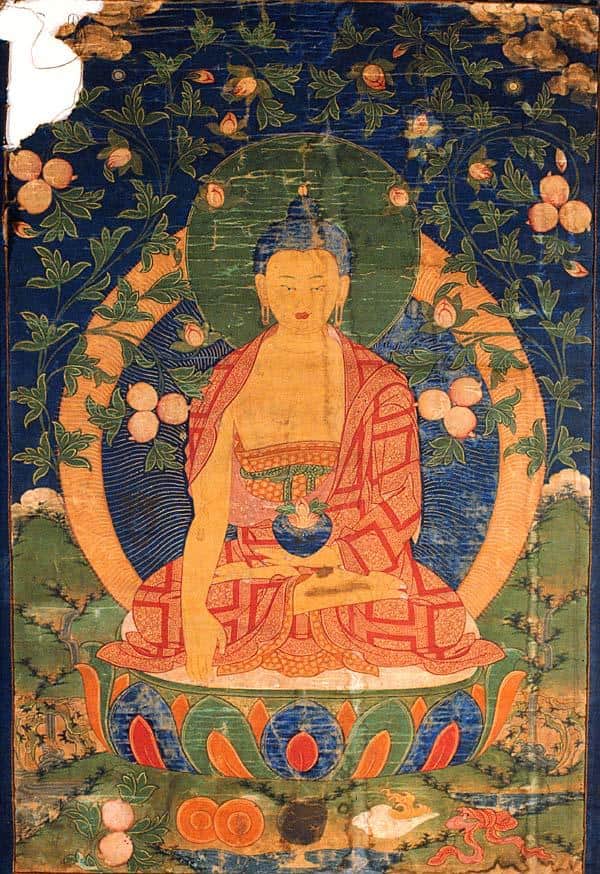
Daigo-ji’s principal image is Yakushi Nyorai, enshrined as a hibutsu (hidden Buddha), reflecting Shingon esoteric worship. The temple is the 11th stop on the Saigoku Kannon Pilgrimage, linking it to a wider devotional route across western Japan. Seasonal rituals, Buddhist ceremonies, and historical associations position Daigo-ji as a key locus of religious practice and cultural heritage in Kyoto.
Toyotomi Hideyoshi plantou mais de 700 cerejeiras aqui antes de sediar sua lendária festa de apreciação de flores em 1598, tornando-a uma das celebrações mais luxuosas da história.
A água de nascente do templo, dita ter o gosto de néctar, inspirou seu nome: Daigoji significa 'Gosto Exquisito' em japonês, conectando a origem do templo à própria água que flui do Monte Daigo.
Este templo oferece 1 designs diferentes de goshuin
Igual ao horário de funcionamento
Regular
Main grounds and museum are wheelchair accessible. Some temple areas have steps. Accessible toilets available.
Além de sua coleção permanente, também são realizadas exposições temáticas especiais sazonalmente, bem como exposições de arte em colaboração com artistas contemporâneos
Use sapatos confortáveis para caminhar, pois o terreno do templo é extenso e inclui muitas escadas.
O complexo do templo abrange três áreas distintas no Monte Daigo, com uma trilha íngreme necessária para alcançar a área superior de Kami-Daigo, portanto reserve pelo menos 3-4 horas para uma visita completa e use calçados de caminhada resistentes se planejar explorar além das áreas inferiores.
Se você quer mais do que turismo, pergunte sobre as sessões de meditação e os rituais sazonais de Daigo-ji. O templo permite que você participe ou assista aos monges, e sua prática sustenta a tradição há mais de 1.150 anos.
Visite em fevereiro ou no início do inverno se quiser experimentar a beleza arquitetônica e dos jardins do templo sem as multidões avassaladoras que chegam para as flores de cerejeira da primavera.
Se visitar durante a estação de floração das cerejeiras na primavera (final de março até início de abril), chegue antes das 8h30 ou visite em um dia de semana para evitar as multidões enormes que se reúnem para as famosas cerejeiras chorosas.
Visite durante a temporada das flores de cerejeira para experimentar os terrenos onde Toyotomi Hideyoshi realizou sua lendária festa de hanami em 1598, embora espere multidões significativamente maiores durante este período de pico no início de abril.
Os espiritos divinos venerados neste local sagrado
5 estruturas no terreno
Duracao da Visita
90+ minutos
Fushimi, Kyoto Provincia
Mais paginas relacionadas a este lugar.
O que se acredita que este lugar concede
Menos de 300 m Menos de 600 m
4 publicações recentes
5.0
2 avaliações
Planeje pelo menos 3 a 4 horas se quiser ver o complexo completo, que se estende por três recintos no Monte Daigo. As terras baixas são acessíveis, mas chegar à área superior de Kami-Daigo significa uma trilha de montanha íngreme, então use sapatos resistentes. Início de abril atrai grandes multidões pela estação das flores de cerejeira, quando os terrenos ganham vida com a mesma paisagem que Toyotomi Hideyoshi escolheu para sua famosa festa de hanami em 1598.
Além do espetáculo sazonal, o local também apresenta exposições temáticas rotativas e colaborações ocasionais com artistas contemporâneos, então pode haver algo extra para ver dependendo de quando você visitar.
 MM
MMMarcus Mok fez check-in
Daigo-ji
Fushimi, Kyoto
 AP
APAlessia Petringa compartilhou um goshuin