Entrada
Não confirmado
Resumo
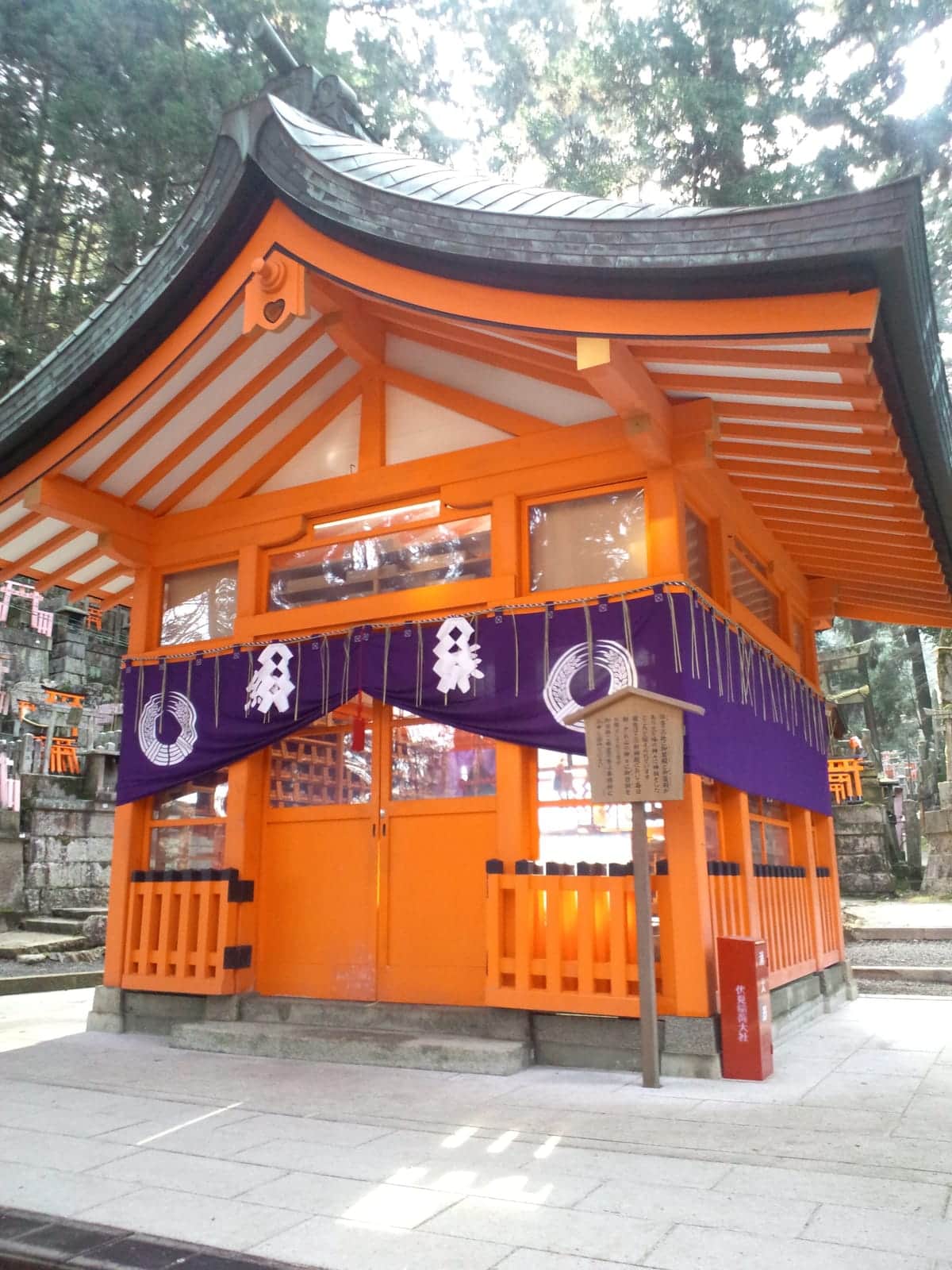
The building's existence is documented in a 1499 record called Senguki, making it one of the oldest continuously worshipped sites within Fushimi Inari Taisha's sprawling complex.
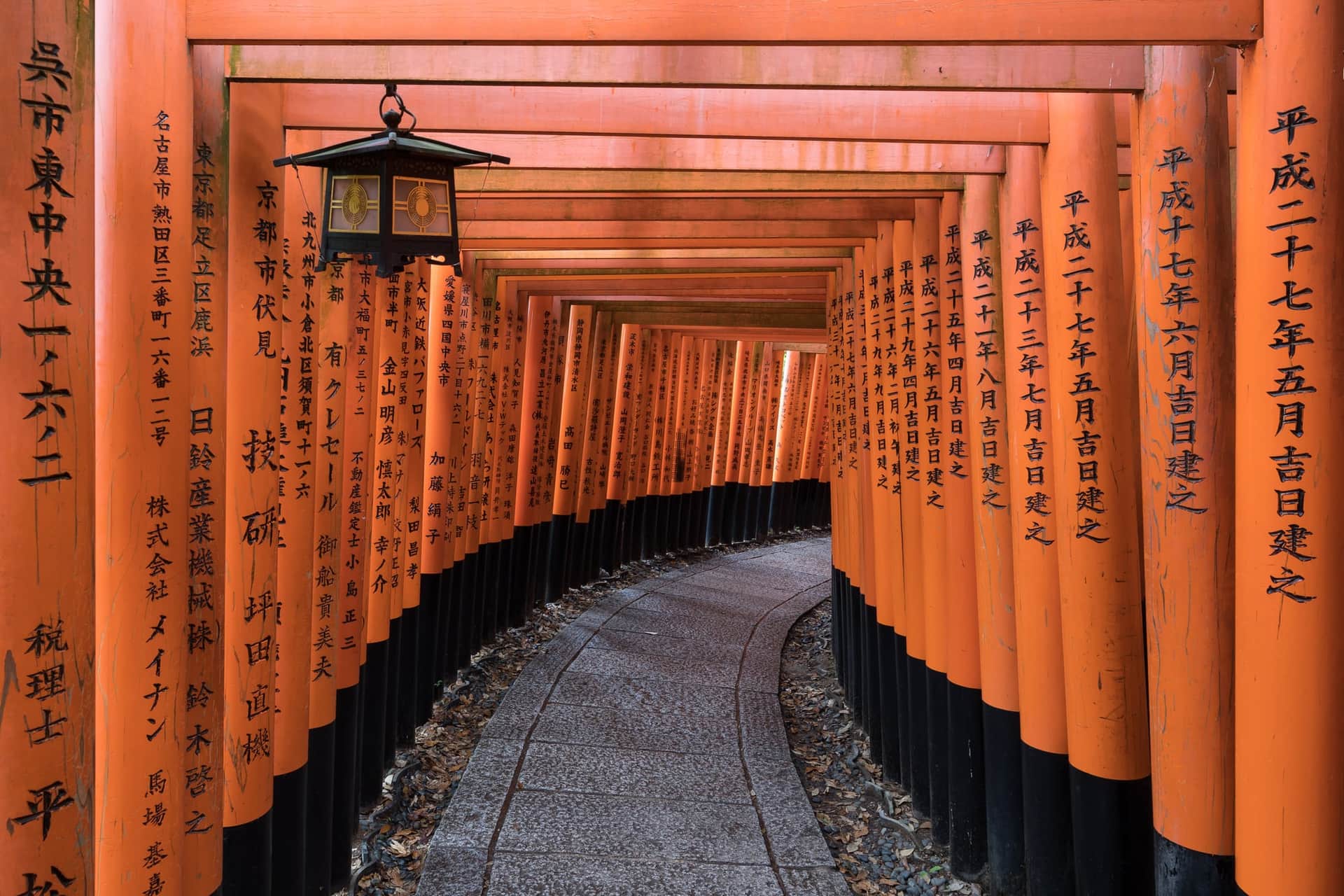
During the Edo period, this worship hall was also called Kumotsujo, meaning 'offering place,' reflecting its role as a destination for pilgrims completing their journey through the famous Senbon Torii gates.
Este santuario oferece 1 designs diferentes de goshuin
Regular
¥300
Não confirmado
Instalacoes
Set aside 2 to 3 hours minimum for your entire visit to Fushimi Inari Taisha if you want to reach Okuyashiro Hohaisho, as it sits at the end of the Senbon Torii tunnel and requires a substantial walk up the mountain.
Plan to arrive at Okuyashiro Hohaisho in the late morning or early afternoon after you've walked through the Senbon Torii, as the altitude and cooler air make this a refreshing destination midway through your shrine visit rather than a starting point.
Approach the Hohaisho with a quiet demeanor and take time to face the three peaks of Mount Inari in prayer or reflection, as this is fundamentally a place of worship rather than a photo checkpoint, and the cooler, more isolated setting invites genuine spiritual engagement.
Wear layers and bring a light jacket even on warm days, since the altitude of this worship hall combined with the valley setting creates noticeably cooler temperatures than the main shrine area below.
Position yourself to photograph Mount Inari's three peaks directly behind the Hohaisho building, as this is the intended focal point of the worship hall and creates the most spiritually resonant composition for your images.
Fushimi, Kyoto Provincia

Mais paginas relacionadas a este lugar.
5 publicações recentes
4.0
1 avaliação
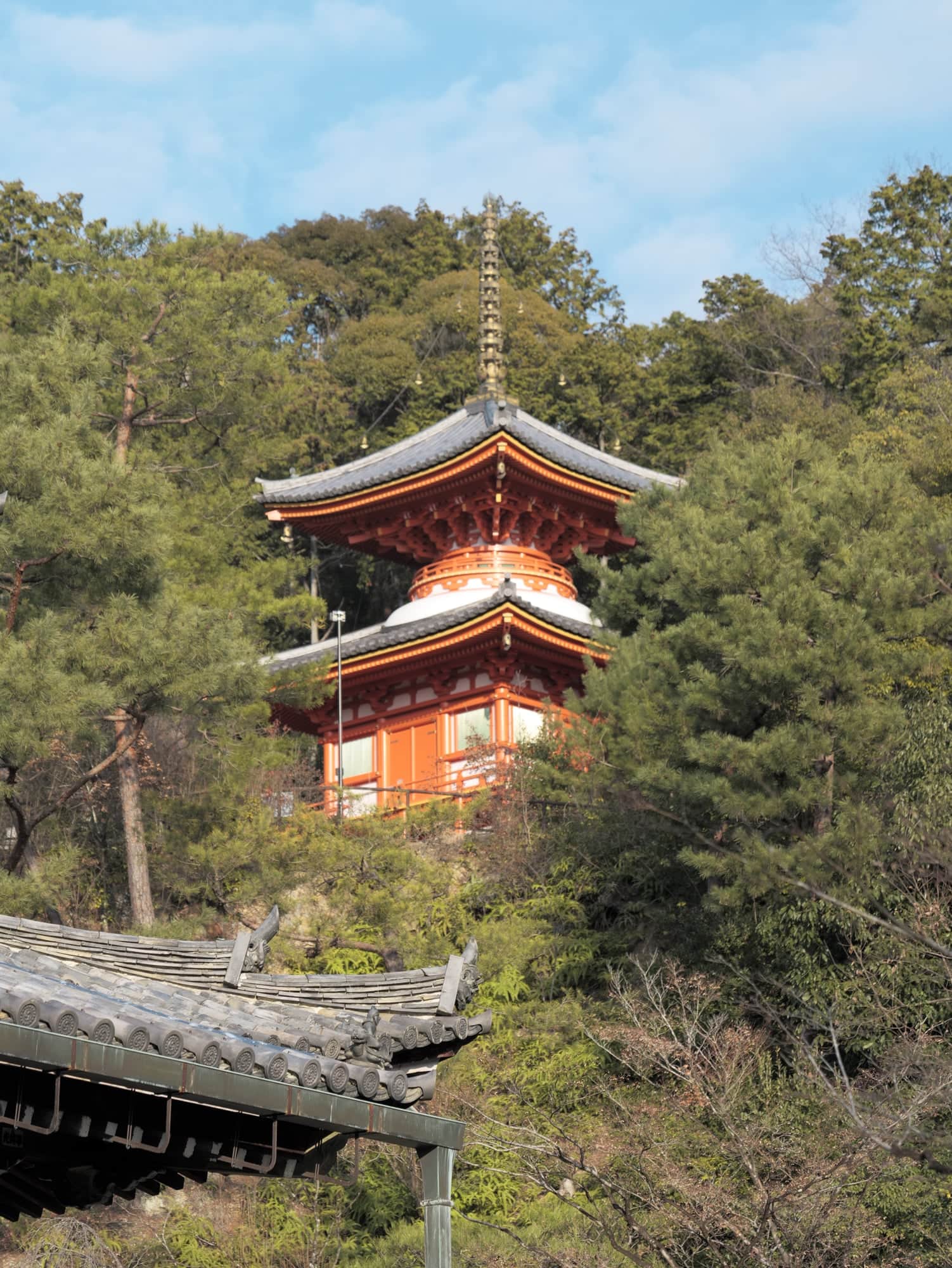
Você chega a este salão de adoração depois de passar pelo Senbon Torii, e fica logo além da área do santuário principal no caminho para o Monte Inari. É um ponto de parada mais tranquilo antes do passeio completo pela montanha, com os três picos do Inariyama atrás dele.
No lado direito do terreno, você encontrará a Omokaru Stone, onde levanta a pedra superior de uma lanterna depois de fazer um pedido. Se parecer mais leve do que o esperado, diz-se que o desejo se tornará realidade. Um goshuin também está disponível aqui, e este é um bom lugar para fazer uma pausa antes de começar a trilha da montanha.
 ДБ
ДБДмитрий Бессонов fez check-in
Okuyashiro Hohaisho
Fushimi, Kyoto
Menos de 300 m Menos de 600 m
O aluguel exige o app do operador e um número de telefone japonês. Os passes de um dia da docomo são vendidos em lojas de conveniência. Fontes de dados