일반
¥500
한눈에
The most surprising thing you’ll learn here is that there is no hidden gate, incense-scented hall, or centuries-old pagoda waiting behind the name you’ve come to explore. Takagi (高木)—so resonant it seems destined to belong to a temple—actually means “tall tree,” and it is a widely shared Japanese surname, not a sacred site. You’ll encounter it across Japan and the global Japanese diaspora, from museum labels to sports broadcasts, in koseki (family registry) entries and academic journals. It threads through the lives of mathematicians, naval officers, writers, wrestlers, and Olympians, but it does not anchor a single precinct, sect, or UNESCO listing. Think of “Takagi” less as a location and more as a living canopy of stories—rooted in language, branching across modern culture.
In the history of Japanese names, surnames became universal in the late 19th century, when the Meiji government standardized identity through koseki registration. The name Takagi (高木)—literally “high/tall” (高) plus “tree/wood” (木)—belongs to the large family of surnames drawn from landscape features, a tradition stretching back through medieval village life to earlier administrative eras. Over time, families bearing the name dispersed across provinces and later across oceans, leaving the name to appear not at a single temple gate but wherever Japanese communities took root.
As a surname, Takagi’s “chronology” is embodied in the people who carried it. Among the most historically consequential is the mathematician Teiji Takagi (1875–1960), whose work in class field theory permanently shaped number theory and stands as a landmark of early 20th-century Japanese science on the world stage. Military history intersects the name in the figure of Vice Admiral Takeo Takagi (1882–1944), a senior officer of the Imperial Japanese Navy during the Second World War. And the complexities of identity under empire emerge in the fact that Park Chung-hee (1917–1979)—later President of South Korea—used the name Takagi Masao under Japanese rule, a reminder of the name’s presence in colonial administrative records.
The cultural story continues into postwar decades with the novelist Akimitsu Takagi (1920–1995), whose detective fiction explored modernity’s shadows; the brilliance of contemporary sport embodied by Olympic speedskaters Miho Takagi (born 1994) and Nana Takagi (born 1992); and the kinetic theater of pro-wrestling through Shingo Takagi (鷹木 信悟; born 1982). Across these lives, “Takagi” signals not a single sacred founding date or priestly lineage, but a record of participation in Japan’s intellectual, political, and popular cultures over more than a century.
Because “Takagi” is not a temple or shrine, there is no sanmon gate to appraise, no hondō to measure, no tower, corridor, or carpentered bracket system to parse. There are no kōhai canopies, no kawara roof tiles, no tokyō bearing blocks—in short, none of the structural vocabulary that defines Buddhist and Shintō architecture. If you came seeking the grain of ancient timber or the rhythm of hip-and-gable (irimoya) silhouettes, the absence you feel is, in itself, instructive: Japanese heritage is not only built of wood and stone, but of names.
The “architecture” here is linguistic. The compound 高 (taka, high) + 木 (gi/ki, tree) condenses a vision: a landmark tree rising above a settlement, a navigational reference in premodern landscapes, a metaphor for stature or endurance. It is easy to imagine how many villages around Japan could coin such a name independently, which explains why the surname is common and geographically widespread. But the term does not specify a precinct plan, a patron deity, or ritual space—precisely why there is no single “Takagi Temple” that unites all bearers of the name.
In the religious sphere, “Takagi” has no fixed deity, Buddha, or kami, no canonical ritual, and no annual festival embedded in a specific shrine’s calendar. There is no pilgrimage route tied to the name, and no UNESCO inscription attached to a Takagi-named complex. Yet culturally, the surname is everywhere, functioning as a thread through which Japan’s wider religious and secular life can be glimpsed.
Consider how Japanese identity is documented: the koseki system, a cornerstone of civil life, records surnames like “Takagi,” indexing families over generations. Move to the public sphere, and you’ll find Takagi on the spine of a mystery novel (Akimitsu Takagi), in the roster at an international sports arena (Miho and Nana Takagi), in the annals of academia (Teiji Takagi), and even in the contested pages of imperial-era history (Takagi Masao, the name used by Park Chung-hee). The name’s cultural significance lies in this broad, democratic presence—its ability to appear in the sacred hush of a museum label just as easily as in the electric glare of a televised match.
Even without a physical precinct, the name itself conjures a landscape. The imagery of a “tall tree” resonates deeply within Japanese aesthetics, where solitary pines, cedars, or camphors often anchor village memory and mark sacred ground. Many communities historically oriented themselves by such natural “towers,” and while the surname “Takagi” does not point to a single tree or grove, it partakes in that sensibility. One can imagine the name arising wherever a remarkable tree once stood—an elevated point from which to survey fields, rivers, or the sea.
This linguistic “setting” dovetails with a longstanding Japanese impulse to let nature name things: rice paddies become surnames, ridges and rivers leave their syllables on family lines, and trees—especially the enduring giants—become the shorthand for place and belonging. If a temple precinct gathers meaning by framing nature within corridors and courts, the surname gathers meaning by transporting that sense of place into every new context where the name is spoken or written.
So what does a “visit” to Takagi mean? It means learning to read the name where it actually lives. You’ll see “Takagi” on museum labels, crediting artists or donors; on sports rosters, identifying athletes like Miho and Nana Takagi; in media credits rolling past at the end of films and television dramas; and in the bibliographies of mathematics, where Teiji Takagi stands as a pillar of early 20th-century research. On naval history plaques and archives, Vice Admiral Takeo Takagi appears as a key figure in wartime narratives. In modern Japanese bookstores or libraries, the novels of Akimitsu Takagi place the name in the canon of detective fiction. And in discussions of colonial-era identity, Takagi Masao marks a contested historical moment for Park Chung-hee.
What you will not find is a unified precinct with gates, halls, and treasure pagodas bearing this name. There is no single goshuin stamp to collect, no main hall where an idol is enshrined, and no official designation of National Treasure attached to a Takagi-named temple complex. The surname’s “heritage” status is instead administrative and cultural: it is conserved in the koseki registries that track family lines, and it is renewed daily in public life whenever the name appears on a jersey, a book cover, a research paper, or a news headline.
If you arrived expecting a temple, let this be a gentle, memorable correction: sometimes the most evocative Japanese names belong not to places but to people, and their significance is carried forward in achievements rather than in rooflines. The name Takagi (高木) evokes height, resilience, and rootedness—qualities you might associate with a venerable cedar in a temple courtyard. Here, however, those qualities manifest in human endeavors: in the precise architectures of class field theory, in the rigors of Olympic ice, in the choreography of a wrestling ring, in the moral tangles of postwar fiction, and in the difficult histories of the 20th century.
As you continue your exploration, keep an eye out for the name itself. The moment you notice it—on a gallery plaque, in a program, on a scoreboard—you’ll have found “Takagi” in its truest setting: not confined to one sacred compound, but branching outward into the living forest of Japanese and global culture.
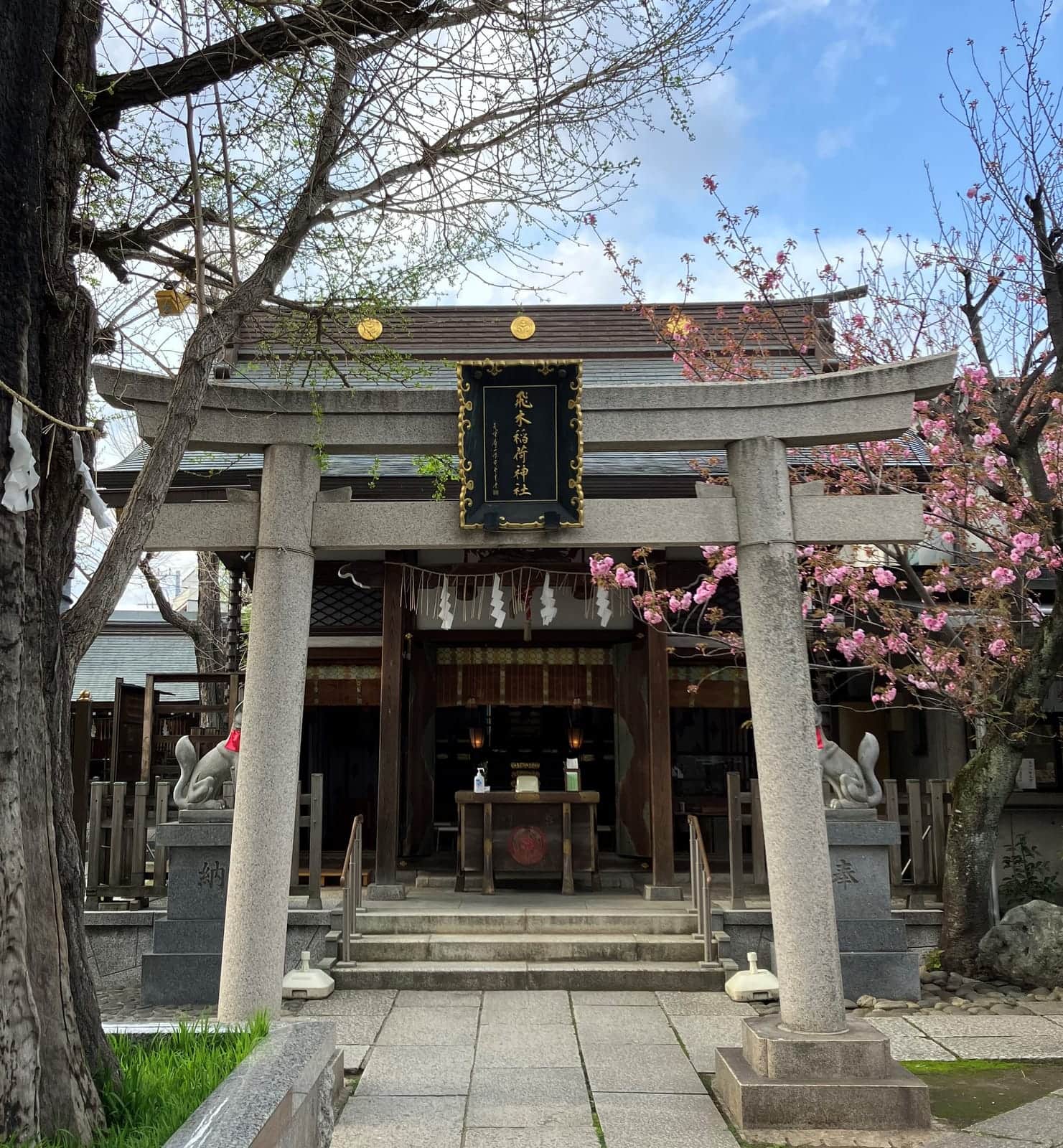
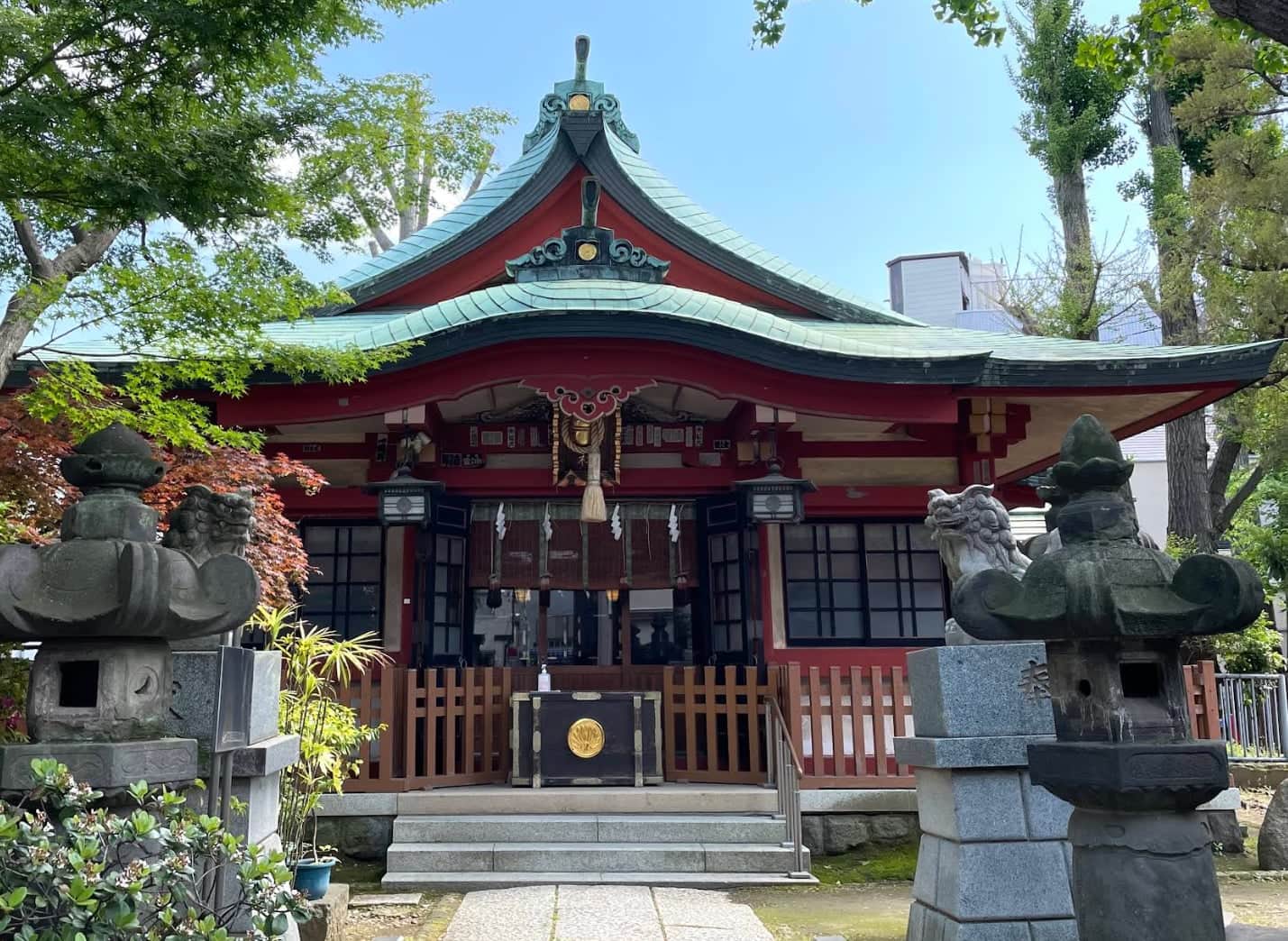
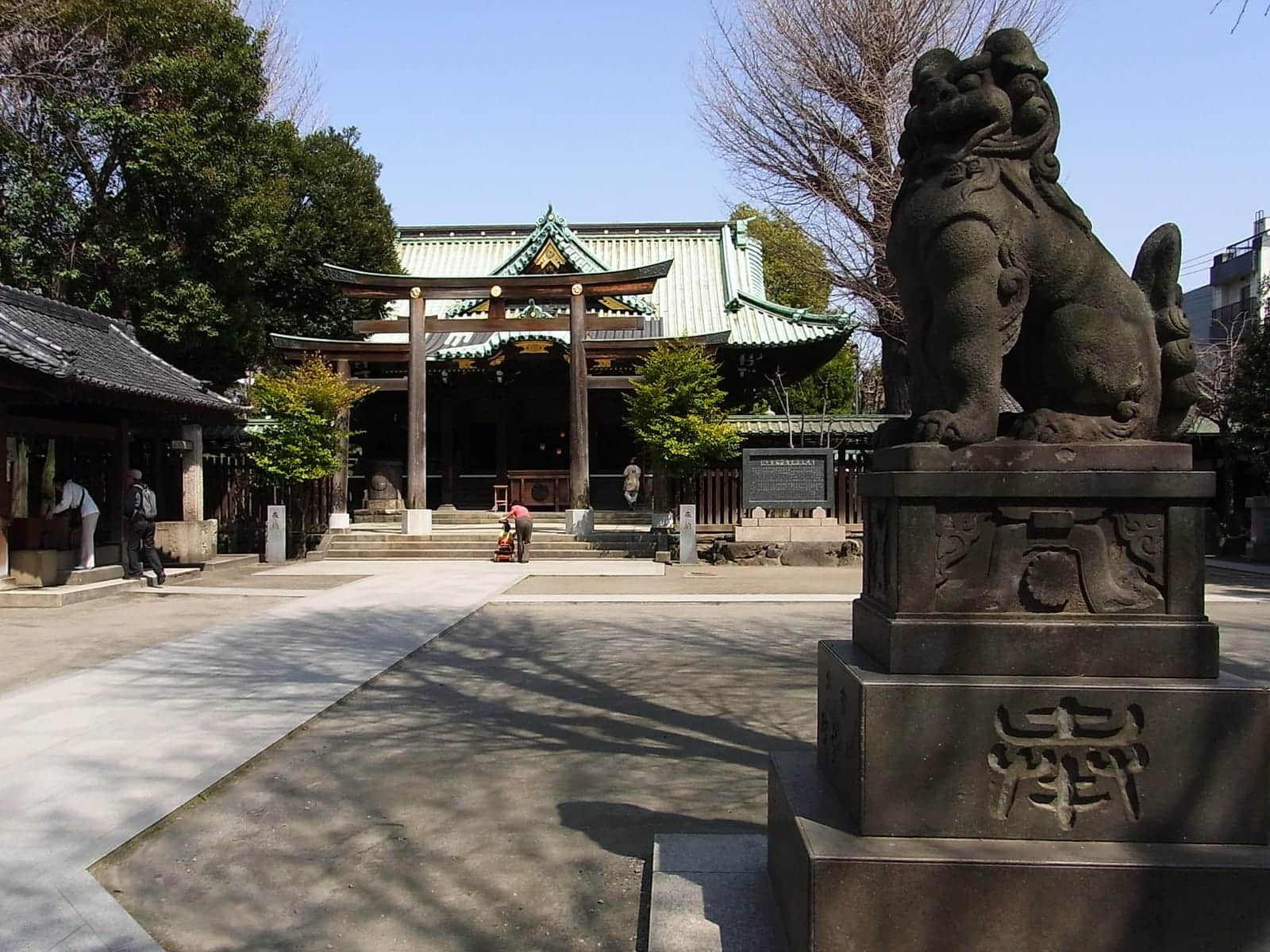
이 신사의 1845년 komainu 수호상은 좌우 조각상이 모두 동일하며 전통적인 아(입을 벌림)·훔(입을 다문) 구별 특징이 없어 전통적인 쌍 배치 관례에서 벗어나 독특합니다.
1468년에 창건된 이 신사는 원래 Dairokuten-sha라는 이름이었으나, 메이지 시대의 신불분리 정책 때 Takagi Jinja로 개칭되었으며, 제신인 Takamimusubi no Kami의 별칭을 따랐습니다.
이 신사은 다양한 고슈인 디자인 7가지를 제공합니다
영업시간과 동일
일반
¥500
일반
¥700
일반
¥700
일반
일반
¥500
일반
¥500
일반
¥500
신사 경내에서 지정된 Tokyo Skytree 포토 스팟을 찾아보세요. 이곳에서 신성한 공간과 상징적인 타워를 한 프레임에 담을 수 있습니다.
직접 고슈인 작성 날짜를 확인하기 위해 방문 전 신사의 인스타그램을 확인하세요. 손으로 쓴 도장 서비스는 특정 날짜에만 제공되며, 일반 날짜에는 미리 작성된 버전이 제공됩니다.
신사에는 전용 주차장이 없으므로 인근 유료 주차장을 이용하시거나 Hikifune Station에서 도보(5분) 또는 Oshiage Station에서 도보(A3 출구에서 7분)로 방문하시기 바랍니다.
매월 15일에 방문을 계획하시면 그날만 제공되는 특별 한정판 오니기리(주먹밥) 고슈인을 받으실 수 있으며, 이는 신사의 무스비(인연/결속) 테마를 기념합니다.
'Karakai Jōzu no Takagi-san' 애니메이션 팬들은 시리즈가 종영된 후에도 신사에서 캐릭터 패널, 테마 오미쿠지 운세지, 콜라보레이션 굿즈를 여전히 만나볼 수 있습니다.
참배전 근처에 있는 신성한 녹나무(ō-kusunoki)를 만지며 조용히 소원을 빌어보세요. 신사 전통에 따르면 이 상록수는 소원을 이루어주고 장수를 가져다준다고 믿어집니다.
경내 건물 10개
스미다구, 도쿄도 현
최근 게시물 2개
방문 경험을 공유해 다른 여행자를 도와주세요.
Aibi Zabat 님이 사진 5장을 공유했습니다
이 장소와 연결된 다른 페이지입니다.
Aibi Zabat 님이 고슈인을 공유했습니다
300m 이내 600m 이내
시간표 데이터: 공공교통 오픈데이터센터
대여하려면 사업자 앱과 일본 전화번호가 필요합니다. docomo 1일권은 편의점에서 구입할 수 있습니다. 데이터 출처