
사찰
Oka-dera
아스카촌•5.3km(66분 도보)
한눈에
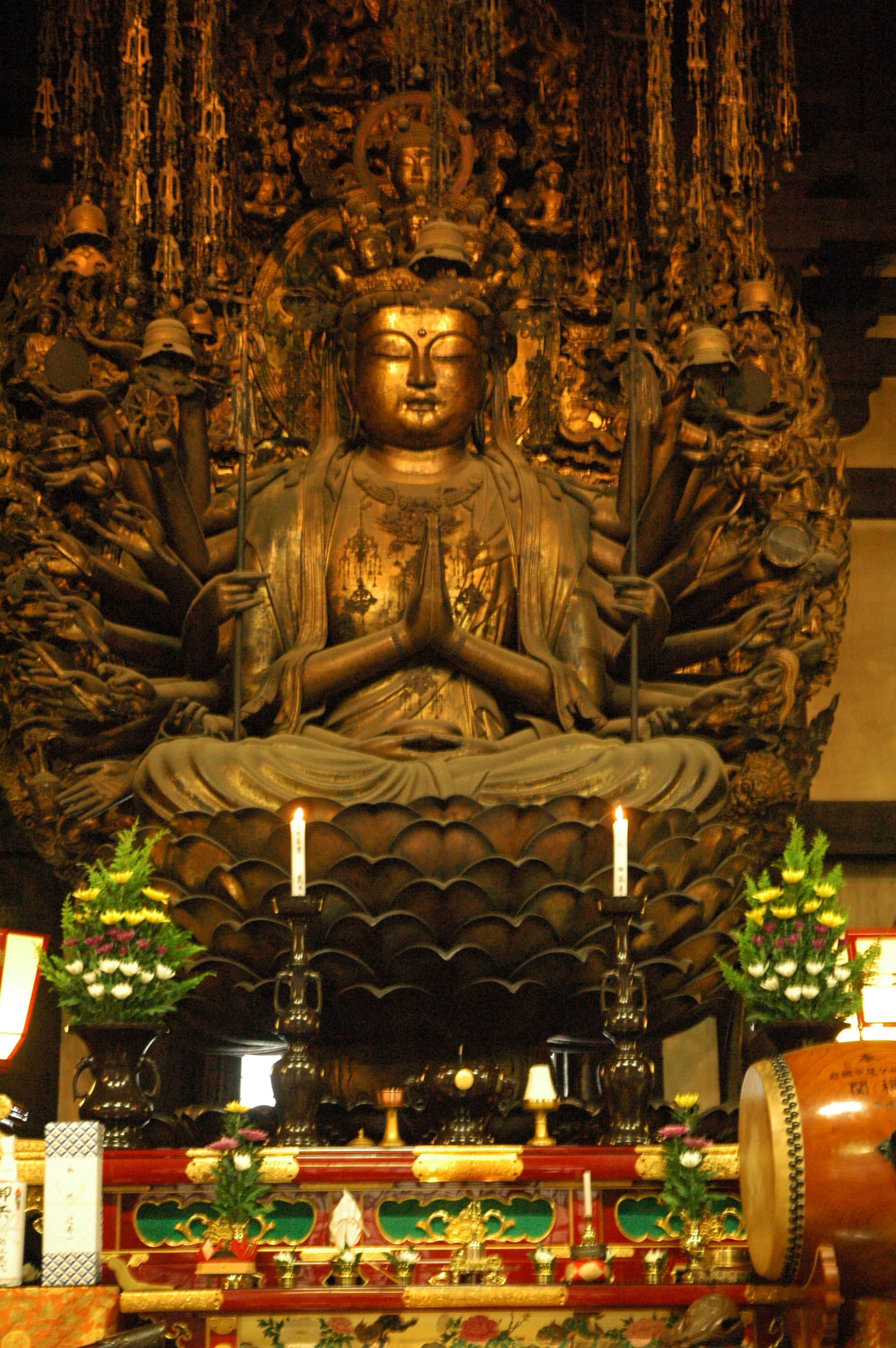
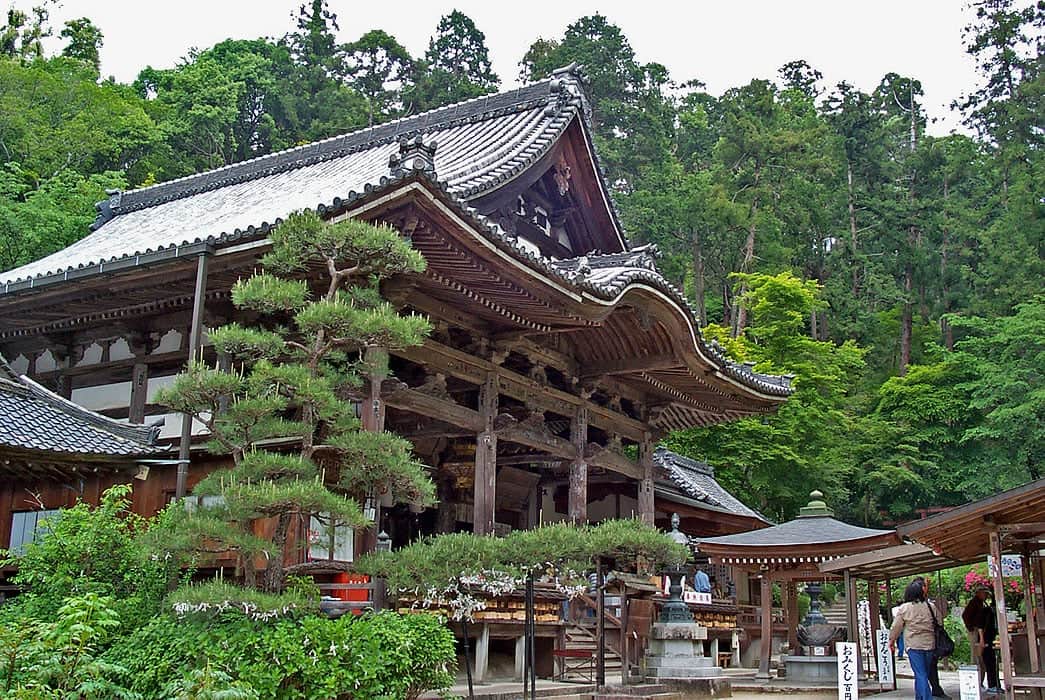
Minami Hokke-ji (南法華寺), commonly known as Tsubosaka-dera (壺阪寺), is a Shingon Buddhist temple in the Tsubosaka area of Takatori, Nara Prefecture. Its full name is Tsubosaka-san Minami-Hokke-ji (壺阪山 南法華寺), and its honzon (primary image) is Jūichimen Senjū Kannon, the Eleven-faced, Thousand-armed Kannon. It is Temple 6 on the 33-temple Saigoku Kannon Pilgrimage, a major Kannon devotion route in the Kansai region.
The temple’s origins are ancient and it developed within the Shingon tradition that spread from the Heian period. Its position on the Saigoku Kannon Pilgrimage ties it to a circuit traditionally organized in the late 10th century under Emperor Kazan. Tsubosaka-dera’s fame widened in the Edo period through the popular tale and stage work Tsubosaka Kannon Reigenki, which associates the temple’s Kannon with the healing of blindness.
Visitors encounter the enshrined image of Jūichimen Senjū Kannon, central to worship and pilgrimage rites such as receiving the Saigoku nokyō (stamp) in pilgrimage books. The hilltop precincts on Mount Tsubosaka include broad terraces with large stone images of Kannon and Buddha and open views toward the Asuka and Yoshino area. Paths and courtyards connect the worship spaces and statuary across the slopes.
As a Saigoku site, Tsubosaka-dera functions as a center of Kannon faith and a destination for prayers for eyesight and health, drawing both organized pilgrims and local worshippers. It is not a UNESCO World Heritage site, but it stands within Nara Prefecture’s concentration of early Buddhist centers and complements visits to nearby Asuka and Yoshino. Its Saigoku rank as No. 6 is shown on temple seals and signboards, marking its role in one of Japan’s oldest and best-known pilgrimage routes.
영업시간과 동일
이 사찰은 고슈인을 제공하지만 아직 사진이 없습니다. 가장 먼저 사진을 공유해 보세요!
편의 시설
이 신성한 장소에서 숭배되는 신령들


이 장소와 연결된 다른 페이지입니다.
300m 이내 600m 이내
이곳이 베푼다고 여겨지는 것
다카토리정, 나라현 현
최근 게시물 0개
방문 경험을 공유해 다른 여행자를 도와주세요.
아직 공개 커뮤니티 게시물이 없습니다.