입장료
확인되지 않음
한눈에
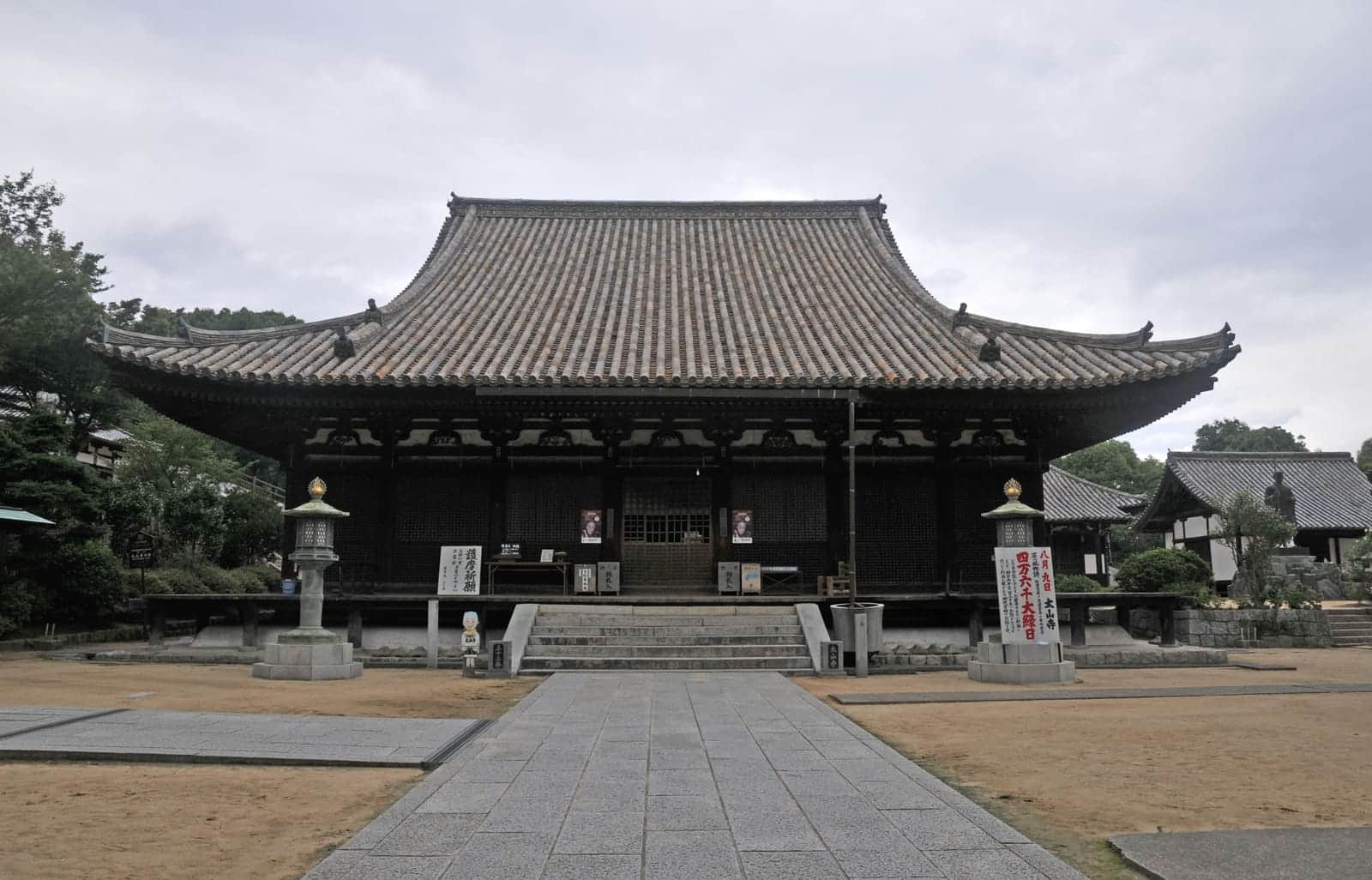
The daishi-do hall bristles with elaborate tile dragons and a rare winged beast over the porch. Legend says the dragon's eyes glow when it spots someone with bad intentions.
The temple houses the oldest surviving copper name slip on the Shikoku Pilgrimage, discovered in 1924 by an American professor. It's the first documented use of the word 'henro' (pilgrim).
영업시간과 동일
이 사찰은 고슈인을 제공하지만 아직 사진이 없습니다. 가장 먼저 사진을 공유해 보세요!
확인되지 않음
이 신성한 장소에서 숭배되는 신령들
계절별 축하 행사 및 특별 행사
Kirishitan Stone Lantern
A highlighted stone lantern associated with hidden Christian worship at the temple.
Dragon by Hidari Jingoro
A 5-meter-long dragon carving highlighted as a notable temple feature.
Kannondo
A hall housing a Juichimen Kannon statue and noted for a Keicho-era pedestal inscription.
마쓰야마시, 에히메현 현
이곳이 베푼다고 여겨지는 것
최근 게시물 0개
방문 경험을 공유해 다른 여행자를 도와주세요.
아직 공개 커뮤니티 게시물이 없습니다.
이 장소와 연결된 다른 페이지입니다.
300m 이내 600m 이내