
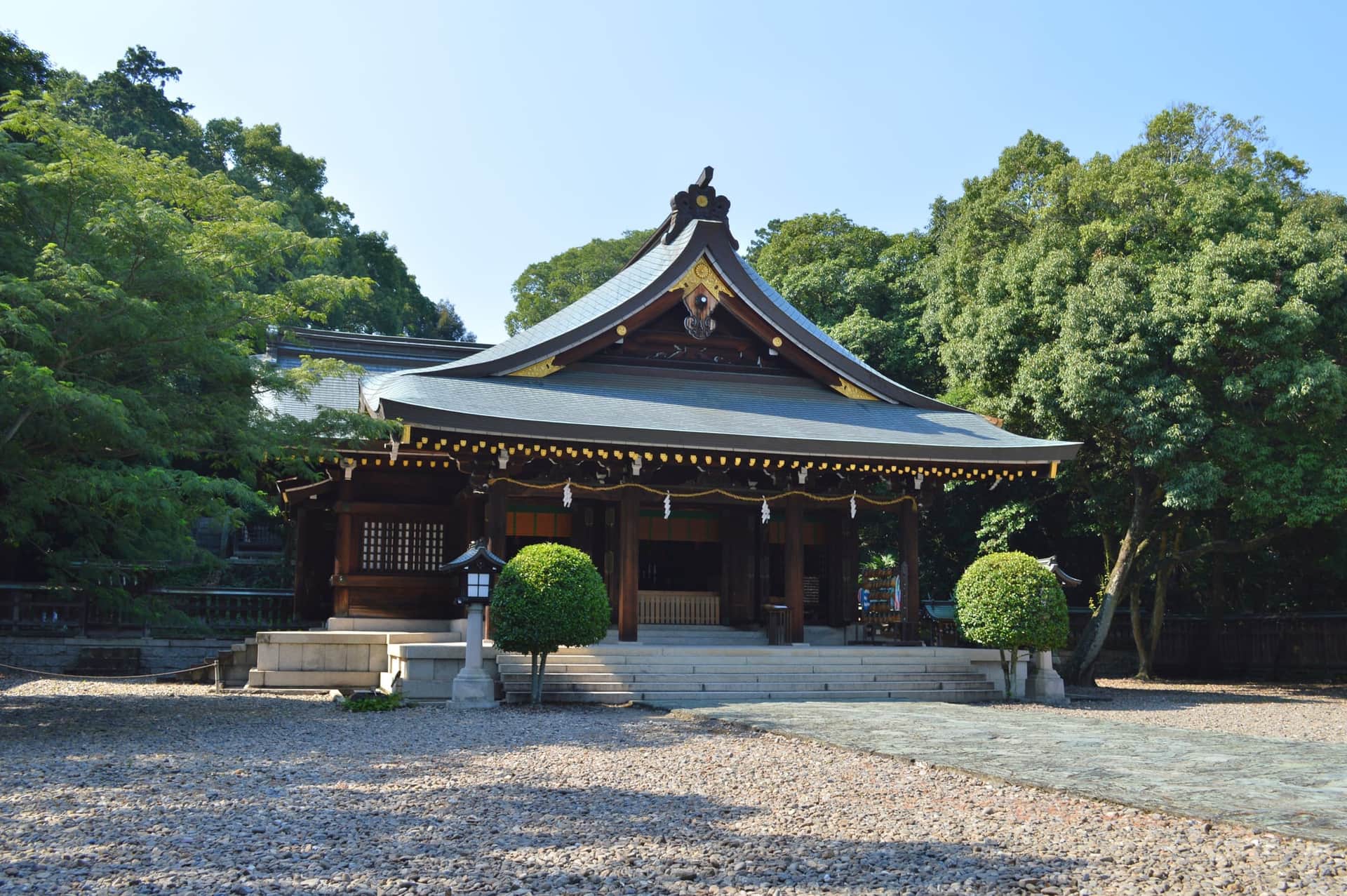
Arrive early in the morning before 9 AM to explore the shrine grounds and enjoy the views of Wakanoura Bay without competing with the afternoon visitor flow, and note that prayer services run from 9 AM to 4 PM if you want to participate.
A colpo d'occhio
Two wooden ox statues greet visitors at the shrine's base, representing Michizane's legendary messengers that carried him through the sky according to Japanese folklore.
Warlord Asano Yoshinaga rebuilt this shrine in 1606 just seven years after the Battle of Sekigahara ended Japan's civil wars, making it a symbol of peace during the new Tokugawa era.
Questo santuario offerte 1 diversi modelli Goshuin
Come gli orari di apertura
Regolare
Servizi
Arrive early in the morning before 9 AM to explore the shrine grounds and enjoy the views of Wakanoura Bay without competing with the afternoon visitor flow, and note that prayer services run from 9 AM to 4 PM if you want to participate.
Plan to visit during New Year's (January 1-3) if you want to experience the Saitan-sai festival and see the shrine at its most lively, but expect significant crowds during these peak days.
From JR Wakayama Station or Nankai Wakayamashi Station, take the bus to the 'Gongen-mae' stop for a 3-minute walk to the shrine, or get off at 'Wakaura-guchi' for a 17-minute walk if you prefer a longer approach to appreciate the surrounding area.
If you're visiting to pray for academic success, bring a small offering and approach the main hall with respect, as this shrine is dedicated to Sugawara no Michizane, the deity of learning and scholarship that students across Japan visit for exam blessings.
Wear sturdy shoes with good grip because the main stone stairway is steep and has no gentler slope alternative, though a secondary staircase with smaller steps is available on the left side if you need it.
Gli spiriti divini veneravano in questo luogo sacro



Non confermato
Altre pagine utili collegate a questo luogo.
Ciò che si crede questo luogo possa concedere
Wakayama, Wakayama Prefettura
0 post recenti
Condividi com'è andata la visita per aiutare altri viaggiatori.
Ancora nessun post pubblico della community.