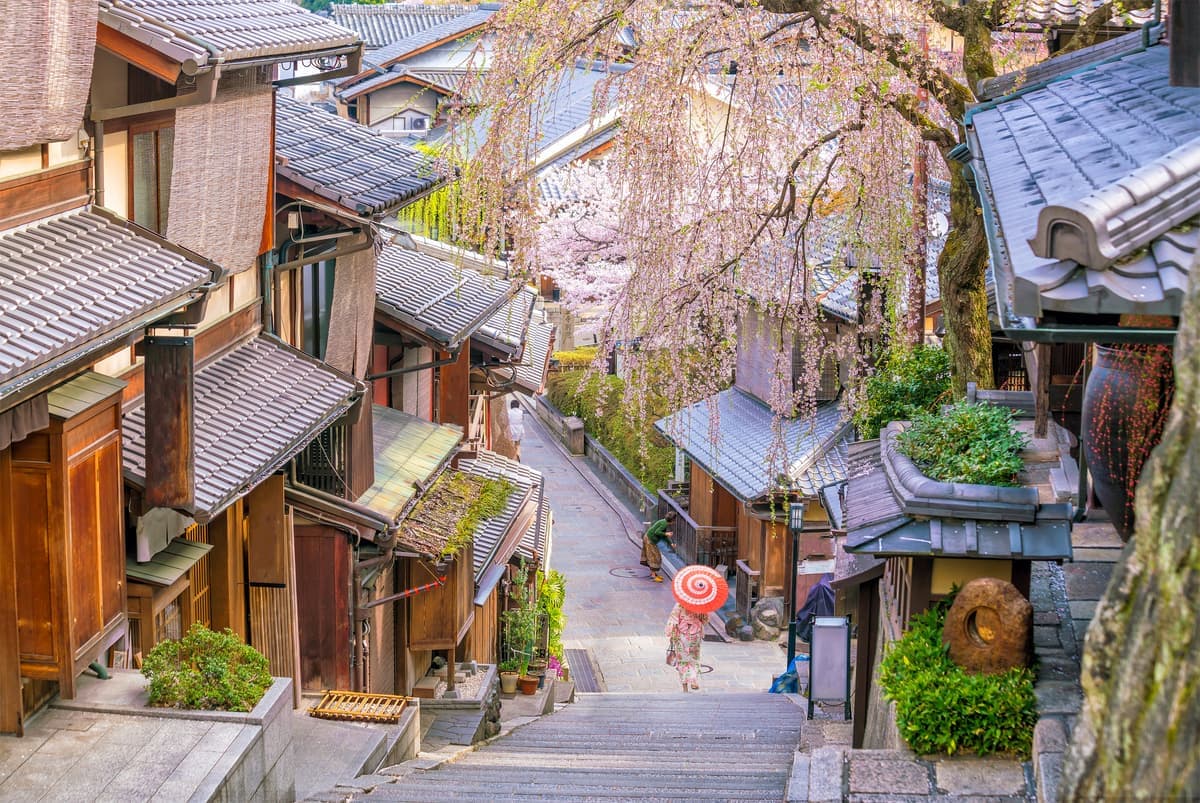
Guide pratiche per pianificare visite a templi e santuari in Giappone.
Lista di controllo per il primo viaggio in Giappone: passaporto, visto, medicinali, assicurazione, contanti, dati mobili, basi sui trasporti, bagaglio, etichetta e piano per il giorno di arrivo.
Lista di controllo per il primo viaggio in Giappone: passaporto, visto, medicinali, assicurazione, contanti, dati mobili, basi sui trasporti, bagaglio, etichetta e piano per il giorno di arrivo.
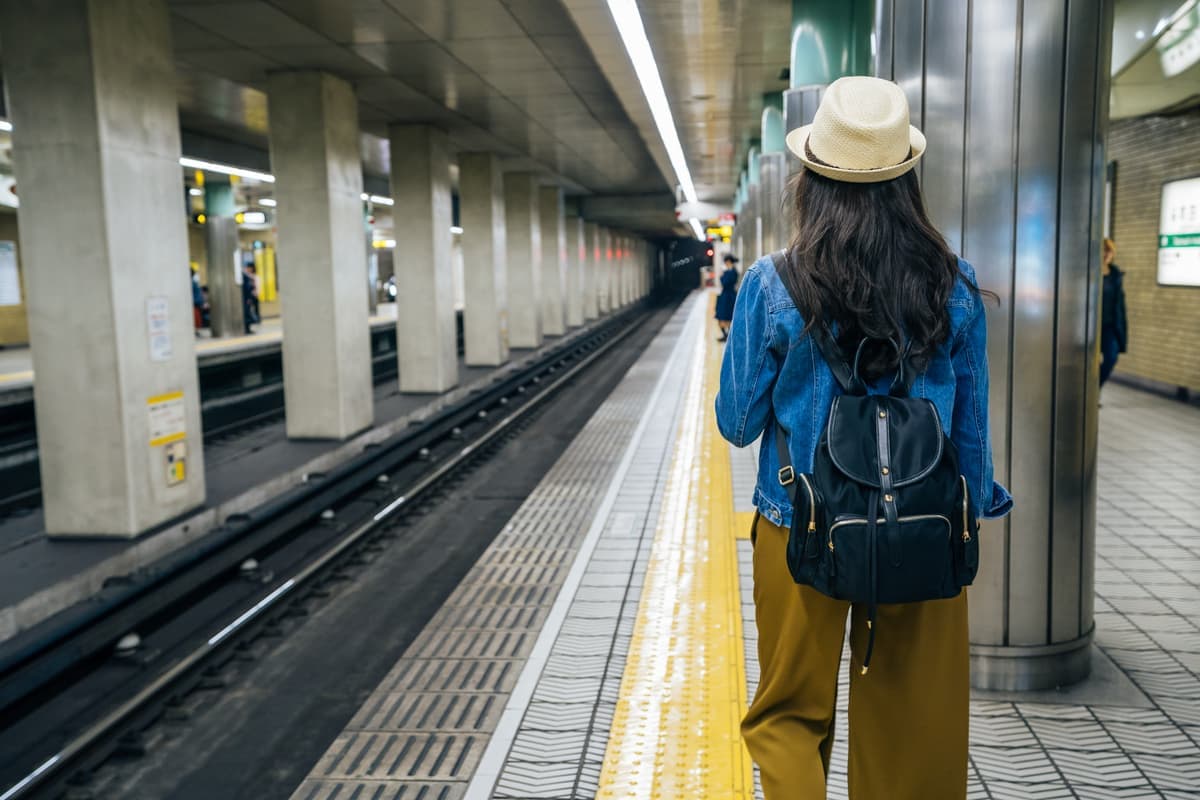
Avoid common first-trip mistakes in Japan: rushed routes, unsuitable rail passes, too much luggage and missing arrival preparations.
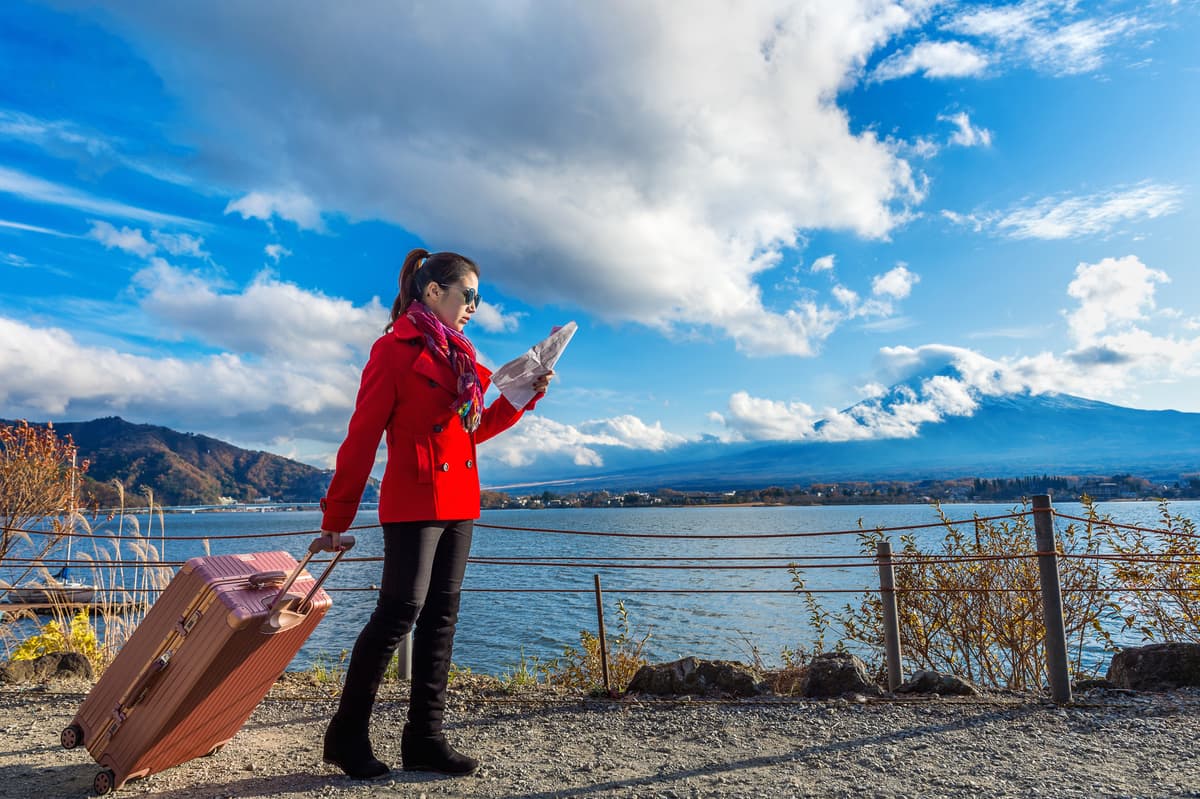
Quick, practical answers to the questions first-time visitors ask before and during a Japan trip.
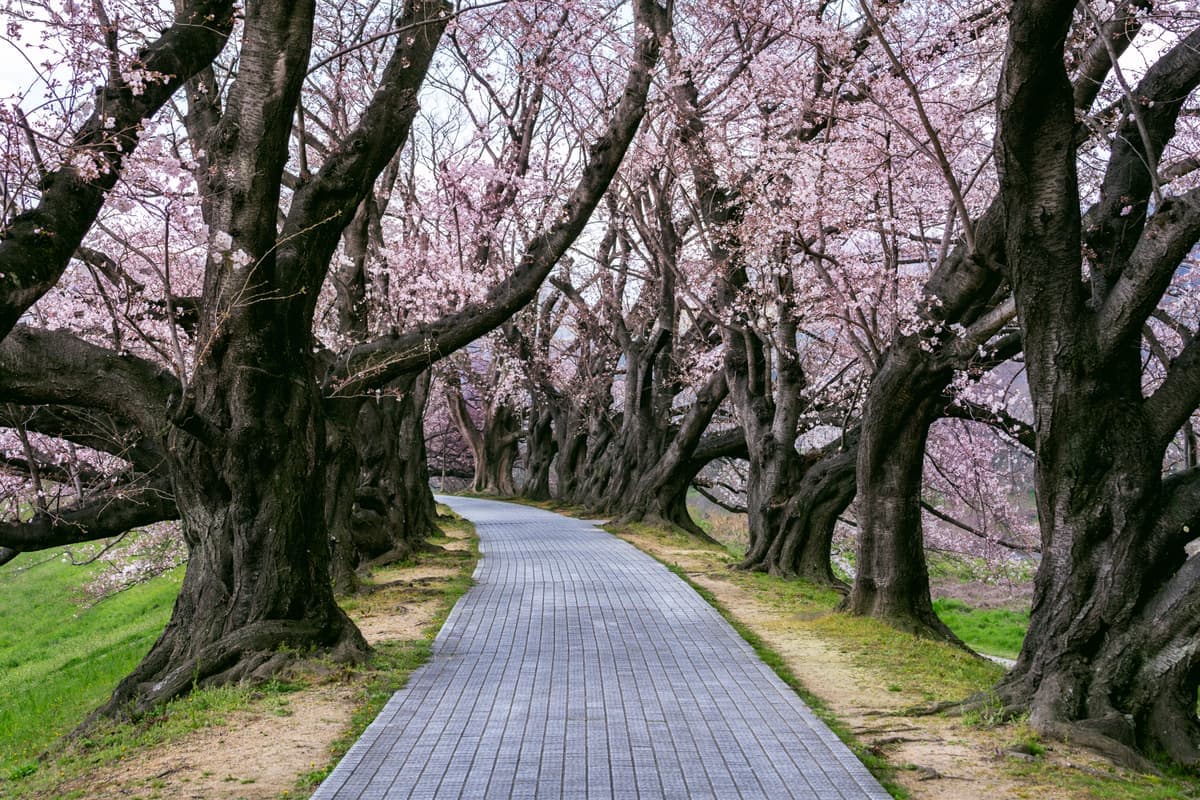
Choose the right time for your trip by matching weather, crowds, budget, and the kind of days you actually enjoy.
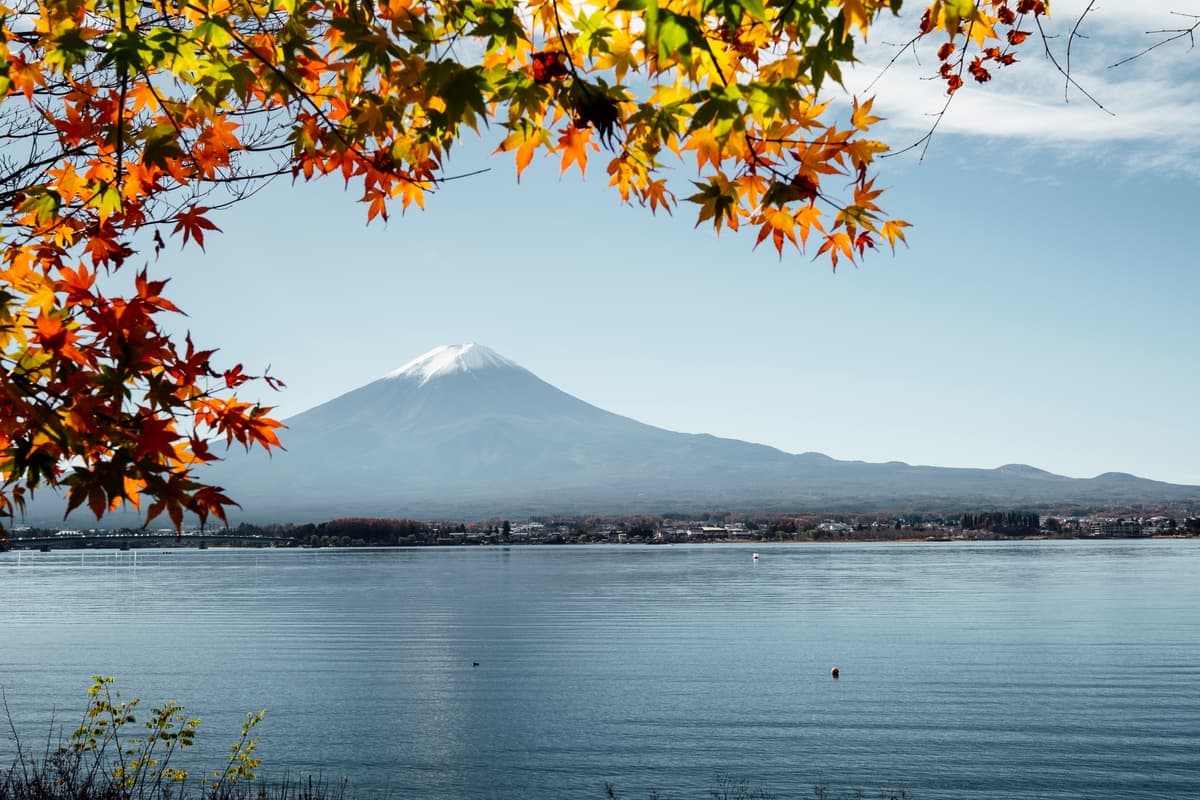
A season-by-season guide to Japan: weather feel, travel rhythm, what to book, and what to pack for.
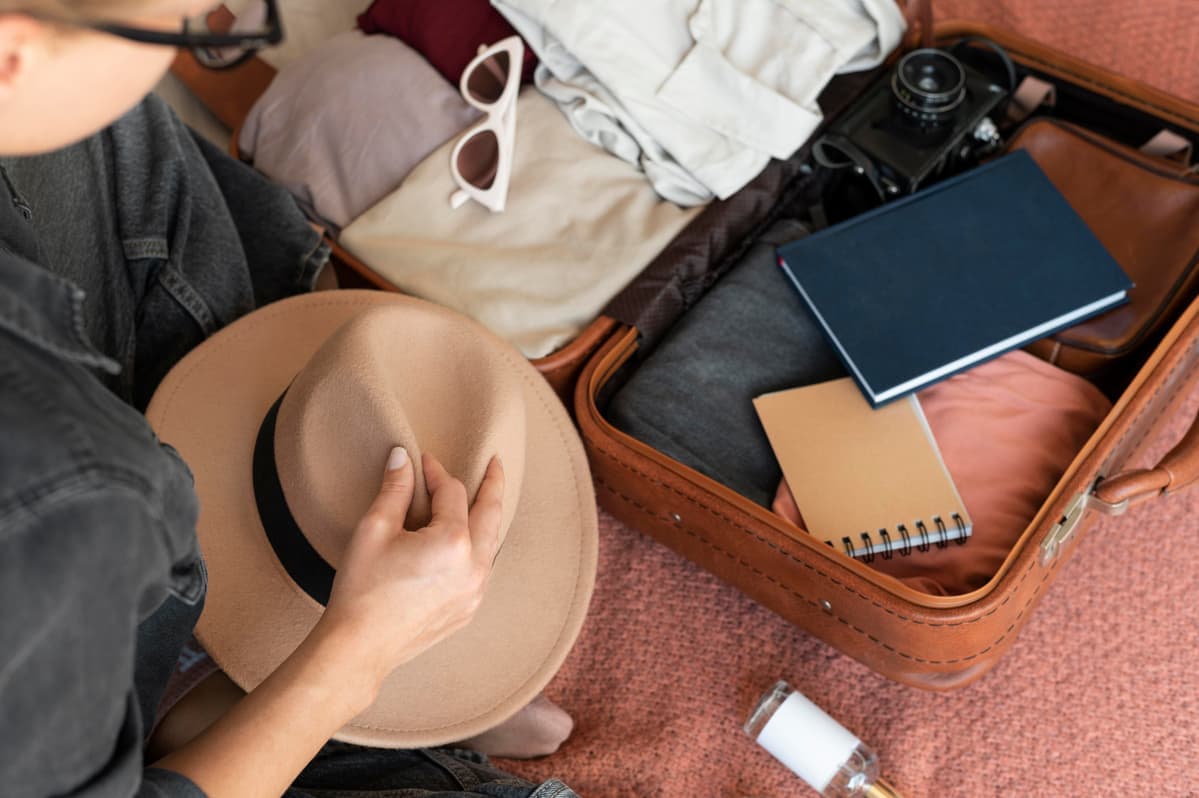
A practical packing list for Japan that changes with the season and keeps luggage manageable on trains and in small rooms.
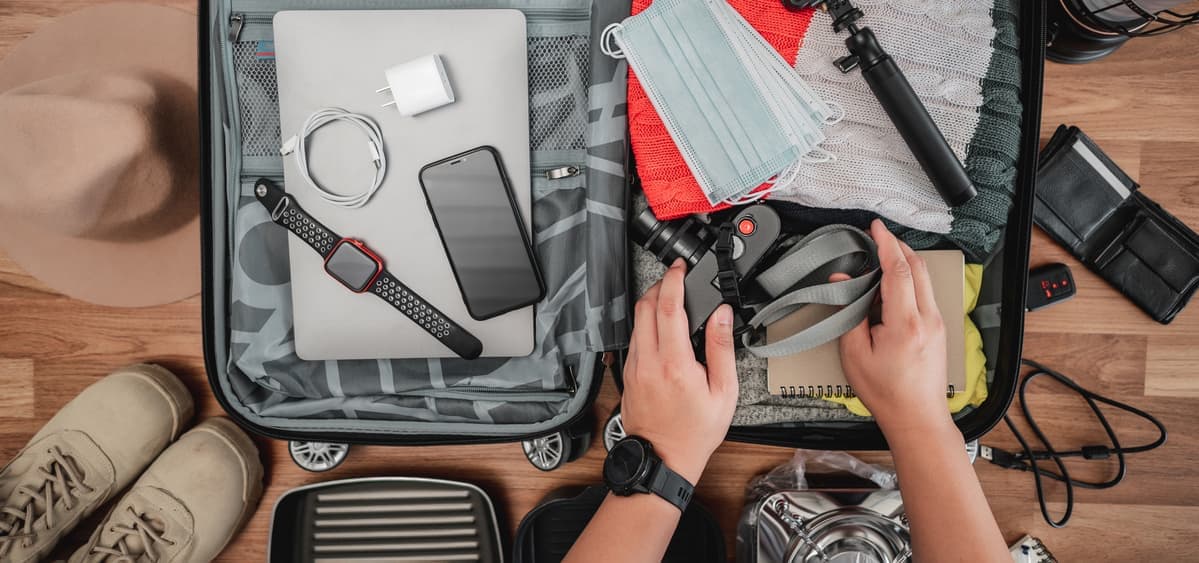
How to choose the right number of days in Japan without turning your trip into a chain of transfers.
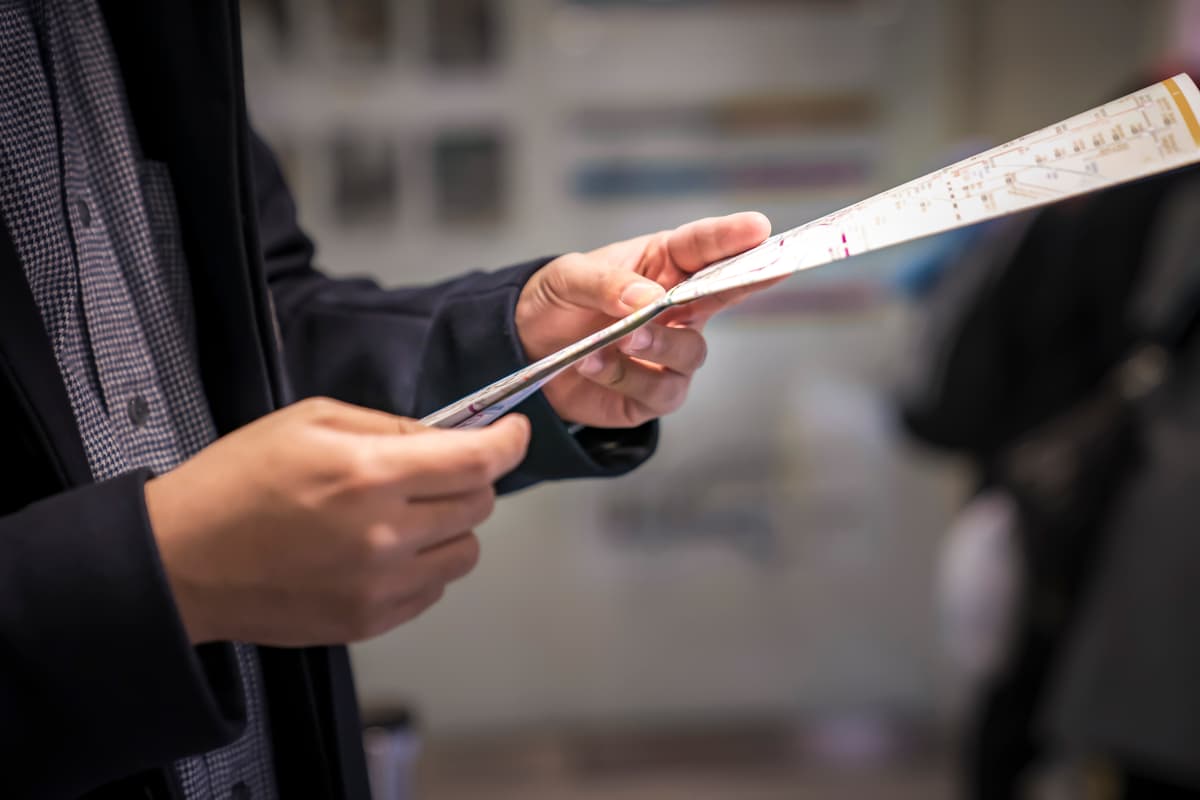
Build a first Japan itinerary around a few good bases, realistic transfer days, and the experiences you actually care about.
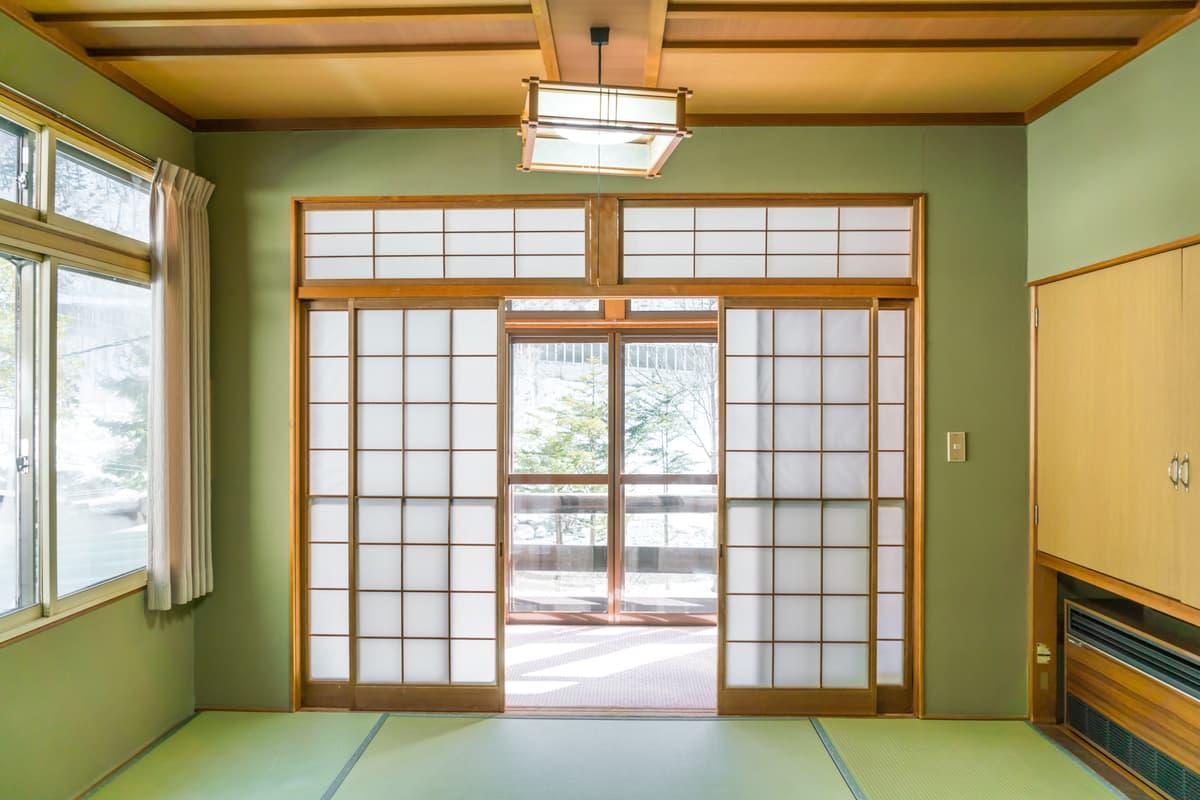
Choose accommodation by how you want to travel: space, location, atmosphere, privacy, and how often you will move.
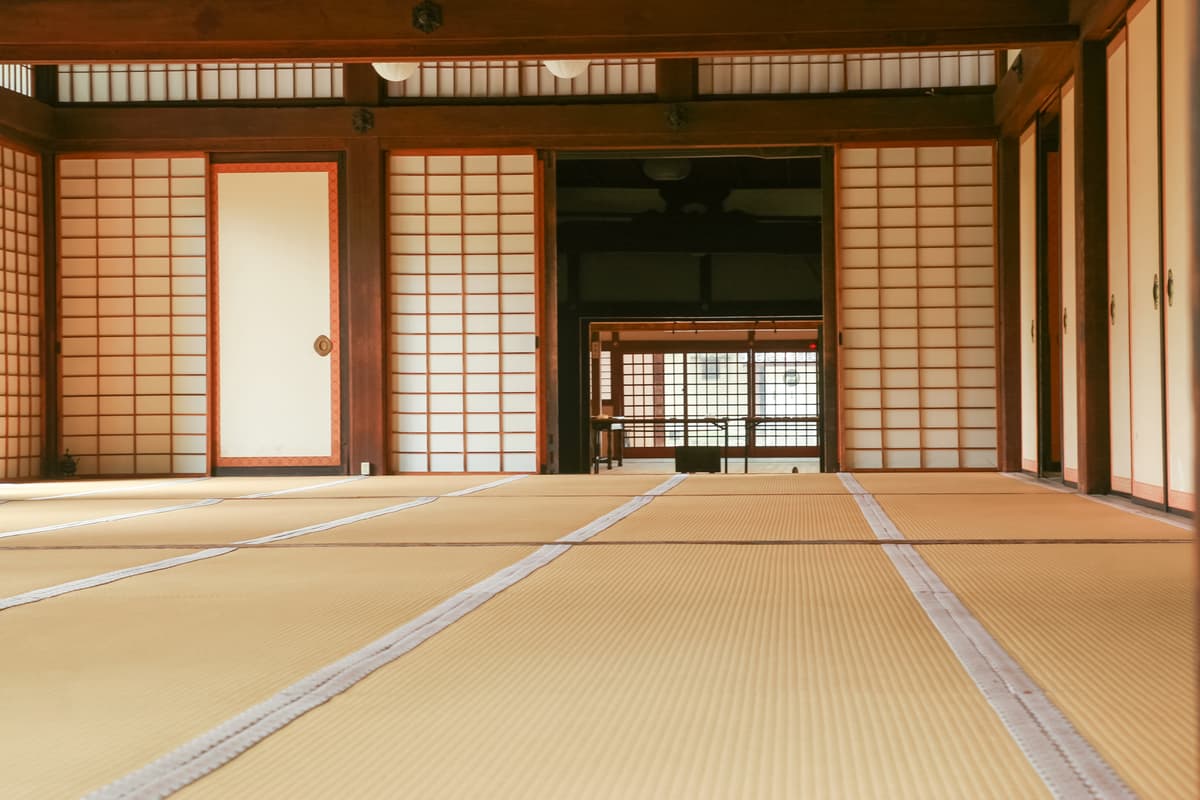
How to enjoy a ryokan: what you are booking, how meals and baths work, and the few details worth checking before you commit.

What capsule hotels are really like, who they suit, and the practical checks that prevent a disappointing night.
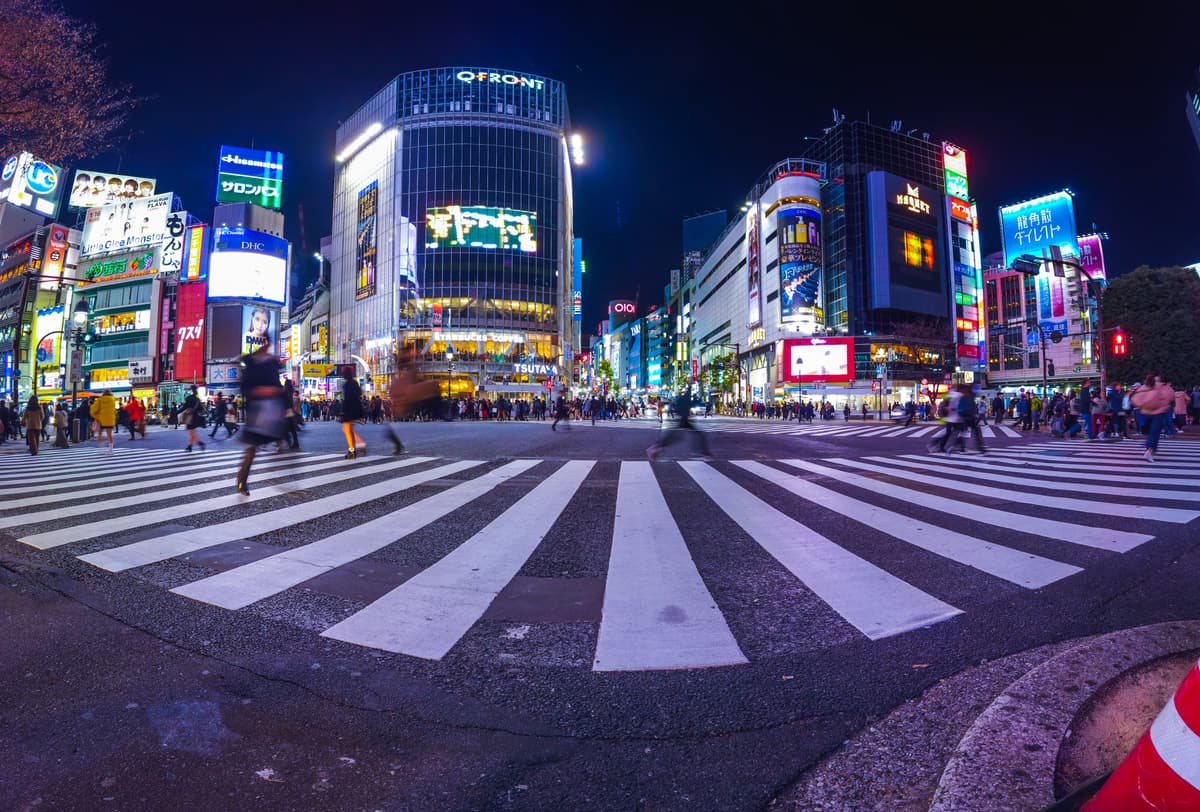
Where to stay in Tokyo based on how you travel: first trip, food, nightlife, calm, shopping, or easy airport and train connections.
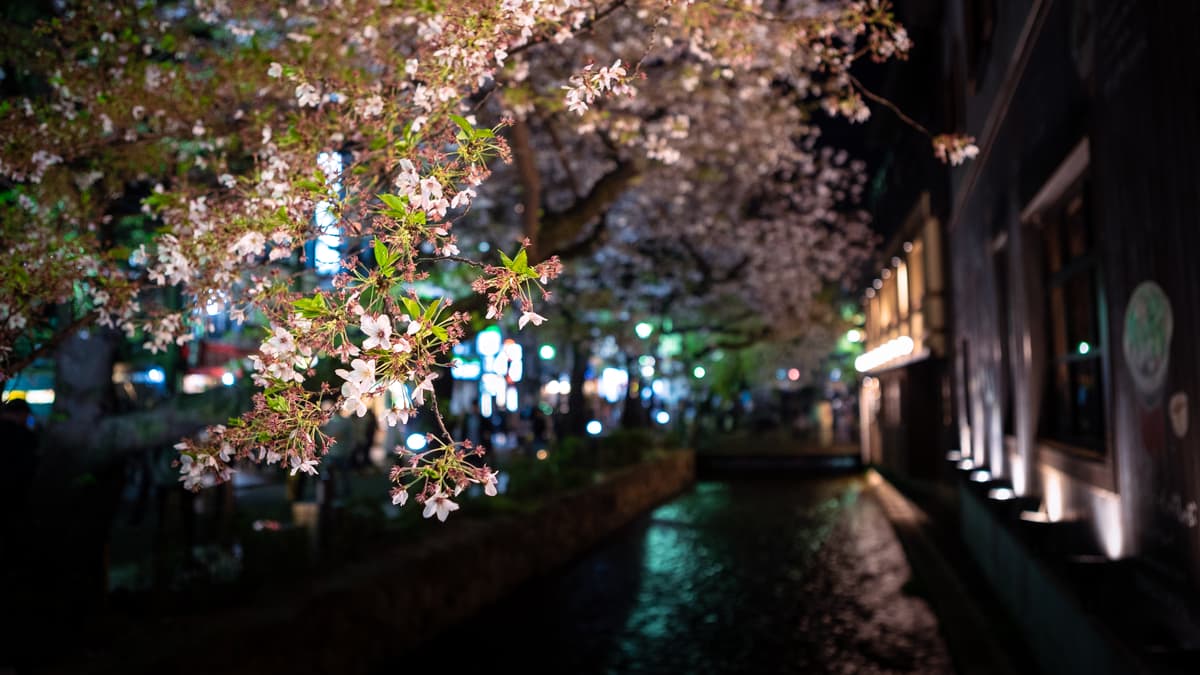
Where to stay in Kyoto for early temple mornings, food, transport, quieter nights, and a first trip that does not become bus logistics.

Check hotel arrival times, luggage storage, payment and checkout rules in Japan. Know what to do if you arrive early or late.
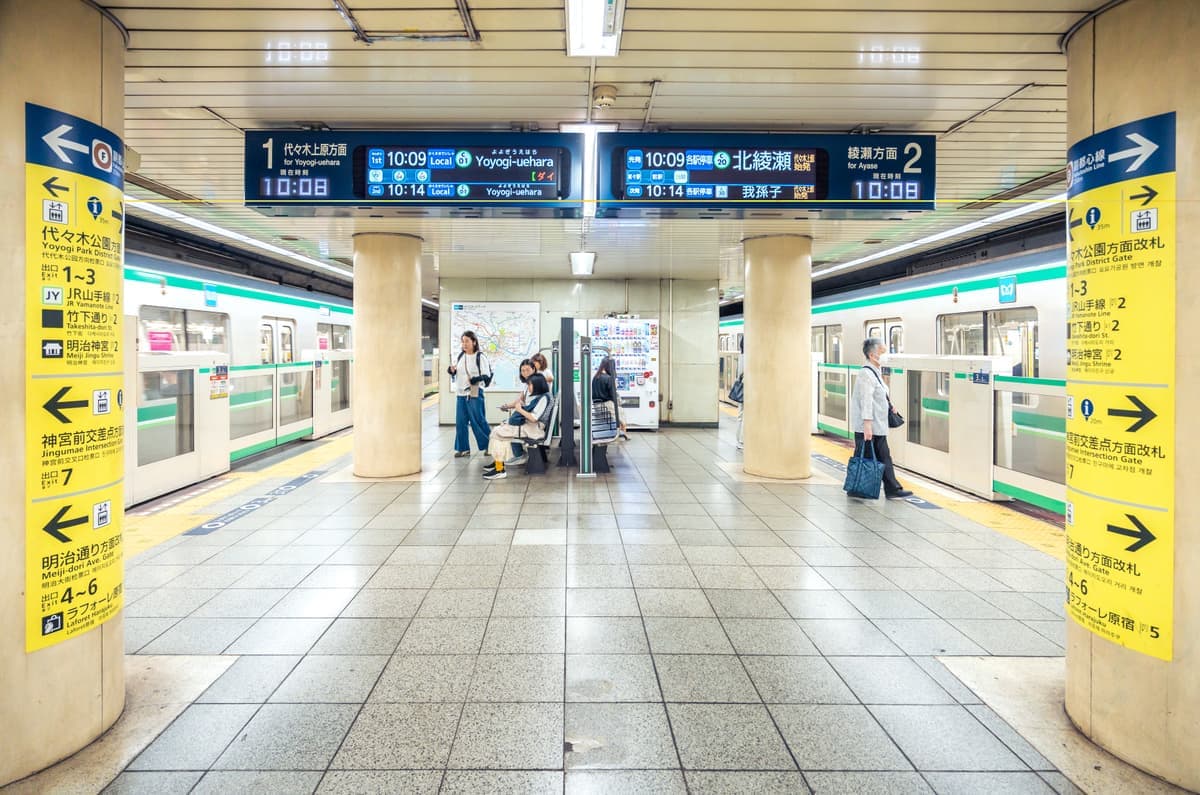
Understand Japan transport without memorising it: local trains, IC cards, Shinkansen, buses, routes, and the habits that make transfers easy.
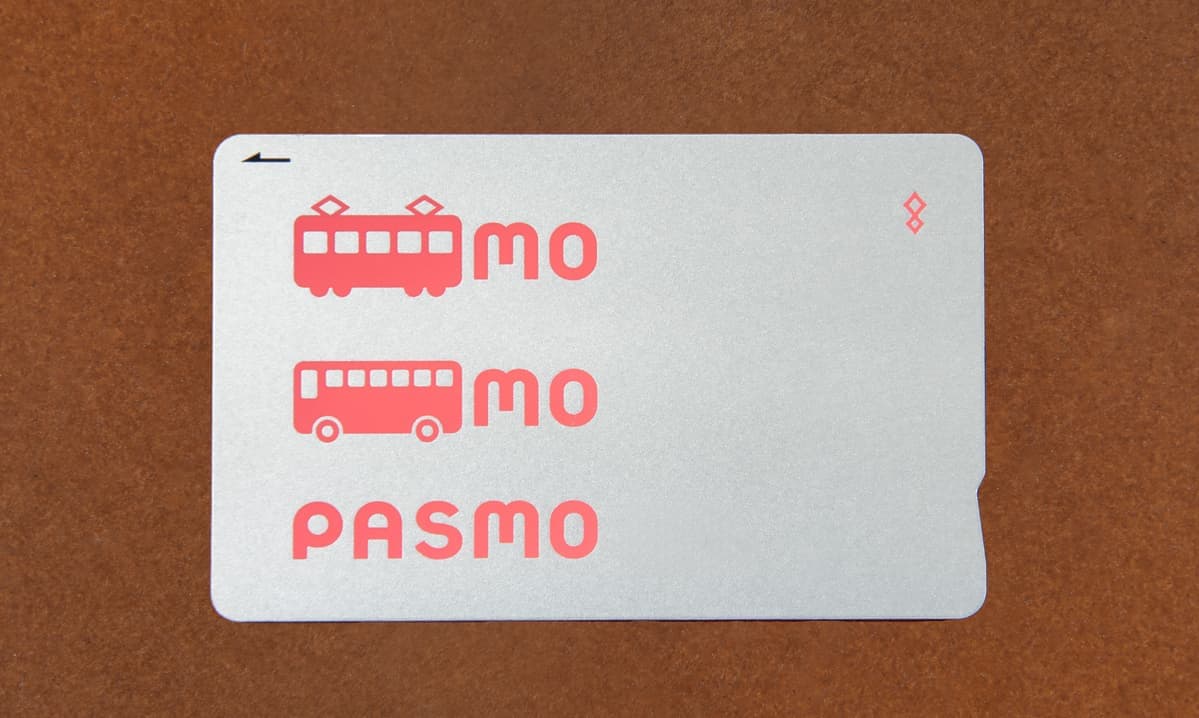
How IC cards work in Japan, where they help, their limits, and whether a physical or mobile card makes more sense for you.
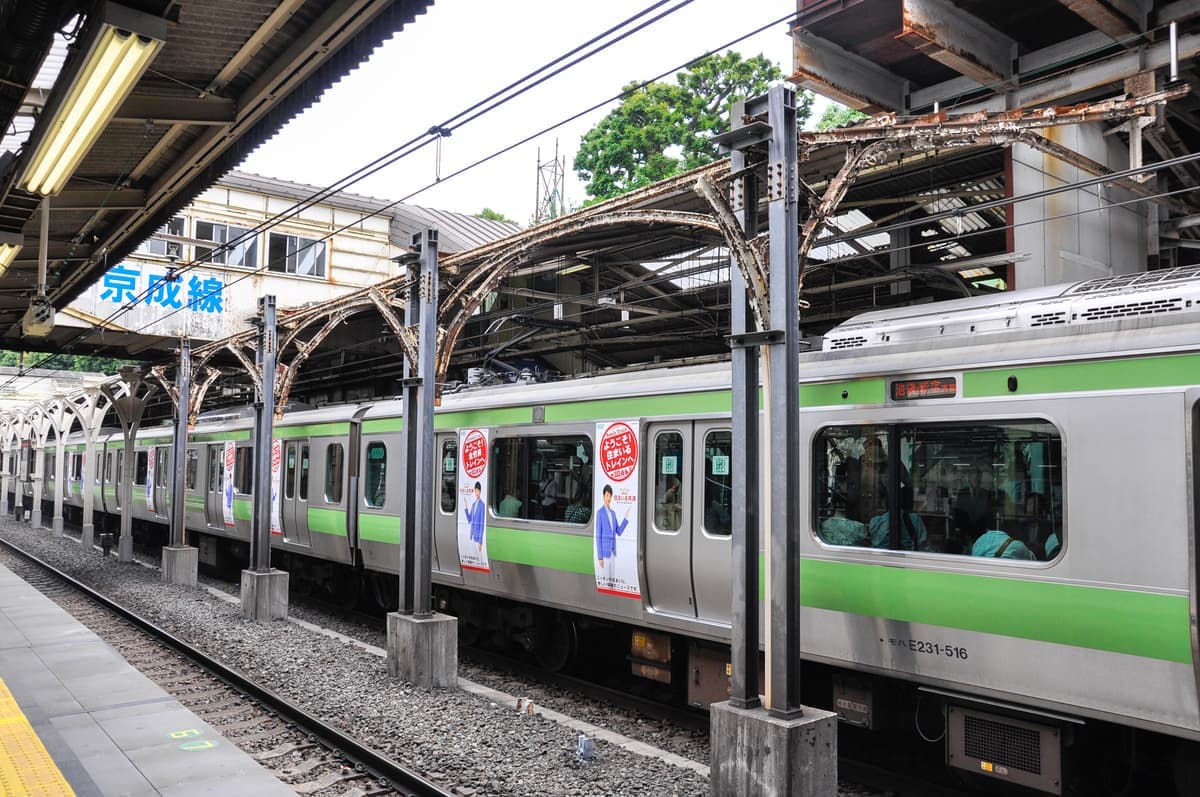
Decide whether a nationwide Japan Rail Pass, regional pass, or individual tickets fit your real route and travel days.
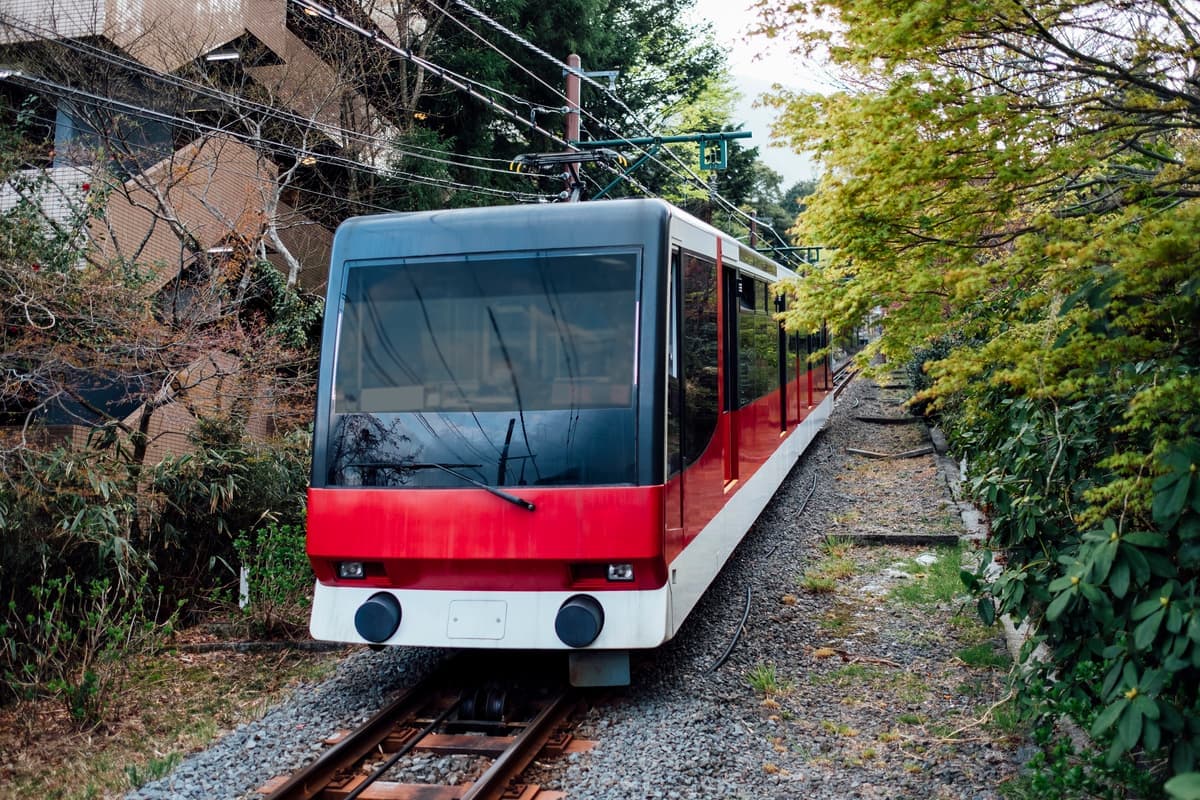
How to use regional rail passes well: match the pass to one region, its validity window, and the routes you will actually ride.
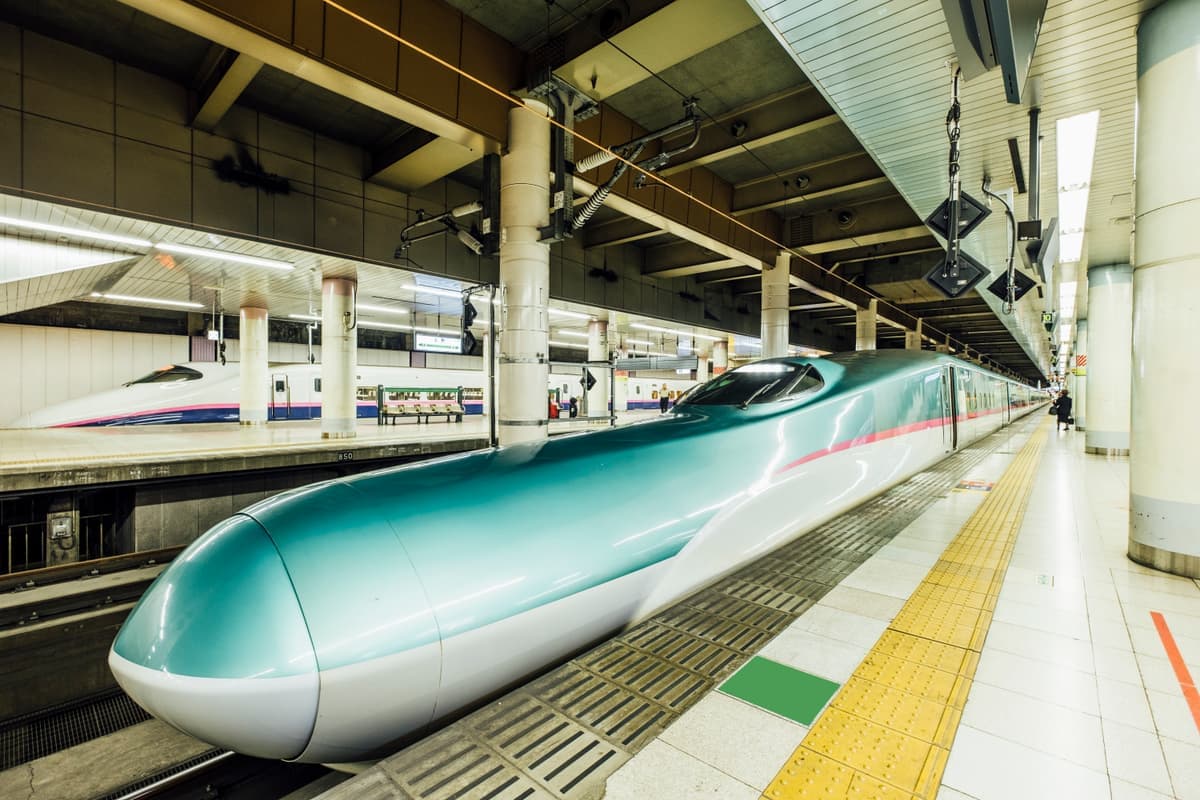
Use the Shinkansen confidently: tickets, reservations, luggage, platform timing, and the small etiquette that keeps the carriage comfortable.
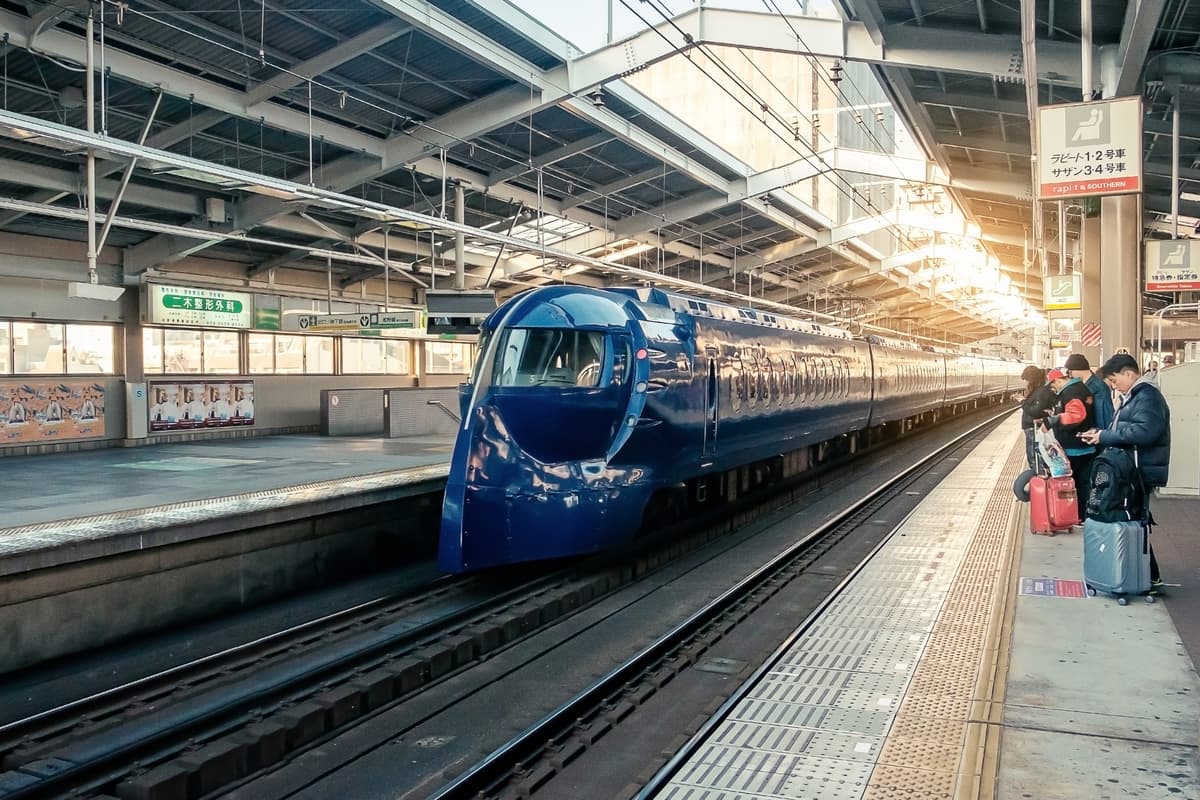
Choose the right airport transfer by balancing cost, luggage, arrival time, hotel location, and how much navigation you want on day one.
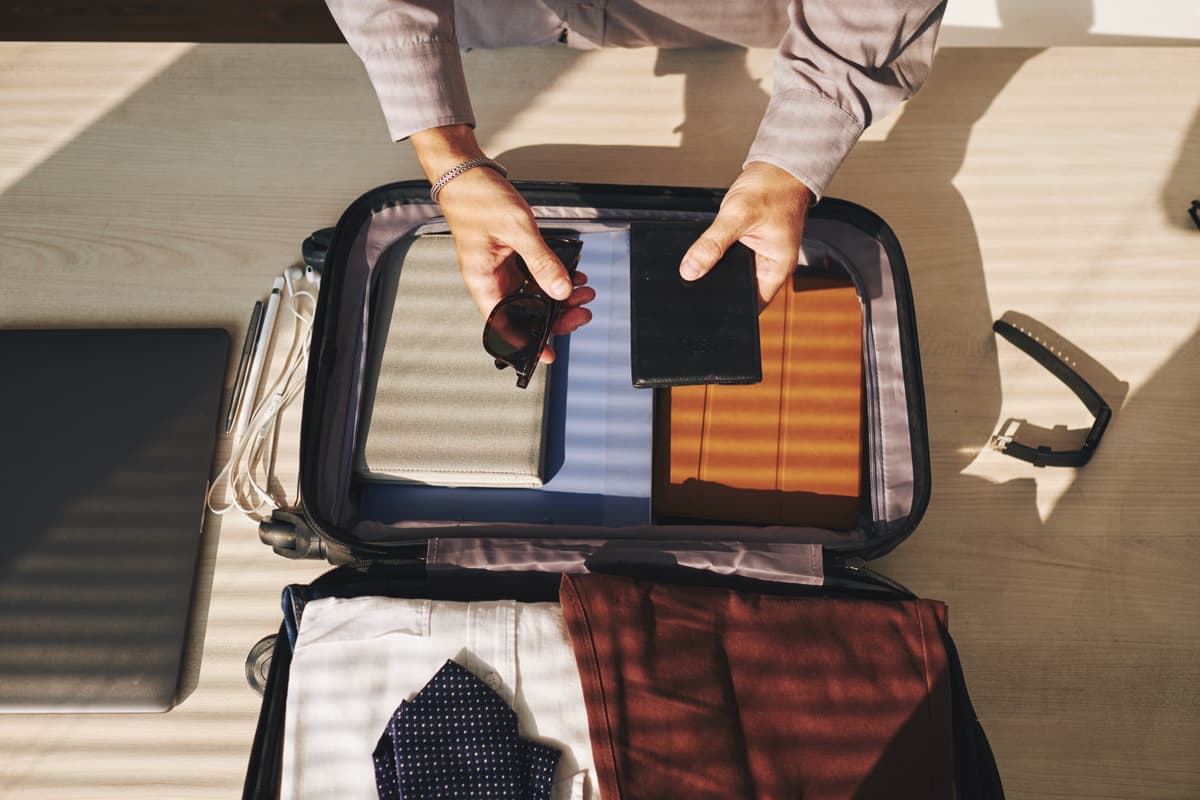
How luggage forwarding works in Japan, when to use it, what to keep with you, and how to avoid sending the bag you need tonight.
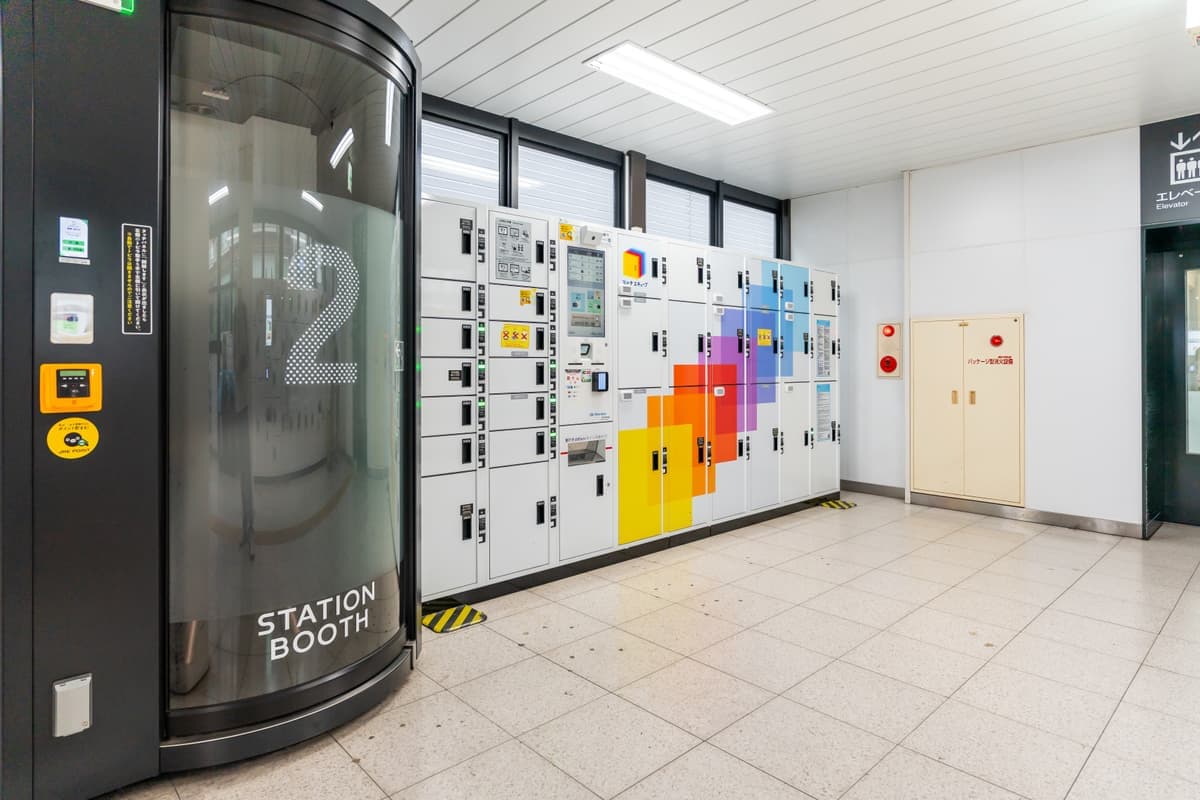
Use coin lockers in Japan without stress: find one, size it properly, pay, keep the receipt, and have a backup plan.
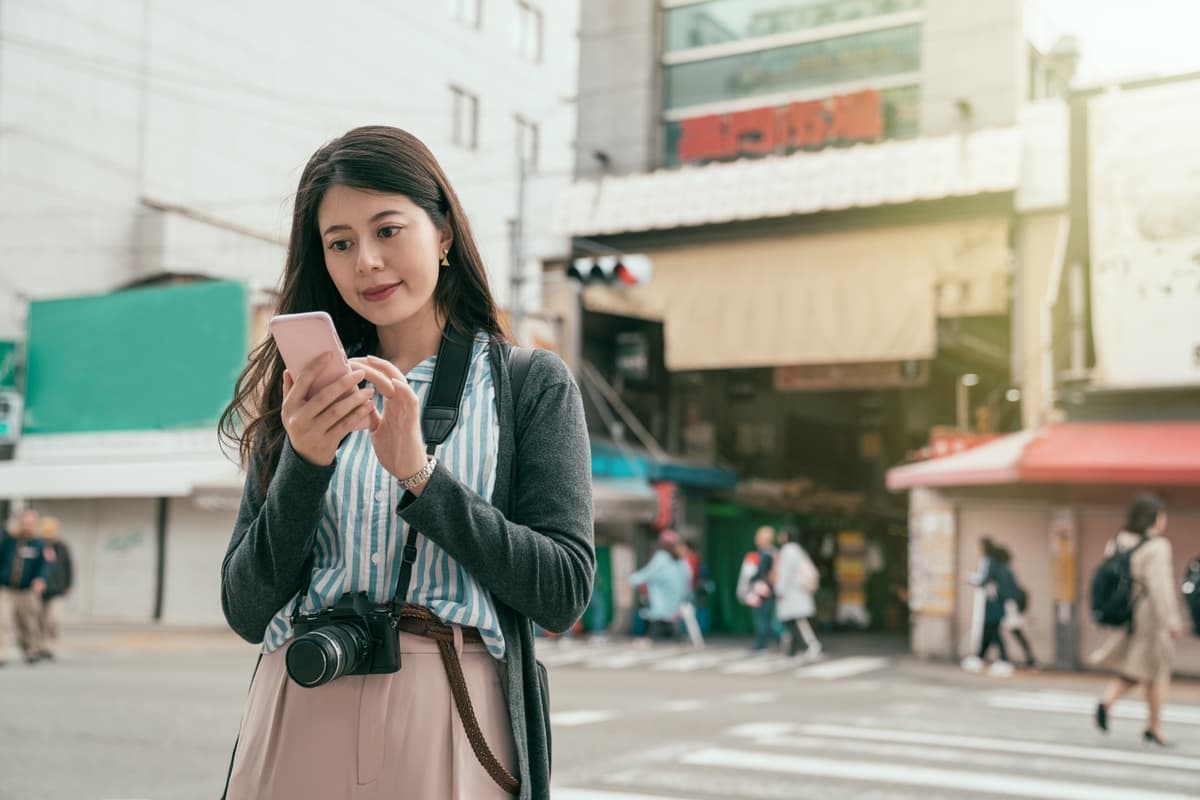
The small set of travel apps and phone setup choices that make Japan easier without filling your home screen.
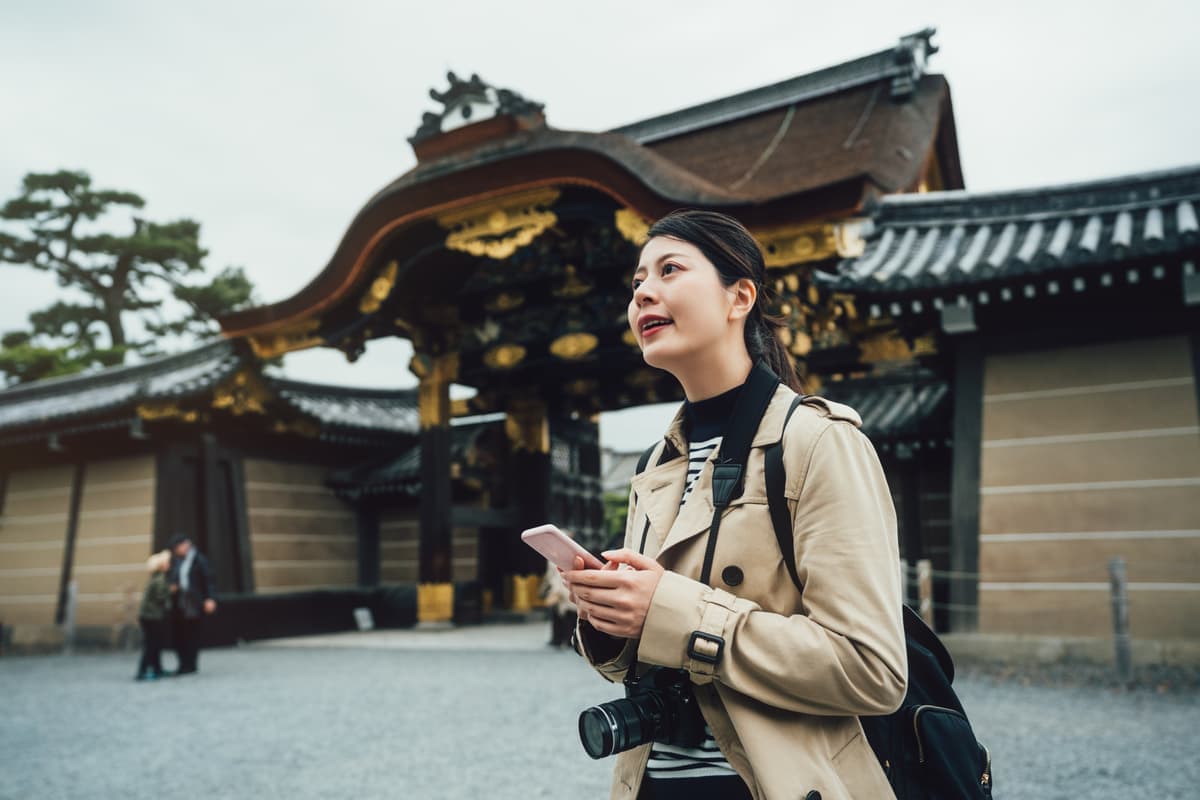
Choose eSIM, roaming, physical SIM, or pocket Wi-Fi based on your phone, group size, data needs, and tolerance for one more device.
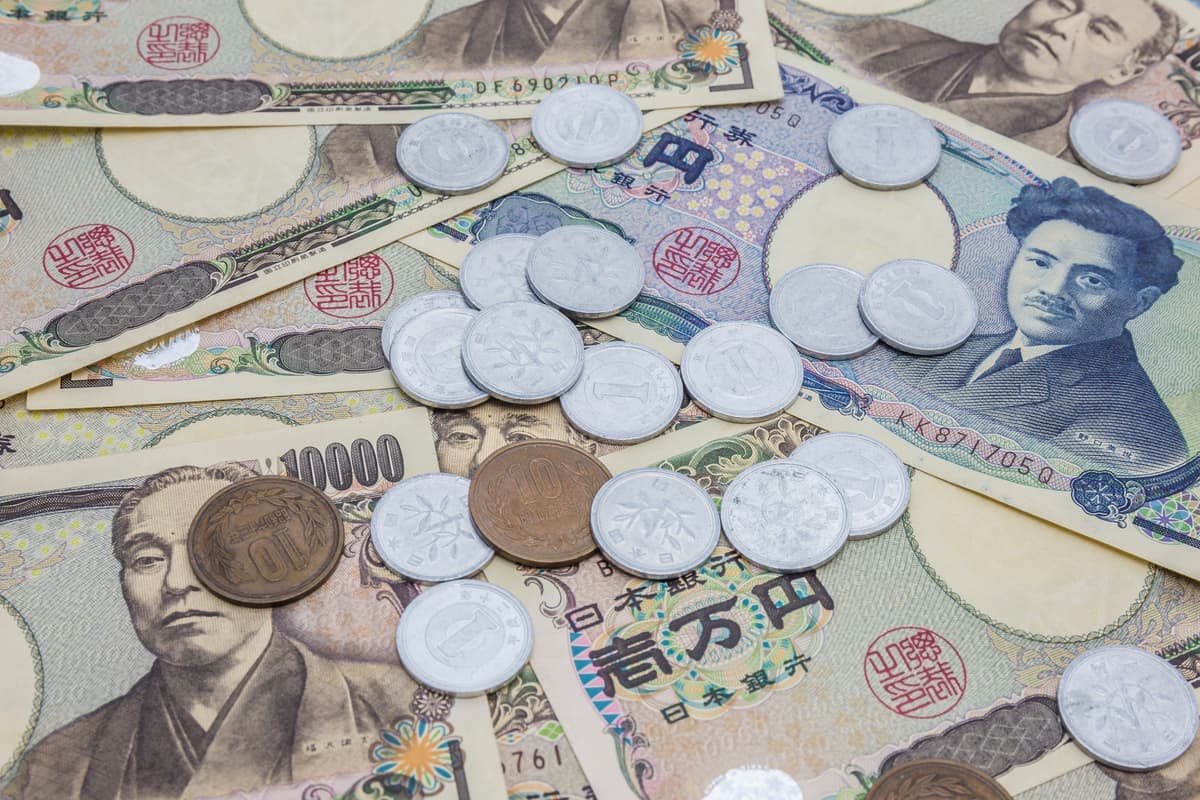
Plan cash and card payments in Japan: overseas-card ATMs, fees, yen withdrawals, small purchases and a backup if a payment fails.
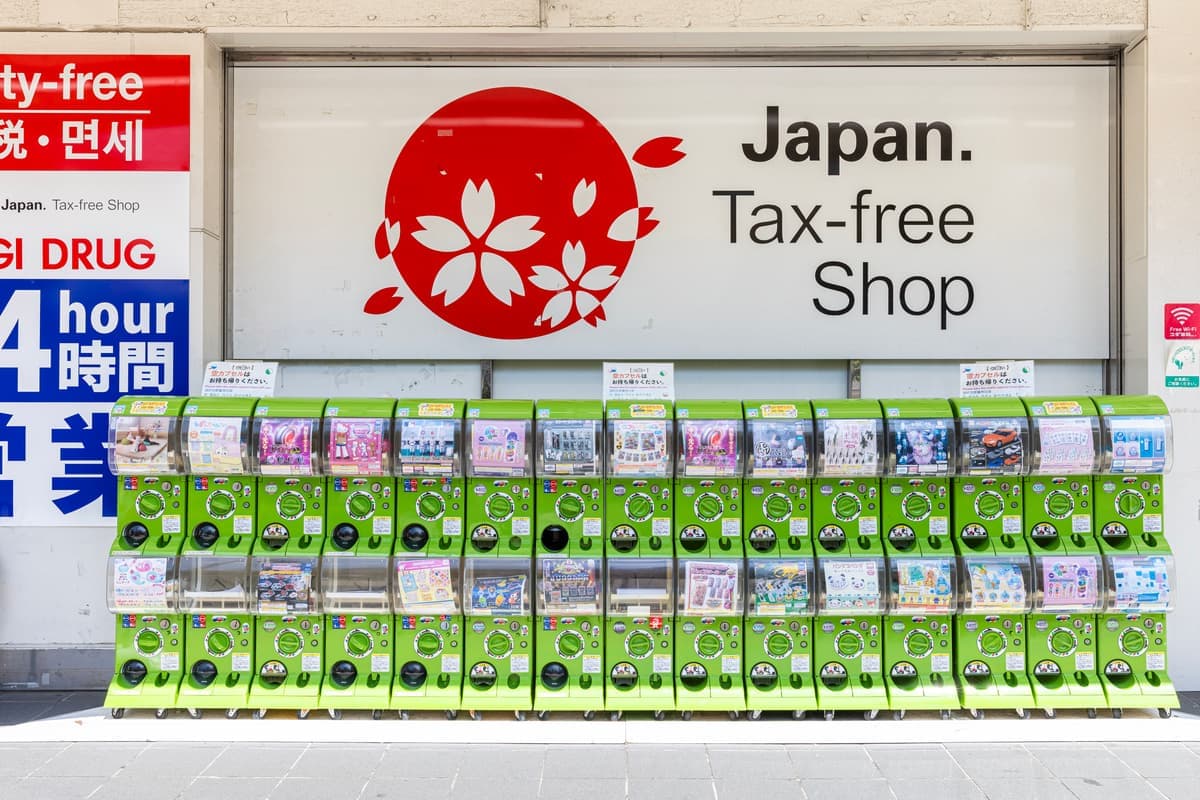
Japan’s tax-free shopping changes on 1 November 2026. Check eligibility, keep your purchases and finish Customs checks before baggage check-in.
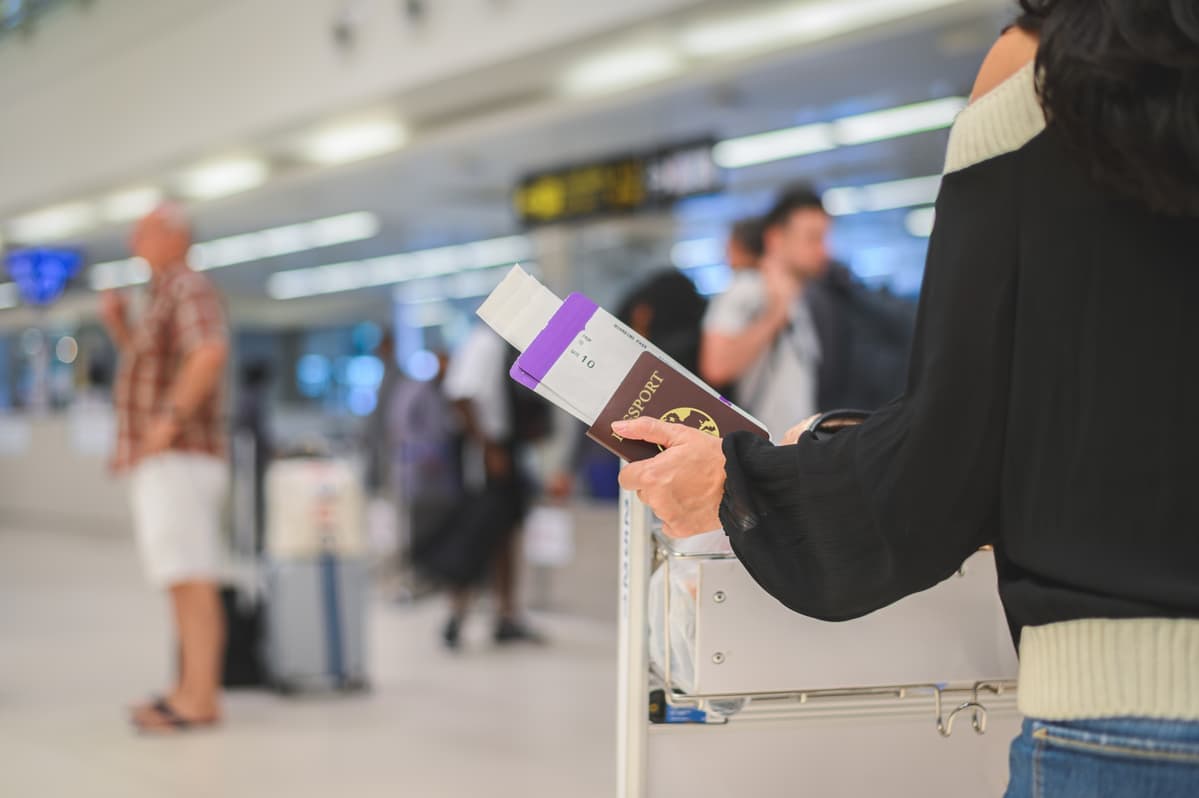
What Visit Japan Web is for, what to prepare before arrival, and why you should use only the official service and current instructions.

Check medicine ingredients, quantities and Japanese import permissions before travel, with links to MHLW and controlled-drug guidance.
The emergency numbers, preparation, and first steps that help travellers respond calmly to illness, accidents, crime, or a natural disaster in Japan.
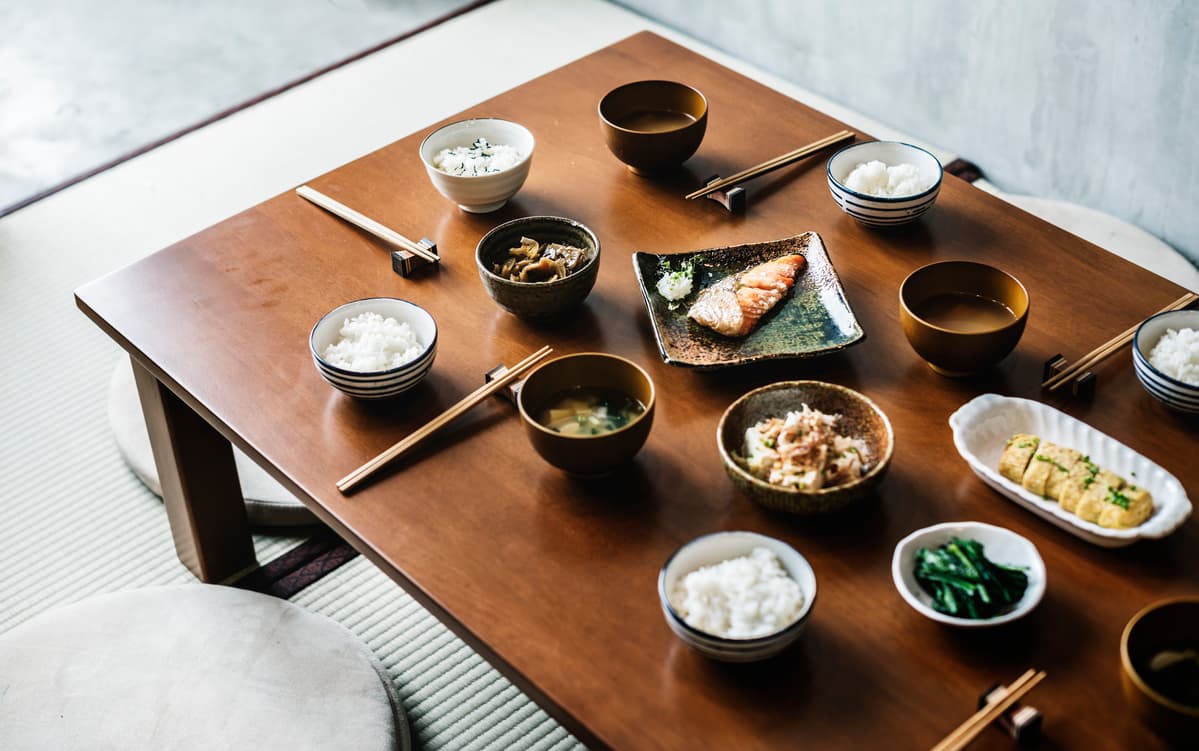
A first-timer’s food guide to Japan: how meals work, what to try, and how to eat well without making every meal a mission.
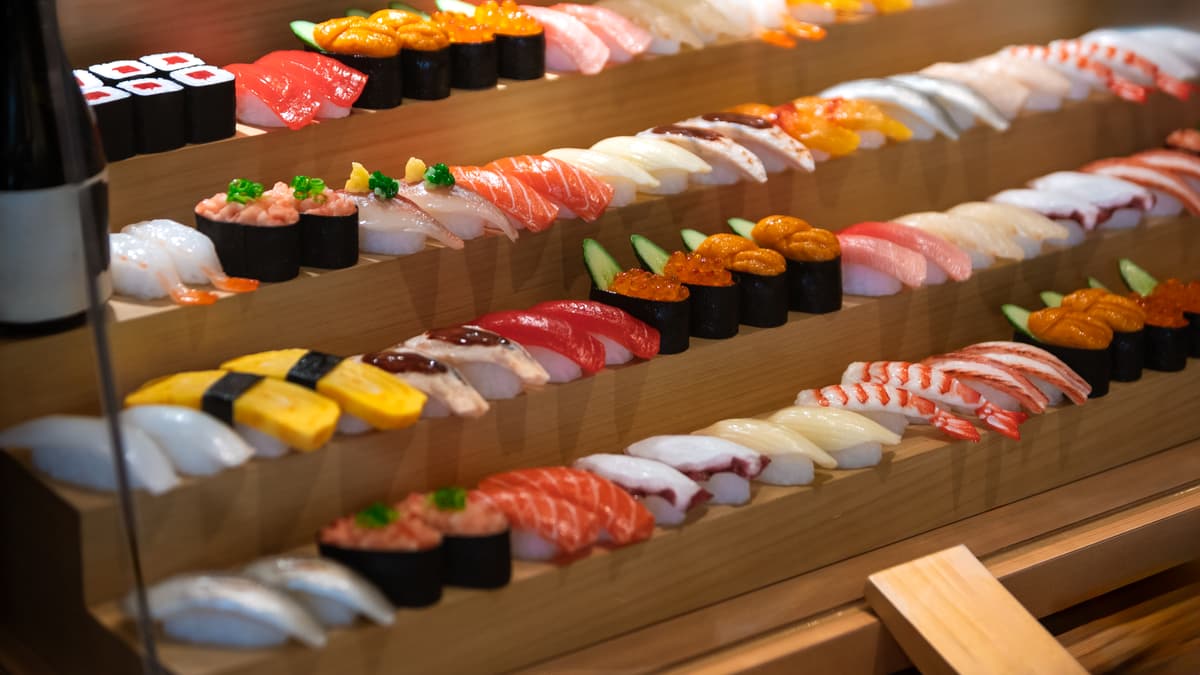
How to order food in Japan with confidence: ticket machines, photo menus, queues, dietary questions, and the few phrases worth knowing.
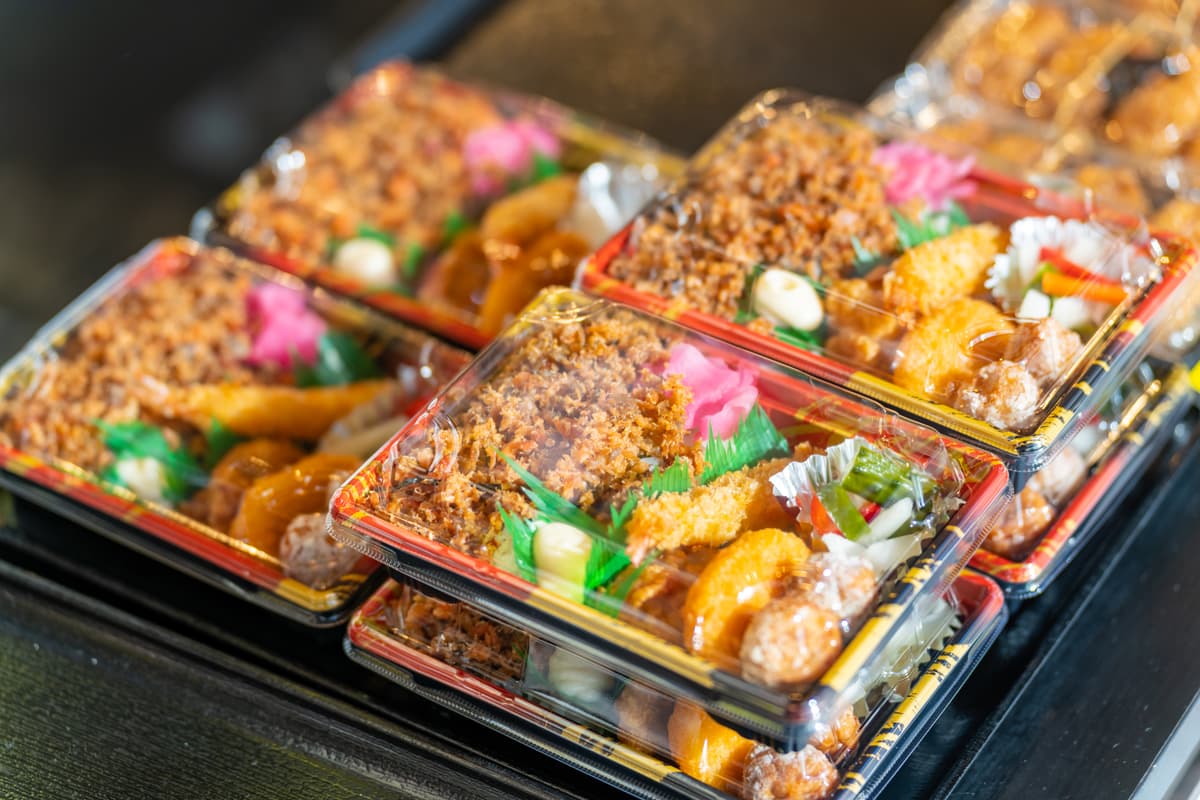
How to use Japanese convenience stores well: quick meals, ATMs, transport top-ups, practical supplies, and the small etiquette of a busy counter.
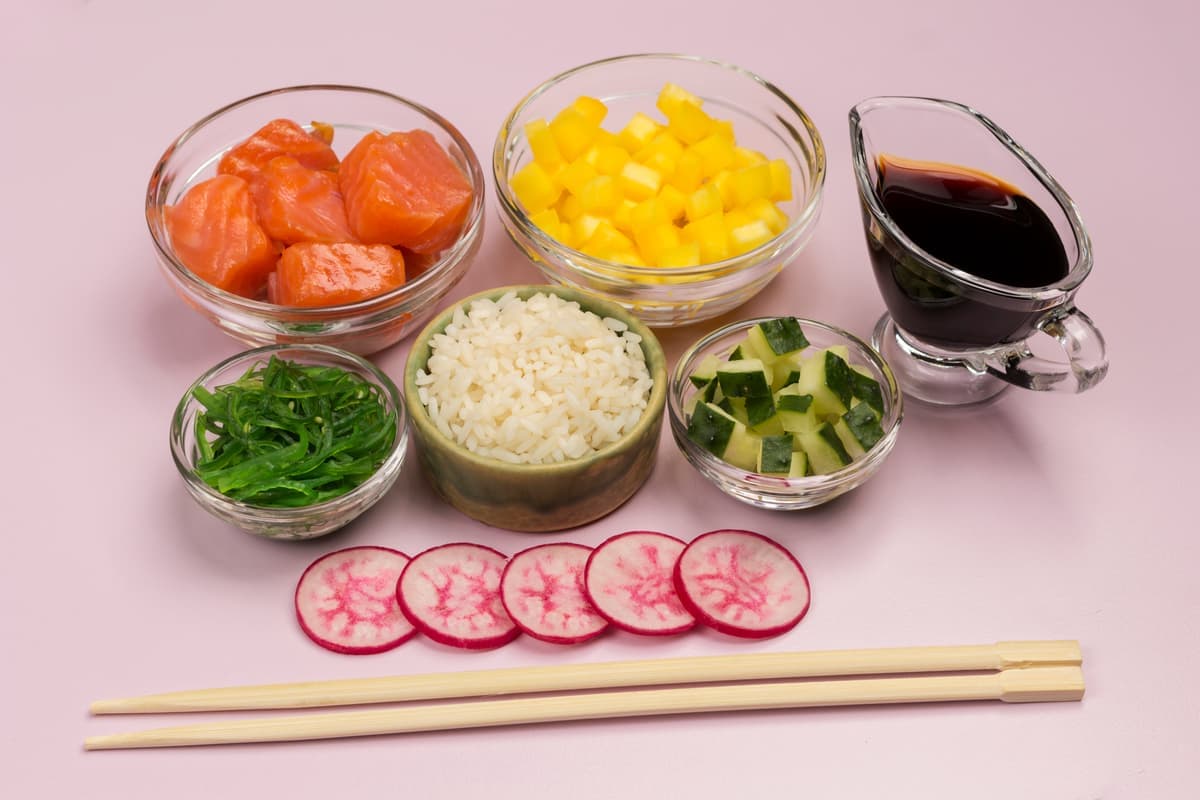
Plan for food allergies in Japan with specific communication, advance contact, backup meals, and realistic expectations about cross-contact.
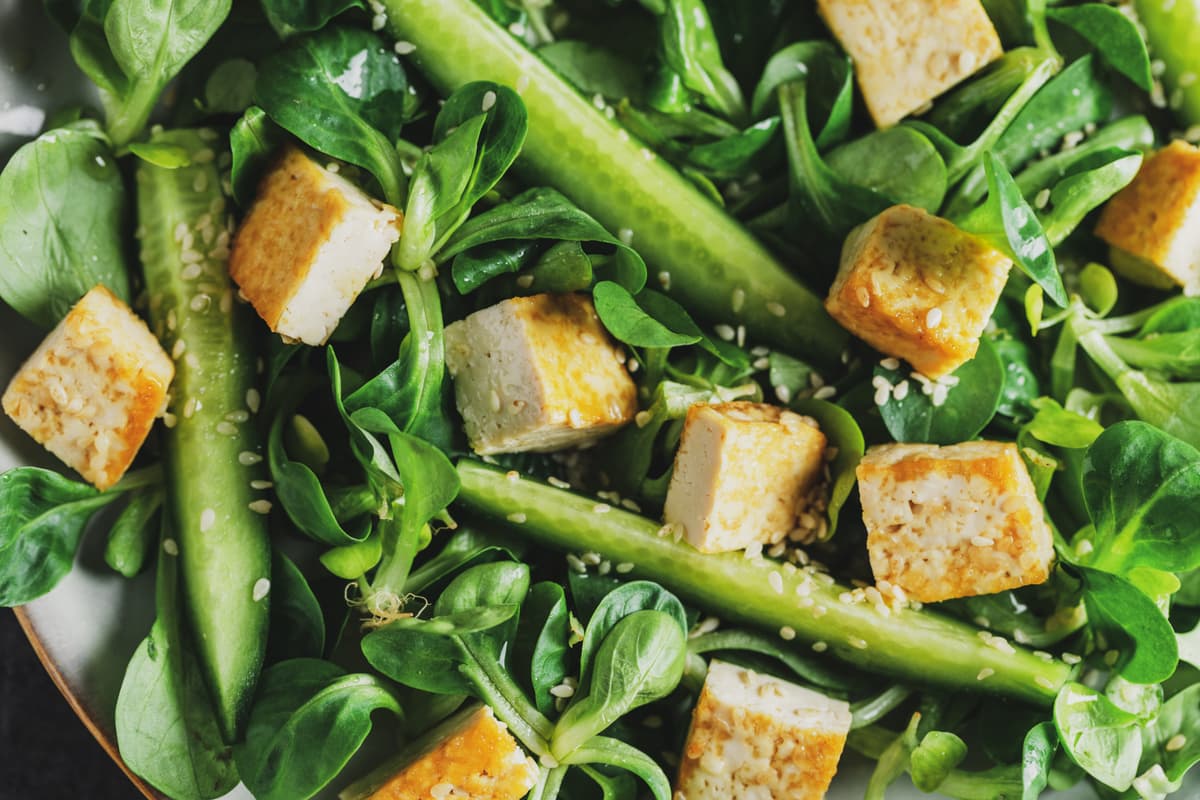
A practical vegetarian and vegan guide to Japan: find better options, communicate clearly, and watch for fish stock and hidden animal ingredients.
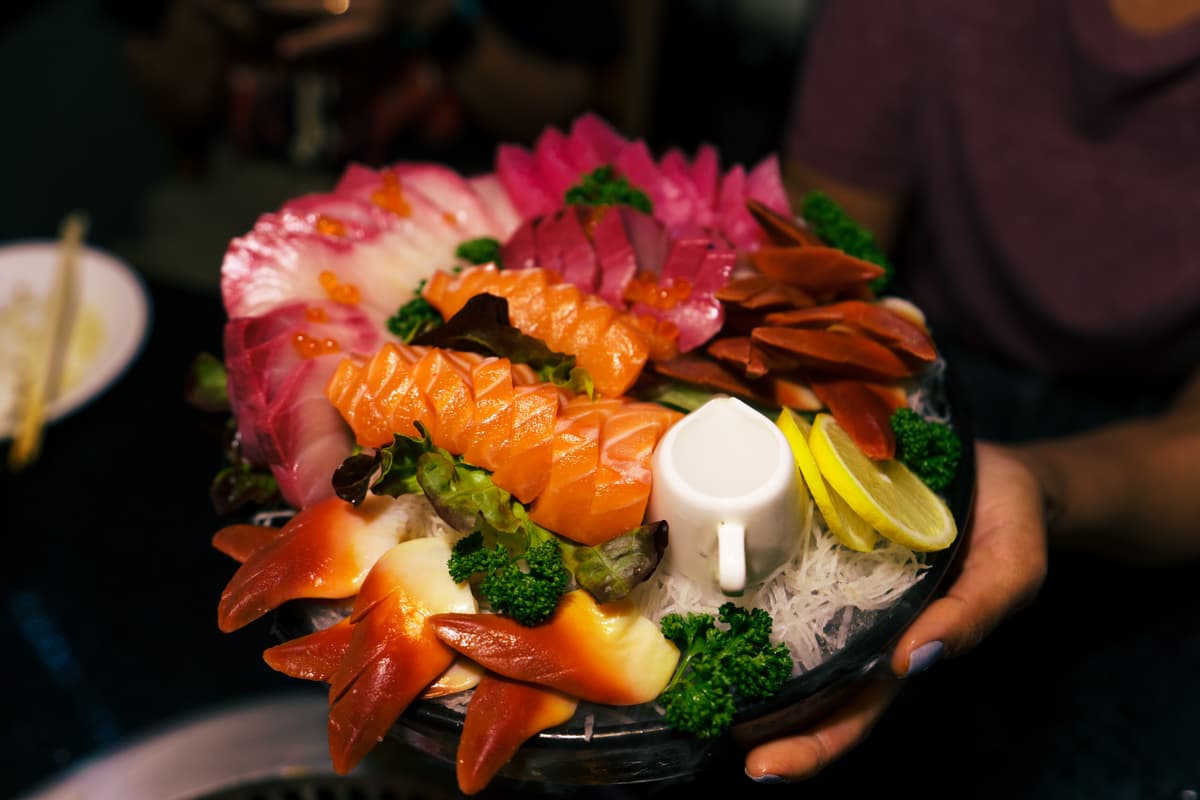
Compare ramen shops, sushi restaurants, izakaya and street-food stalls in Japan, including ordering, charges and dietary checks.
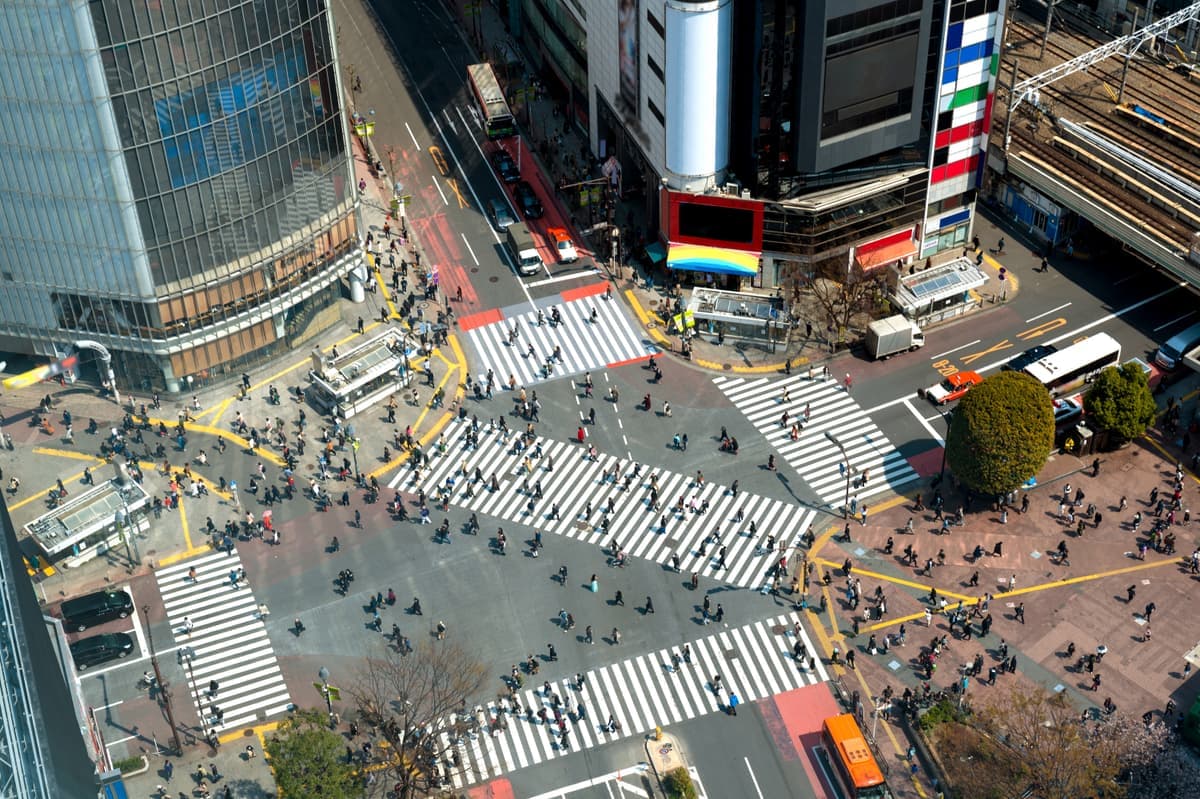
Learn the everyday customs visitors need in Japan: queues, shoes, quiet spaces, photographs, payments and asking for help.
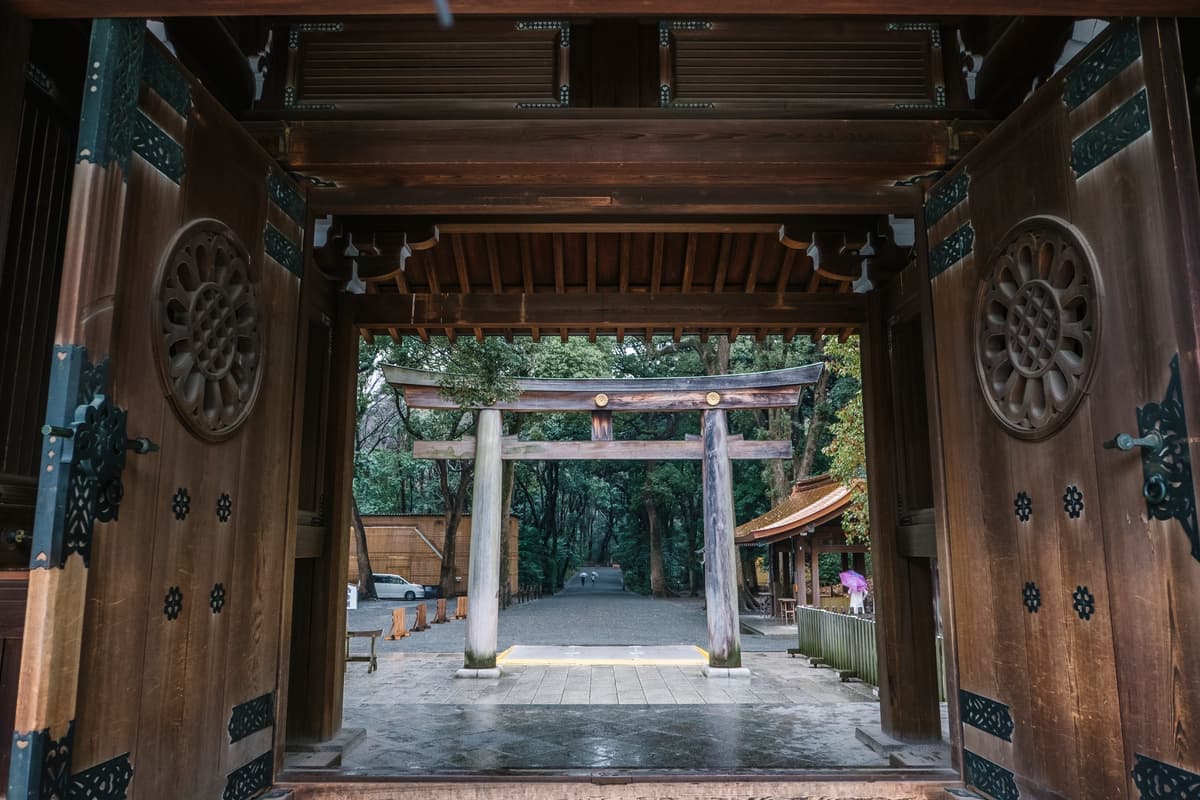
A practical first visit to Japanese shrines and temples: what they are, how to move respectfully, prayer basics, goshuin, and photos.
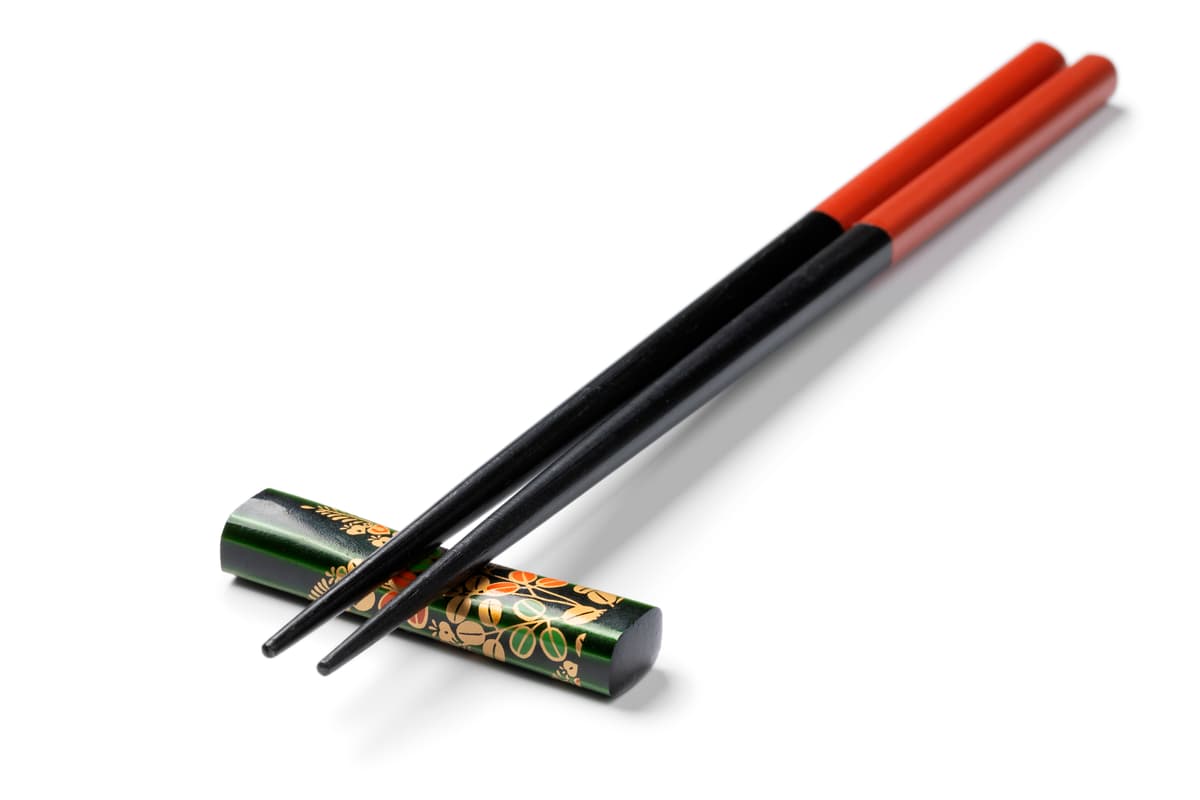
The chopstick habits worth knowing, the common mistakes to avoid, and why relaxed respect matters more than perfect technique.
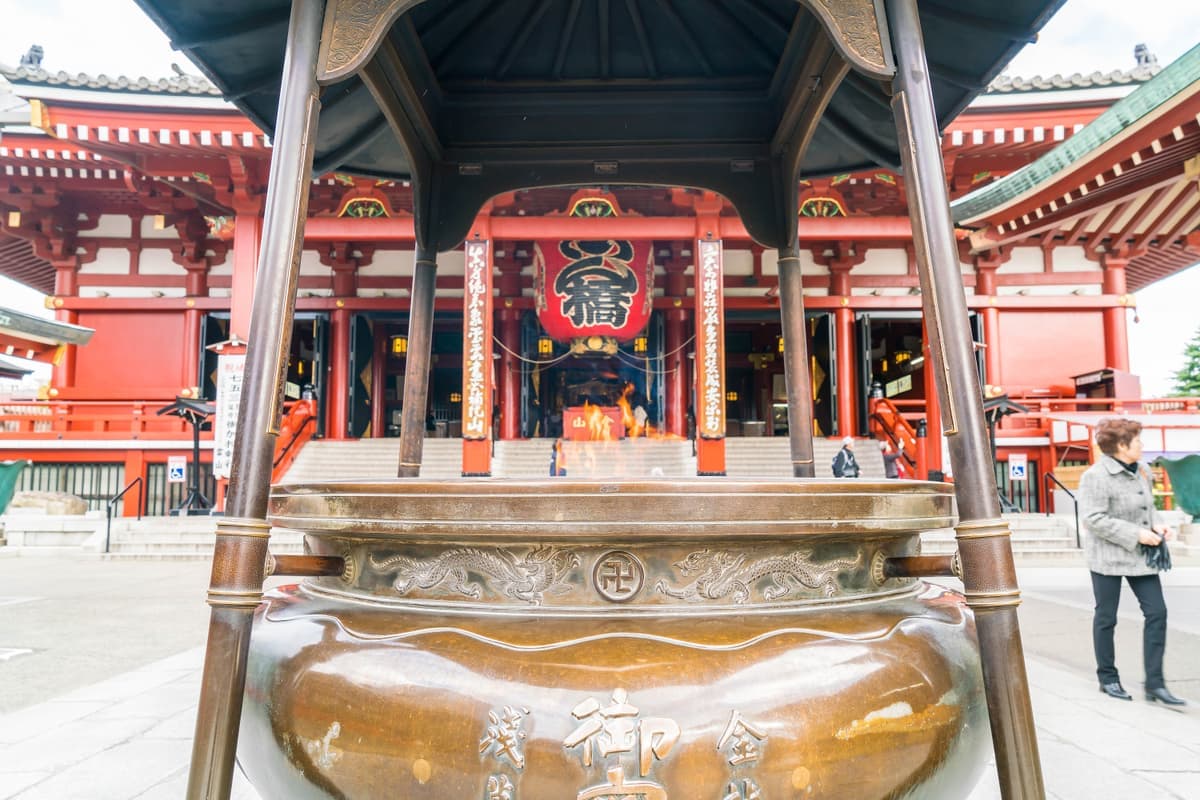
A short shrine and temple etiquette guide for first-time visitors: gates, water basins, prayer, offerings, goshuin, and photography.
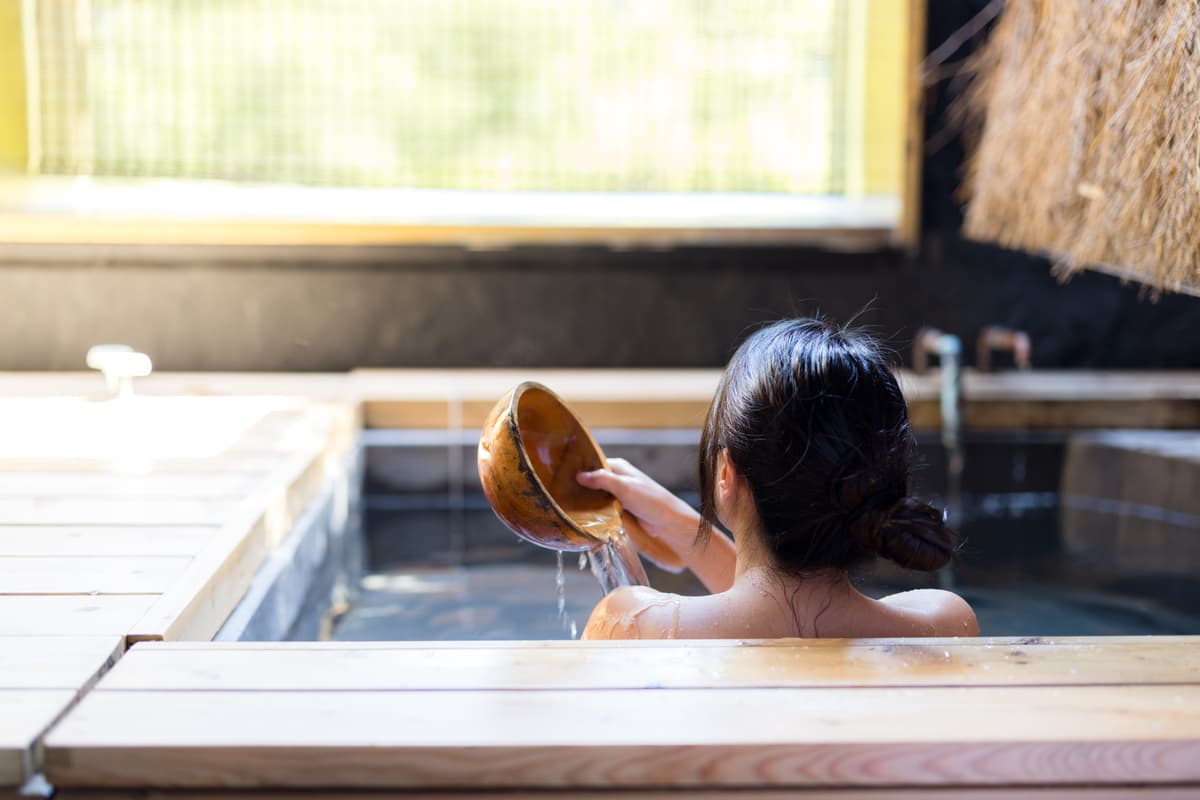
The essential onsen etiquette: wash first, keep towels and hair out of the bath, stay quiet, and check each facility’s rules.
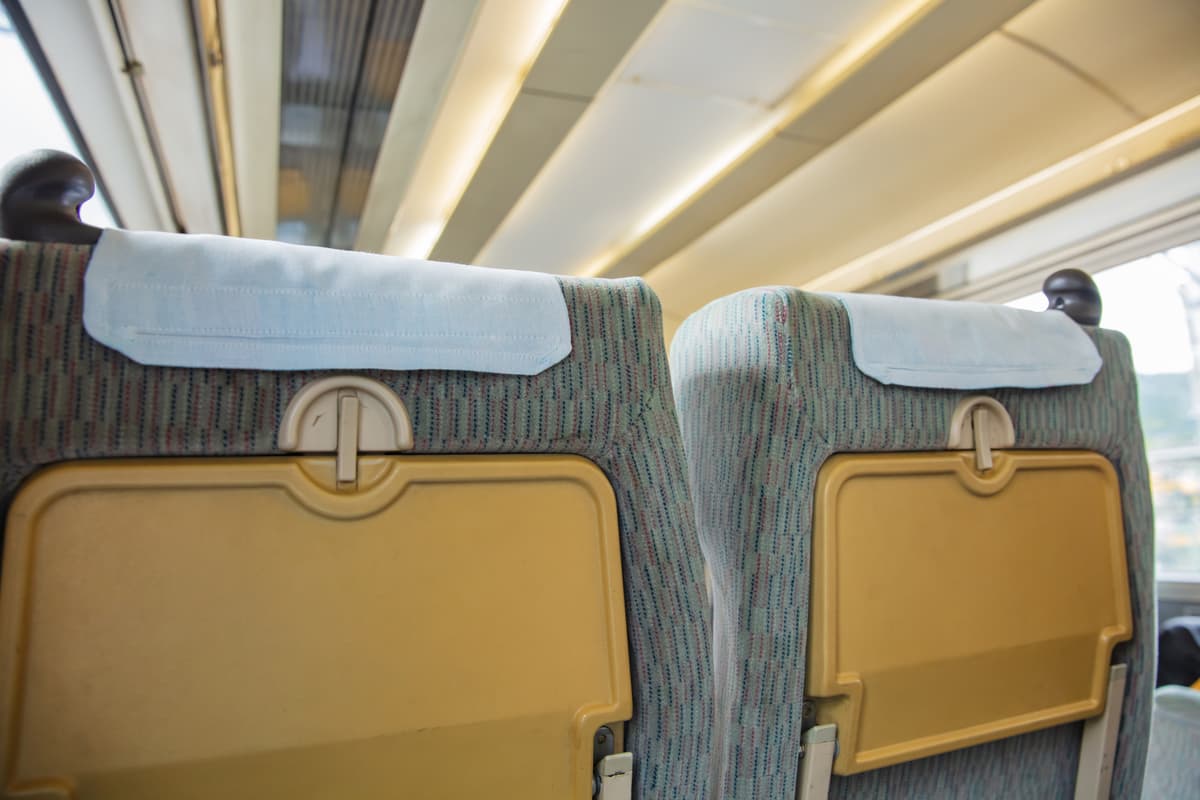
Simple train etiquette for Japan: boarding, bags, calls, priority seats, and the quiet habits that make busy carriages work.
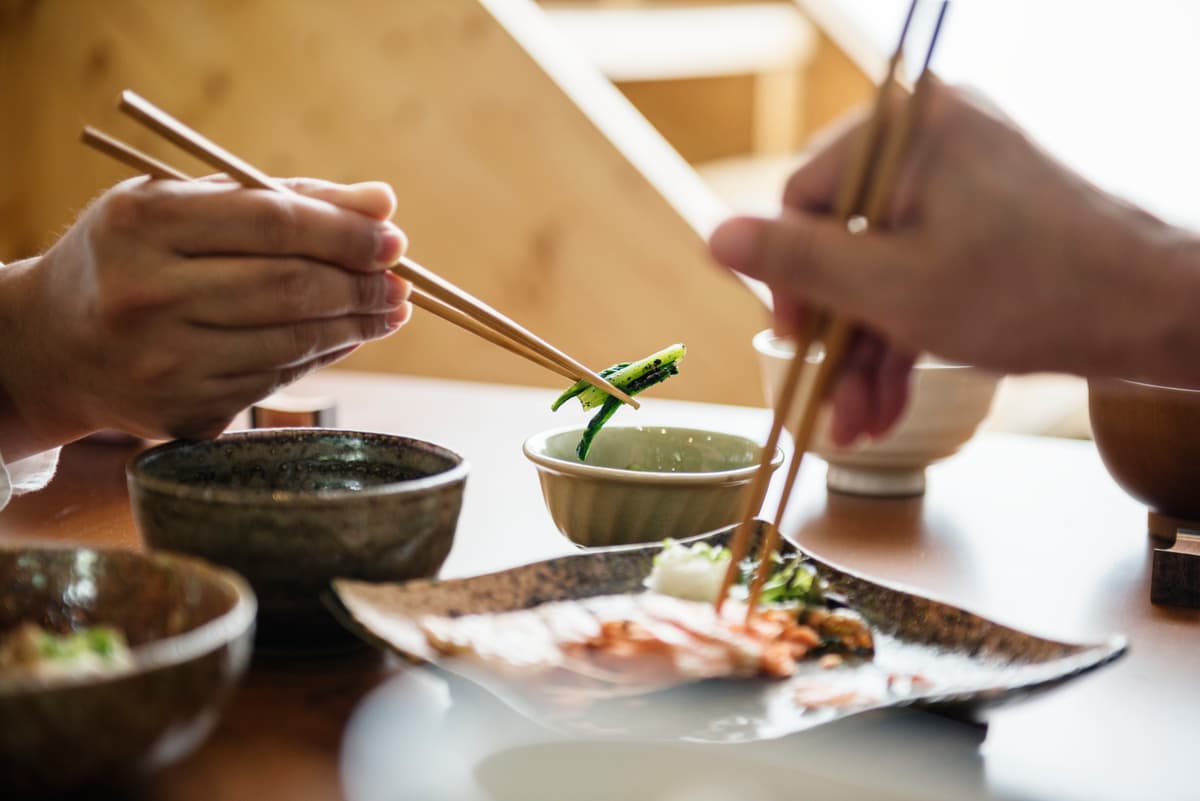
Restaurant etiquette in Japan: queues, ordering, shared plates, payment, leftovers, and the quiet signals that make a small dining room easier.
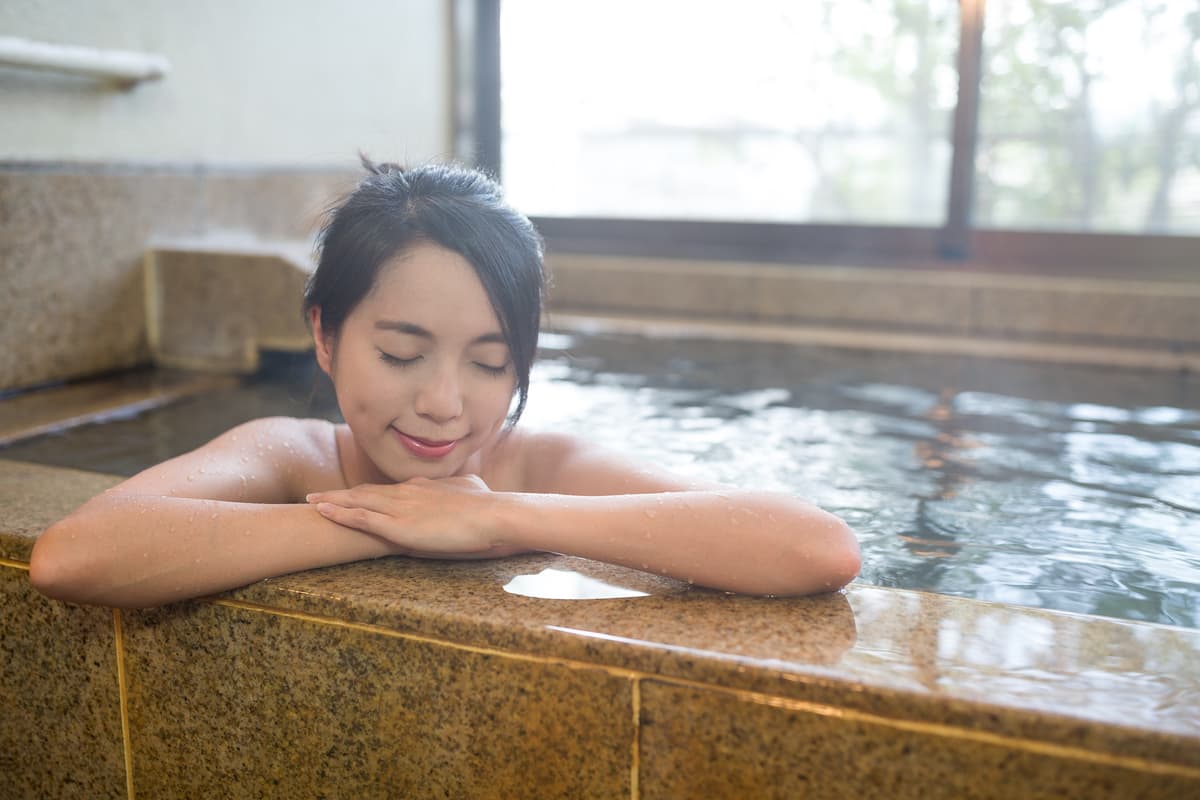
A first onsen guide: choose the right kind of bath, understand the flow, and make your first visit feel calm rather than intimidating.
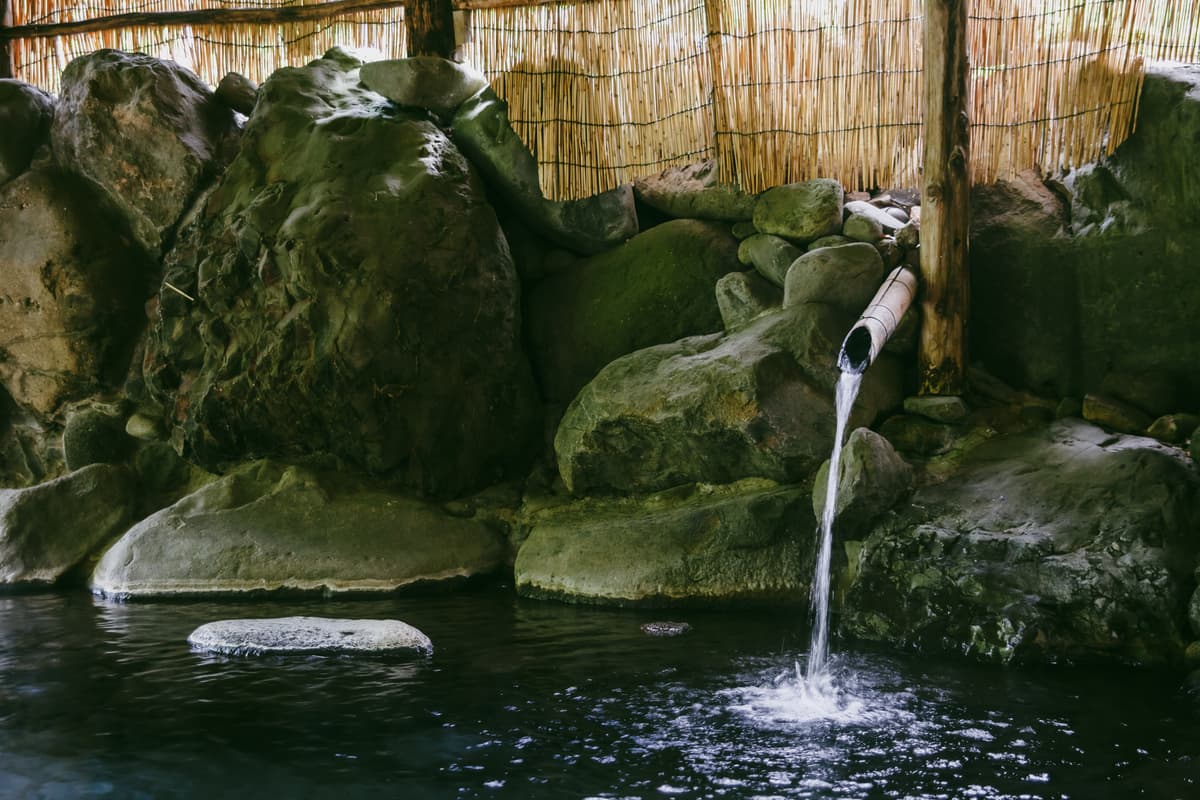
How to find and use an onsen with tattoos: check the venue directly, understand cover rules, and keep private-bath options in reserve.
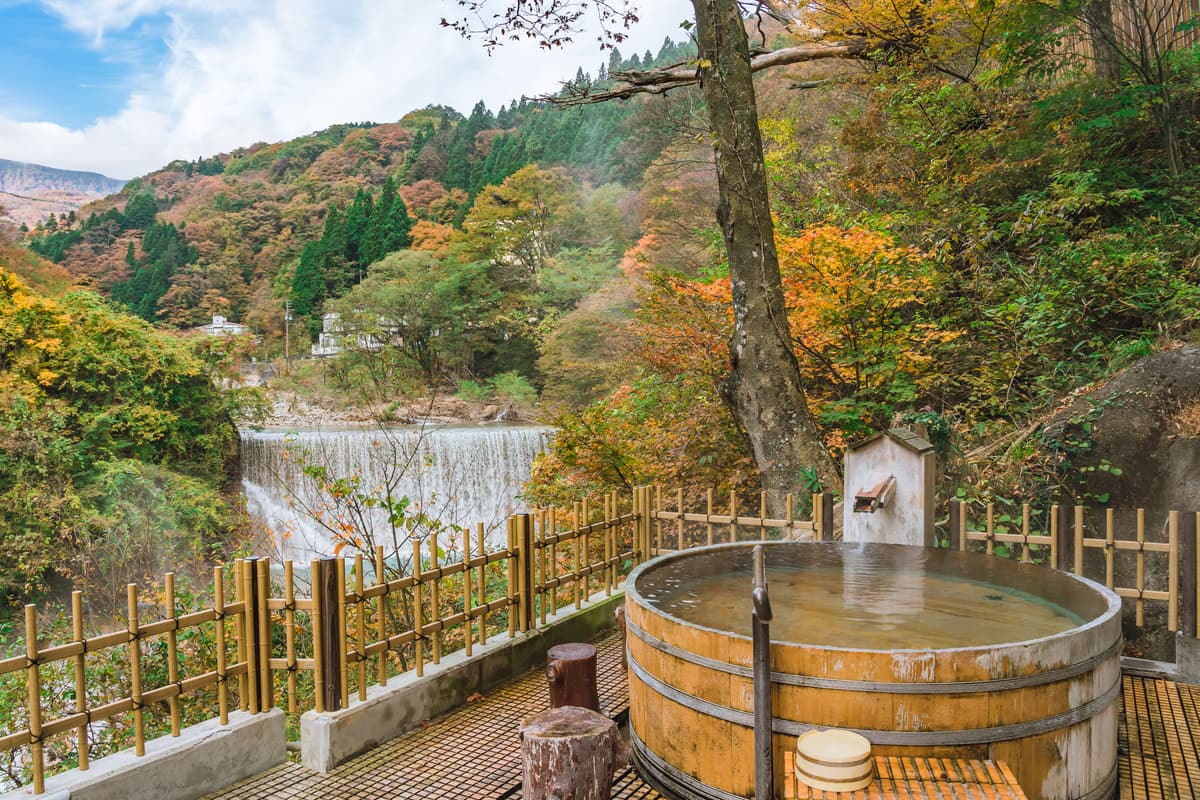
Private onsen and ryokan baths explained: what to book, who they suit, how reservations work, and why privacy changes the experience.
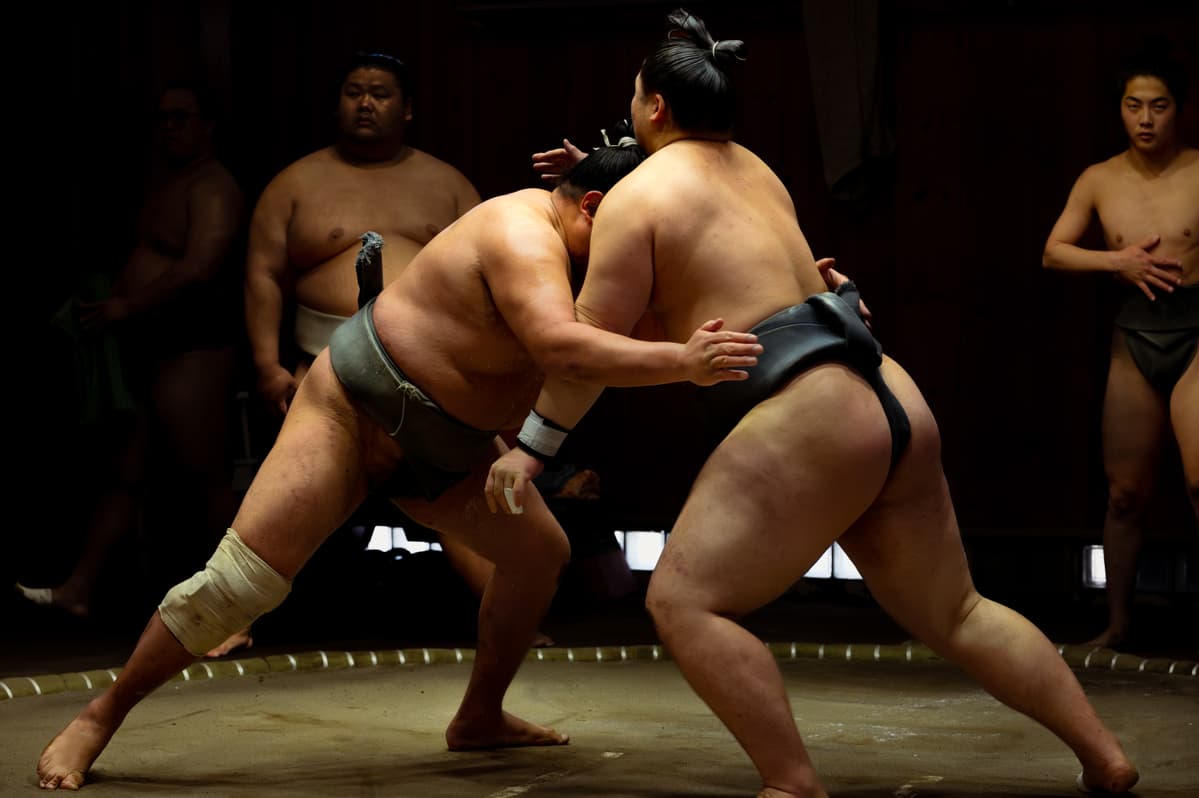
Choose a sumo tournament in Japan, compare chair and box seats, find official tickets and check venue rules before attending.
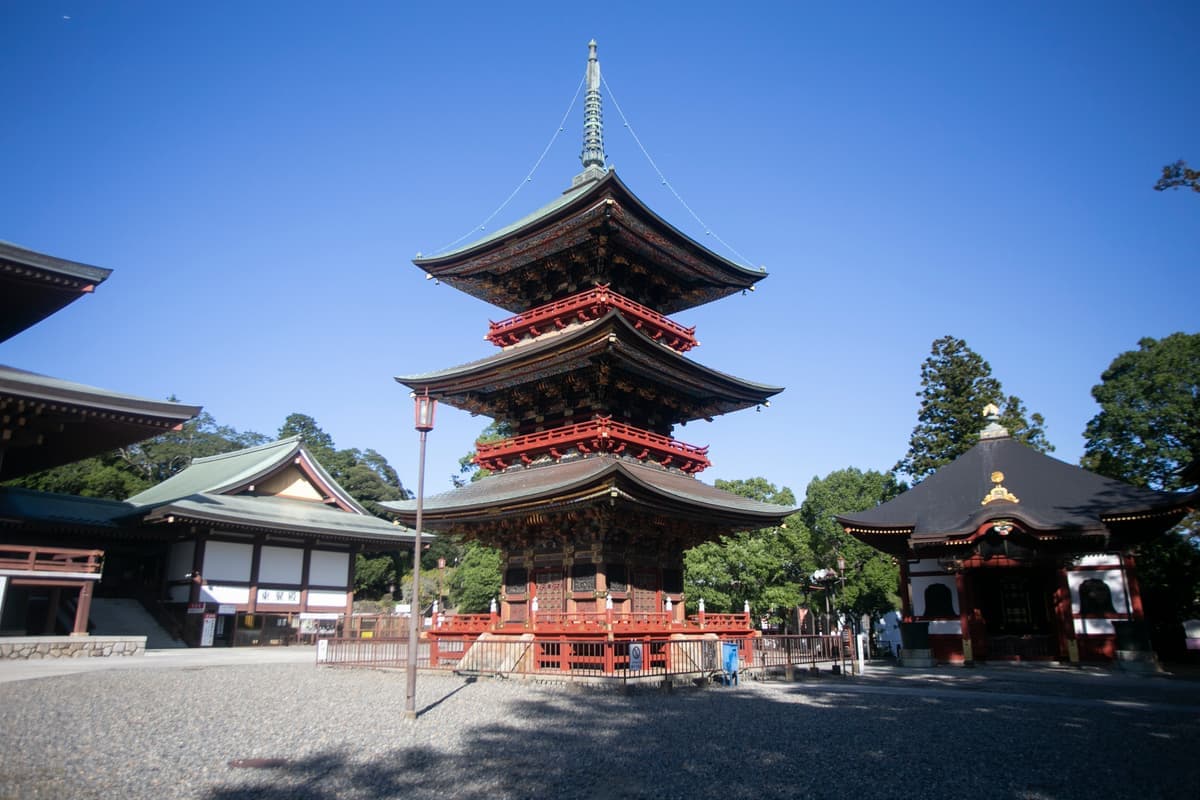
Guida pratica ai goshuin: cosa portare, come richiederne uno con rispetto e perché l'adorazione viene prima della raccolta.
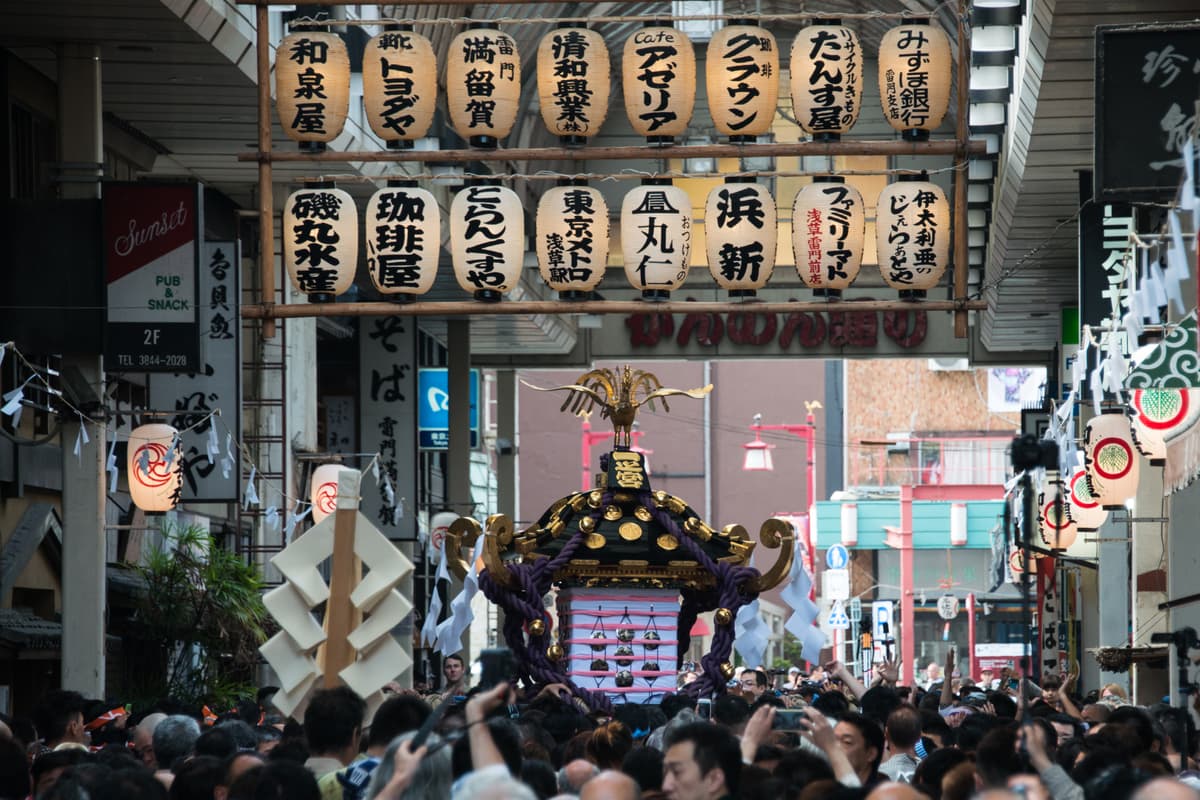
How to enjoy Japanese festivals with current information, realistic crowd planning, and respect for local routes and rules.

How karaoke works in Japan: private rooms, pricing, song queues, and the easy way to enjoy it without needing to sing well.
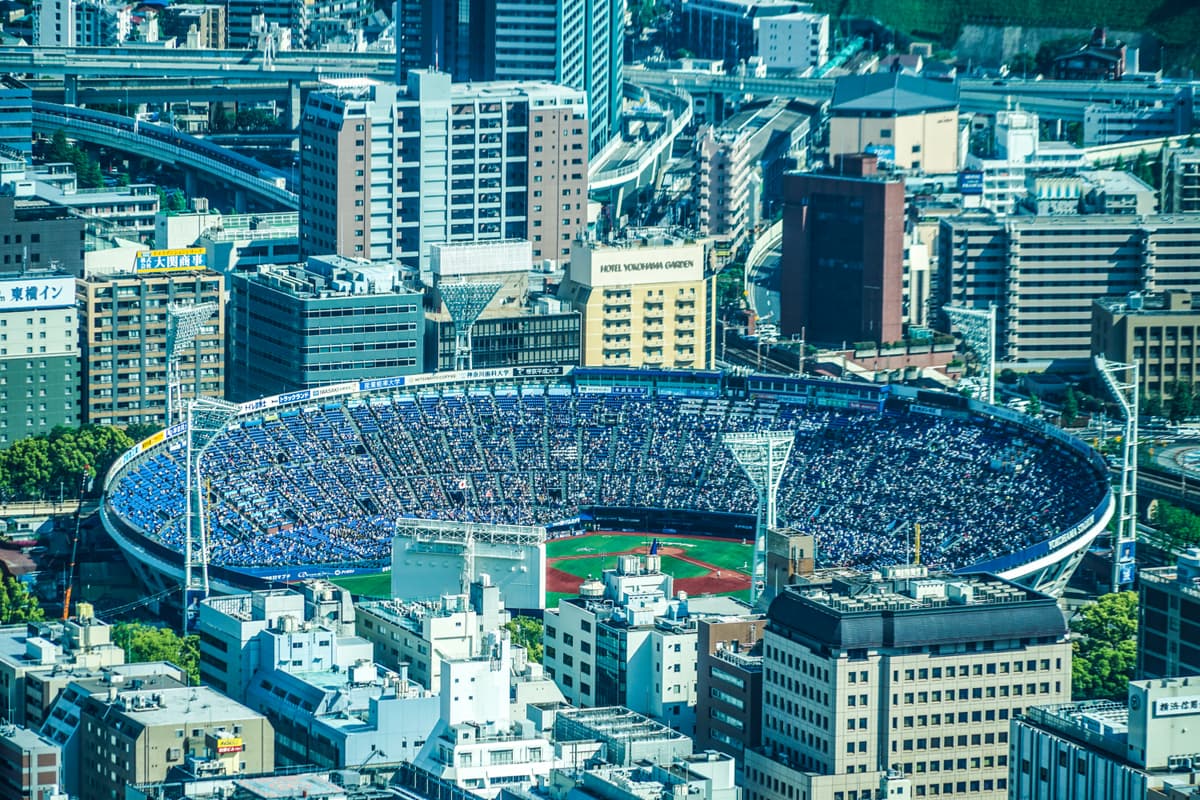
How to watch baseball in Japan: tickets, stadium rhythm, food, cheers, and the practical choices that make a first game easy.
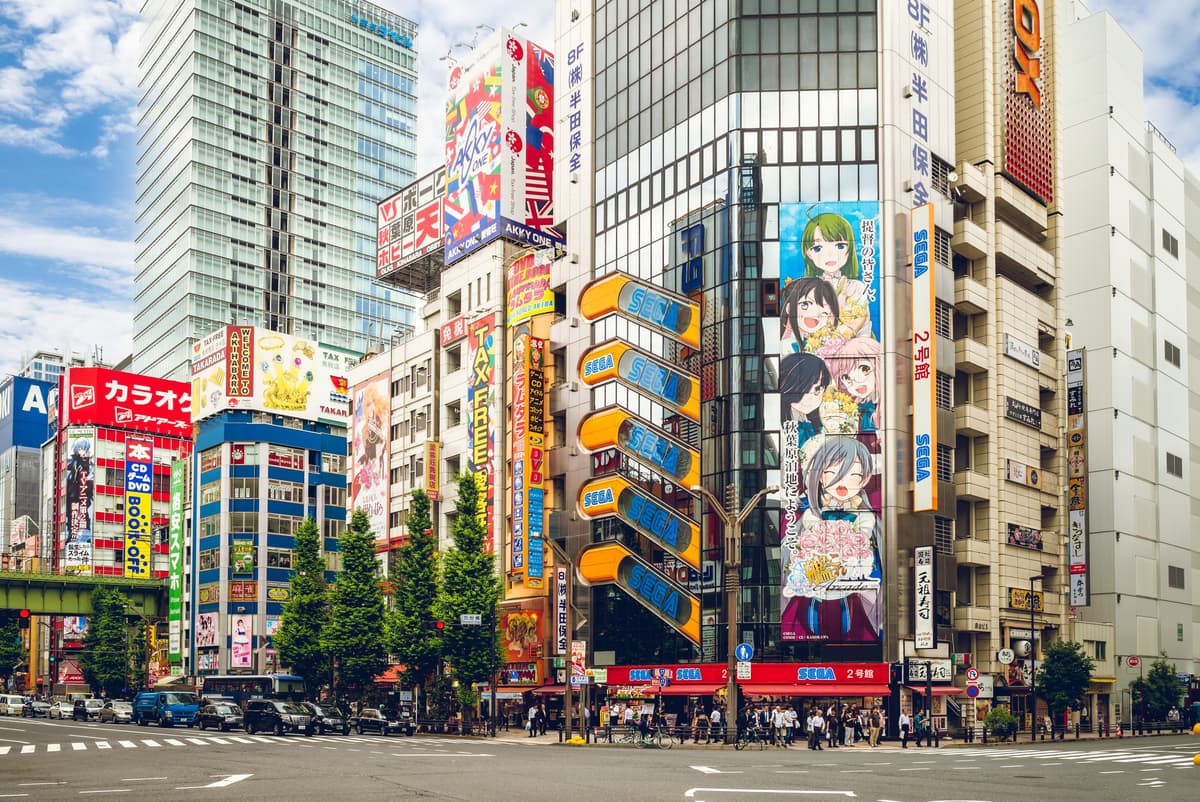
A grounded guide to anime and pop-culture travel in Japan: choose a focus, verify live events, and explore neighbourhoods beyond the checklist.
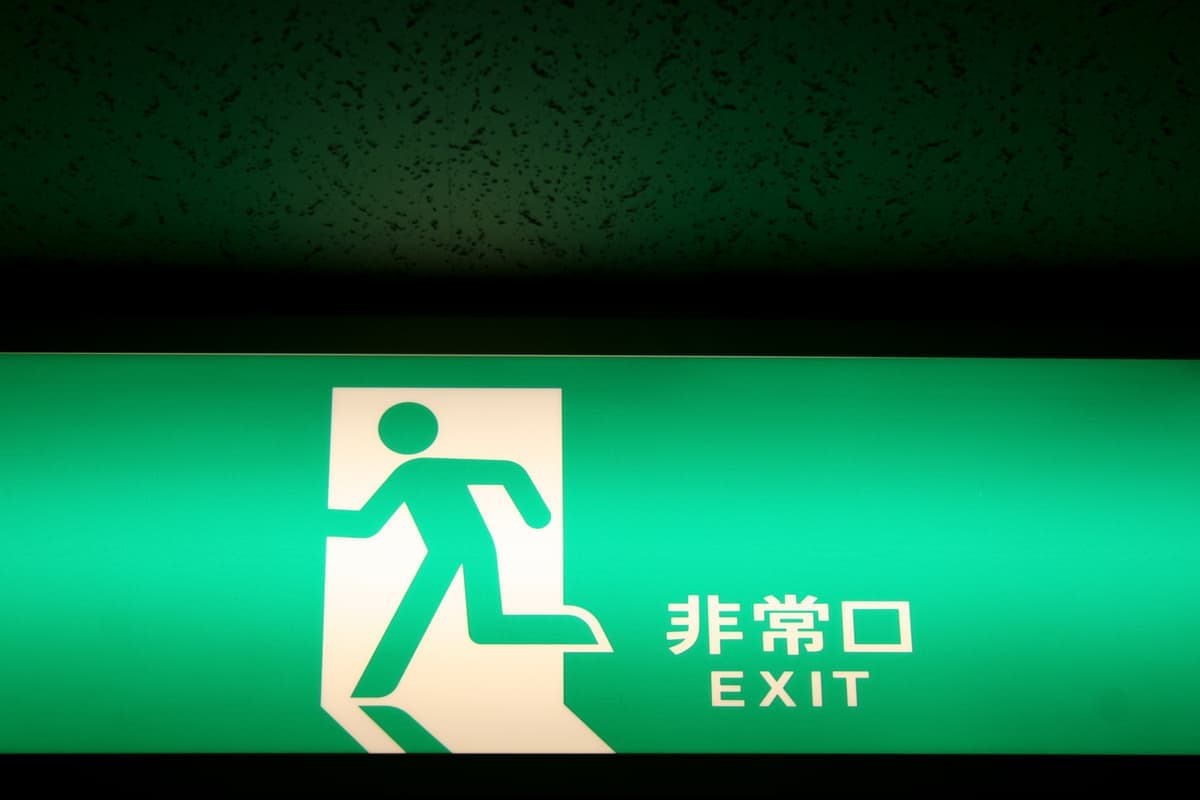
How to prepare for earthquakes and natural hazards in Japan: official alerts, hotel safety, tsunamis, typhoons, and calm practical habits.
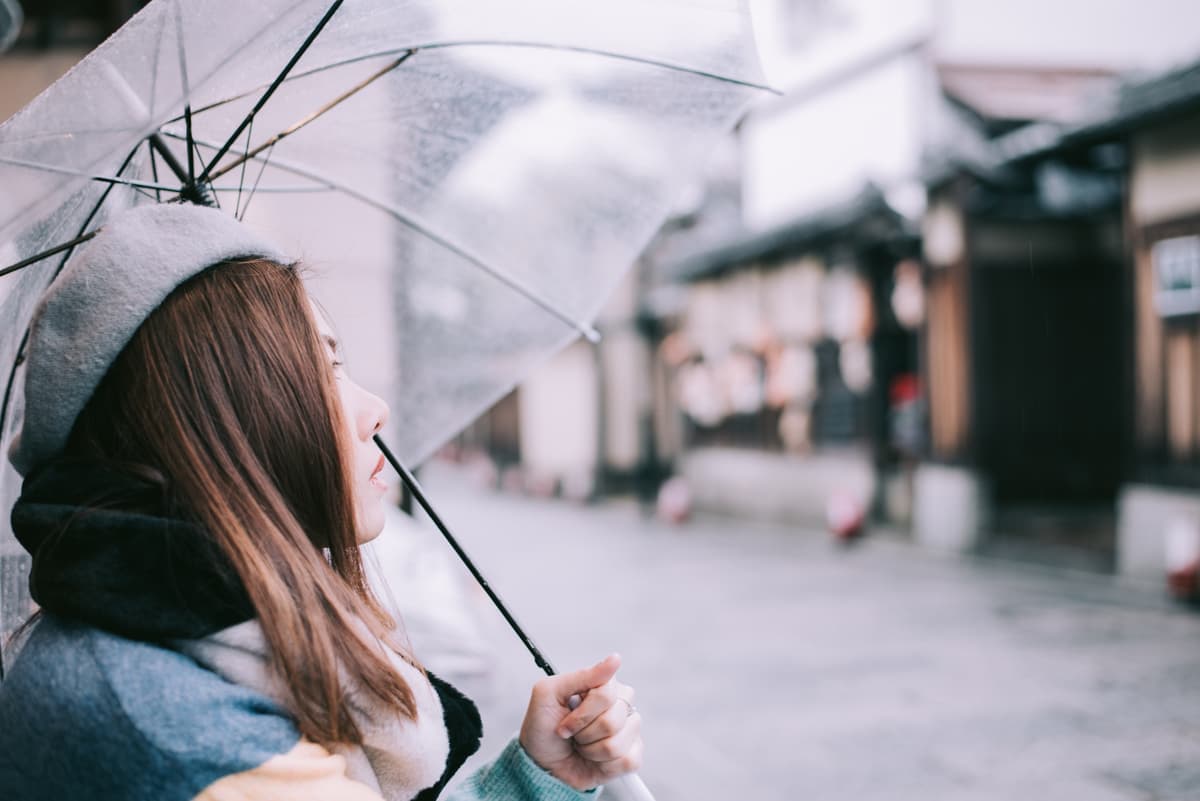
How to travel during typhoon season: official forecasts, flexible transfer days, and the point at which a cancelled plan is the right result.
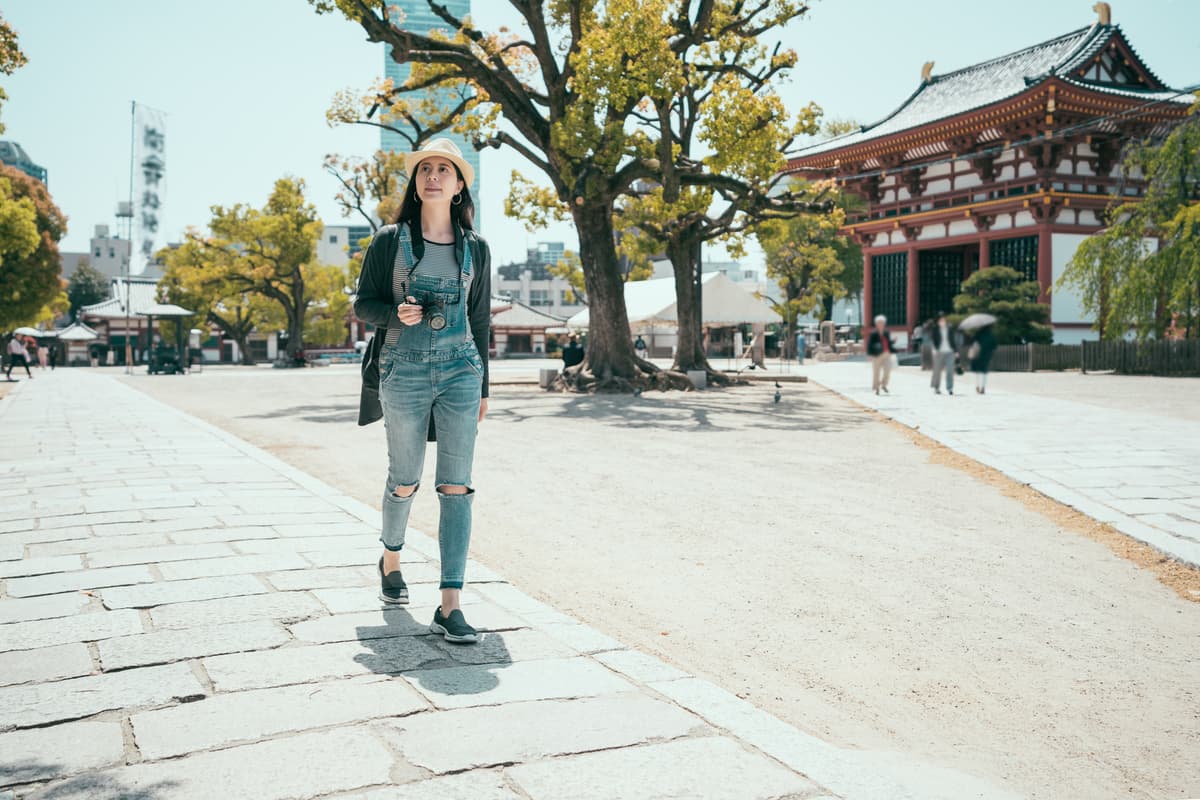
How to travel solo in Japan with confidence: simple bases, comfortable solo meals, normal safety habits, and the freedom to slow down.
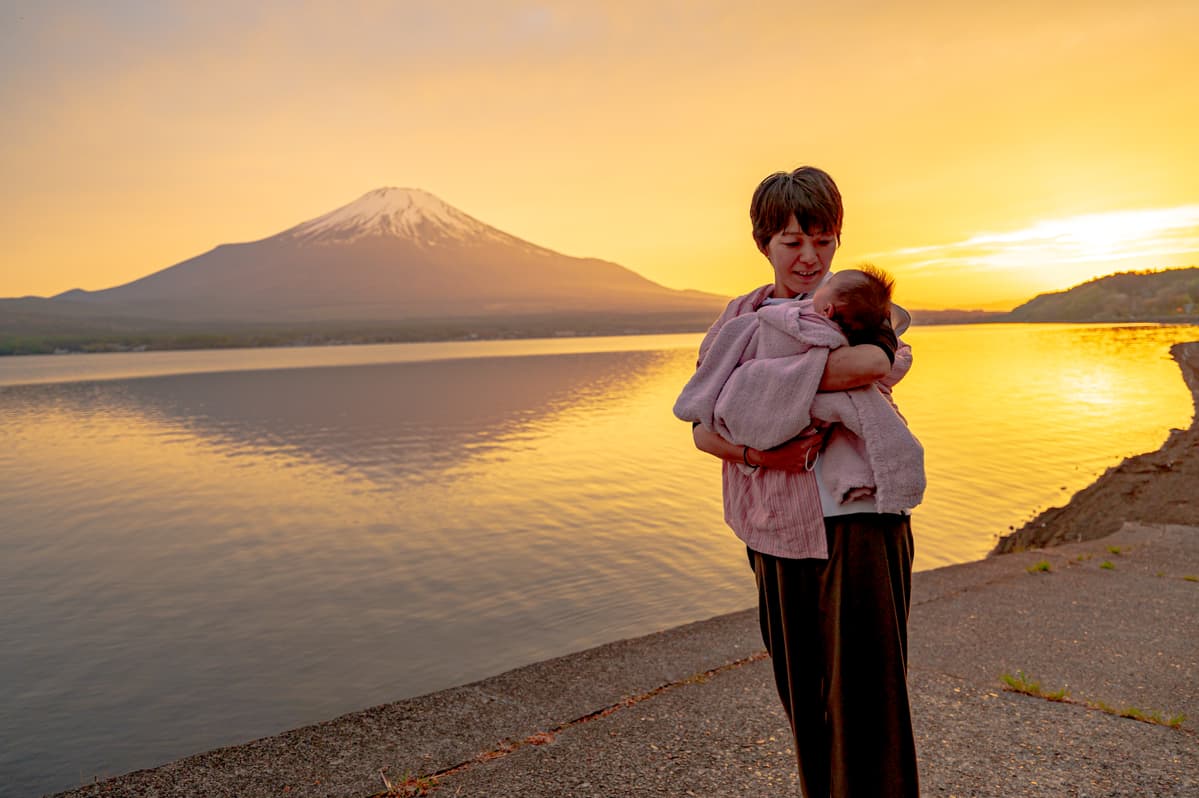
A family guide to Japan: fewer bases, realistic transport, food and rest backups, and an itinerary that works for children.
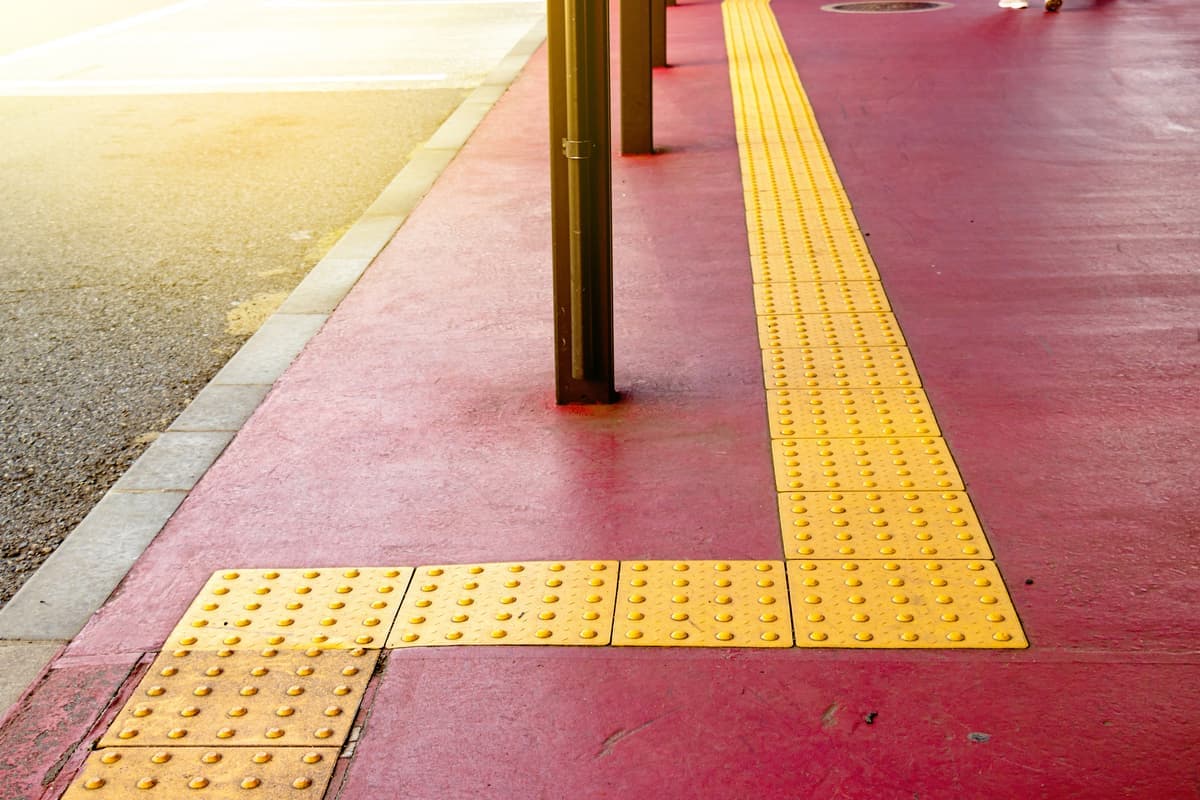
Plan accessible travel in Japan with exact checks for station exits, lifts, hotel rooms, final approaches, and venue support.