Visit on a weekday morning before 10 AM to experience the shrine's moss garden and sub-shrines without the crowds that build up during afternoon hours when tour groups arrive from nearby Tenryū-ji temple.
A colpo d'occhio
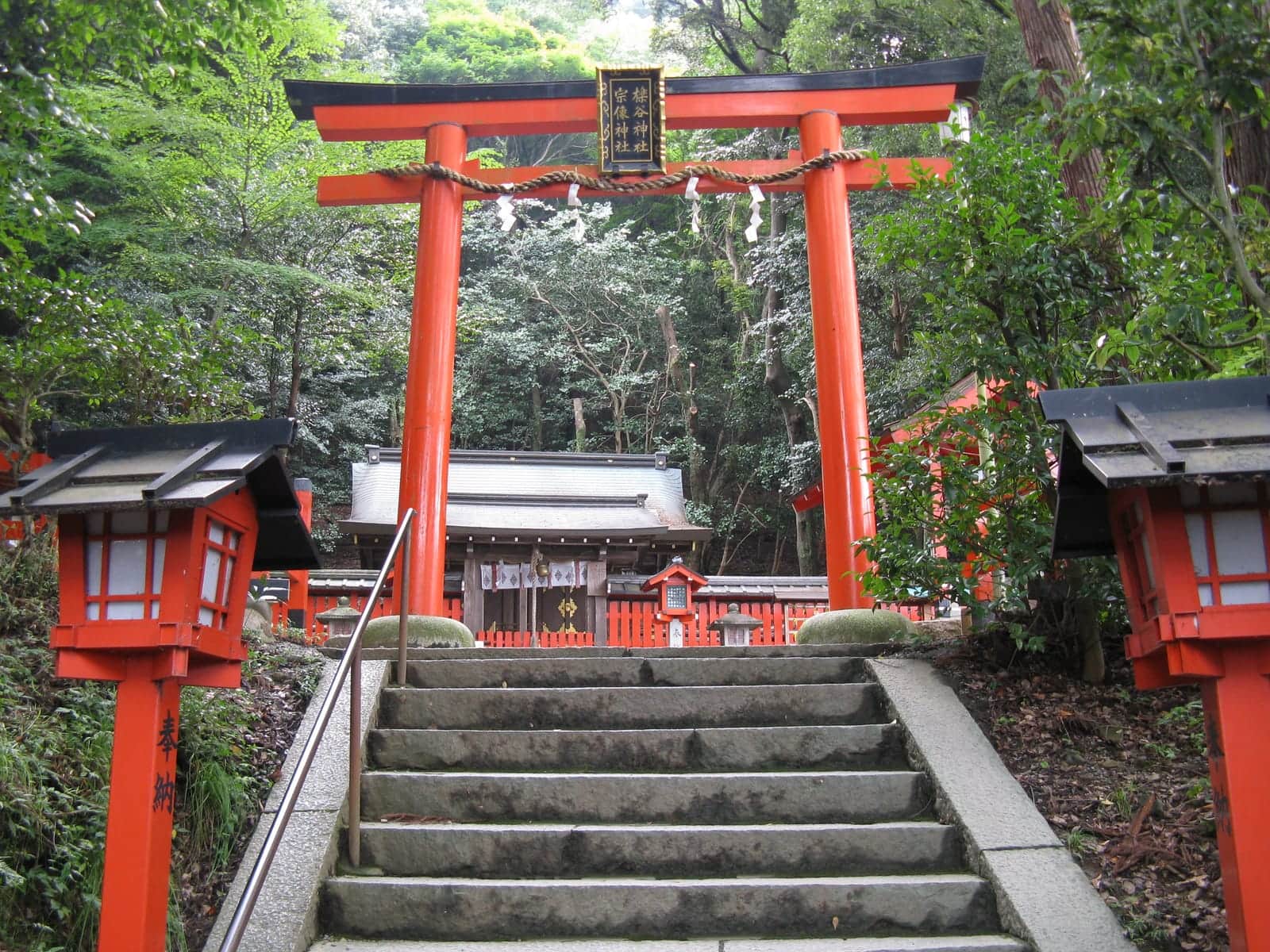
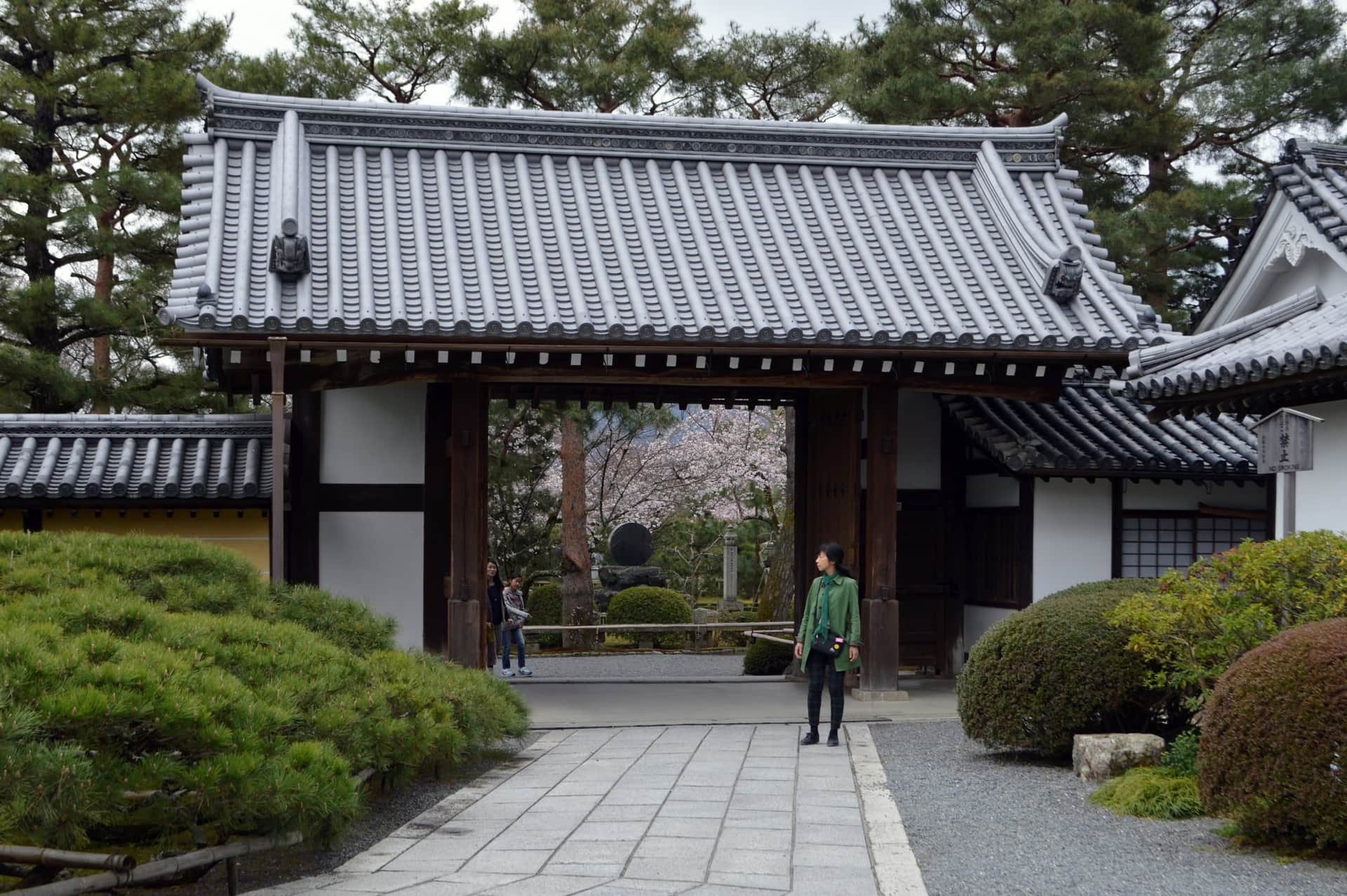
A scene from the Tale of Genji, written in the 11th century, specifically describes this shrine's black torii gate and brushwood fences, making it one of Japan's oldest literary landmarks.
Nonomiya Shrine relocated every time a new emperor took the throne during the Heian period, with each location chosen through divination to purify imperial princesses before they served at Ise Shrine.
Questo santuario offerte 1 diversi modelli Goshuin
Come gli orari di apertura
Regolare
Visit on a weekday morning before 10 AM to experience the shrine's moss garden and sub-shrines without the crowds that build up during afternoon hours when tour groups arrive from nearby Tenryū-ji temple.
Plan to spend 20-30 minutes at the shrine itself, then continue on the Sagano walking path through the bamboo forest to Tenryū-ji or toward the foothills, as Nonomiya works best as part of a larger Arashiyama itinerary rather than a standalone destination.
If you're visiting for matchmaking or childbirth blessings, purchase an ema (wooden votive tablet) and hang it at the appropriate sub-shrine: Daikokuten for marriage or Shirafuku Inari for childbirth and easy labor, as these deities have specific roles in women's life transitions.
Photograph the distinctive black torii gate and brushwood fencing from multiple angles during your visit, as these unbarked timber elements are historically accurate to the Heian period and directly referenced in the Tale of Genji, making them the shrine's most photogenic features.
Gli spiriti divini veneravano in questo luogo sacro
Celebrazioni stagionali e occasioni speciali

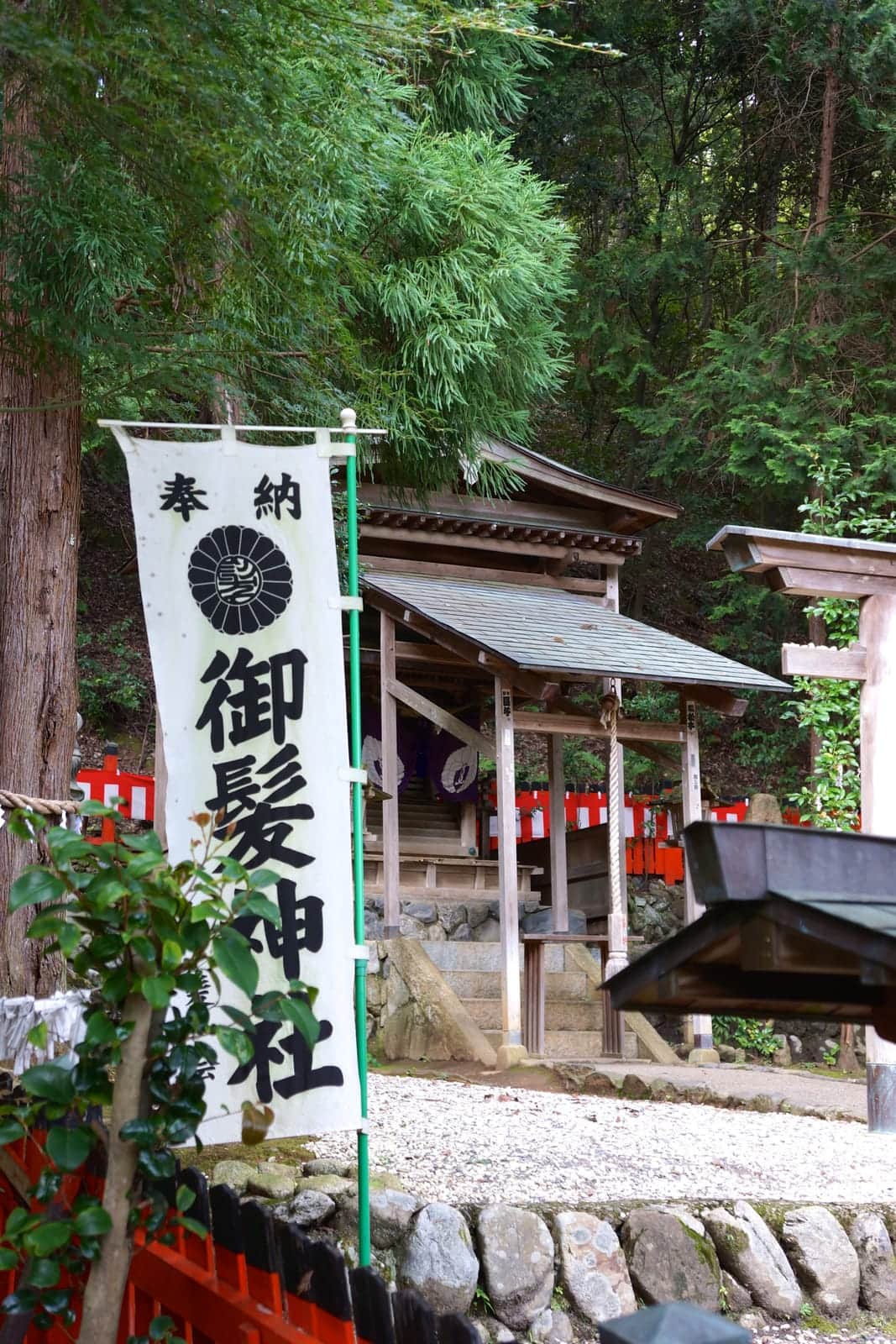
Altre pagine utili collegate a questo luogo.
Entro 300 m Entro 600 m
Il noleggio richiede l'app dell'operatore e un numero di telefono giapponese. I pass giornalieri docomo sono in vendita nei convenience store. Fonti dei dati
Ukyo, Kyoto Prefettura
Ciò che si crede questo luogo possa concedere
5 post recenti
3.5
2 recensioni
È possibile raggiungere Nonomiya Shrine camminando circa 15 minuti attraverso il bosco di bambù di Arashiyama, quindi si inserisce naturalmente in una tappa turistica lì. È spesso affollato, soprattutto con visitatori stranieri, quindi se desiderate una visita più tranquilla, evitate i periodi di punta.
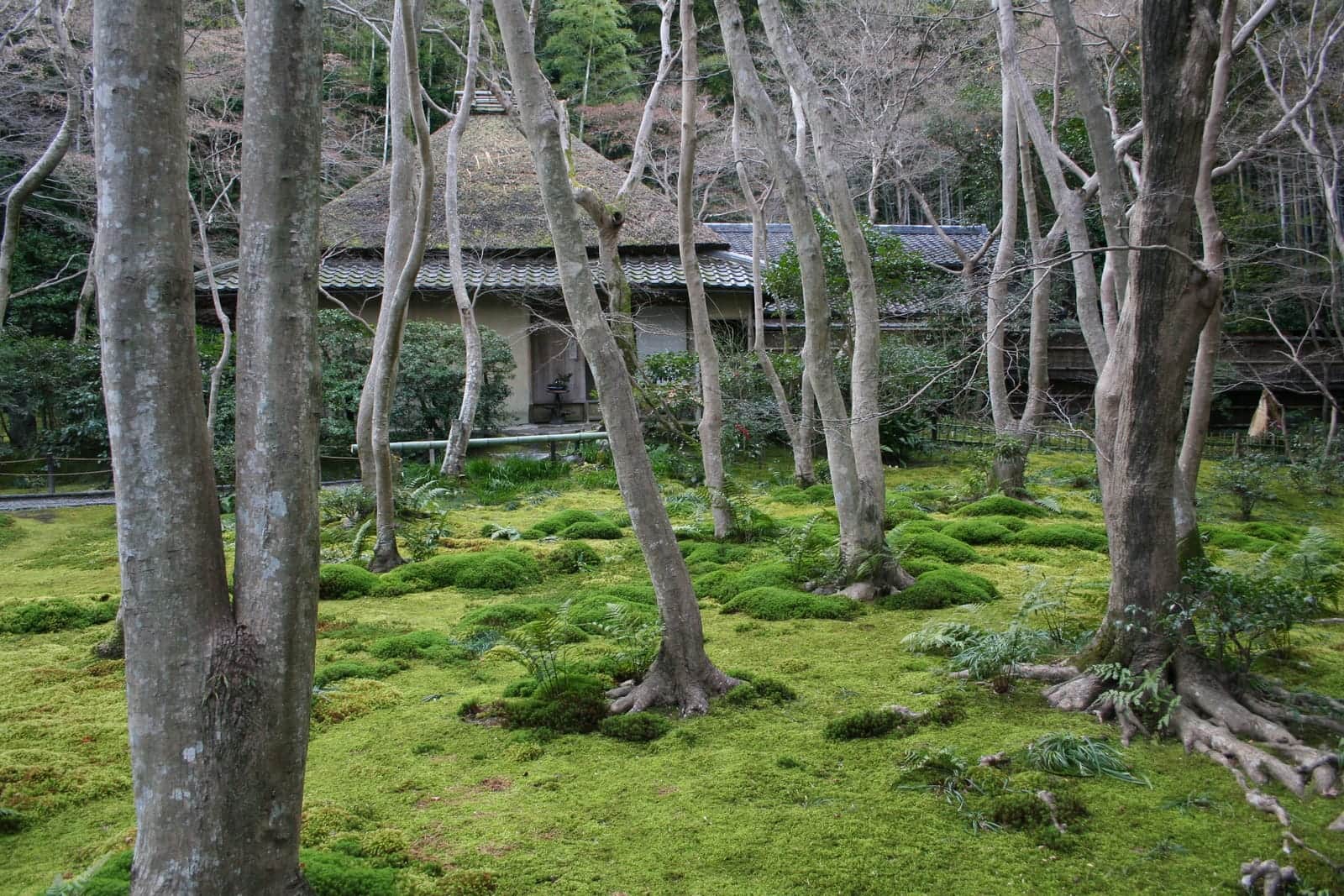
Il santuario è conosciuto per gli incontri amorosi e per le preghiere legate alla gravidanza e al parto sicuro. I visitatori comunemente si fermano al torii di legno nero, alla piccola recinzione e alla pietra sacra, che la gente tocca delicatamente mentre esprime un desiderio. Il terreno è compatto e tranquillo, con bambù e muschio che gli conferiscono un'atmosfera distinta e caratteristica della vecchia Kyoto.