
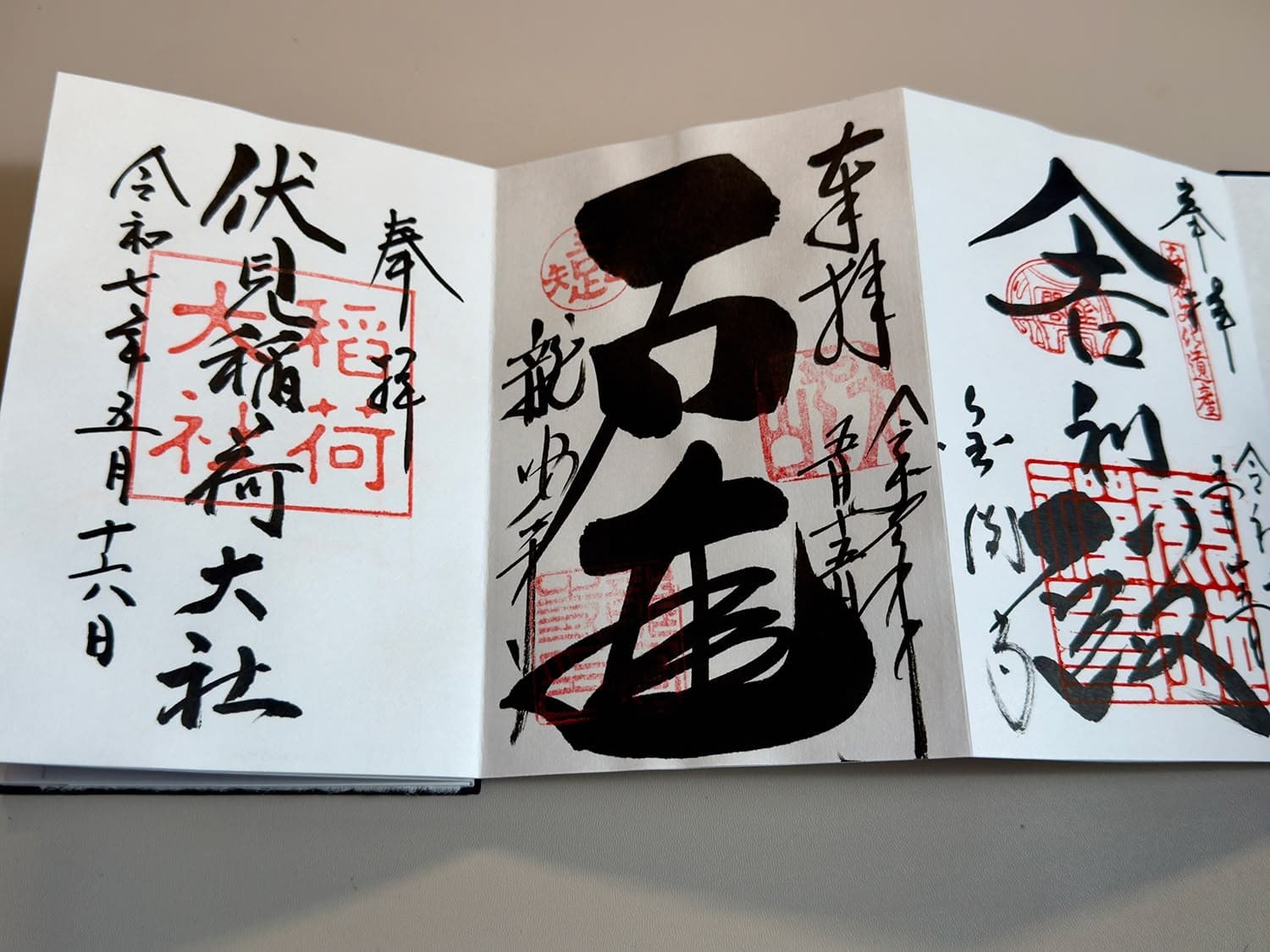
Primo Goshuin
Scopri come funzionano le visite ai goshuin, quindi segui un facile percorso di un giorno attraverso templi e santuari adatti ai principianti con un ritmo semplice.
- 1 giorno
- 4 tappe
- Tokyo
Informazioni sul viaggio
Un percorso pratico per la prima raccolta di goshuin con semplici regole di etichetta, accesso facile e banchi affidabili dei templi/santuari.
Itinerario giorno per giorno
Primo Giorno di Pratica del Goshuin
- 4 tappe
- circa 270 min incluse le visite
Meiji Jingu
ShibuyaMeiji Jingu Ogni anno, più di tre milioni di persone attraversano lo stesso imponente portale di legno solo nei primi giorni di gennaio, rendendo questo singolo sito sacro il luogo di culto più visitato in tutto il Giappone durante il periodo del Capodanno. Quel portale, il grande torii all'ingresso meridionale di Meiji Jingu, si erge da un corridoio boschivo nel cuore di Shibuya, Tokyo, e nel momento in cui ci si passa sotto, la città semplicemente scompare. Fondamenti Storici La storia di Meiji Jingu inizia con una morte e una domanda. Quando l'Imperatore Meiji morì il 30 luglio 1912, il Giappone non aveva un quadro giuridico chiaro su cosa dovesse seguire. Egli aveva presieduto una delle più drammatiche trasformazioni nazionali della storia moderna, guidando il Giappone da una società feudale e isolata a una potenza industrializzata durante la Restaurazione Meiji. Nato nel 1852, salì al trono nel 1867 proprio nel punto di svolta di quella trasformazione. Al momento della sua morte, il Giappone aveva una costituzione moderna, un governo parlamentare, una rete ferroviaria nazionale e un esercito che aveva sconfitto sia la Cina che la Russia. La domanda posta dalla sua morte non era meramente cerimoniale. Era: come onora una nazione un uomo che l'ha ricostruita? Nel giro di poche settimane, figure prominenti tra cui l'industriale Shibusawa Eiichi e il Sindaco di Tokyo Sakatani Yoshiro avevano formato un comitato e pubblicato un memorandum formale che delineava una visione: un santuario con un recinto interno finanziato dallo stato e un recinto esterno finanziato da donazioni pubbliche. Il sito che identificarono era la Tenuta Imperiale di Yoyogi, un terreno di 73 ettari nell'ovest di Tokyo che in precedenza era servito come residenza privata del clan Kato del dominio Higo nel primo periodo Edo, poi come tenuta inferiore del clan Ii del dominio Hikone dal 1640, prima di essere acquistato dal governo Meiji nel 1874. La Dieta Imperiale approvò formalmente il progetto, e il 1° maggio 1915, la creazione di Meiji Jingu fu ufficialmente annunciata. La costruzione iniziò sotto la direzione dell'architetto Ito Chuta nel tradizionale stile nagare-zukuri, utilizzando principalmente cipresso giapponese e rame. Le principali travi strutturali provenivano da Kiso nella Prefettura di Nagano e da Alishan a Taiwan, allora territorio giapponese, con materiali provenienti da ogni prefettura dell'impero, inclusi Karafuto, Corea e Kwantung. La costruzione fu un'impresa genuinamente nazionale: gruppi giovanili e associazioni civiche di tutto il Giappone contribuirono con lavoro e finanziamenti, e 100.000 alberi furono donati da cittadini di ogni regione del paese e piantati a partire dal 1916. Il santuario fu formalmente consacrato il 3 novembre 1920, compleanno dell'Imperatore Meiji, e i suoi terreni furono completamente terminati entro il 1926. Il volume interno originale del complesso del santuario era di 650 tsubo. Il costo totale stimato della costruzione fu di 5.219.000 yen in termini del 1920, all'incirca equivalenti a 26 milioni di dollari statunitensi odierni, anche se questa cifra rappresentava solo circa un quarto del valore effettivo perché così tanto materiale e lavoro furono donati. Fino al 1946, Meiji Jingu deteneva
Visita stimata · 90 min24 hanno visitato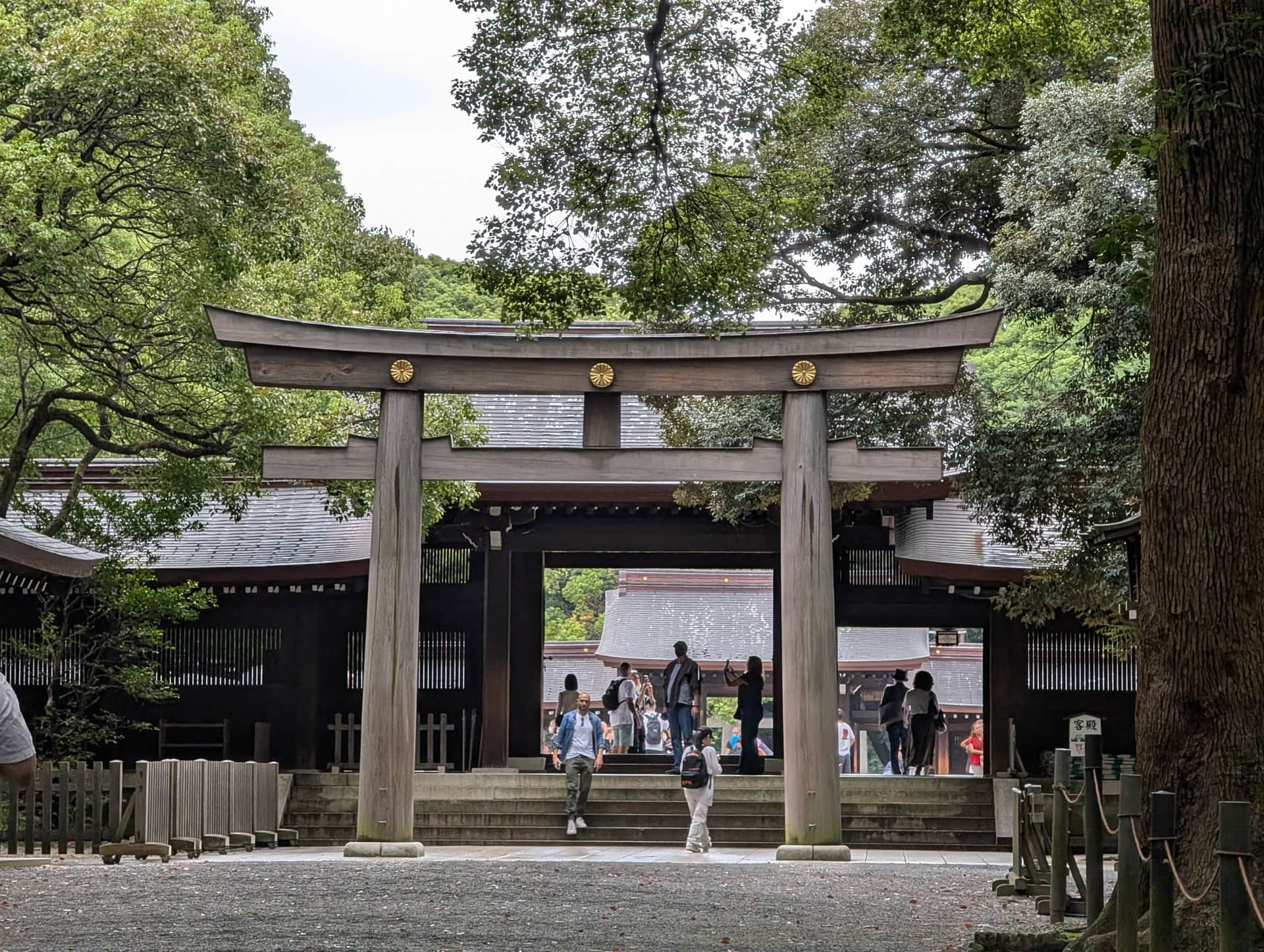
- Spostamento
circa 20 min
Yushima Tenmangu
BunkyoYushima Tenmangu (湯島天満宮) è un santuario shintoista situato nella città di Bunkyo, Tokyo. Immerso in un quartiere urbano, funge da luogo locale di culto shintoista e da utile tappa culturale per i visitatori che esplorano i santuari comunitari della zona e il paesaggio religioso quotidiano.
Visita stimata · 45 min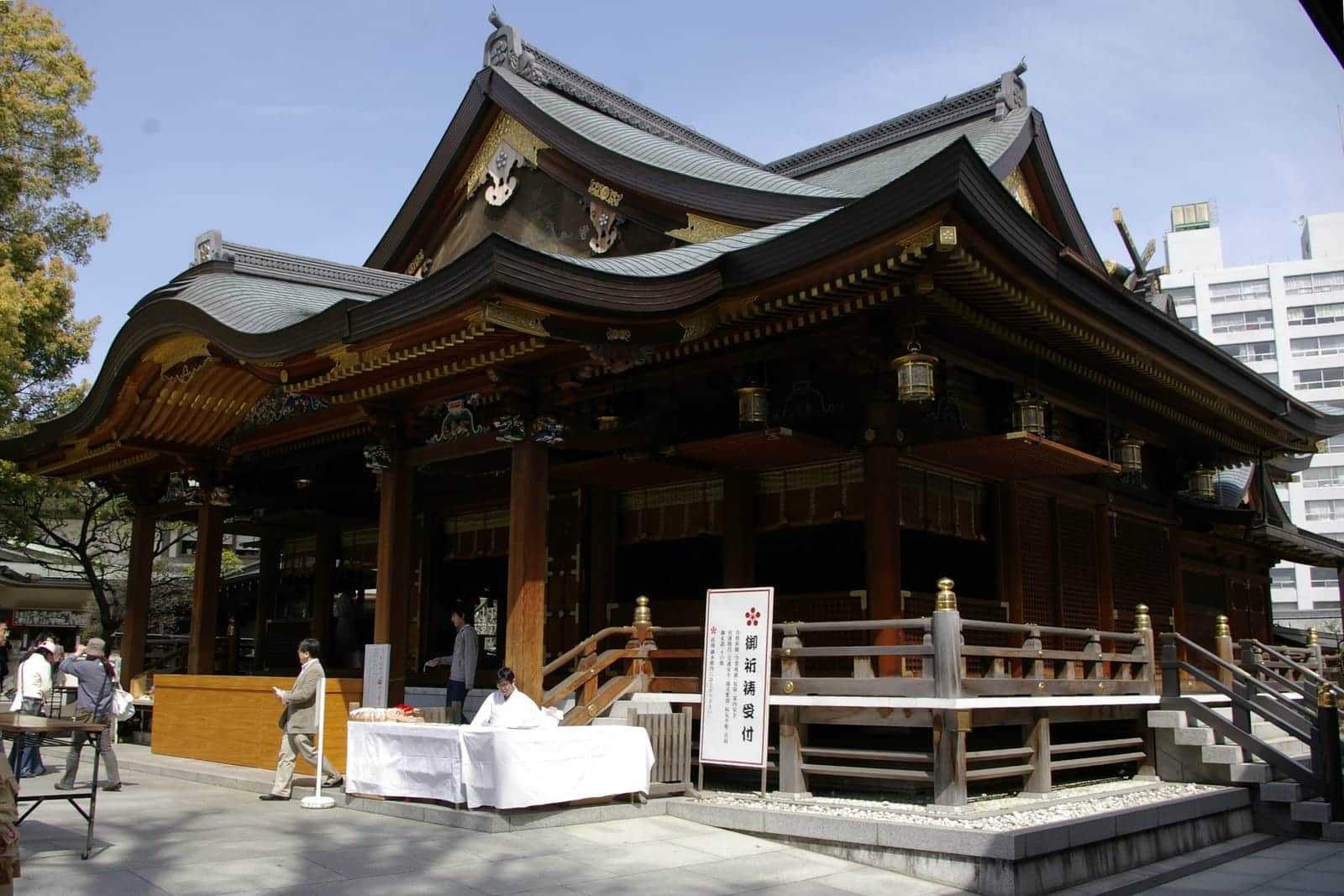
Senso-ji
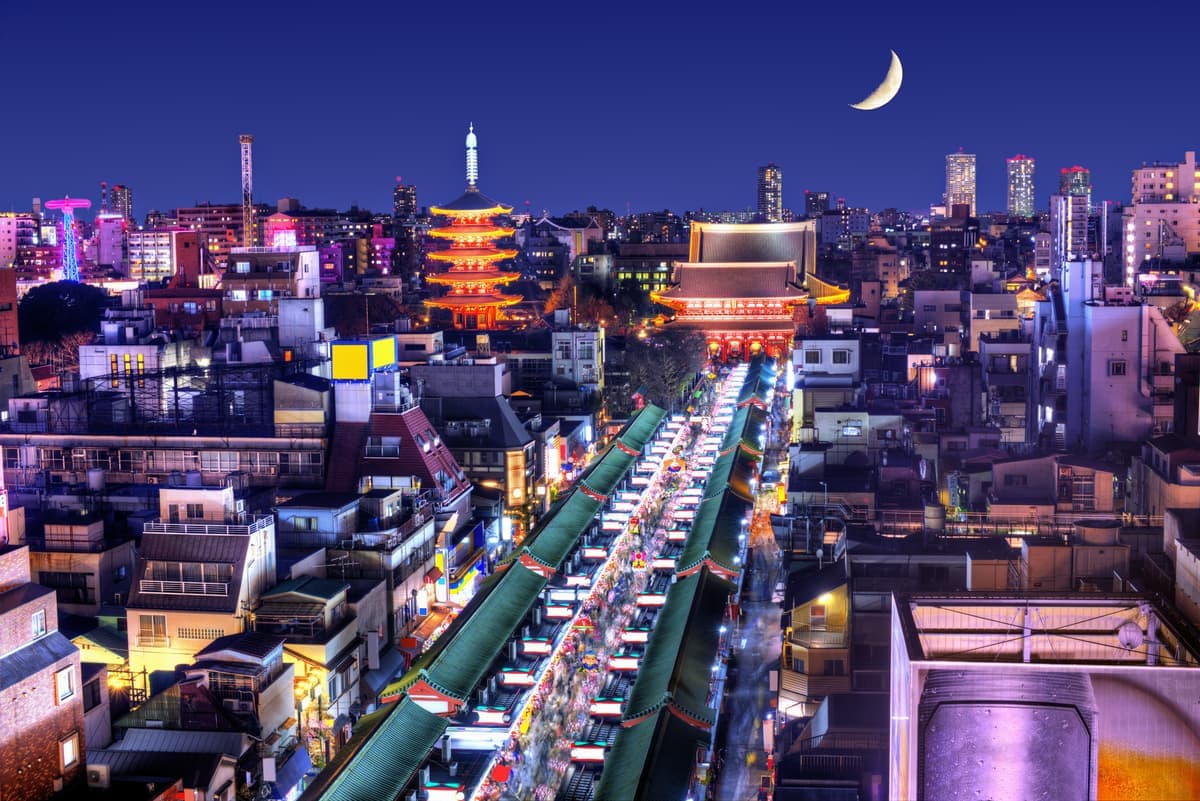
TaitoThe first thing that grips you at Sensō-ji is the sense that this place has never been merely a monument. It is a living center of devotion, crowded with pilgrims, day-trippers, and local worshippers, yet still anchored by a single hidden image of Kannon, the bodhisattva of compassion. Founded in 628, and known formally as Kinryū-zan Sensō-ji, this is Tokyo’s oldest temple and one of Japan’s most visited sacred sites, drawing more than 30 million visitors a year. The temple’s heart is famously unseen, because the principal image has been kept out of public view for centuries. That mixture of revelation and concealment, ritual and street life, gives the whole precinct its unforgettable character. Historical Foundations The temple’s origin story is one of the best-known in Japan. According to tradition, on the morning of March 18, 628, two fishermen, Hinokuma Hamanari and his brother Takenari, were fishing in the Sumida River when they found a small statue in their net. Their village headman, Haji no Nakatomo, recognized the figure as Avalokitesvara Bodhisattva, called in Japan Kannon or Sho Kanzeon Bosatsu, and devoted himself to Buddhist practice. He converted his home into a temple and spent the rest of his life in worship and memorial services. In 645, the priest Shokai arrived in the area and built a hall for the image. After receiving a revelation in a dream, he decided to conceal the statue from view. Since then, the sacred image has remained hibutsu, never publicly unveiled. That hidden status is one of the great defining features of Sensō-ji. In the mid-ninth century, the renowned Tendai priest Ennin visited and created a replica image, also associated with the temple’s devotional life, so that something could be shown occasionally to the public. Through the Kamakura period (1185 to 1333), the temple attracted the devotion of shoguns, military leaders, and literati. Its status rose again in 1590, when Tokugawa Ieyasu, the first Tokugawa shogun, designated it as the temple for shogunal prayers. During the Edo period (1603 to 1867), successive shoguns visited, and devotion to Kannon spread widely among common people. As Edo grew into one of the world’s largest cities, Asakusa developed into a major cultural center, later associated with theater, film, music, and vaudeville in the modern era. The temple was devastated in the 10 March 1945 firebombing of Tokyo during World War II. The main hall was rebuilt in the 1950s, specifically 1958, using donations from supporters across Japan. After the war, in 1950, Sensō-ji became independent, having previously been associated with the Tendai school. That sequence, destruction followed by rebuilding, is central to the way people understand the temple today, as both an old sanctuary and a place that was restored by collective faith. Architectural Mastery Sensō-ji’s precinct is defined by a procession of gates and halls that shape the visitor’s experience from the first step. The best-known entrance is Kaminarimon Gate, often translated as the Thunder Gate, whose massive red lantern has become one of Tokyo’s most recognizable images. Passing through it, visitors enter Nakamise-dōri, the approach street lined with shops selling traditional snacks, souvenirs, and crafts. The street is not an incidental extra. It is part of the temple’s ritual atmosphere, extending the transition from ordinary city life into sacred space. Beyond Nakamise lies Hōzōmon Gate, commonly called the Nio-mon Gate, and also Niten-mon Gate, both important architectural markers within the grounds. The complex also includes the striking five-story pagoda, one of the temple’s best-known landmarks. Nearby are Bentendo Hall, Awashimado Hall, Yogodo Hall, and the Main Hall, or Kannon-do. The main hall’s roof is especially notable: it rises in a dramatic slope, taller and more emphatic than what many visitors expect of a temple building. The structure is divided into the naijin or inner sanctuary and the gejin or outer sanctuary, and the principal image rests in a miniature temple inside the inner space. That small inner shrine, locked and protected, reinforces the paradox at the center of the site, public worship around an image that remains unseen. One of the temple’s most important surviving treasures is Denboin and its garden, designated a National Scenic Beauty Site. The grounds are not only built space but carefully composed landscape, where the architecture and garden together guide movement, pause, and contemplation. In the Main Hall, there are also two calligraphic masterpieces by Noguchi Sekko, one of the Three Best Calligraphers of the Edo Period, with texts quoting Hanjusan by Shan-tao of the Pure Land tradition. Even in calligraphy, the temple’s message is one of compassion and equal regard for all beings. Religious & Cultural Significance The temple is dedicated to Kannon, the bodhisattva of mercy and compassion, who responds to suffering with boundless benevolence. In Japanese Buddhism, Kannon appears in multiple forms, including Juichimen with 11 faces, Senju with 1,000 hands, and Nyoirin, associated with the wish-granting jewel and the Dharma wheel. Sensō-ji’s principal image embodies the basic form, one face and two hands, but the theology around it extends far beyond a single icon. This is also an active pilgrimage site. Sensō-ji is the 13th stop on the Bandō Sanjūsankasho pilgrimage route, and it receives worshippers from across Japan and beyond. The temple’s own materials state that it draws around 30 million visitors each year, making it one of the most frequented religious sites in the world. Devotion here is visible in simple gestures, especially the prayer taught to visitors at the main hall: place your hands together and chant “Namu Kanzeon Bosatsu”, meaning “I place my trust in Bodhisattva Kannon.” Several auxiliary halls deepen the temple’s devotional life. Yogodo Hall houses eight Buddhas connected with the Yogoshu, protectors associated with the Chinese zodiac, each thought to watch over those born in certain years. Awashimado Hall and Bentendo Hall add further layers of worship and local practice. The presence of these subsidiary cults makes Sensō-ji feel less like a single shrine to a single deity and more like a whole religious landscape. Natural Setting & Environment Sensō-ji was first established in what was once a fishing village at the edge of the Sumida River, in the wild landscape of Musashino near the estuary of Tokyo Bay. That origin matters, because the temple’s present urban intensity hides the fact that it began at a watery frontier. Even now, the temple’s setting reflects that relationship between the sacred and the changing city. Asakusa is dense and energetic, yet the temple precinct creates intervals of quiet, especially in early morning or after dark. The garden of Denboin offers a more deliberate encounter with nature. Its designation as a scenic site points to the care with which this environment has been shaped. Seasonal changes, the view of the pagoda, and the contrasts between open courtyards, wooden halls, and planted spaces all contribute to the atmosphere. The temple’s tall rooflines and pagoda are visible markers above the district, but the interior experience is more intimate, with incense smoke, bells, and the movement of people slowing as they pass from gate to gate. Visitor Experience & Heritage For today’s visitor, Sensō-ji is both a major religious site and a place where the texture of Tokyo’s older culture is still easy to feel. The route itself is part of the experience, from Kaminarimon through Nakamise-dōri to the main hall. You can obtain scarlet seal stamps at the temple, visit the halls one by one, or simply stand for a moment in front of the incense burner and watch the flow of people around you. The temple’s modern popularity never fully overwhelms its devotional core, because the route, the hidden image, and the prayer practice all keep reminding you that this is a functioning Buddhist sanctuary. Sensō-ji’s fame comes from more than age alone. It has survived political transformation, wartime destruction, postwar rebuilding, and the relentless expansion of the city around it. Yet the essential story has remained stable for nearly fourteen centuries, a fisherman’s net, a hidden statue, a community turned toward compassion. That is why the temple continues to matter so widely, not only as an icon of Asakusa or Tokyo, but as a place where Japanese Buddhist devotion, urban history, and popular culture still meet in one remarkably alive space.
Visita stimata · 90 minIngresso gratuito23 hanno visitato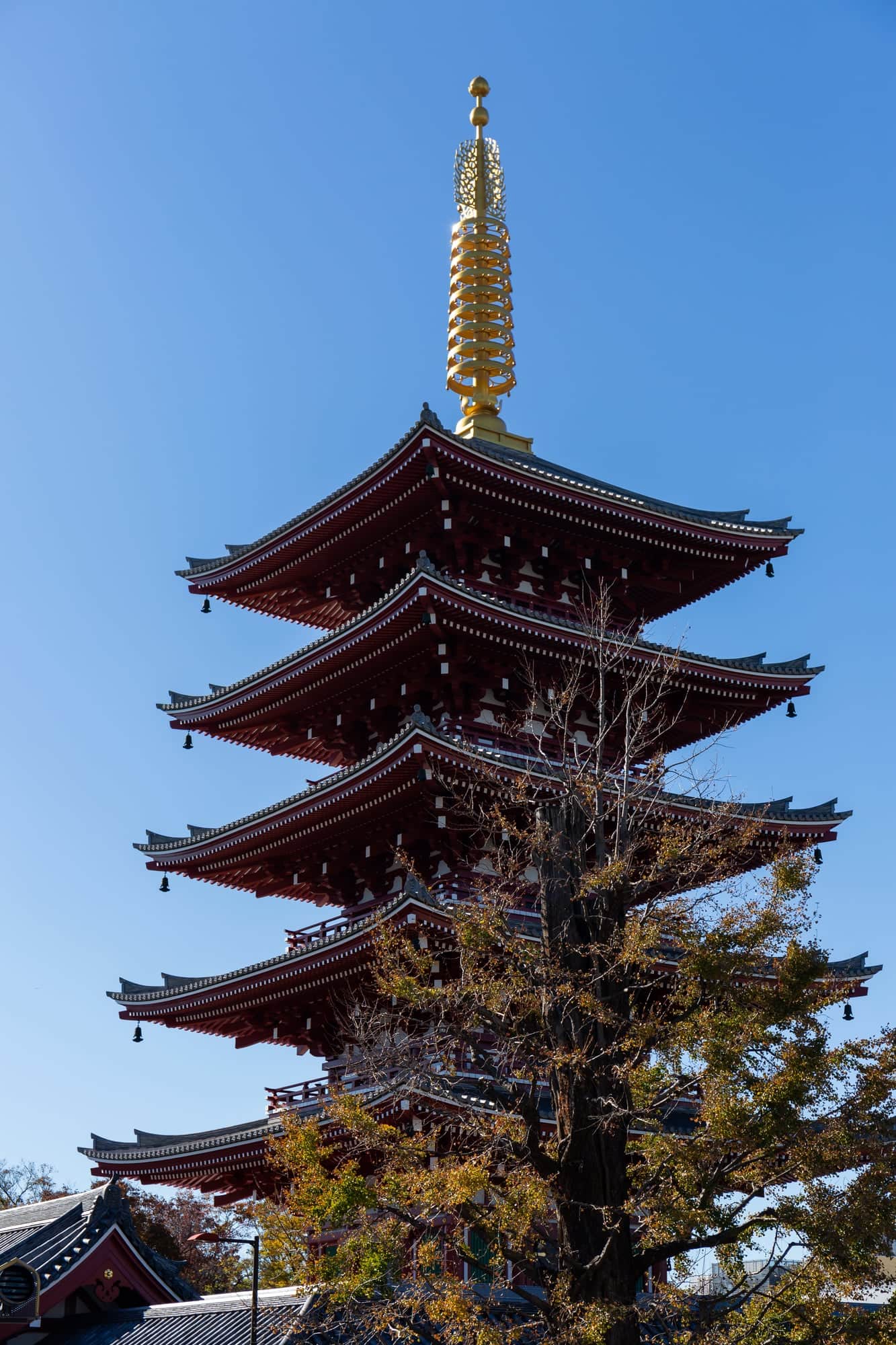
Asakusa Jinja
TaitoA single fishing net changed the destiny of Asakusa. On the morning of March 18, 628, two brothers, Hamanari and Takenari Hinokuma, cast their net into the Sumida River, then known as Asakusa Bay. They caught no fish. Instead, the net repeatedly brought up the same small image, a statue of Kannon, the Buddhist figure of compassion. Today, Asakusa Jinja preserves the memory of that discovery and venerates the three men connected with it: the fishermen and Hajinomatsuchi, the learned local landowner who recognized the statue. Known affectionately as Sanja-sama, or “the Three,” the shrine is also the spiritual center of Sanja Matsuri, one of Tokyo’s most famous traditional festivals. Historical Foundations The brothers first carried the mysterious image ashore near present-day Komagata and placed it on the stump of a Japanese pagoda tree, known as an enju. They then asked Hajinomatsuchi to examine it. He identified the figure as Kannon, a powerful object of devotion believed to bring benefits in this world. The brothers embraced faith in the image, prayed intensely, and asked that their next day’s fishing be successful. On March 19, their boat filled with fish. Hajinomatsuchi soon shaved his head, became a Buddhist monk, transformed his home into a temple, and devoted the remainder of his life to caring for the image and teaching the local population. This episode forms the legendary origin of Sensoji, whose growth brought prosperity to what had once been a small rural settlement. According to tradition, the descendants of the three men later received a dream revelation from Kannon. The message instructed them to enshrine their ancestors as protective deities beside the Kannon hall. The resulting sanctuary became known as Sanja Gongen, meaning the shrine of the Three Manifestations. Its precise foundation date is unknown. The tradition most plausibly places its establishment between the late Heian period and the early Kamakura period, when the religious idea of gongen was widespread. In that system, a buddha could appear temporarily in the form of a native Japanese kami in order to guide people. The shrine’s name changed during the modern separation of Buddhist and Shinto institutions. In 1868, the first year of the Meiji era, it became Sanja Myojin Shrine. It was designated a village shrine in 1872, and in 1873 received its present name, Asakusa Jinja, while becoming the general guardian shrine of Asakusa. Local residents still call it Sanja-sama, preserving the older identity. Architectural Mastery The present buildings were donated and constructed in 1649, during the reign of the third Tokugawa shogun, Tokugawa Iemitsu. Their survival is remarkable. Fires, wartime destruction, and the Great Kanto Earthquake of 1923 damaged much of Tokyo, yet the shrine buildings escaped major loss and retain the appearance of the early Edo period. The main complex consists of the inner sanctuary, the offering hall, and the worship hall. The latter two are connected by a covered passage, forming the architectural arrangement called gongen-zukuri. This style is associated with important Tokugawa-period sanctuaries, including Nikko Toshogu. It creates a layered progression from the public space of worship toward the more restricted sacred interior. The buildings were designated an Important Cultural Property of Japan in 1951. By 1996, their painted surfaces and lacquerwork had deteriorated substantially. A restoration costing 350 million yen renewed the exterior decoration. After 33 years had passed since the previous major restoration, the renewed colors brought back the strong reds, greens, golds, and dark lacquer tones characteristic of early Edo architecture. Look closely at the decorative creatures carved and painted throughout the complex. The phoenix represents auspicious rule and is associated with the birth of a virtuous sovereign. The kirin, a benevolent creature with the body of a deer, the head of a wolf, the tail of an ox, and the feet of a horse, is said to appear when an excellent ruler emerges. The unusual flying dragon, with a fish-like body and wings, governs water. Near the entrance, the right and left ministers, known as imperial retainers, hold weapons whose purpose is to repel evil. Religious and Cultural Significance The shrine’s central religious identity comes from the three founders, who are treated as local guardian deities. Their story links the sacred history of Asakusa with the origin of Sensoji and with the community’s prosperity. The relationship also reflects the older, intertwined religious world in which Buddhist and kami traditions worked together before the Meiji government ordered their institutional separation. The most dramatic expression of this local devotion is Sanja Matsuri, held each year on the third Saturday and Sunday of May. The festival’s present form developed during the Edo period, although its origins are older. The three principal portable shrines, Ichinomiya, Ninomiya, and Sannomiya, are carried through the neighborhood. The procession renews bonds among the shrine’s ujiko, or local parishioners, and expresses prayers for the prosperity of Asakusa. Visitors may see these great mikoshi in the portable shrine storehouse, which opens during the May festival, at New Year, and on some weekends and holidays in early spring. Other annual observances include sacred dances, miko maiden performances, the traditional Binzasara dance, purification rites, seasonal celebrations, and special worship services. The shrine also conducts ceremonies for newborn children, protection from misfortune, children’s festivals, and Shinto weddings. In modern Asakusa, it supports youth education and the continuation of traditional culture through workshops, seasonal farming activities, harvest events, and community programs. Natural Setting and Sacred Objects The torii marks the boundary between ordinary human space and the shrine’s sacred precinct. Asakusa Jinja’s front gate is a shinmei torii, erected in September 1885. Beside it is a shrine name tablet written by Sasaki Yukitada, a senior priest associated with the Grand Shrine of Ise. Before approaching the main building, visitors traditionally use the water purification pavilion to rinse their hands and mouth. The shrine’s sacred tree recalls the founding legend directly. Because the fishermen placed the recovered Kannon image on an enju stump, enju trees growing within the precinct are treated as shinboku, or sacred trees that can serve as vessels for divine presence. Two especially unusual stone guardian dogs date from the early Edo period. Rather than facing one another separately in the usual manner, these figures appear to sit close together. Their affectionate posture has given them associations with good relationships, marital harmony, and fulfilled love. The grounds also preserve an extraordinary record of Asakusa’s literary and performing-arts life. Monuments commemorate Kabuki actors, writers, poets, dancers, and local personalities, including Kawatake Mokuami, Nakamura Kichiemon I, Ichikawa En’o I, Kubota Mantaro, and Kawaguchi Matsutaro. Other stones honor the art of flowers, fans, and dance. A monument to the popular manga Kochikame connects the precinct with modern popular culture, while a hyakudo stone marks the route used for repeated devotional visits. The fan monument is connected with an annual ceremony on April 8, when old fans are ceremonially burned. Visitor Experience and Heritage Asakusa Jinja is located at 2-3-1 Asakusa, Taito-ku, Tokyo. It is approximately seven minutes on foot from Asakusa Station on the Tokyo Metro Ginza Line, Toei Asakusa Line, and Tobu Skytree Line, and about ten minutes from Tsukuba Express Asakusa Station. The shrine adjoins the Sensoji area, but vehicles may enter only from Umamichi-dori. On-site parking is reserved for people receiving prayers and for wedding participants, with permission from shrine staff. After worship, visitors may receive a goshuin, a calligraphic seal recording the date and place of pilgrimage. The practice originated as proof that a person had deposited a hand-copied sutra at a temple and became common at shrines during the Edo period. At Asakusa Jinja, regular seals include those of Asakusa Jinja, the Asakusa Seven Lucky Gods pilgrimage, and Hikan Inari Shrine, with each regular seal offered for 500 yen. Seasonal seals appear for New Year, Sanja Matsuri, and summer worship. The essential order is simple: bow at the torii, purify yourself, pray with two bows, two claps, and one bow, then request the seal. The shrine also participates in the Asakusa Seven Lucky Gods circuit, which actually visits nine temples and shrines, and in the Tokyo Fukume-guri, an eight-shrine pilgrimage. These routes extend the experience beyond a single precinct, revealing Asakusa as a living district where sacred tradition, neighborhood memory, performance, and everyday life remain closely connected.
Visita stimata · 45 minIngresso gratuito13 hanno visitato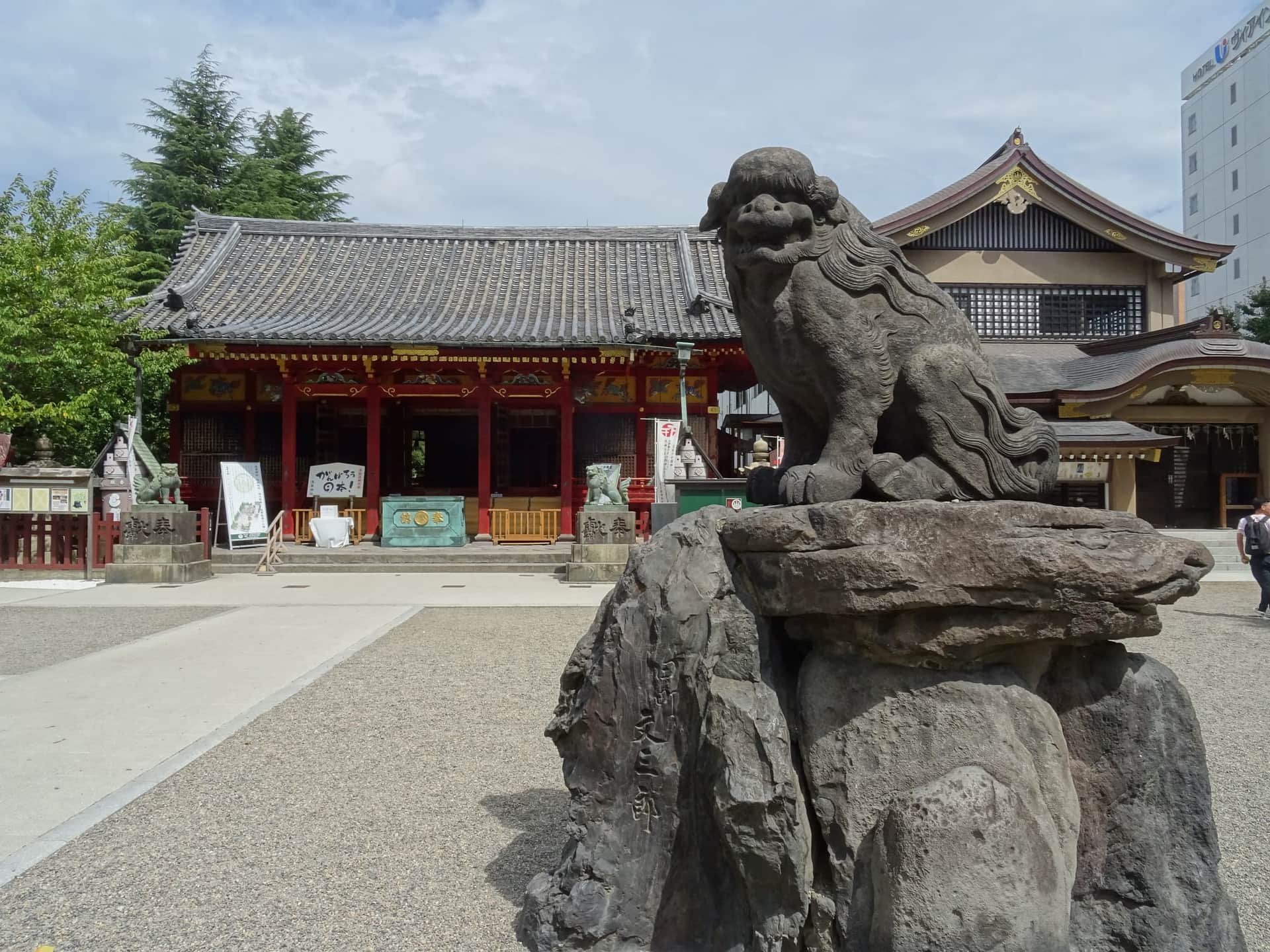
Altri modi per esplorare Tokyo
Itinerari più brevi, più tranquilli o più approfonditi per il tuo prossimo viaggio.
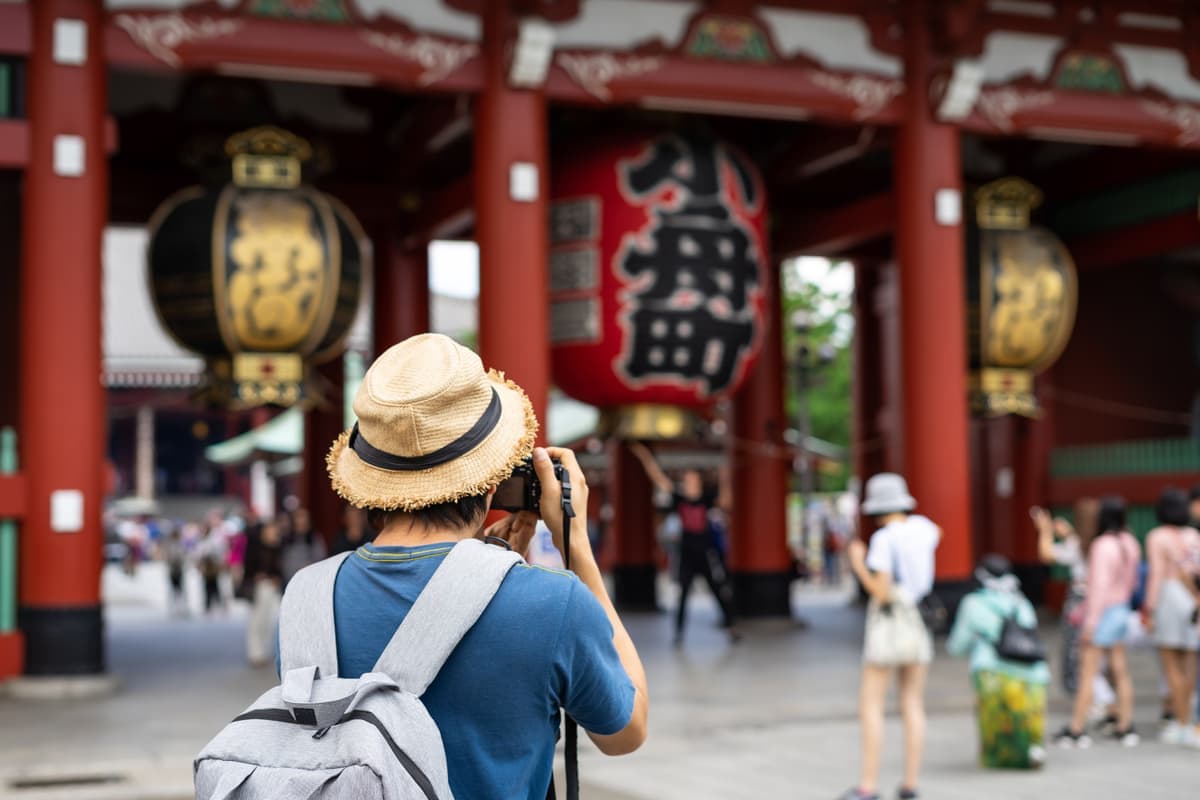
Essenziali di Tokyo
Trascorri tre giorni nelle aree classiche di santuari e templi di Tokyo, alternando tappe iconiche per goshuin con quartieri facili da collegare in treno.
- 3 giorni
- 13 tappe
- Tokyo
 Pro
ProPasseggiata a Yanesen
Una lenta passeggiata di un giorno attraverso Yanaka, Nezu e Sendagi, che combina l'atmosfera della vecchia Tokyo con una piccola serie di fermate goshuin pensate con cura.
- 1 giorno
- 5 tappe
- Tokyo
 Pro
ProTokyo nascosta
Un percorso di due giorni attraverso i santuari più tranquilli di Tokyo e le vie secondarie, ideale quando desideri fermate significative di goshuin lontano dai circuiti più affollati.
- 2 giorni
- 8 tappe
- Tokyo
 Pro
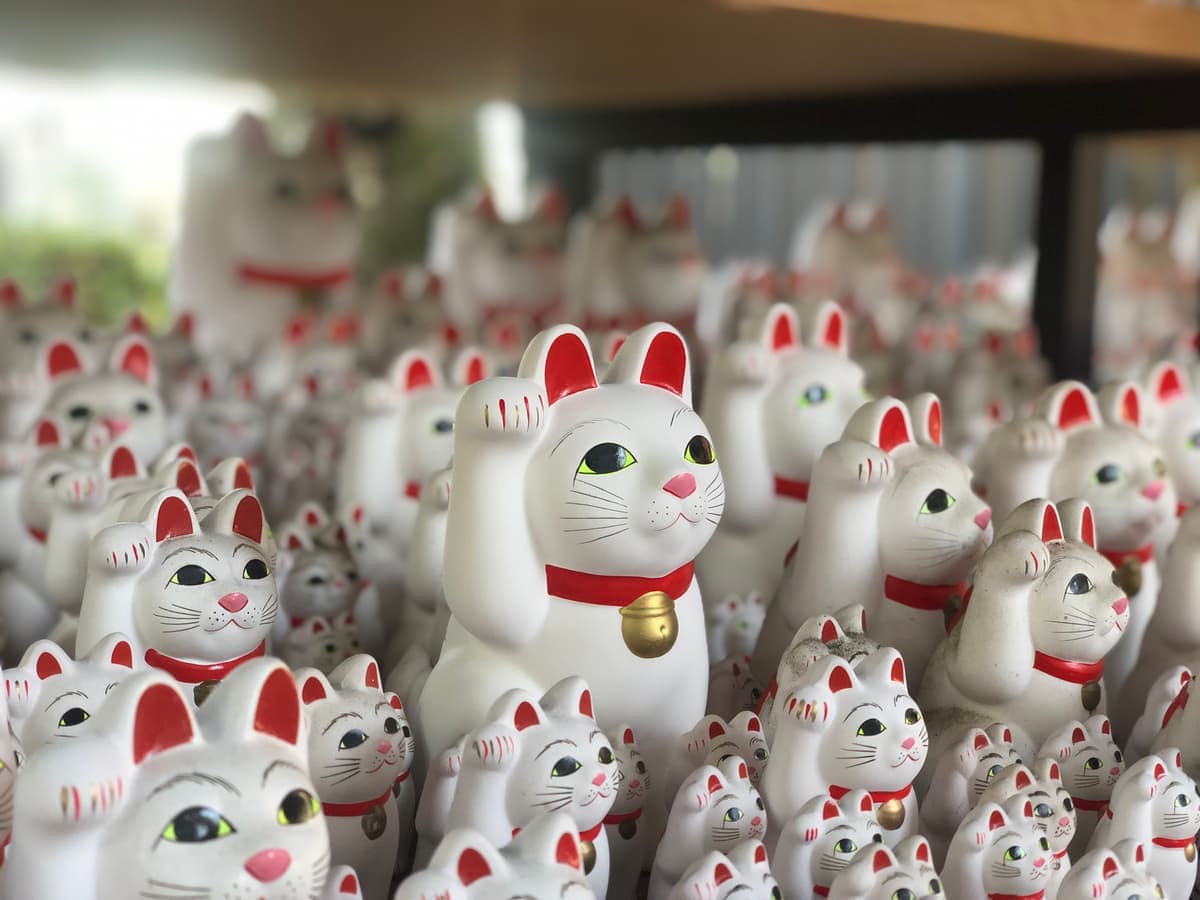
ProSantuari degli Animali a Tokyo
Un itinerario di due giorni a Tokyo per fermate a santuari con motivi di volpi, gatti e animali, ideato per collezionisti che apprezzano temi goshuin più caratteristici.
- 2 giorni
- 9 tappe
- Tokyo
 Pro
ProTokyo: Immersione Profonda
Un piano di cinque giorni a Tokyo per collezionisti pronti ad andare oltre le tappe più ovvie, mescolando goshuin distintivi, aree più tranquille e una copertura più approfondita della città.
- 4 giorni
- 20 tappe
- Tokyo