
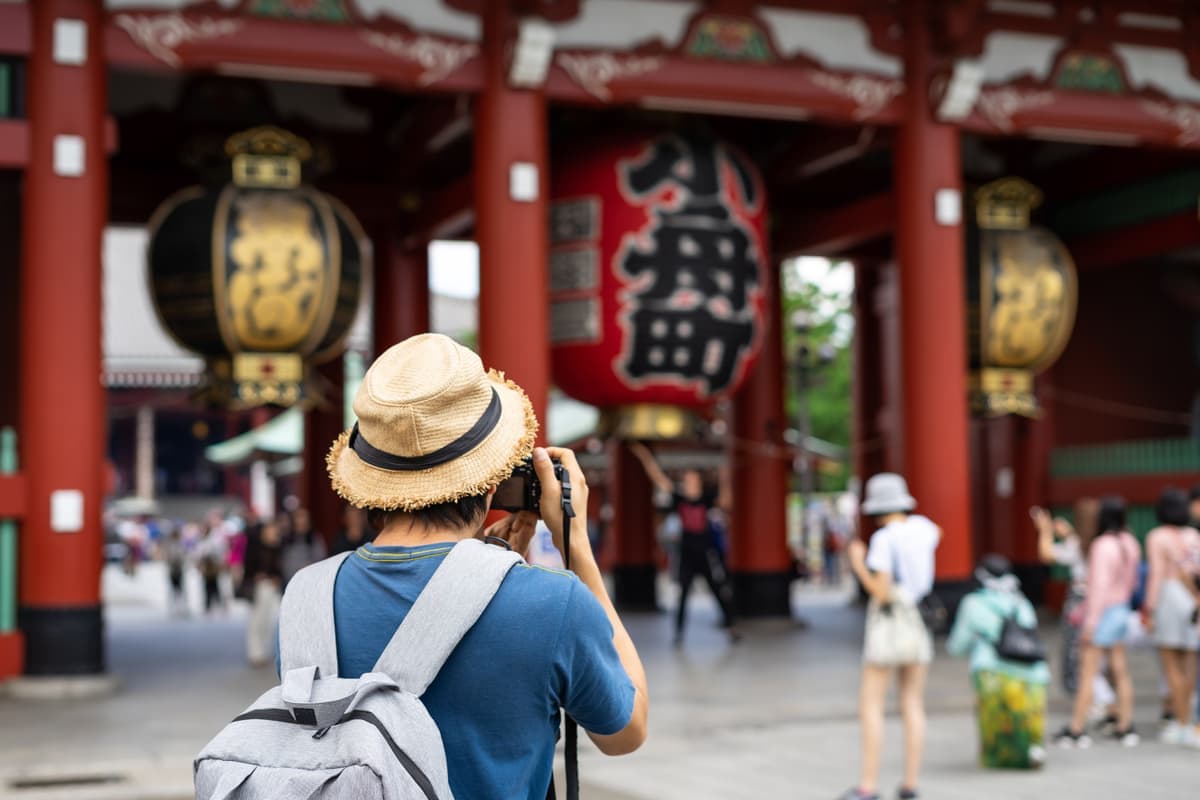
Essenziali di Tokyo
Trascorri tre giorni nelle aree classiche di santuari e templi di Tokyo, alternando tappe iconiche per goshuin con quartieri facili da collegare in treno.
- 3 giorni
- 13 tappe
- Tokyo
Informazioni sul viaggio
Un percorso goshuin per la prima volta a Tokyo che collega i santuari principali con tappe collector facilmente raggiungibili.
Itinerario giorno per giorno
Da Harajuku ad Akasaka
- 4 tappe
- circa 225 min incluse le visite
Meiji Jingu
ShibuyaMeiji Jingu Ogni anno, più di tre milioni di persone attraversano lo stesso imponente portale di legno solo nei primi giorni di gennaio, rendendo questo singolo sito sacro il luogo di culto più visitato in tutto il Giappone durante il periodo del Capodanno. Quel portale, il grande torii all'ingresso meridionale di Meiji Jingu, si erge da un corridoio boschivo nel cuore di Shibuya, Tokyo, e nel momento in cui ci si passa sotto, la città semplicemente scompare. Fondamenti Storici La storia di Meiji Jingu inizia con una morte e una domanda. Quando l'Imperatore Meiji morì il 30 luglio 1912, il Giappone non aveva un quadro giuridico chiaro su cosa dovesse seguire. Egli aveva presieduto una delle più drammatiche trasformazioni nazionali della storia moderna, guidando il Giappone da una società feudale e isolata a una potenza industrializzata durante la Restaurazione Meiji. Nato nel 1852, salì al trono nel 1867 proprio nel punto di svolta di quella trasformazione. Al momento della sua morte, il Giappone aveva una costituzione moderna, un governo parlamentare, una rete ferroviaria nazionale e un esercito che aveva sconfitto sia la Cina che la Russia. La domanda posta dalla sua morte non era meramente cerimoniale. Era: come onora una nazione un uomo che l'ha ricostruita? Nel giro di poche settimane, figure prominenti tra cui l'industriale Shibusawa Eiichi e il Sindaco di Tokyo Sakatani Yoshiro avevano formato un comitato e pubblicato un memorandum formale che delineava una visione: un santuario con un recinto interno finanziato dallo stato e un recinto esterno finanziato da donazioni pubbliche. Il sito che identificarono era la Tenuta Imperiale di Yoyogi, un terreno di 73 ettari nell'ovest di Tokyo che in precedenza era servito come residenza privata del clan Kato del dominio Higo nel primo periodo Edo, poi come tenuta inferiore del clan Ii del dominio Hikone dal 1640, prima di essere acquistato dal governo Meiji nel 1874. La Dieta Imperiale approvò formalmente il progetto, e il 1° maggio 1915, la creazione di Meiji Jingu fu ufficialmente annunciata. La costruzione iniziò sotto la direzione dell'architetto Ito Chuta nel tradizionale stile nagare-zukuri, utilizzando principalmente cipresso giapponese e rame. Le principali travi strutturali provenivano da Kiso nella Prefettura di Nagano e da Alishan a Taiwan, allora territorio giapponese, con materiali provenienti da ogni prefettura dell'impero, inclusi Karafuto, Corea e Kwantung. La costruzione fu un'impresa genuinamente nazionale: gruppi giovanili e associazioni civiche di tutto il Giappone contribuirono con lavoro e finanziamenti, e 100.000 alberi furono donati da cittadini di ogni regione del paese e piantati a partire dal 1916. Il santuario fu formalmente consacrato il 3 novembre 1920, compleanno dell'Imperatore Meiji, e i suoi terreni furono completamente terminati entro il 1926. Il volume interno originale del complesso del santuario era di 650 tsubo. Il costo totale stimato della costruzione fu di 5.219.000 yen in termini del 1920, all'incirca equivalenti a 26 milioni di dollari statunitensi odierni, anche se questa cifra rappresentava solo circa un quarto del valore effettivo perché così tanto materiale e lavoro furono donati. Fino al 1946, Meiji Jingu deteneva
Visita stimata · 90 min24 hanno visitato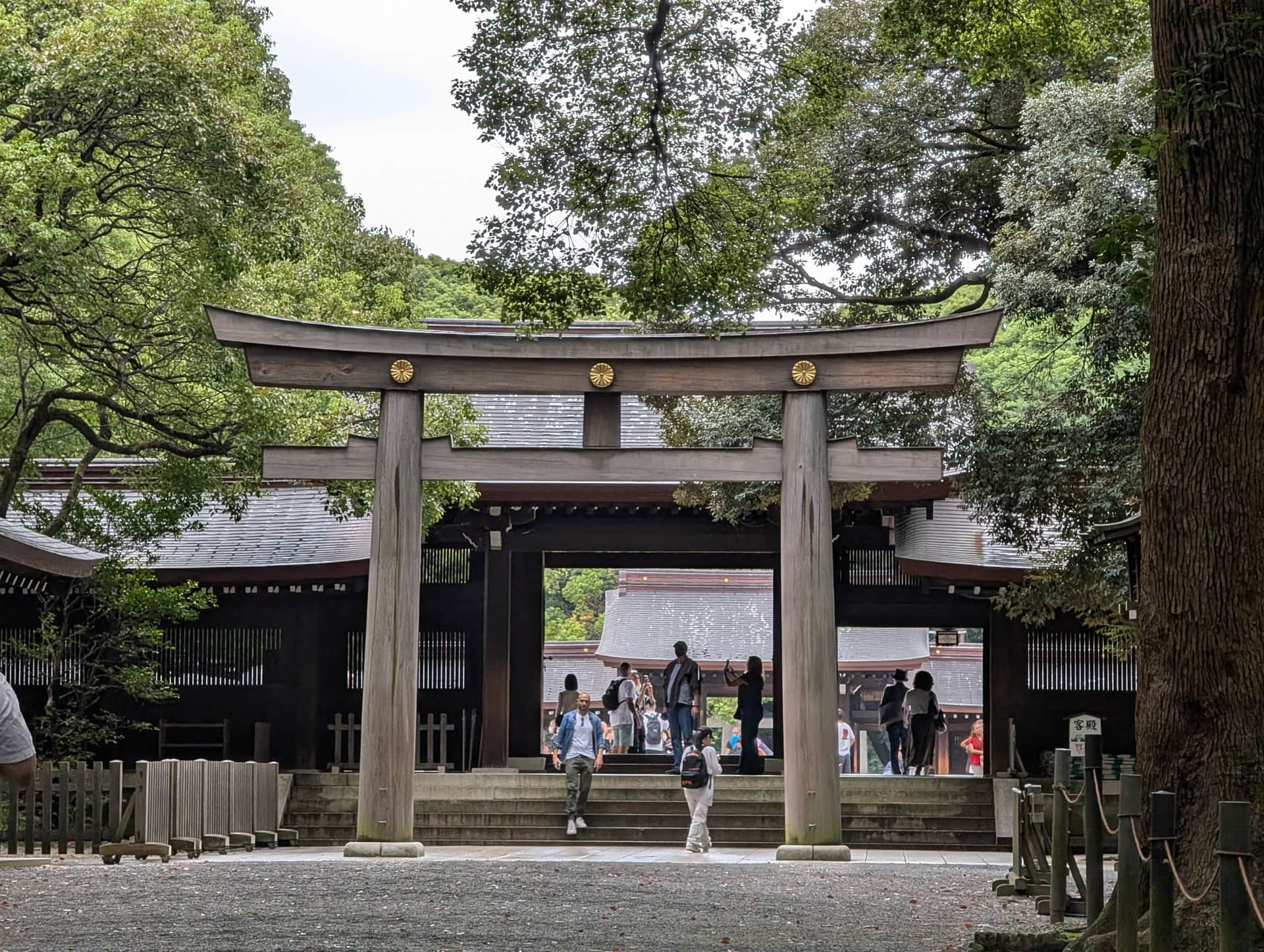
Togo Jinja
ShibuyaTōgō Jinja è un santuario shintoista a Harajuku, Tokyo, dedicato all'Ammiraglio Tōgō Heihachirō, che è venerato qui come kami. Fondato nel 1940, è stato distrutto durante il Bombardamento di Tokyo e ricostruito nel 1964, rendendolo una ricostruzione del dopoguerra con un forte valore commemorativo. I terreni del santuario includono un piccolo museo e una libreria dedicati a Tōgō. Il santuario si trova vicino all'intersezione tra Takeshita Street e Meiji Avenue, vicino alla Stazione di Harajuku, e ospita anche la bandiera di battaglia originale di Tōgō dalla Battaglia di Tsushima, acquisita nel 2005. Sebbene i resti di Tōgō siano sepolti al Cimitero di Tama, il santuario rimane un importante luogo di commemorazione militare e di culto shintoista moderno. È una meta di pellegrinaggio locale per coloro che sono interessati alla storia navale e alla cultura commemorativa dell'era bellica giapponese.
Visita stimata · 30 minIngresso gratuito8 hanno visitato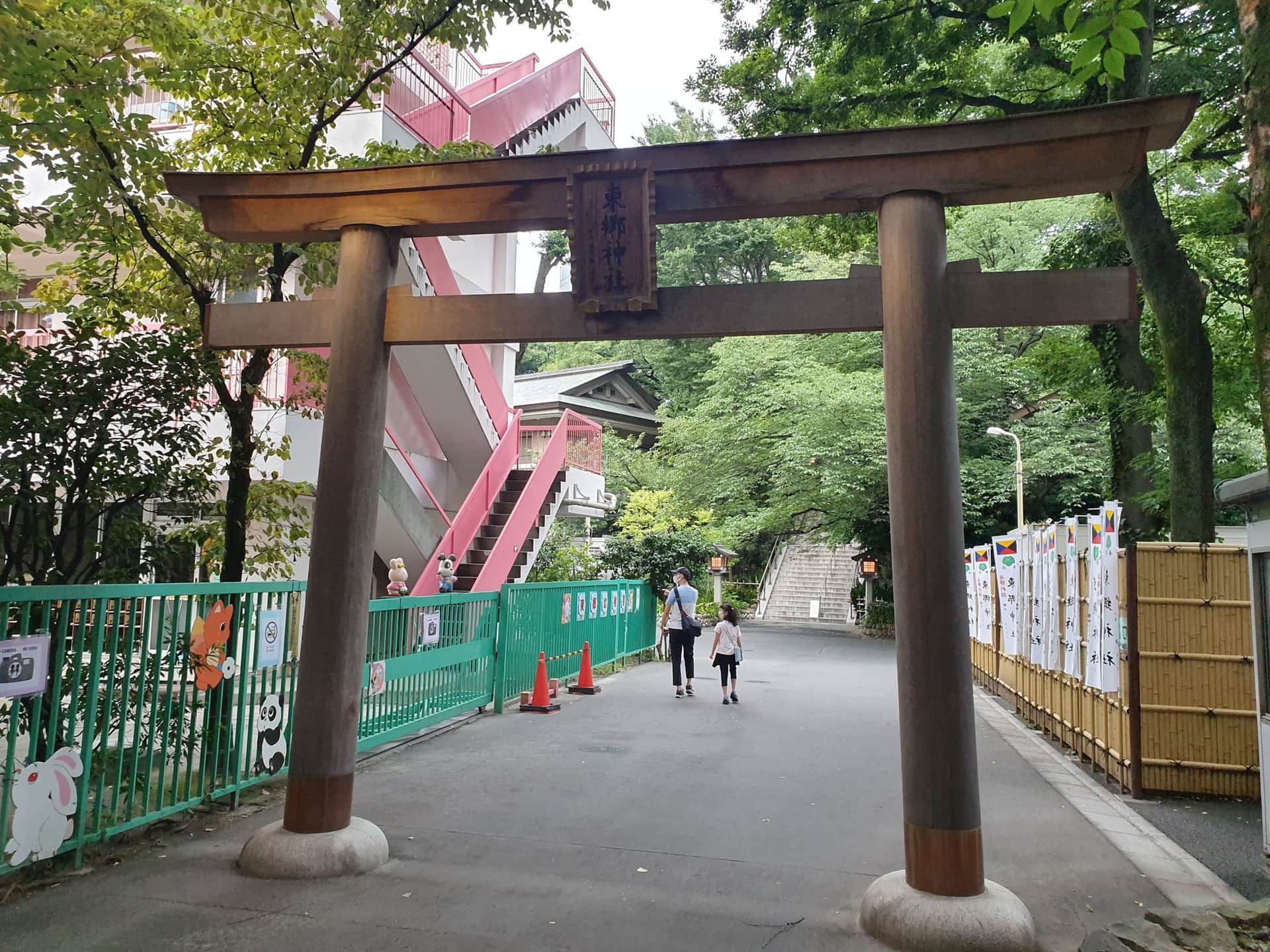
Nogi Jinja
MinatoUn tranquillo sentiero di pietra ti conduce nella stessa casa dove un generale celebre e sua moglie devota terminarono la loro vita—un atto di lealtà che sconvolse una nazione e ancora irradia complessità morale e storica. Qui, nel quartiere Minato di Tokyo centrale, i sereni spazi del Santuario Nogi—formalmente Nogi-jinja—custodiscono gli spiriti del Generale Nogi Maresuke e di Nogi Shizuko come kami shintoisti. Fondato il 1° novembre 1923, il santuario sorge sull’ex residenza della coppia, un complesso unico dove un esempio di architettura occidentale del periodo Meiji sopravvive accanto a strutture sacre tradizionali. Il sito è inseparabile dalla data del 13 settembre 1912, quando, alla morte dell’Imperatore Meiji, il generale Nogi e sua moglie scelsero la morte rituale, culmine di ideali di una vita. Il santuario originale fu poi distrutto durante i bombardamenti aerei del 25 maggio 1945; ciò che si vede oggi fu ricostruito nel 1962—una riaffermazione postbellica della memoria e del significato. Fondamenti Storici Tornando al turbolento cambio di secolo, si incontra una figura emblematica della rapida trasformazione del Giappone: il Generale Nogi Maresuke (1849–1912), un ufficiale il cui servizio e austerità personale lo resero simbolo nazionale. Sua moglie, Nogi Shizuko (1856–1912), condivideva le sue convinzioni e, nella morte, il suo destino. Il loro atto finale avvenne il 13 settembre 1912, proprio il giorno del funerale dell’Imperatore Meiji. Per i contemporanei fu inquadrato come un gesto fortemente tradizionale di lealtà—quello che commentatori successivi avrebbero definito un’eco di junshi (seguire il proprio signore nella morte). Per altri fu un atto profondamente controverso, che mise in luce le tensioni e le contraddizioni della modernizzazione. Subito dopo, i leader civici cercarono un luogo dove il pubblico potesse piangere e riflettere. Il Sindaco di Tokyo, Barone Yoshio Sakatani, convocò il Chūō Nogi Kai—l’Associazione Centrale Nogi—con una missione chiara: costruire un santuario alla coppia nei terreni della loro residenza. Questa decisione consacrò non solo due individui ma anche una conversazione nazionale su dovere, modernità, lutto e forma della memoria pubblica. Ufficialmente istituito il 1° novembre 1923, il Nogi-jinja aprì come luogo dedicato alla venerazione dei Nogi come kami, gesto radicato nella pratica shintoista di lunga data di divinizzare figure umane esemplari, come le venerazioni di Sugawara no Michizane nei santuari Tenmangū o di Tokugawa Ieyasu nei Tōshōgū. I primi decenni del santuario furono ombreggiati dagli eventi sismici della Tokyo moderna. Gran parte della città soffrì per incendi e guerra, culminando nei devastanti bombardamenti aerei del 25 maggio 1945, quando gli edifici originali del santuario furono distrutti. Ma la storia non finì con la perdita bellica. Nel 1962 fu costruito l’attuale complesso del santuario, ereditando lo spirito fondativo del 1923 e restaurando il sito come luogo pubblico di memoria. Questo arco—fondazione dopo il 1912, distruzione nel 1945, ricostruzione nel 1962—colloca il Nogi-jinja accanto a molti santuari di Tokyo che incarnano la resilienza: una città e una tradizione ripetutamente rifatte, ma radicate in profonde continuità. La risonanza dei Nogi si estende ben oltre Tokyo. In tutto il Giappone, numerosi santuari onorano la loro memoria. Tra questi vi sono siti a Nasushiobara (nella Prefettura di Tochigi), Fushimi-ku (Kyoto), Shimonoseki (Prefettura di Yamaguchi) e Hannō (Prefettura di Saitama). Questi santuari dispersi segnano una geografia memoriale nazionale, segnalando il peso culturale non comune della storia dei Nogi e la flessibilità dello Shinto nell’accogliere figure storiche moderne nel suo pantheon di kami. Maestria Architettonica La forza del Nogi-jinja non risiede solo nella narrazione; si trova nel tessuto costruito del complesso. In modo unico, il recinto incorpora una rara residenza in stile occidentale del periodo Meiji, conservata come parte dei terreni del santuario. Questa casa—tranquilla, severa ed elegante—parla il linguaggio del design occidentale di fine XIX e inizio XX secolo: proporzioni equilibrate, simmetria formale e una tavolozza sobria di materiali. Con la sua massa rettilinea e dettagli contenuti, si presenta come un reperto dell’abbraccio del periodo Meiji alle forme occidentali nell’educazione, nell’esercito e nell’architettura civica. Entrando in questa struttura, si percepisce come l’estetica importata sia stata naturalizzata nella vita giapponese, dai piani che seguono la logica domestica occidentale alle finestre e finiture che si discostano dalle tradizionali sale in legno giapponesi. Uscendo di nuovo si rientra in una grammatica spaziale diversa. Gli edifici del santuario ricostruiti nel 1962 riportano al linguaggio dello Shinto: un asse orientato verso un cancello torii, un approccio rituale che conduce al haiden (sala di preghiera) e infine al honden (santuario). Queste strutture sono realizzate in legno, come si addice all’architettura dei santuari, le loro superfici e giunzioni riflettono una continuità di pratica carpentiera che risale a molti secoli fa. I profili del tetto si estendono con quieta autorità, catturando luce e ombra durante il giorno; il materiale di copertura nelle ricostruzioni postbelliche spesso impiega **lega di
Visita stimata · 45 minIngresso gratuito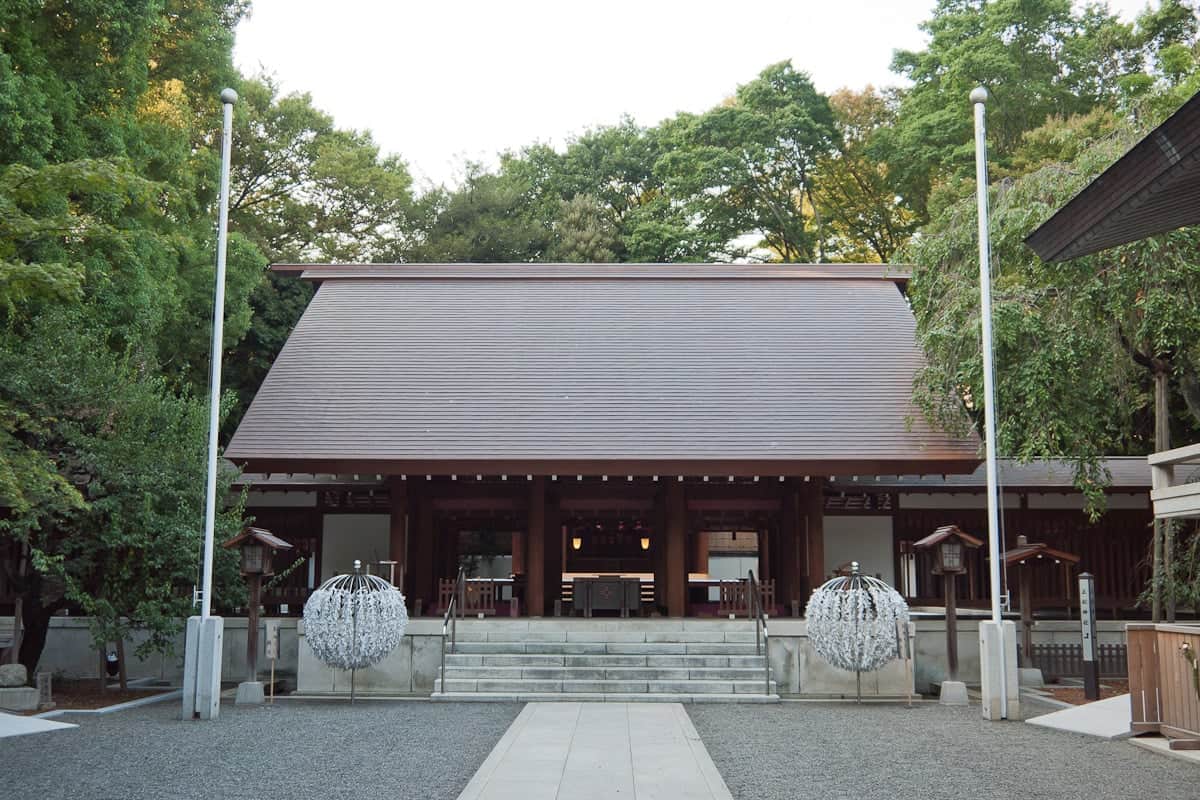
Hie Jinja
ChiyodaSlip from Tokyo’s corridors of power into a sudden splash of vermilion. In the heart of Nagatachō—steps from the National Diet—this sanctuary reveals itself through a tunnel of crimson torii leading up a hillside to a complex rebuilt in 1958 yet rooted in a story that begins in 1478. This is Hie Shrine—once the tutelary shrine of Edo Castle, now one of the Tokyo Ten Shrines—dedicated to Oyamakui-no-kami, the guardian deity of mountains and the spiritual anchor of the capital’s Sannō faith. Celebrated for the Sannō Matsuri, among the three great festivals of old Edo, Hie is where ancient devotion and modern city pulse meet: a shrine that burned, moved, survived wartime devastation in 1945, and rose again to continue blessing the center of Japanese government and the millions who pass through this district each year. Historical Foundations Hie’s story begins amid the formative years of Edo, long before skyscrapers and subways. In 1478, the military tactician and castle-builder Ōta Dōkan fortified his new stronghold on a low hill overlooking a tidal estuary. With the founding of his castle came the indispensable spiritual counterpart: a guardian shrine to protect the domain. Tradition holds that this act planted the seed of Hie Shrine—a tutelary presence charged with safeguarding the nascent castle town that would later become Tokyo. The shrine’s destiny transformed in the early seventeenth century when Tokugawa Ieyasu chose Edo as the seat of his shogunate. Recognizing the protective prestige of Hie’s deity and the deep cultural pull of the Sannō tradition, Ieyasu relocated and patronized the shrine in the opening decades of the 1600s, elevating it as the spiritual guardian of the new shogunal capital. From then on, Hie stood not just as a local protector but as the official tutelary shrine of Edo Castle—its rituals intertwined with the rhythms of governance and city life. The centuries that followed were marked by both growth and fragility. Edo, a city of wood and paper, repeatedly suffered conflagrations. Hie’s precincts, too, burned more than once, each time rebuilt through the backing of shoguns, daimyō, and townspeople who understood the shrine’s protective role over the city. This cycle of destruction and renewal culminated in the most devastating blow: the 1945 air raids of the Second World War, which obliterated much of central Tokyo and destroyed Hie Shrine’s buildings. Resilience defines Hie’s modern chapter. In 1958, the shrine was reconstructed in reinforced concrete, a pragmatic and forward-looking choice that allowed traditional forms to live securely within modern materials. The new complex retained the recognizable silhouette of a Shinto shrine while acknowledging the realities of postwar urban Tokyo. Today, Hie’s presence, a survivor reborn, speaks to continuity: of community, of state, and of faith in a city that has rebuilt itself more than once. Architectural Mastery Approach Hie from any direction and architecture guides the body into devotion. The first encounter is often the Sannō Torii—a distinctive gateway type associated with the Sannō tradition—announcing a threshold between the secular and the sacred. The torii is more than a symbol; its proportions and elegant lines frame a path, focus the gaze, and prepare the mind for ritual space. At Hie, the Sannō Torii stands as a visual signature of the shrine’s identity. Climb next through the famous torii-lined staircase, a corridor of vermilion that turns the act of ascent into a rhythmic experience: step, shadow, light, step. This stairway—photographed by countless visitors—distills a key architectural idea of Shinto space: repetition generates holiness. Each gate reiterates that you are crossing from the everyday to the precinct of the kami, and the repetitive geometry makes your movement intentional, meditative. At the complex’s center are the twin hearts of shrine architecture: the Honden (sanctuary) and the Haiden (worship hall). The Haiden is where the public kneels, claps, and prays; it is an open, inviting volume designed to embrace the congregation. Beyond it, aligned on the same axis but set off-limits to most, the Honden enshrines Oyamakui-no-kami. It is here—within the sanctuary—that offerings are made, norito prayers are chanted by priests, and the deity’s presence is ritually affirmed. Rebuilt in 1958, Hie’s structures are composed of reinforced concrete—a deliberate choice after wartime loss—given surfaces and profiles that echo traditional shrine carpentry. Rooflines reference classic Shinto forms with broad eaves and pronounced ridgelines that shelter the building and soften its mass. The exterior palette emphasizes vermilion and white, accented with metal fittings, conjuring continuity with prewar aesthetics while ensuring durability in Tokyo’s seismic, urban environment. This fusion of traditional expression and modern engineering characterizes postwar shrine reconstruction across Japan, but Hie’s example is especially resonant given its role as guardian of Edo and neighbor to Japan’s contemporary political institutions. The effect is simultaneously timeless and contemporary: stone, concrete, and bright paint adaptable to decades of heavy use by worshippers, officiants, and festival teams. Finally, pay attention to the textures underfoot and overhead. Stone pavements and broad stairways choreograph movement; lanterns illuminate courtyards in evening ceremonies; banners announce rites and festivals. The shrine precinct is not a museum diorama—it is a functioning ritual machine, adaptable and sturdy, built for annual cycles of prayer, celebration, and community. Religious & Cultural Significance Hie Shrine enshrines Oyamakui-no-kami, a powerful mountain and tutelary deity at the core of the Sannō tradition. The word “Sannō” literally means “Mountain King,” signaling the deity’s protective authority and the religious geography that once connected Tokyo to the wider sacred landscape of Japan. Historically, the Sannō faith has strong roots in the guardianship of Mount Hiei and the capital, and Tokyo’s Hie Shrine serves as a metropolitan anchor for this devotion. As the historic tutelary shrine of Edo Castle, Hie’s rituals were linked to the wellbeing of the city and its rulers. Prayers for protection from fire, disease, and misfortune—pressing concerns in a wooden city—were central. Ceremonies marking seasonal transitions, prosperity, and safe governance further entwined the shrine with civic life. This public-facing religious role lives on in the shrine’s schedule of rites and its most famous celebration: the Sannō Matsuri. The Sannō Matsuri is among Edo’s three great festivals, alongside the Kanda and Fukagawa festivals, and its history stretches back to the Tokugawa era. Its grand processions occur in even-numbered years, with portable shrines, priests, musicians, and parishioners traveling in ceremonial order through the city center. In the Edo period, the Sannō procession held rare privilege: authorization to enter the castle precincts, signaling Hie’s unique bond with political authority. In modern times, while the route has adapted to public streets and urban logistics, the festival still manifests as a city-wide blessing—an annual rhythm that connects ancient rite and modern capital. Beyond the festival, Hie acts as a compass for everyday spirituality. Shinto weddings, new-year prayers (hatsumōde), and rites of purification punctuate the calendar. Office workers on lunch break step in for a quick bow and a coin offering; parents bring children for milestone blessings; and petitioners buy amulets for safe business, good health, or exam success. The shrine’s proximity to political buildings adds another layer: it is a place where national policy-makers and clerks alike can seek composure, reflection, and favor from the kami, a quiet counterpart to the debates across the street. Hie’s status as one of the Tokyo Ten Shrines underscores its civic importance. This elite group, distributed across the metropolis, collectively safeguards the city. Membership signals a historical mandate: not merely a neighborhood shrine, but a guardian operating on the scale of the capital. Finally, consider how Hie bridges eras. It embodies the continuity of Shinto practice—the honoring of kami, the purity of space, the seasonal round of celebrations—while standing squarely in a hypermodern district. This tension is not a contradiction but a strength. The shrine’s resilience in 1945, its 1958 rebirth, and the ongoing vitality of the Sannō Matsuri demonstrate a living tradition capable of renewal without losing its essence. Natural Setting & Environment Nagatachō is a district built for policy and power—broad avenues, stately government buildings, sweeping stone. Hie Shrine softens this geometry. The precinct occupies a modest rise, and the approaches make clever use of topography: long stairs and the famed torii-lined slope translate a change in elevation into a pilgrim’s ascent. Even modest hills matter in Shinto. They lift the worshipper, reveal sky, and create a sense of threshold. In a city so heavily engineered, this gentle relief is a perceptible change in atmosphere. The shrine grounds weave greenery into the urban grid. Trees flank stone paths; small courtyards open to sky; shrubs and plantings frame the main axis from Sannō Torii to worship hall. Light and shadow play across the vermilion surfaces, and breezes passing through the gates produce a quiet rustle that contrasts with nearby traffic. Seasonal changes—soft spring light, the heat shimmer of midsummer, autumnal clarity, winter crispness—give the precinct a cyclical mood that mirrors Shinto’s calendar of rites. Space is also choreographed to offer moments of pause. Step aside from the main approach and the bustle thins; a side path, a lantern, a stone basin for purification recalibrate your senses. Water, stone, and wood—arranged with restraint—contribute to the overall feeling of clarity that Shinto strives for. The shrine’s environment may not be a sprawling landscape garden, but it functions as a spiritual garden: a vessel for calm in the city’s most intense district. And yet, the skyline is always near. Look up from the courtyard and modern Tokyo frames the sacred space: office towers, the silhouette of the National Diet, and, depending on your vantage, glimpses into Akasaka’s high-rise canyons. This juxtaposition—vermilion gates against glass and steel—makes Hie a signature sight in contemporary Tokyo and a case study in how the sacred inhabits the city rather than escaping it. Visitor Experience & Heritage Arriving is part of the experience. The shrine lies within easy reach of Akasaka and Tameike-Sannō stations, and the walk from either point heightens the contrast between civic bustle and shrine serenity. As you approach, the first threshold is a torii—pause here. Bow lightly before passing beneath; then continue toward the courtyard where the Haiden awaits. If the torii-lined staircase is on your route, consider climbing its corridor of gates for a more dramatic approach and a striking photo opportunity. At the Haiden, you’ll find the familiar ritual choreography: bow twice, clap twice, offer your prayer, and bow once more. The sound of the claps echoes under the broad eaves and across the stone paving. From here, you can admire the alignment of the complex: the Haiden opening to the courtyard and, beyond, the Honden housing Oyamakui-no-kami. While access to the Honden is restricted, seasonal ceremonies sometimes spill outward, letting visitors glimpse the patterned movements of priests and attendants. Elsewhere in the precinct, you can explore additional gates and sub-precincts, each scaled to different forms of devotion. Chōzuya basins for ritual purification—cool water over cupped hands—offer a sensory reset. Amulet counters present a spectrum of talismans tuned to modern needs: safe travels, good business, academic success, health. The design language is deliberately contemporary-traditional: clean signage, practical circulation, and durable finishes that welcome thousands of daily visitors without losing warmth. Hie’s festival calendar culminates in the Sannō Matsuri. In even-numbered years, the shrine’s ceremonial procession takes to the streets in a meticulously ordered parade. Portable shrines carried on shoulders, priests in formal robes, musicians keeping rhythm—the city becomes a stage for blessing. Watching the procession pass through business districts and government neighborhoods is to see a centuries-old rite reconciling the sacred with the civic. Between major processions, annual rites maintain continuity: purification ceremonies, harvest thanksgiving, and New Year observances ensure that rituals touch every season. Historically, Hie was privileged in ways few shrines could claim. In Edo times, the Sannō Matsuri procession entered castle precincts—a literal crossing into centers of power that cemented Hie’s role as protector of the political heart. That privilege, transmuted into modern forms, survives as proximity: today, the shrine stands beside the institutions of national governance, offering a spiritual counterpoint to policy and debate. In heritage terms, Hie is notable not for ancient timber preserved against time but for resilient tradition preserved through rebuilding. The complex is not UNESCO-listed, and its current buildings date to 1958, yet the shrine’s cultural status within Tokyo is deeply felt: it is a key node in the Tokyo Ten Shrines, it anchors the Sannō faith in the capital, and it embodies the continuity of devotion from 1478 to the present. That continuity is what visitors come to witness and participate in: an ongoing relationship between deity and city, renewed with each bow and clap. For those who appreciate architectural detail, linger at the Sannō Torii. Compare its profile to the more common torii seen elsewhere in Japan: subtle differences in proportions and the way the top elements meet give the Sannō type its identity. Then turn back to the Haiden and note how the broad eaves shelter worshippers from sun and rain, creating an outdoor room where the boundary between building and courtyard dissolves—a hallmark of shrine design, here executed in robust postwar materials. If you’re visiting around midday, you may share the courtyard with office workers on their lunch break, pausing for a moment of quiet or sipping tea on the steps. In the early evening, lanterns begin to glow, and the shrine shifts into a more contemplative register. During festival preparations, the energy changes again: ropes, palanquins, and ceremonial gear appear; priests rehearse; banners unfurl. Each phase reveals a different facet of Hie’s living heritage. Practical orientation matters in an urban shrine, and Hie’s layout is intuitive. Major paths converge on the main courtyard; signage directs you without intruding; thresholds are legible. The shrine’s staff navigates a dual brief: to maintain ritual purity and to welcome visitors from around the world. This duality reflects Shinto at its best—rooted in local practice, open to the global public. As you prepare to leave, take one last look back through the torii. The gate frames the city beyond—taxis, suits, umbrellas, protest placards on some days, and on others the quiet of a weekend morning. This view captures Hie’s essence. It is not a retreat away from the world but a lens for seeing the world differently. For more than five centuries—from Ōta Dōkan’s first act of devotion in 1478, through Tokugawa Ieyasu’s elevation of the shrine in the 1600s, through fires, the 1945 devastation, and the 1958 reconstruction—Hie has persisted as a guardian of the capital’s wellbeing. In that persistence lies its power. Hie Shrine shows how a city remembers: through ritual repetition, through rebuilding, through the steady return of festivals and prayers. It is a place to witness the living continuity of Japanese tradition in the very district where the nation charts its future. Whether you come for the Sannō Matsuri, for a quick prayer between meetings, or to savor the visual poetry of a torii-lined staircase in the afternoon light, you step into a story still being written—one clap, one procession, one year at a time.
Visita stimata · 60 minIngresso gratuito6 hanno visitato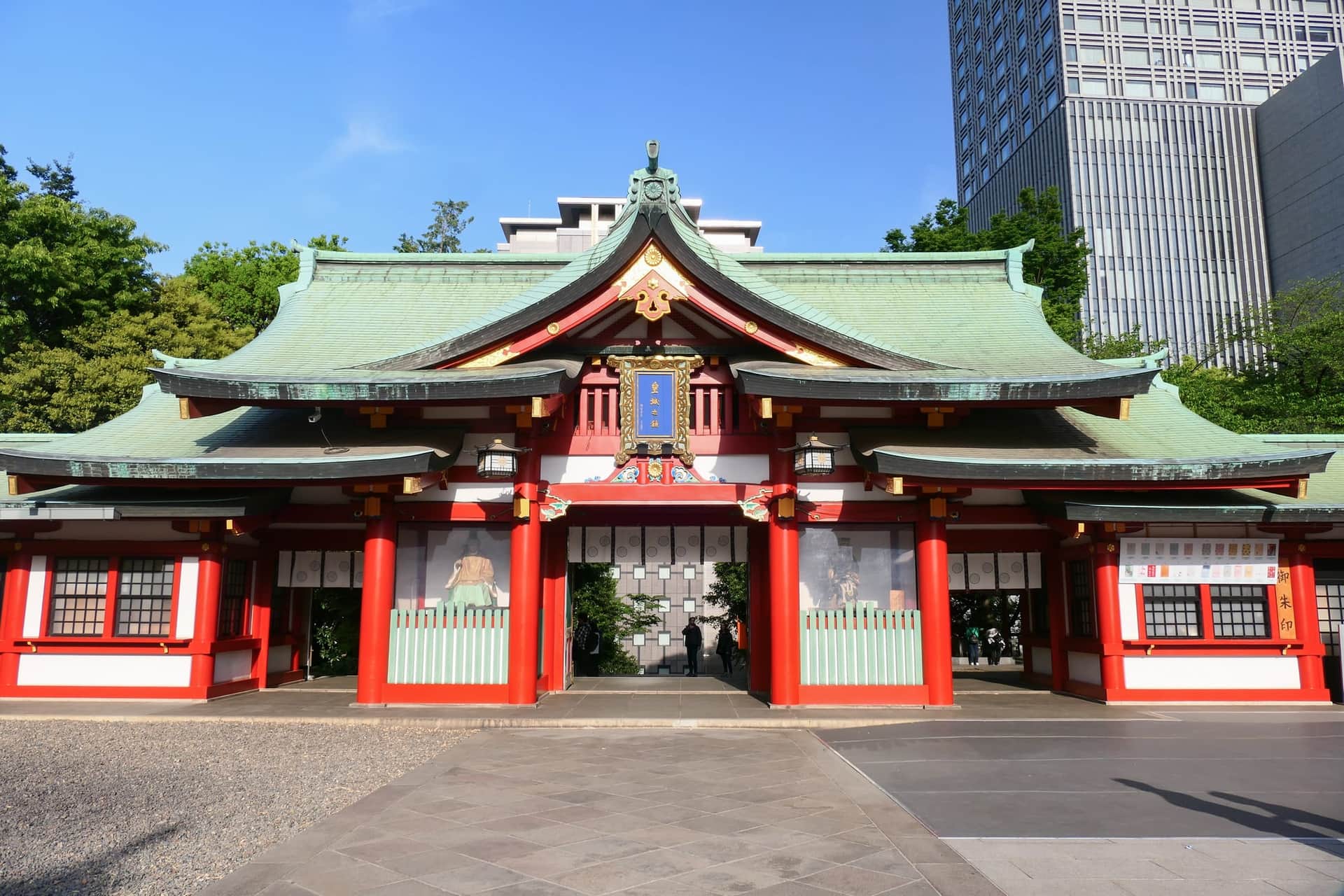
Asakusa, il centro storico
- 5 tappe
- circa 270 min incluse le visite
Senso-ji
TaitoThe first thing that grips you at Sensō-ji is the sense that this place has never been merely a monument. It is a living center of devotion, crowded with pilgrims, day-trippers, and local worshippers, yet still anchored by a single hidden image of Kannon, the bodhisattva of compassion. Founded in 628, and known formally as Kinryū-zan Sensō-ji, this is Tokyo’s oldest temple and one of Japan’s most visited sacred sites, drawing more than 30 million visitors a year. The temple’s heart is famously unseen, because the principal image has been kept out of public view for centuries. That mixture of revelation and concealment, ritual and street life, gives the whole precinct its unforgettable character. Historical Foundations The temple’s origin story is one of the best-known in Japan. According to tradition, on the morning of March 18, 628, two fishermen, Hinokuma Hamanari and his brother Takenari, were fishing in the Sumida River when they found a small statue in their net. Their village headman, Haji no Nakatomo, recognized the figure as Avalokitesvara Bodhisattva, called in Japan Kannon or Sho Kanzeon Bosatsu, and devoted himself to Buddhist practice. He converted his home into a temple and spent the rest of his life in worship and memorial services. In 645, the priest Shokai arrived in the area and built a hall for the image. After receiving a revelation in a dream, he decided to conceal the statue from view. Since then, the sacred image has remained hibutsu, never publicly unveiled. That hidden status is one of the great defining features of Sensō-ji. In the mid-ninth century, the renowned Tendai priest Ennin visited and created a replica image, also associated with the temple’s devotional life, so that something could be shown occasionally to the public. Through the Kamakura period (1185 to 1333), the temple attracted the devotion of shoguns, military leaders, and literati. Its status rose again in 1590, when Tokugawa Ieyasu, the first Tokugawa shogun, designated it as the temple for shogunal prayers. During the Edo period (1603 to 1867), successive shoguns visited, and devotion to Kannon spread widely among common people. As Edo grew into one of the world’s largest cities, Asakusa developed into a major cultural center, later associated with theater, film, music, and vaudeville in the modern era. The temple was devastated in the 10 March 1945 firebombing of Tokyo during World War II. The main hall was rebuilt in the 1950s, specifically 1958, using donations from supporters across Japan. After the war, in 1950, Sensō-ji became independent, having previously been associated with the Tendai school. That sequence, destruction followed by rebuilding, is central to the way people understand the temple today, as both an old sanctuary and a place that was restored by collective faith. Architectural Mastery Sensō-ji’s precinct is defined by a procession of gates and halls that shape the visitor’s experience from the first step. The best-known entrance is Kaminarimon Gate, often translated as the Thunder Gate, whose massive red lantern has become one of Tokyo’s most recognizable images. Passing through it, visitors enter Nakamise-dōri, the approach street lined with shops selling traditional snacks, souvenirs, and crafts. The street is not an incidental extra. It is part of the temple’s ritual atmosphere, extending the transition from ordinary city life into sacred space. Beyond Nakamise lies Hōzōmon Gate, commonly called the Nio-mon Gate, and also Niten-mon Gate, both important architectural markers within the grounds. The complex also includes the striking five-story pagoda, one of the temple’s best-known landmarks. Nearby are Bentendo Hall, Awashimado Hall, Yogodo Hall, and the Main Hall, or Kannon-do. The main hall’s roof is especially notable: it rises in a dramatic slope, taller and more emphatic than what many visitors expect of a temple building. The structure is divided into the naijin or inner sanctuary and the gejin or outer sanctuary, and the principal image rests in a miniature temple inside the inner space. That small inner shrine, locked and protected, reinforces the paradox at the center of the site, public worship around an image that remains unseen. One of the temple’s most important surviving treasures is Denboin and its garden, designated a National Scenic Beauty Site. The grounds are not only built space but carefully composed landscape, where the architecture and garden together guide movement, pause, and contemplation. In the Main Hall, there are also two calligraphic masterpieces by Noguchi Sekko, one of the Three Best Calligraphers of the Edo Period, with texts quoting Hanjusan by Shan-tao of the Pure Land tradition. Even in calligraphy, the temple’s message is one of compassion and equal regard for all beings. Religious & Cultural Significance The temple is dedicated to Kannon, the bodhisattva of mercy and compassion, who responds to suffering with boundless benevolence. In Japanese Buddhism, Kannon appears in multiple forms, including Juichimen with 11 faces, Senju with 1,000 hands, and Nyoirin, associated with the wish-granting jewel and the Dharma wheel. Sensō-ji’s principal image embodies the basic form, one face and two hands, but the theology around it extends far beyond a single icon. This is also an active pilgrimage site. Sensō-ji is the 13th stop on the Bandō Sanjūsankasho pilgrimage route, and it receives worshippers from across Japan and beyond. The temple’s own materials state that it draws around 30 million visitors each year, making it one of the most frequented religious sites in the world. Devotion here is visible in simple gestures, especially the prayer taught to visitors at the main hall: place your hands together and chant “Namu Kanzeon Bosatsu”, meaning “I place my trust in Bodhisattva Kannon.” Several auxiliary halls deepen the temple’s devotional life. Yogodo Hall houses eight Buddhas connected with the Yogoshu, protectors associated with the Chinese zodiac, each thought to watch over those born in certain years. Awashimado Hall and Bentendo Hall add further layers of worship and local practice. The presence of these subsidiary cults makes Sensō-ji feel less like a single shrine to a single deity and more like a whole religious landscape. Natural Setting & Environment Sensō-ji was first established in what was once a fishing village at the edge of the Sumida River, in the wild landscape of Musashino near the estuary of Tokyo Bay. That origin matters, because the temple’s present urban intensity hides the fact that it began at a watery frontier. Even now, the temple’s setting reflects that relationship between the sacred and the changing city. Asakusa is dense and energetic, yet the temple precinct creates intervals of quiet, especially in early morning or after dark. The garden of Denboin offers a more deliberate encounter with nature. Its designation as a scenic site points to the care with which this environment has been shaped. Seasonal changes, the view of the pagoda, and the contrasts between open courtyards, wooden halls, and planted spaces all contribute to the atmosphere. The temple’s tall rooflines and pagoda are visible markers above the district, but the interior experience is more intimate, with incense smoke, bells, and the movement of people slowing as they pass from gate to gate. Visitor Experience & Heritage For today’s visitor, Sensō-ji is both a major religious site and a place where the texture of Tokyo’s older culture is still easy to feel. The route itself is part of the experience, from Kaminarimon through Nakamise-dōri to the main hall. You can obtain scarlet seal stamps at the temple, visit the halls one by one, or simply stand for a moment in front of the incense burner and watch the flow of people around you. The temple’s modern popularity never fully overwhelms its devotional core, because the route, the hidden image, and the prayer practice all keep reminding you that this is a functioning Buddhist sanctuary. Sensō-ji’s fame comes from more than age alone. It has survived political transformation, wartime destruction, postwar rebuilding, and the relentless expansion of the city around it. Yet the essential story has remained stable for nearly fourteen centuries, a fisherman’s net, a hidden statue, a community turned toward compassion. That is why the temple continues to matter so widely, not only as an icon of Asakusa or Tokyo, but as a place where Japanese Buddhist devotion, urban history, and popular culture still meet in one remarkably alive space.
Visita stimata · 90 minIngresso gratuito23 hanno visitato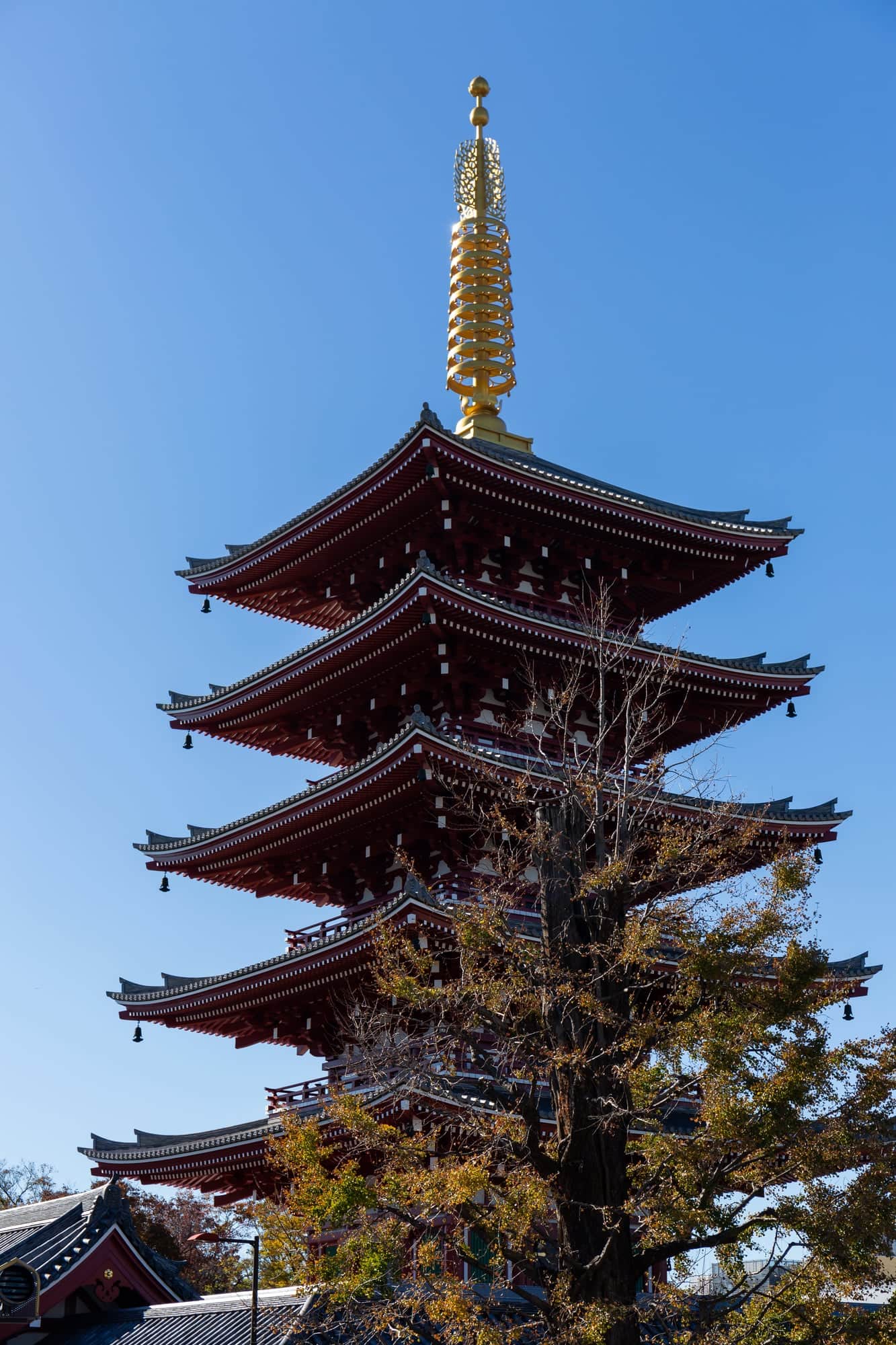
Asakusa Jinja
TaitoA single fishing net changed the destiny of Asakusa. On the morning of March 18, 628, two brothers, Hamanari and Takenari Hinokuma, cast their net into the Sumida River, then known as Asakusa Bay. They caught no fish. Instead, the net repeatedly brought up the same small image, a statue of Kannon, the Buddhist figure of compassion. Today, Asakusa Jinja preserves the memory of that discovery and venerates the three men connected with it: the fishermen and Hajinomatsuchi, the learned local landowner who recognized the statue. Known affectionately as Sanja-sama, or “the Three,” the shrine is also the spiritual center of Sanja Matsuri, one of Tokyo’s most famous traditional festivals. Historical Foundations The brothers first carried the mysterious image ashore near present-day Komagata and placed it on the stump of a Japanese pagoda tree, known as an enju. They then asked Hajinomatsuchi to examine it. He identified the figure as Kannon, a powerful object of devotion believed to bring benefits in this world. The brothers embraced faith in the image, prayed intensely, and asked that their next day’s fishing be successful. On March 19, their boat filled with fish. Hajinomatsuchi soon shaved his head, became a Buddhist monk, transformed his home into a temple, and devoted the remainder of his life to caring for the image and teaching the local population. This episode forms the legendary origin of Sensoji, whose growth brought prosperity to what had once been a small rural settlement. According to tradition, the descendants of the three men later received a dream revelation from Kannon. The message instructed them to enshrine their ancestors as protective deities beside the Kannon hall. The resulting sanctuary became known as Sanja Gongen, meaning the shrine of the Three Manifestations. Its precise foundation date is unknown. The tradition most plausibly places its establishment between the late Heian period and the early Kamakura period, when the religious idea of gongen was widespread. In that system, a buddha could appear temporarily in the form of a native Japanese kami in order to guide people. The shrine’s name changed during the modern separation of Buddhist and Shinto institutions. In 1868, the first year of the Meiji era, it became Sanja Myojin Shrine. It was designated a village shrine in 1872, and in 1873 received its present name, Asakusa Jinja, while becoming the general guardian shrine of Asakusa. Local residents still call it Sanja-sama, preserving the older identity. Architectural Mastery The present buildings were donated and constructed in 1649, during the reign of the third Tokugawa shogun, Tokugawa Iemitsu. Their survival is remarkable. Fires, wartime destruction, and the Great Kanto Earthquake of 1923 damaged much of Tokyo, yet the shrine buildings escaped major loss and retain the appearance of the early Edo period. The main complex consists of the inner sanctuary, the offering hall, and the worship hall. The latter two are connected by a covered passage, forming the architectural arrangement called gongen-zukuri. This style is associated with important Tokugawa-period sanctuaries, including Nikko Toshogu. It creates a layered progression from the public space of worship toward the more restricted sacred interior. The buildings were designated an Important Cultural Property of Japan in 1951. By 1996, their painted surfaces and lacquerwork had deteriorated substantially. A restoration costing 350 million yen renewed the exterior decoration. After 33 years had passed since the previous major restoration, the renewed colors brought back the strong reds, greens, golds, and dark lacquer tones characteristic of early Edo architecture. Look closely at the decorative creatures carved and painted throughout the complex. The phoenix represents auspicious rule and is associated with the birth of a virtuous sovereign. The kirin, a benevolent creature with the body of a deer, the head of a wolf, the tail of an ox, and the feet of a horse, is said to appear when an excellent ruler emerges. The unusual flying dragon, with a fish-like body and wings, governs water. Near the entrance, the right and left ministers, known as imperial retainers, hold weapons whose purpose is to repel evil. Religious and Cultural Significance The shrine’s central religious identity comes from the three founders, who are treated as local guardian deities. Their story links the sacred history of Asakusa with the origin of Sensoji and with the community’s prosperity. The relationship also reflects the older, intertwined religious world in which Buddhist and kami traditions worked together before the Meiji government ordered their institutional separation. The most dramatic expression of this local devotion is Sanja Matsuri, held each year on the third Saturday and Sunday of May. The festival’s present form developed during the Edo period, although its origins are older. The three principal portable shrines, Ichinomiya, Ninomiya, and Sannomiya, are carried through the neighborhood. The procession renews bonds among the shrine’s ujiko, or local parishioners, and expresses prayers for the prosperity of Asakusa. Visitors may see these great mikoshi in the portable shrine storehouse, which opens during the May festival, at New Year, and on some weekends and holidays in early spring. Other annual observances include sacred dances, miko maiden performances, the traditional Binzasara dance, purification rites, seasonal celebrations, and special worship services. The shrine also conducts ceremonies for newborn children, protection from misfortune, children’s festivals, and Shinto weddings. In modern Asakusa, it supports youth education and the continuation of traditional culture through workshops, seasonal farming activities, harvest events, and community programs. Natural Setting and Sacred Objects The torii marks the boundary between ordinary human space and the shrine’s sacred precinct. Asakusa Jinja’s front gate is a shinmei torii, erected in September 1885. Beside it is a shrine name tablet written by Sasaki Yukitada, a senior priest associated with the Grand Shrine of Ise. Before approaching the main building, visitors traditionally use the water purification pavilion to rinse their hands and mouth. The shrine’s sacred tree recalls the founding legend directly. Because the fishermen placed the recovered Kannon image on an enju stump, enju trees growing within the precinct are treated as shinboku, or sacred trees that can serve as vessels for divine presence. Two especially unusual stone guardian dogs date from the early Edo period. Rather than facing one another separately in the usual manner, these figures appear to sit close together. Their affectionate posture has given them associations with good relationships, marital harmony, and fulfilled love. The grounds also preserve an extraordinary record of Asakusa’s literary and performing-arts life. Monuments commemorate Kabuki actors, writers, poets, dancers, and local personalities, including Kawatake Mokuami, Nakamura Kichiemon I, Ichikawa En’o I, Kubota Mantaro, and Kawaguchi Matsutaro. Other stones honor the art of flowers, fans, and dance. A monument to the popular manga Kochikame connects the precinct with modern popular culture, while a hyakudo stone marks the route used for repeated devotional visits. The fan monument is connected with an annual ceremony on April 8, when old fans are ceremonially burned. Visitor Experience and Heritage Asakusa Jinja is located at 2-3-1 Asakusa, Taito-ku, Tokyo. It is approximately seven minutes on foot from Asakusa Station on the Tokyo Metro Ginza Line, Toei Asakusa Line, and Tobu Skytree Line, and about ten minutes from Tsukuba Express Asakusa Station. The shrine adjoins the Sensoji area, but vehicles may enter only from Umamichi-dori. On-site parking is reserved for people receiving prayers and for wedding participants, with permission from shrine staff. After worship, visitors may receive a goshuin, a calligraphic seal recording the date and place of pilgrimage. The practice originated as proof that a person had deposited a hand-copied sutra at a temple and became common at shrines during the Edo period. At Asakusa Jinja, regular seals include those of Asakusa Jinja, the Asakusa Seven Lucky Gods pilgrimage, and Hikan Inari Shrine, with each regular seal offered for 500 yen. Seasonal seals appear for New Year, Sanja Matsuri, and summer worship. The essential order is simple: bow at the torii, purify yourself, pray with two bows, two claps, and one bow, then request the seal. The shrine also participates in the Asakusa Seven Lucky Gods circuit, which actually visits nine temples and shrines, and in the Tokyo Fukume-guri, an eight-shrine pilgrimage. These routes extend the experience beyond a single precinct, revealing Asakusa as a living district where sacred tradition, neighborhood memory, performance, and everyday life remain closely connected.
Visita stimata · 45 minIngresso gratuito13 hanno visitato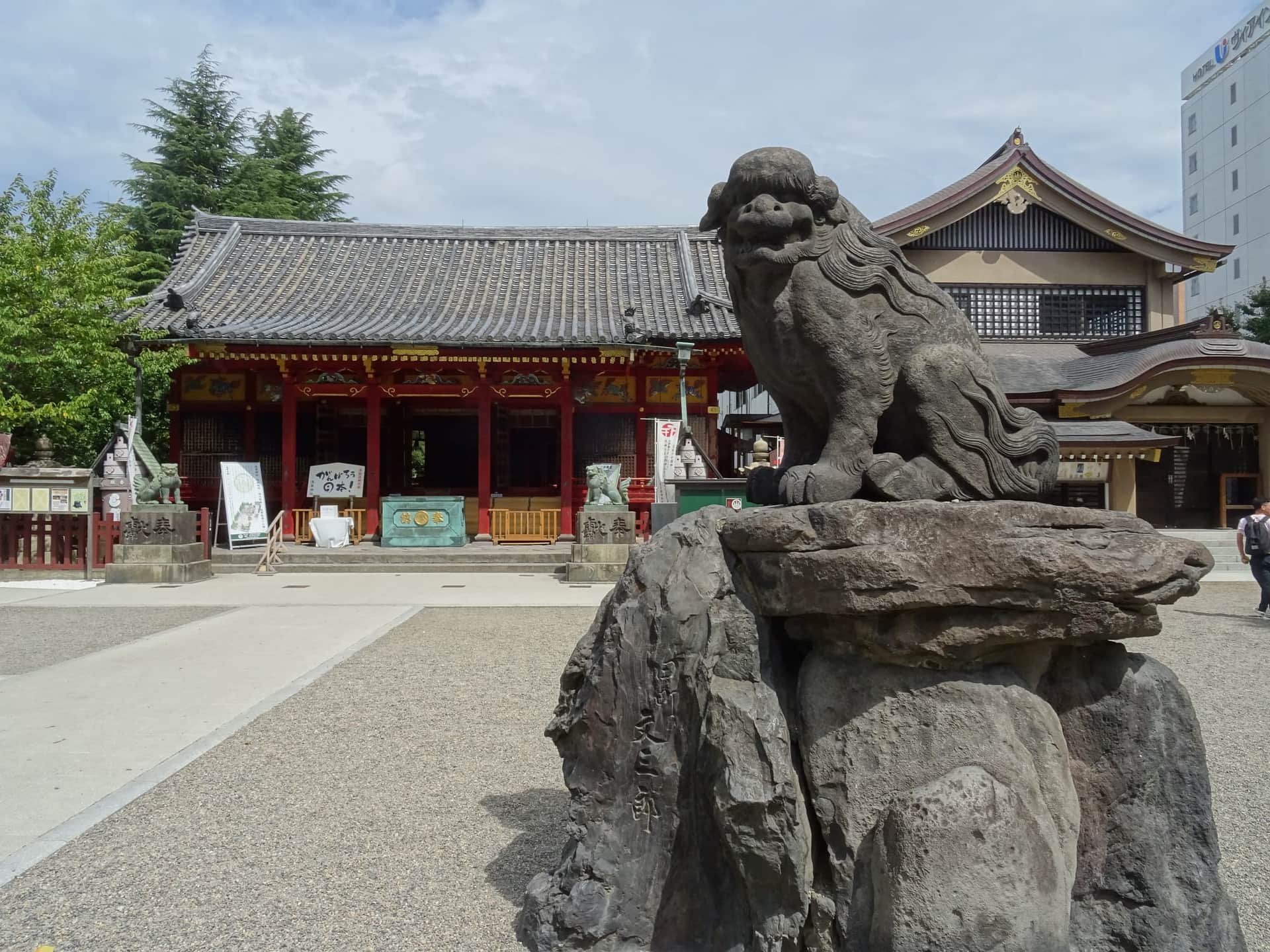
- Spostamento
circa 20 min
Matsuchiyama Shoden
TaitoUn tempio buddista storico ad Asakusa, noto per ospitare Kangiten (Shoten), la divinità dalla testa di elefante legata alla fortuna e alle relazioni. È famoso per le offerte di ravanelli e per la posizione in cima a una collina con vista sul fiume Sumida.
Visita stimata · 45 minIngresso gratuito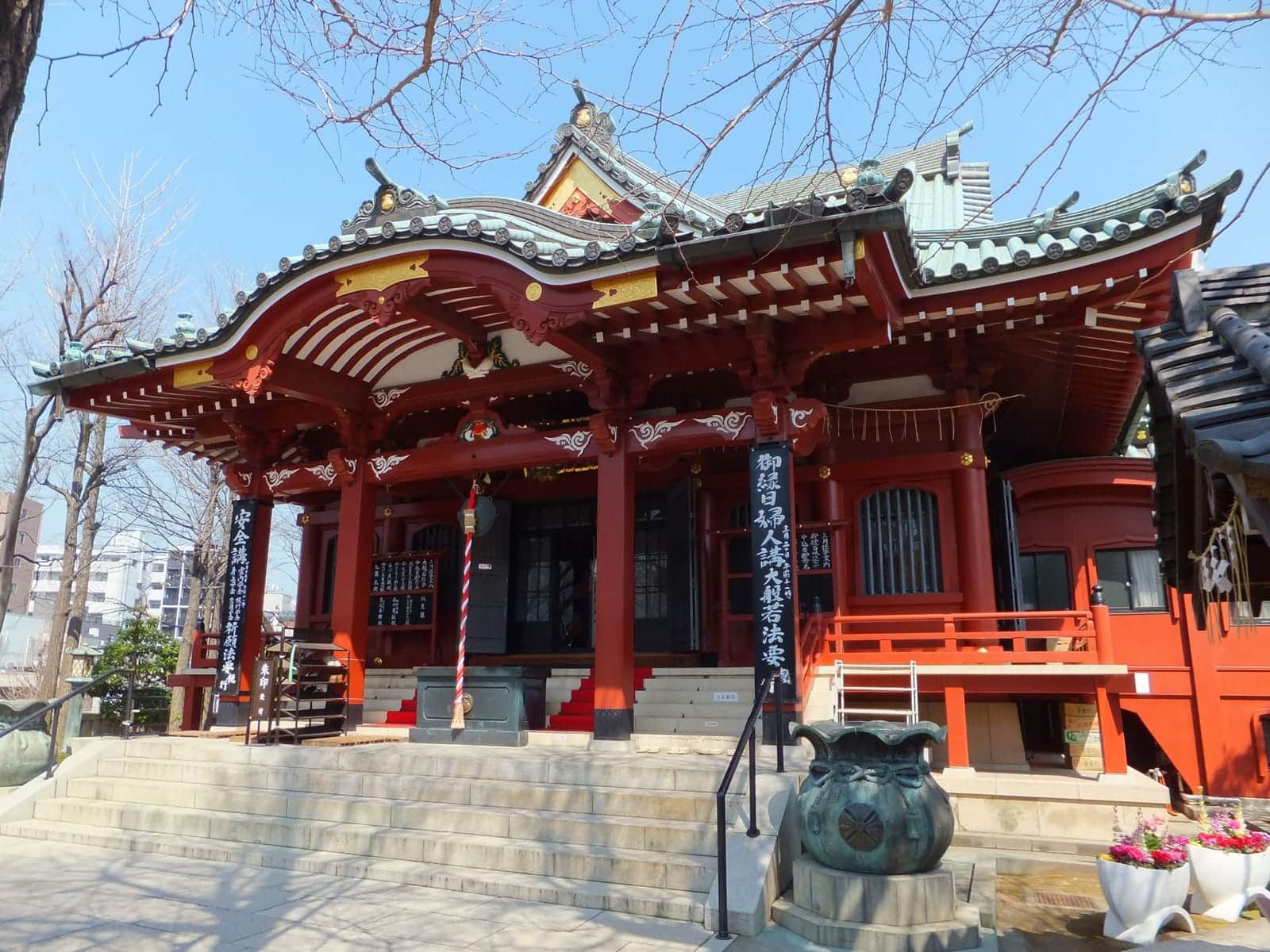
Imado Jinja
TaitoUn mare di zampe che invitano ti accoglie qui—file di figure lucide con le braccia alzate, le loro espressioni serene ma invitanti. Questo è Imado, in Asakusa, Tokyo orientale, celebrato come il luogo di nascita del maneki-neko, il “gatto che invita” che ha portato fortuna in Giappone e oltre. Un tempo un comune separato, oggi è parte del distretto di Asakusa nel quartiere di Taitō, ed è anche conosciuto per la ceramica di Imado e le bambole di Imado, artigianato popolare che si è cristallizzato durante il periodo Edo (1603–1868). La storia che anima questo quartiere è disarmantemente semplice—una leggenda di una vecchia che, dopo un sogno, modellò figure di gatti con l'argilla locale—eppure il suo impatto culturale è immenso: i mercanti adottarono la figura come un emblema di buona fortuna, e un'immagine nata in forni di strada divenne simbolo di prosperità nelle vetrine da Edo al mondo. Fondamenti Storici Per apprezzare Imado, inizia con la città che serviva: Edo, la vivace metropoli moderna che sarebbe diventata Tokyo. Nel periodo Edo (1603–1868), i forni locali qui a Imado producevano ceramiche durevoli e bambole in argilla espressive per un mercato urbano in espansione. L'artigianato popolare prosperava in tali quartieri, dove gli artigiani rispondevano ai gusti dei cittadini—commercianti, intrattenitori, pellegrini—le cui vite quotidiane erano saturate di oggetti che promettevano sicurezza, successo e piccoli piaceri. In questo contesto, una storia prese forma e perdurò: una vecchia, povera ma pia, sognò di modellare figure di gatti. Seguì la visione, modellando gatti dall'argilla; le figure venivano vendute, e con esse le sue fortune crescevano. Per quanto semplice, questa leggenda fornì un'origine umana per il maneki-neko, radicando il fascino popolare nelle mani e nelle speranze di un artigiano individuale. Ciò che conta storicamente è il risultato: questi artigianati popolari si diffusero attraverso Edo, e i mercanti—sensibili ai segnali che attiravano i clienti—adottarono il gatto che invita come emblema di buona fortuna. La figura era facile da riconoscere, facile da riprodurre e facile da collocare nelle vetrine. Col tempo, il gesto invitante del gatto divenne parte del vocabolario visivo delle strade di Edo. L'identità di Imado—un quartiere intrecciato, laboratori e un oggetto leggendario—persistette mentre cambiavano i confini amministrativi. Un tempo un comune separato, ora è amministrato all'interno del quartiere di Taitō, ancorato in Asakusa, un'area famosa per la cultura urbana stratificata. Non c'è un elenco UNESCO qui, eppure il suo patrimonio intangibile—artigianato, storia e simbolo—si è dimostrato durevole come l'argilla cotta. Maestria Architettonica L'“architettura” di Imado è l'architettura del fare: forni, laboratori e vetrine dove l'argilla divenne commercio. Durante il periodo Edo, i forni locali di Imado producevano ceramiche di Imado—ceramiche utilitarie—e bambole in argilla modellate, essiccate e cotte per accessibilità e fascino. Il processo era semplice: l'argilla lavorabile veniva modellata a mano o pressata in semplici stampi, poi essiccata con cura per evitare crepe. La cottura induriva i pezzi; la pittura a mano forniva volti, gesti e colore. Le bambole di Imado risultanti erano espressive piuttosto che monumentali—destinate alla mano e al focolare, non per la mostra nei palazzi. Il maneki-neko appartiene a questo mondo di artigianato pratico e riproducibile. Il suo potere non risiede nella scala monumentale ma in una silhouette standardizzata: corpo arrotondato, postura eretta, zampa alzata in un arco invitante. Un tale design può essere modellato ripetutamente, dipinto con variazioni e venduto a prezzi accessibili per un commerciante. In questo senso, la figura è un capolavoro del design di prodotto del periodo Edo—riconoscibile a colpo d'occhio, immediatamente leggibile in una vetrina, infinitamente adattabile nei dettagli superficiali mentre rimane stabile nella forma. Gli artigiani di Imado si specializzarono precisamente in questo equilibrio. Mentre cammini oggi, l'“ambiente costruito” che conta sono i negozi e gli studi dove la tradizione continua: vetrine che sembrano un catalogo di gesti; scaffali che eseguono un coro visivo di zampe invitanti; banchi da lavoro dove i creatori contemporanei modellano e dipingono ancora. L'architettura dell'artigianato—tavoli, strumenti, stendibiancheria—è modesta, ma rivela una sofisticata coreografia di lavoro e oggetto che è cambiata poco in principio dal periodo Edo. Significato Religioso e Culturale Sebbene non sia un'area templare, Imado si inserisce nell'economia spirituale di Edo-Tokyo, dove credenze, commercio e vita quotidiana si intrecciano. Il maneki-neko incarna questa fusione: una figura di buona fortuna destinata a invitare la prosperità. Nel periodo Edo, tali oggetti fungevano da talismani pratici; un commerciante potrebbe posizionarne uno all'ingresso come segnale invitante per i passanti. I mercanti di Edo lo abbracciarono per lo stesso motivo per cui le aziende moderne lo fanno ancora: comunica benvenuto e speranza in un linguaggio che chiunque può leggere. La leggenda della vecchia è cruciale qui. Colloca la fortuna non nel patrocinio imperiale o nel rituale esoterico, ma nell'umile atto di creare. Questa democratizzazione della fortuna—la prosperità resa tangibile attraverso una piccola figura di argilla—riflette adeguatamente l'etica di Asakusa, storicamente un distretto di intrattenitori, commercianti e artigiani. Col tempo, il maneki-neko trascese le sue origini di quartiere per diventare un segno onnipresente in Giappone e in tutta l'Asia orientale, eppure il suo DNA culturale rimane profondamente Imado: fatto a mano, accessibile e ottimista. Oggi, nell'area di Asakusa, troverai costanti riferimenti alla leggenda—cartoline, manifesti e mascotte che richiamano il gesto; negozi che curano scaffali di gatti invitanti come se stessero allestendo piccoli altari alla prosperità. Sebbene non ci sia una singola pratica rituale “corretta” associata alla figura, l'atto di sceglierne una, posizionarla a una soglia e lasciarla “lavorare” è di per sé una devozione vernacolare. Ambientazione Naturale e Ambiente L'ambiente di Imado è urbano e intimo: le strette strade di Asakusa, i bassi negozi e i vivaci ritmi pedonali. Il materiale naturale chiave qui è la terra stessa—l'argilla che un tempo sosteneva i forni locali e continua a sostenere l'identità artigianale dell'area. Piuttosto che drammatici panorami montani o giardini templari, Imado offre un'estetica diversa: la calda presenza tattile dell'argilla modellata a mano, il matte e il lucido delle smaltature sotto la luce del giorno che cambia, e le strade a misura d'uomo dove artigianato e commercio si incontrano. Stagionalmente, l'energia del quartiere cambia con il traffico pedonale—affollato nei fine settimana, contemplativo nelle mattine feriali—permettendoti di vivere le figurine in luci diverse. Poiché il patrimonio qui è intrecciato nel paesaggio urbano quotidiano, sembra vivo: non conservato sotto vetro, ma incontrato nelle vetrine, nei banchi degli studi e nel rapido scambio tra acquirente e creatore. Esperienza del Visitatore e Patrimonio Cosa puoi vedere oggi? Aspettati una ricca concentrazione di negozi e studi che vendono figurine di maneki-neko, ceramiche di Imado e bambole di Imado. Cerca riferimenti visivi alla leggenda della vecchia—illustrazioni, insegne o piccole esposizioni narrative. Molti negozi presentano famiglie di gatti in diverse dimensioni, a volte raggruppati a tema, il che ti aiuta a percepire come la figura sia migrata dal banco dell'artigiano alla vetrina del mercato. Il piacere è comparativo: nota le sottili differenze di espressione, l'angolo della zampa alzata, l'interazione di colore e smalto—tutti indizi della mano del creatore. Poiché Imado è amministrato all'interno del distretto di Asakusa nel quartiere di Taitō, è facilmente raggiungibile da altri punti culturali salienti, eppure mantiene un'identità distinta ancorata all'artigianato. Non c'è una designazione UNESCO qui, il che è stranamente liberatorio: il patrimonio sembra informale e partecipativo. Comprare una piccola figura non è solo fare acquisti; è impegnarsi con una tradizione vivente che risale al periodo Edo (1603–1868). Se ti piace il contesto, chiedi ai commercianti riguardo al loro assortimento—molti sono felici di spiegare modelli, fasce di prezzo e come questi oggetti si inseriscano nella consuetudine locale. Come simbolo, il maneki-neko ha viaggiato lontano, ma il suo indirizzo più risonante rimane qui, dove la storia è iniziata: un quartiere che ha trasformato l'immaginazione in argilla, l'argilla in figure e le figure in un linguaggio cittadino di benvenuto. L'esperienza è silenziosa ma potente. Segui l'arco dalla leggenda al forno alla vetrina, e in quel viaggio, intravedi come gli oggetti quotidiani portino il peso della memoria di una città. Imado potrebbe non vantare grandi sale o porte torreggianti, ma offre qualcosa di altrettanto duraturo: una lezione concentrata su come artigianato, commercio e credenza si intrecciano—e come una piccola figura con una zampa alzata sia venuta a invitare il mondo moderno.
Visita stimata · 45 minIngresso gratuito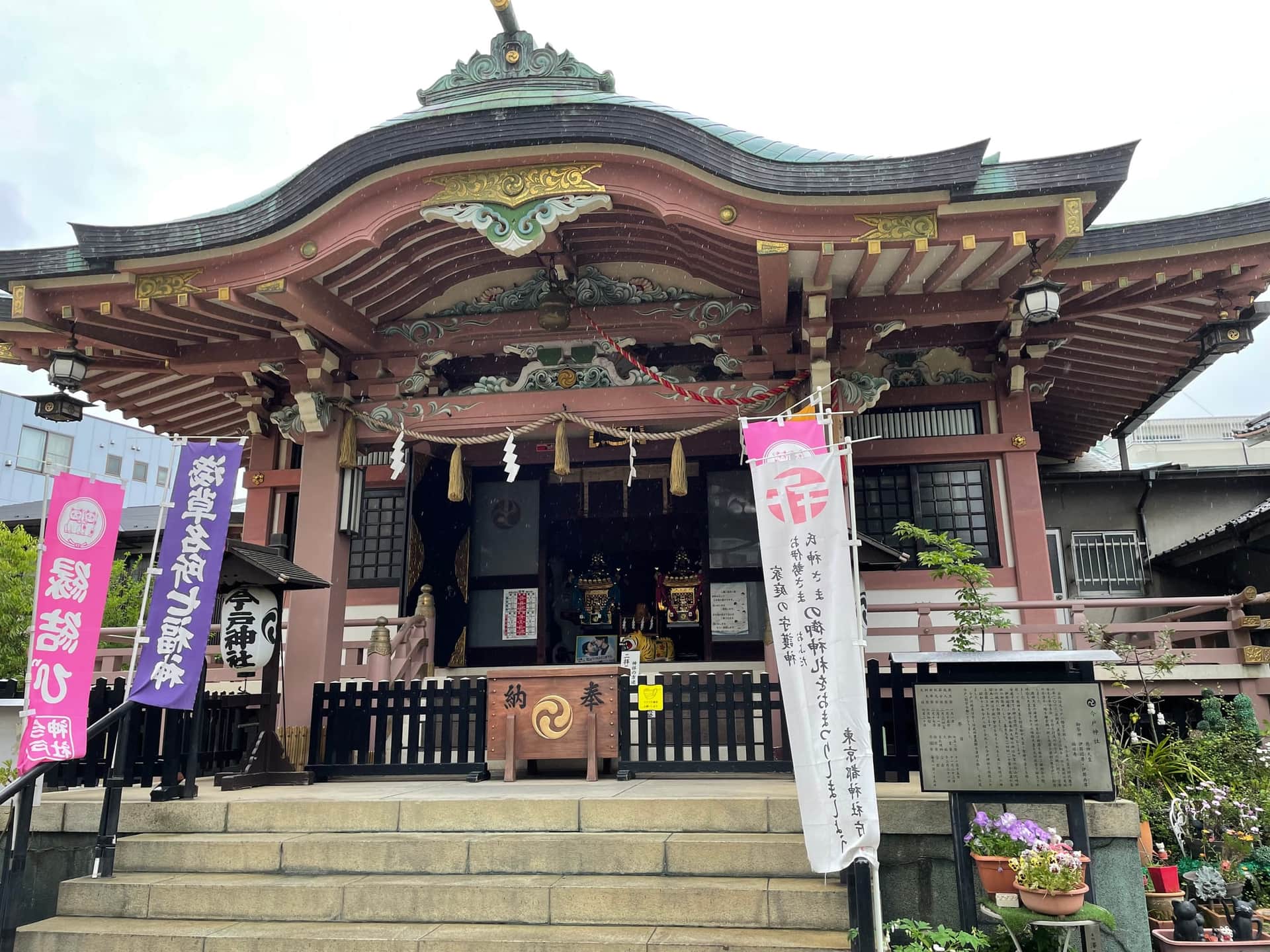
- Spostamento
circa 20 min
Ono Terusaki Jinja
TaitoOno Terusaki-jinja è un santuario storico a Shitaya, Taito, Tokyo, vicino alle stazioni di Iriya e Uguisudani. Fondato tradizionalmente nell’852, è dedicato a Ono no Takamura. È noto per il recinto in cima alla collina e per lo Shitaya Sakamoto Fuji-zuka, Bene Culturale Popolare Tangibile
Visita stimata · 45 min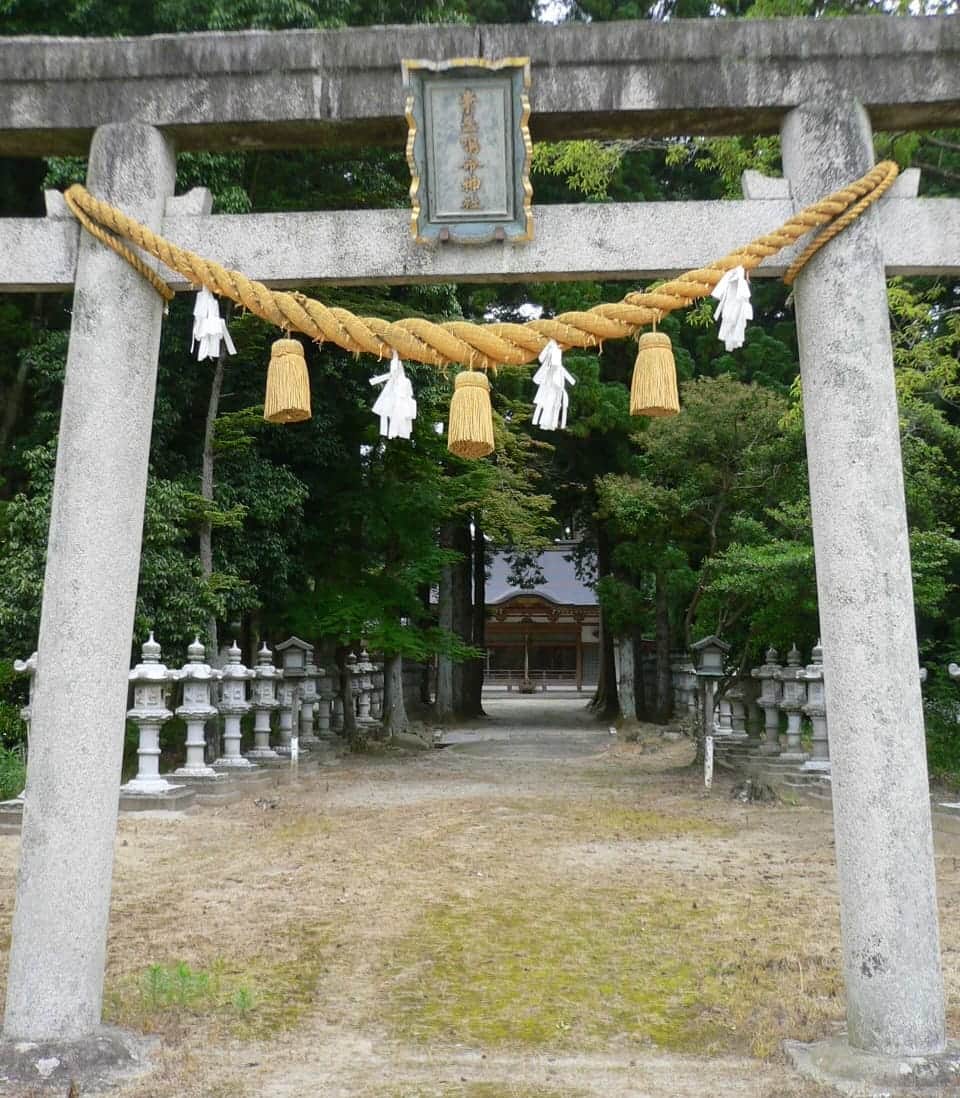
Da Ueno a Kanda
- 4 tappe
- circa 180 min incluse le visite
Shinobazu Benten-do
TaitoA 17th-century Buddhist temple hall dedicated to Benzaiten, goddess of water, music, and fortune. Located on an island in Shinobazu Pond within Ueno Park, the temple is surrounded by lotus flowers and accessible via a short bridge, creating a serene atmosphere.
Visita stimata · 30 minIngresso gratuito10 hanno visitato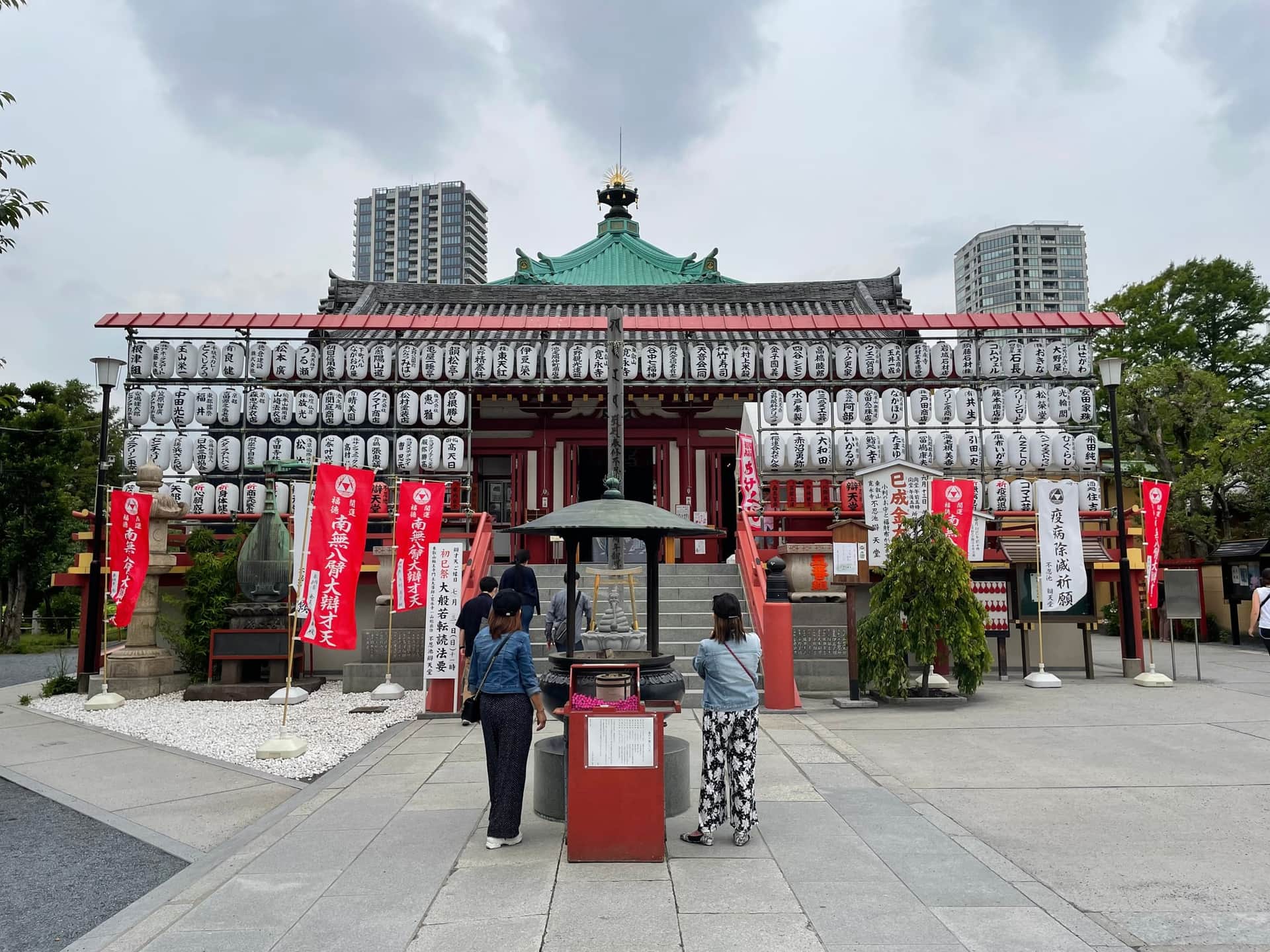
Kanei-ji
TaitoStorico tempio buddista Tendai fondato nel 1625, un tempo vasto complesso che rivaleggiava con l'Enryaku-ji. Servì come tempio della famiglia Tokugawa e ospitò sei shogun Tokugawa. In gran parte distrutto nel 1868 durante la Guerra Boshin, le strutture rimanenti preservano la sua eredità.
Visita stimata · 45 minIngresso gratuito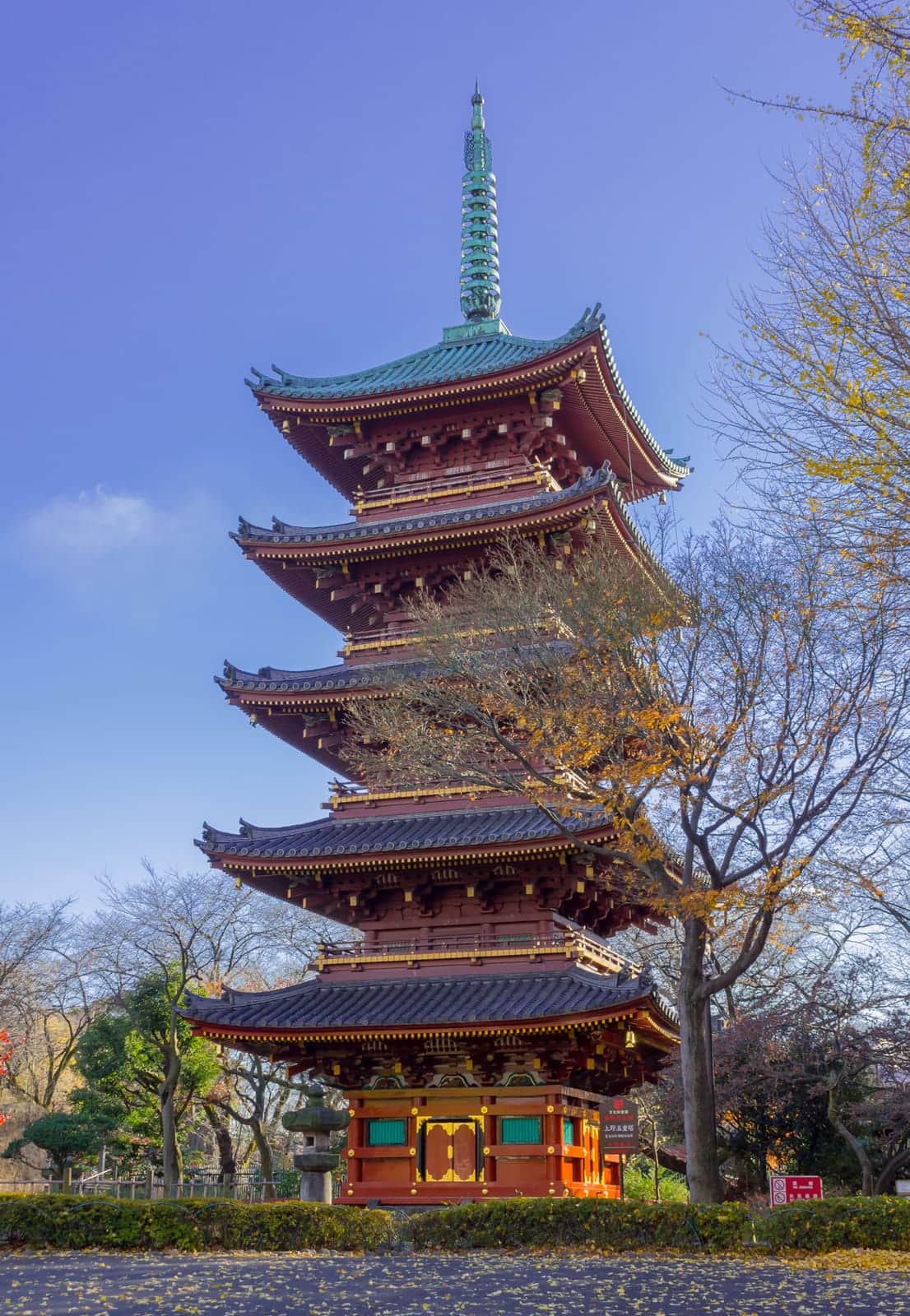
- Spostamento
circa 20 min
Yushima Tenmangu
BunkyoYushima Tenmangu (湯島天満宮) è un santuario shintoista situato nella città di Bunkyo, Tokyo. Immerso in un quartiere urbano, funge da luogo locale di culto shintoista e da utile tappa culturale per i visitatori che esplorano i santuari comunitari della zona e il paesaggio religioso quotidiano.
Visita stimata · 45 min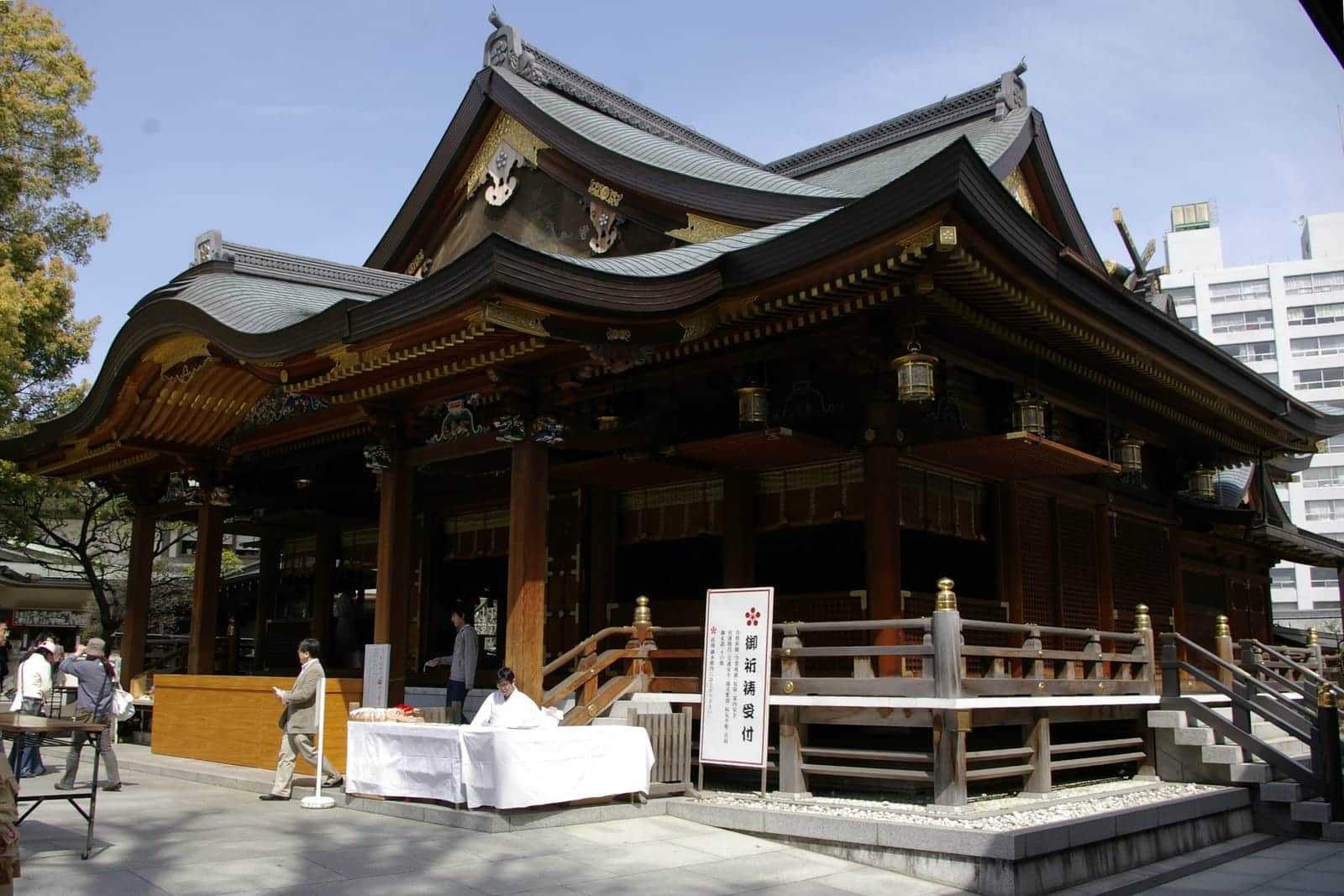
Kanda Myoujin
ChiyodaVisita stimata · 60 min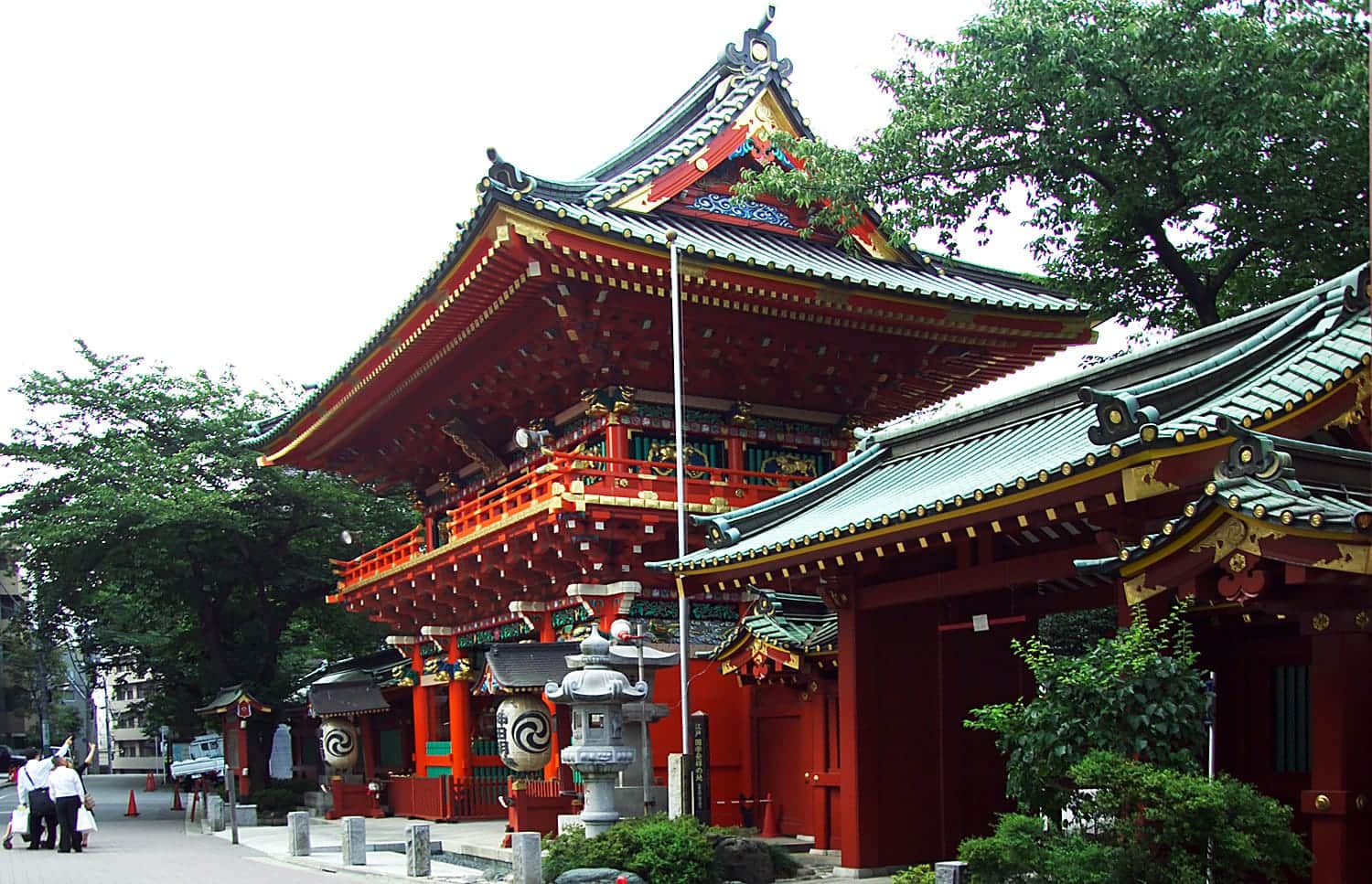
Altri modi per esplorare Tokyo
Itinerari più brevi, più tranquilli o più approfonditi per il tuo prossimo viaggio.
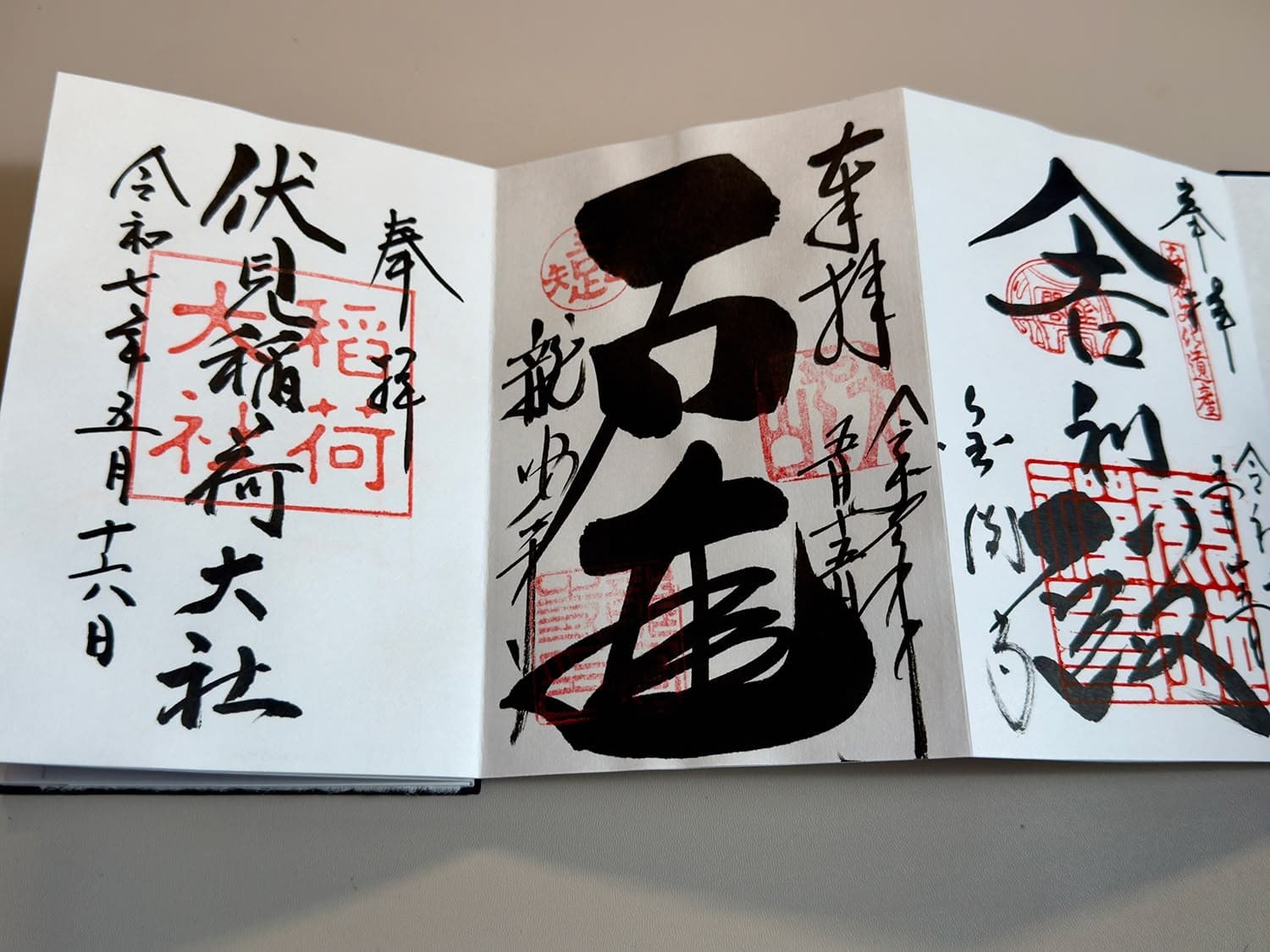
Primo Goshuin
Scopri come funzionano le visite ai goshuin, quindi segui un facile percorso di un giorno attraverso templi e santuari adatti ai principianti con un ritmo semplice.
- 1 giorno
- 4 tappe
- Tokyo
 Pro
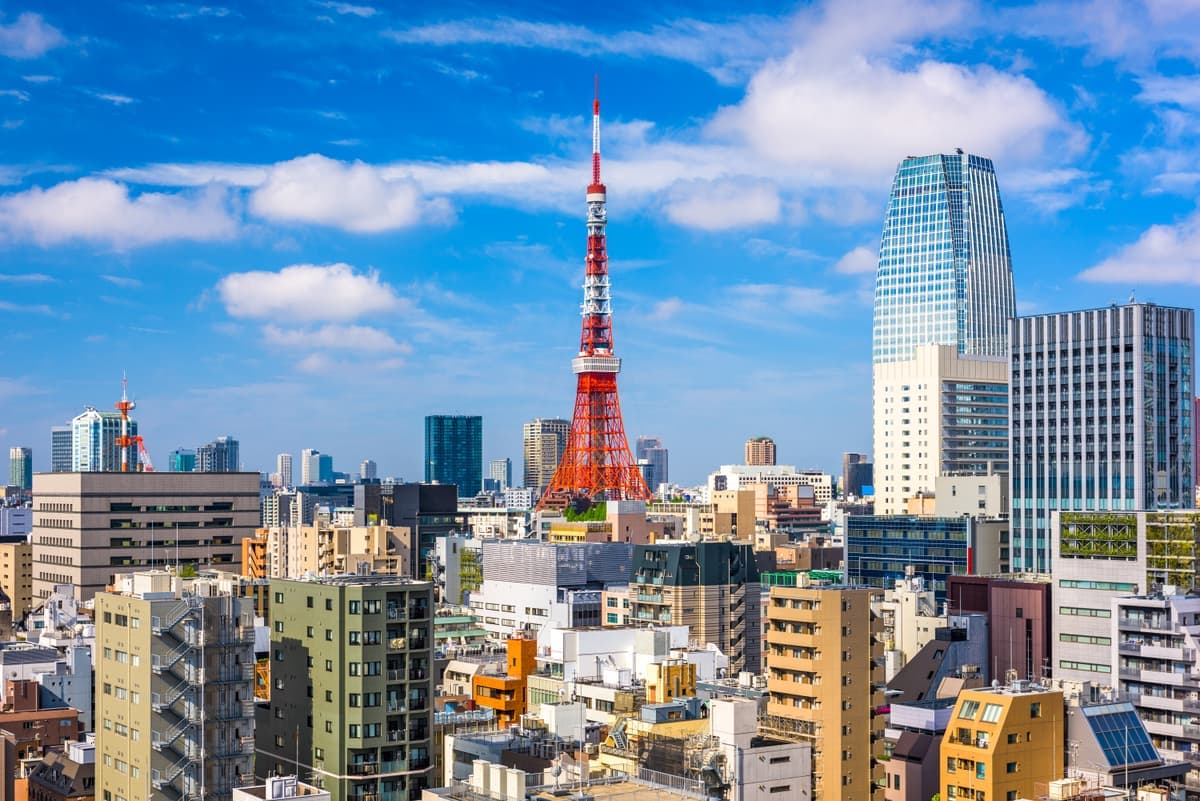
ProTokyo nascosta
Un percorso di due giorni attraverso i santuari più tranquilli di Tokyo e le vie secondarie, ideale quando desideri fermate significative di goshuin lontano dai circuiti più affollati.
- 2 giorni
- 8 tappe
- Tokyo
 Pro
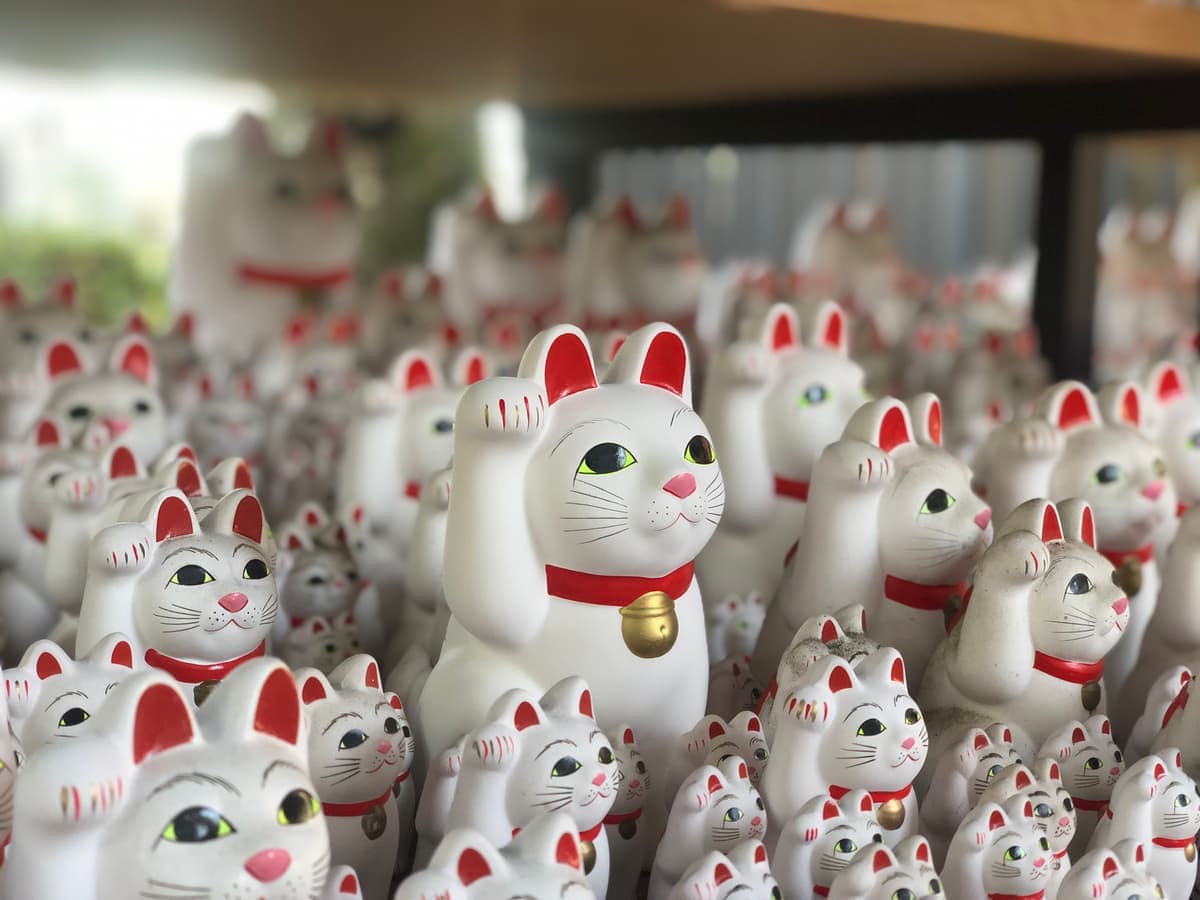
ProSantuari degli Animali a Tokyo
Un itinerario di due giorni a Tokyo per fermate a santuari con motivi di volpi, gatti e animali, ideato per collezionisti che apprezzano temi goshuin più caratteristici.
- 2 giorni
- 9 tappe
- Tokyo
 Pro
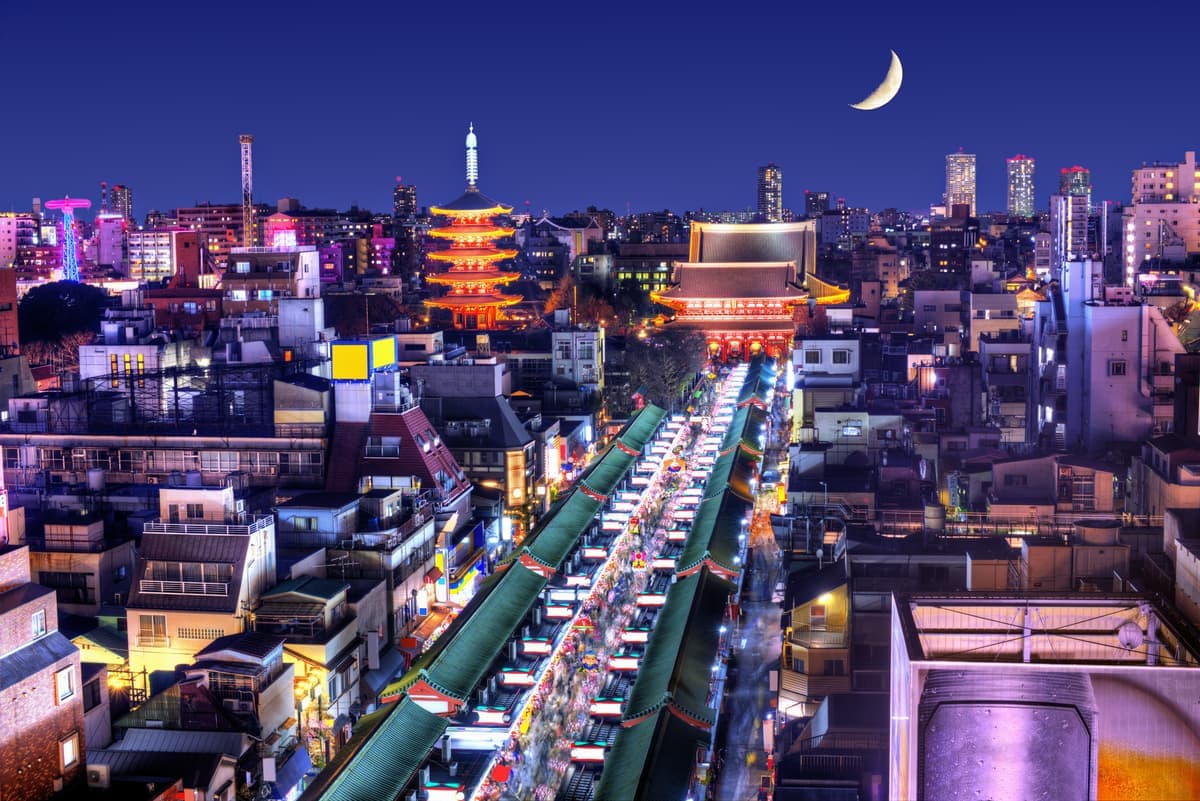
ProTokyo: Immersione Profonda
Un piano di cinque giorni a Tokyo per collezionisti pronti ad andare oltre le tappe più ovvie, mescolando goshuin distintivi, aree più tranquille e una copertura più approfondita della città.
- 4 giorni
- 20 tappe
- Tokyo
 Pro
ProPasseggiata a Yanesen
Una lenta passeggiata di un giorno attraverso Yanaka, Nezu e Sendagi, che combina l'atmosfera della vecchia Tokyo con una piccola serie di fermate goshuin pensate con cura.
- 1 giorno
- 5 tappe
- Tokyo