Admission
Non confirmé
En bref
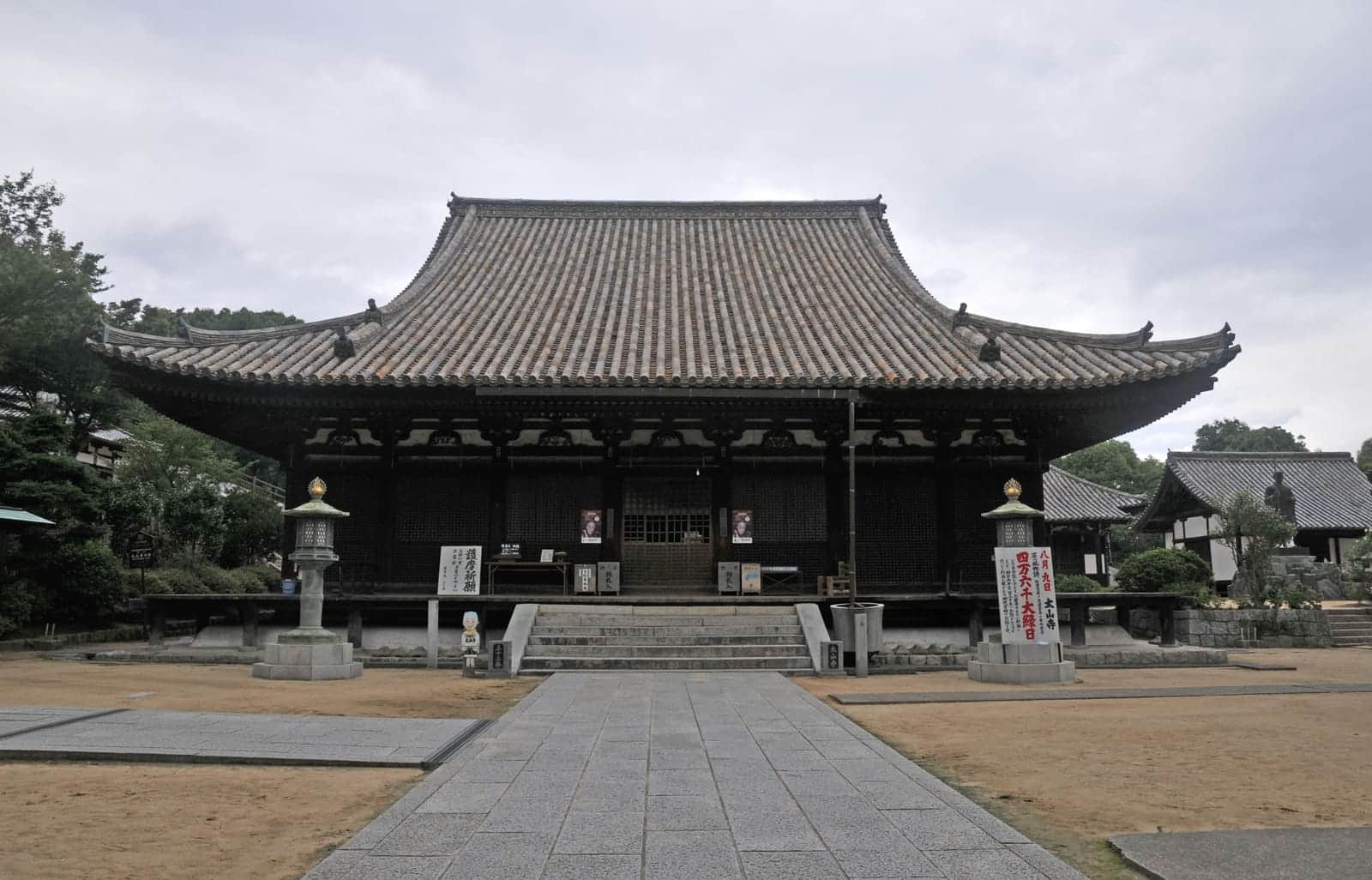
Hidden Christians secretly worshipped here during Japan's 250-year ban on Christianity using a 'Maria Kannon' statue. A lantern placed on top formed a cross for forbidden prayer gatherings.
Enmyo-ji conserve la plus ancienne plaque nominative en cuivre connue du Pèlerinage de Shikoku.
Identiques aux heures d'ouverture
Ce temple offre des goshuin, mais nous n'avons pas encore de photos. Soyez le premier à partager le vôtre !
Les esprits divins vénérés en ce lieu sacré
Célébrations saisonnières et occasions spéciales
Kirishitan Stone Lantern
A highlighted stone lantern associated with hidden Christian worship at the temple.
Dragon by Hidari Jingoro
A 5-meter-long dragon carving highlighted as a notable temple feature.
Kannondo
A hall housing a Juichimen Kannon statue and noted for a Keicho-era pedestal inscription.
Non confirmé
Matsuyama, Ehime Préfecture
Autres pages utiles liées à ce lieu.
0 publications récentes
Partagez votre visite pour aider d'autres voyageurs.
Aucune publication publique de la communauté pour le moment.
Moins de 300 m Moins de 600 m
Ce que ce lieu est censé accorder